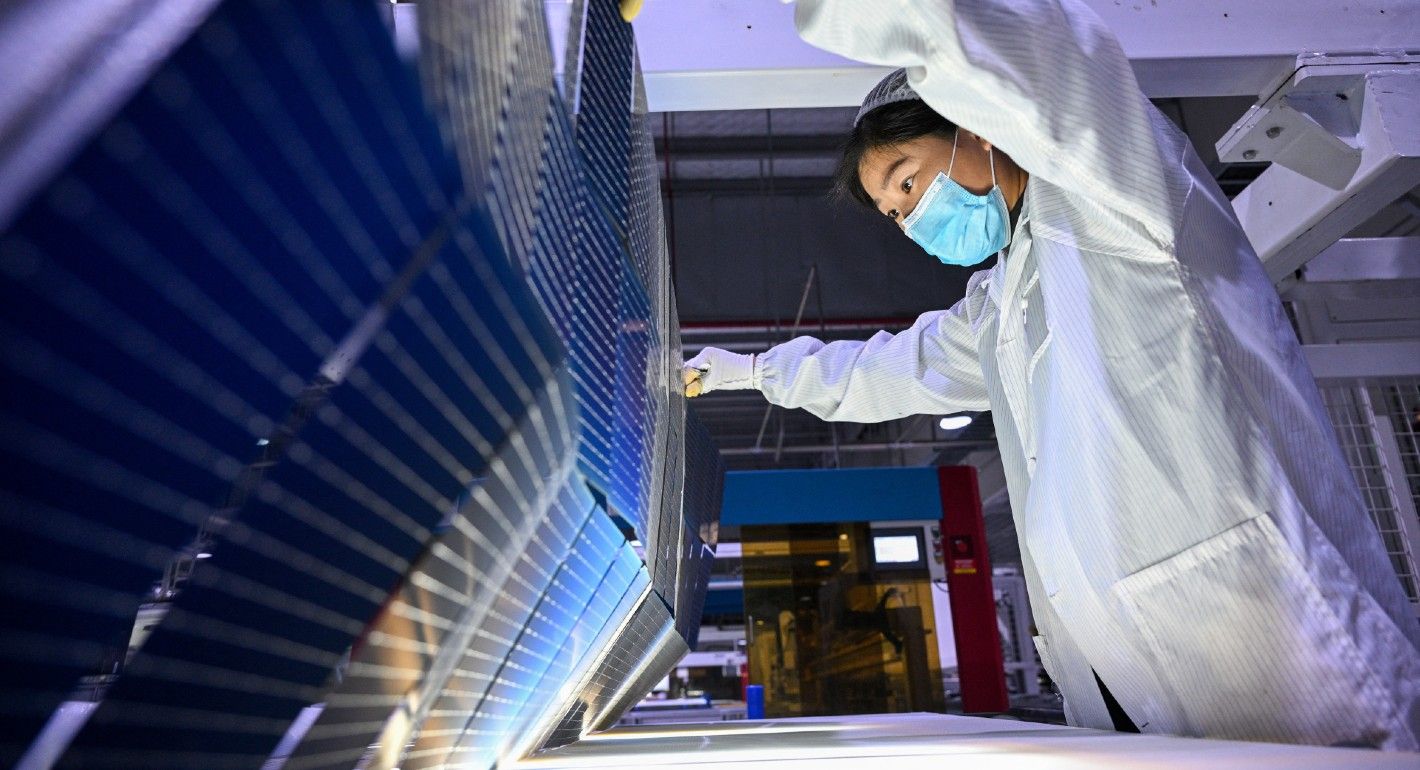
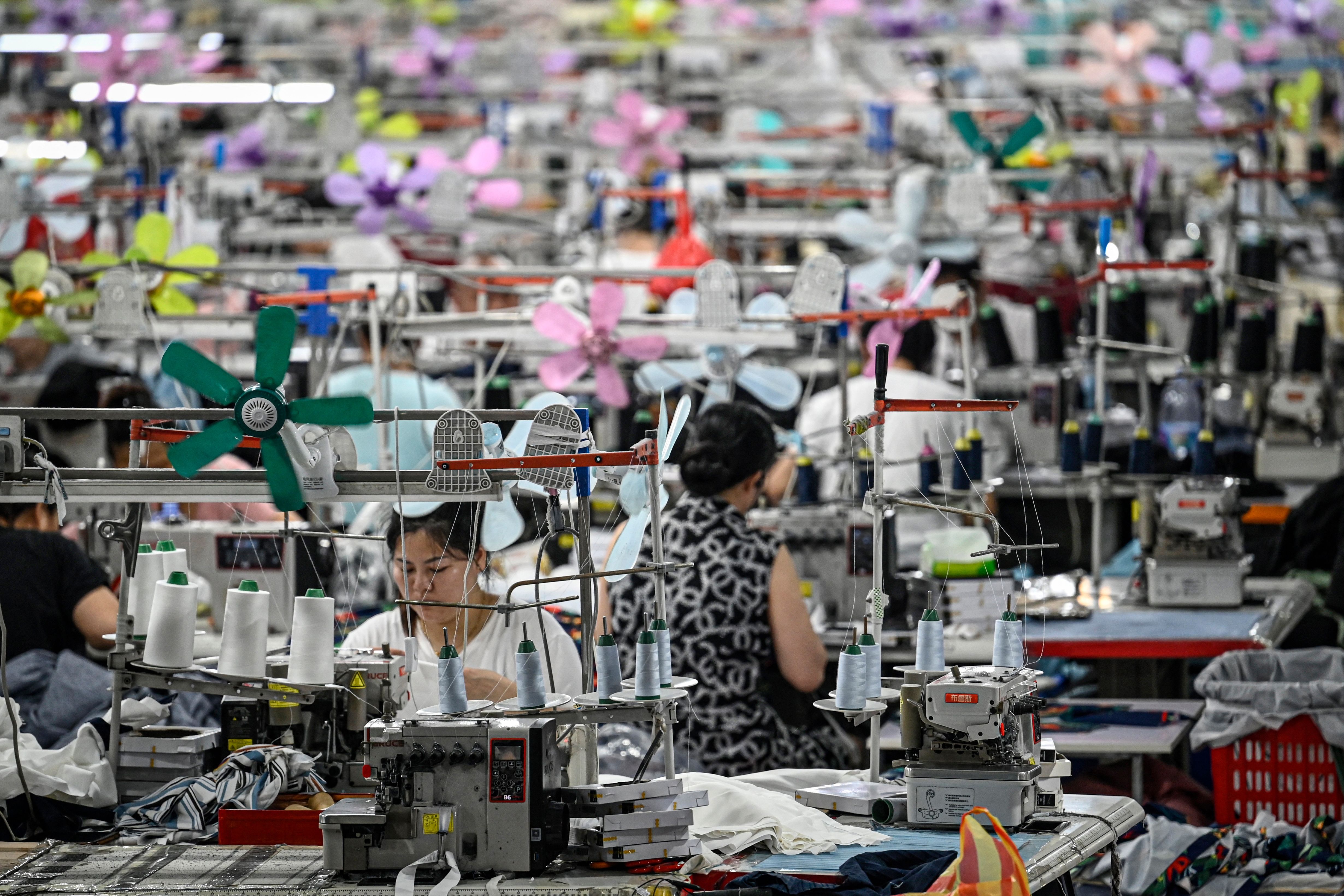
Rather than climate ambitions, compatibility with investment and exports is why China supports both green and high-emission technologies.
Mathias Larsen
{
"authors": [],
"type": "pressRelease",
"centerAffiliationAll": "dc",
"centers": [
"Carnegie Endowment for International Peace"
],
"collections": [],
"englishNewsletterAll": "menaTransitions",
"nonEnglishNewsletterAll": "",
"primaryCenter": "Carnegie Endowment for International Peace",
"programAffiliation": "MEP",
"programs": [
"Middle East"
],
"projects": [],
"regions": [
"Middle East"
],
"topics": [
"Economy"
]
}REQUIRED IMAGE
FOR IMMEDIATE RELEASE: May 7, 2007
- News Release -
A new study by the Carnegie Endowment finds that previous attempts at economic reform have not alleviated the economic problems of Arab countries, failing to dismantle state-dominated economies with high restrictions on private investments. Arab countries represent only 4 percent of world trade and have the highest unemployment rate in the world at 12.2 percent. The per capita GDP in these nations has fallen in recent decades and public debt has hit a critical level in several countries.
In a new Carnegie Paper from Carnegie’s Middle East Center, The Challenge of Economic Reform in the Arab World, Sufyan Alissa examines the major factors responsible for hindering meaningful economic reform in the Arab world. Governments and established elites have little incentive to create reforms that could threaten their economic and political interests. Furthermore, governments and institutions in the Arab world have limited capacity to plan, implement and manage reform programs, and have little agreement on what true reform would entail.
Alissa argues that, in economic terms, there are two types of states in the Middle East and North Africa—those that are highly dependent on oil, and those that depend on foreign aid, international loans, and remittances from expatriate workers. Both have used these highly volatile revenue sources to temporarily alleviate economic pressures, preserve dominant elite privileges, and buy loyalty to the state—all at the cost of sustainable, long-term reform.
In order to achieve genuine reform, governments must move beyond economies dominated by the public sector and support economic models driven by the private sector as the main source of growth and income.
“A consensus is forming among international financial institutions, economics and aid practitioners that lack of progress in improving governance lies at the very heart of most of the challenges currently impeding economic transformation in the Arab world,” says Alissa.
Notes:
###
Carnegie does not take institutional positions on public policy issues; the views represented herein are those of the author(s) and do not necessarily reflect the views of Carnegie, its staff, or its trustees.
Rather than climate ambitions, compatibility with investment and exports is why China supports both green and high-emission technologies.
Mathias Larsen
“Involution” is a new word for an old problem, and without a very different set of policies to rein it in, it is a problem that is likely to persist.
Michael Pettis
While China's investment story seems contradictory from the outside, the real answers to Beijing's high-quality growth ambitions are hiding in plain sight across the nation's cities.
Yuhan Zhang
China's stimulus addiction cannot go on forever. Beijing still has policy space to clean up the country's massive debt issue, but time is running short.
Michael Pettis
A quick look at the complexities behind Beijing’s enduring Catch-22 situation with revaluing the Renminbi, despite advantages of a stronger currency.
Michael Pettis