

Commentary
The Thai-Cambodian conflict highlights the limits to China's peacemaker ambition and the significance of this role on Southeast Asia’s balance of power.
Pongphisoot (Paul) Busbarat
{
  "authors": [],
  "type": "pressRelease",
  "centerAffiliationAll": "dc",
  "centers": [
    "Carnegie Endowment for International Peace"
  ],
  "collections": [],
  "englishNewsletterAll": "ctw",
  "nonEnglishNewsletterAll": "",
  "primaryCenter": "Carnegie Endowment for International Peace",
  "programAffiliation": "russia",
  "programs": [
    "Russia and Eurasia"
  ],
  "projects": [],
  "regions": [
    "Central Asia"
  ],
  "topics": [
    "Security"
  ]
}
REQUIRED IMAGE
WASHINGTON, June 7--Sufism—a mystical form of Islam that has flourished in the Muslim world for centuries—has enjoyed a strong revival in Central Asia.
FOR IMMEDIATE RELEASE: June 7, 2007
- NEWS RELEASE -
WASHINGTON, June 7--Sufism—a mystical form of Islam that has flourished in the Muslim world for centuries—has enjoyed a strong revival in Central Asia. In a new Carnegie Paper, Sufism in Central Asia: A Force for Moderation or a Cause of Politicization? , Martha Brill Olcott explores Sufism’s potential to become a political movement in Central Asia by analyzing the movement’s history and current leaders in Central Asia, particularly Uzbekistan.
The future role Sufism will play in Central Asia is dependent on both secular and religious circumstances. Olcott contends that political leaders will require a political subtlety that has been lacking in recent decades in order to construct a reasonable balance between Sufis and fundamentalists.
Olcott also argues that while Sufism currently poses little threat to the secular ideology of Central Asian states, there is potential for a dangerous backlash if governments openly try to use Sufi ideology as a way to gain support.
Notes:
The Carnegie Endowment for International Peace is a private, nonprofit organization dedicated to advancing cooperation between nations and promoting active international engagement by the United States. Founded in 1910, its work is nonpartisan and dedicated to achieving practical results.
###
Carnegie does not take institutional positions on public policy issues; the views represented herein are those of the author(s) and do not necessarily reflect the views of Carnegie, its staff, or its trustees.
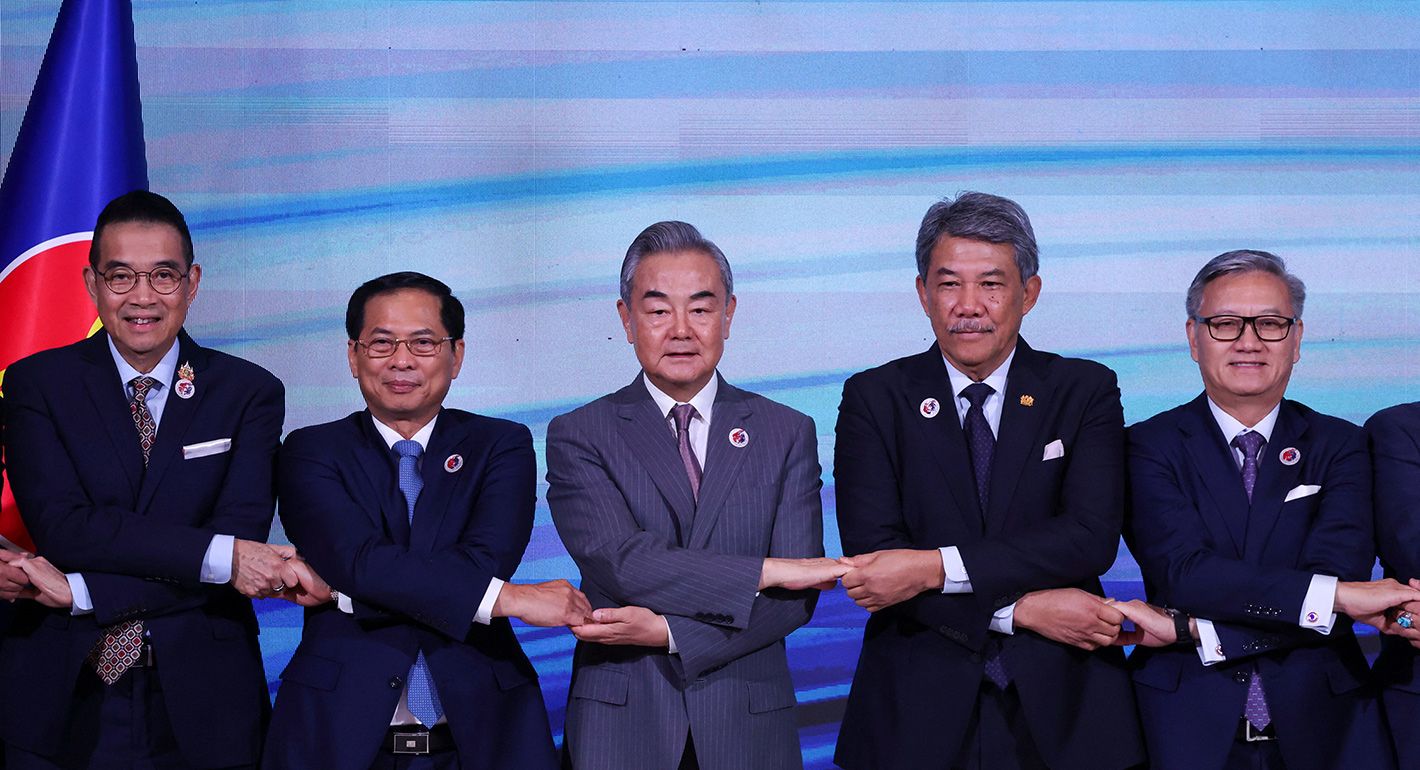
The Thai-Cambodian conflict highlights the limits to China's peacemaker ambition and the significance of this role on Southeast Asia’s balance of power.

Pongphisoot (Paul) Busbarat

Beijing believes that Washington is overestimating its own leverage and its ability to handle the trade war’s impacts.


Rick Waters, Sheena Chestnut Greitens
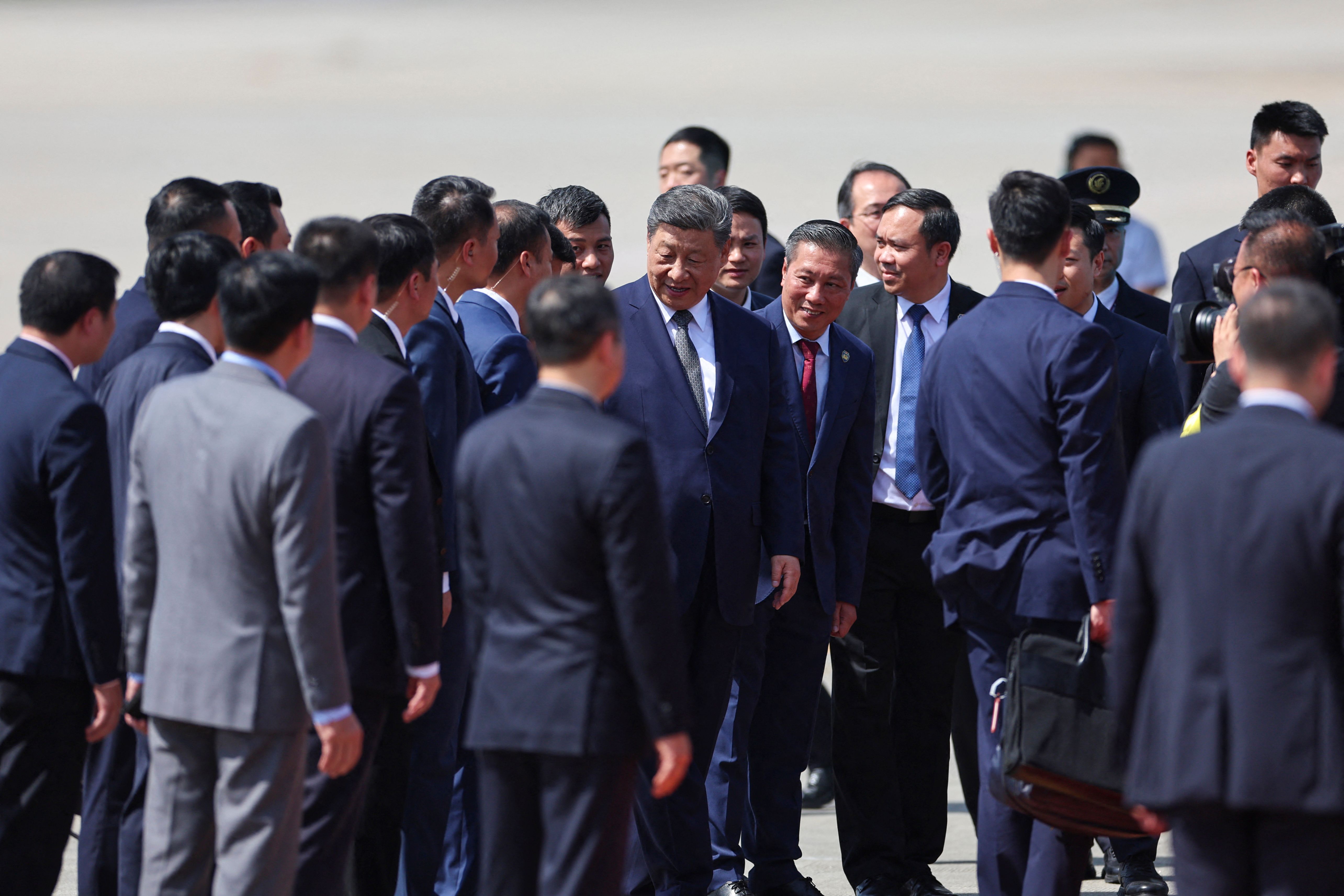
Tapping our network of China experts in the region, Carnegie China offers this latest “China Through a Southeast Asian Lens” report to offer preliminary assessments of whether the U.S. effort to reshape the global trading order will lead countries in the region to tilt toward Beijing.



Selina Ho, Khin Khin Kyaw Kyee, Joseph Ching Velasco, …
Because strategic, economic, and ideological perceptions of China contain multiple, sometimes contradictory facets in Southeast Asia, receptions of and responses to Beijing diverge across and within state lines.



Evan A. Feigenbaum, Chong Ja Ian, Elina Noor
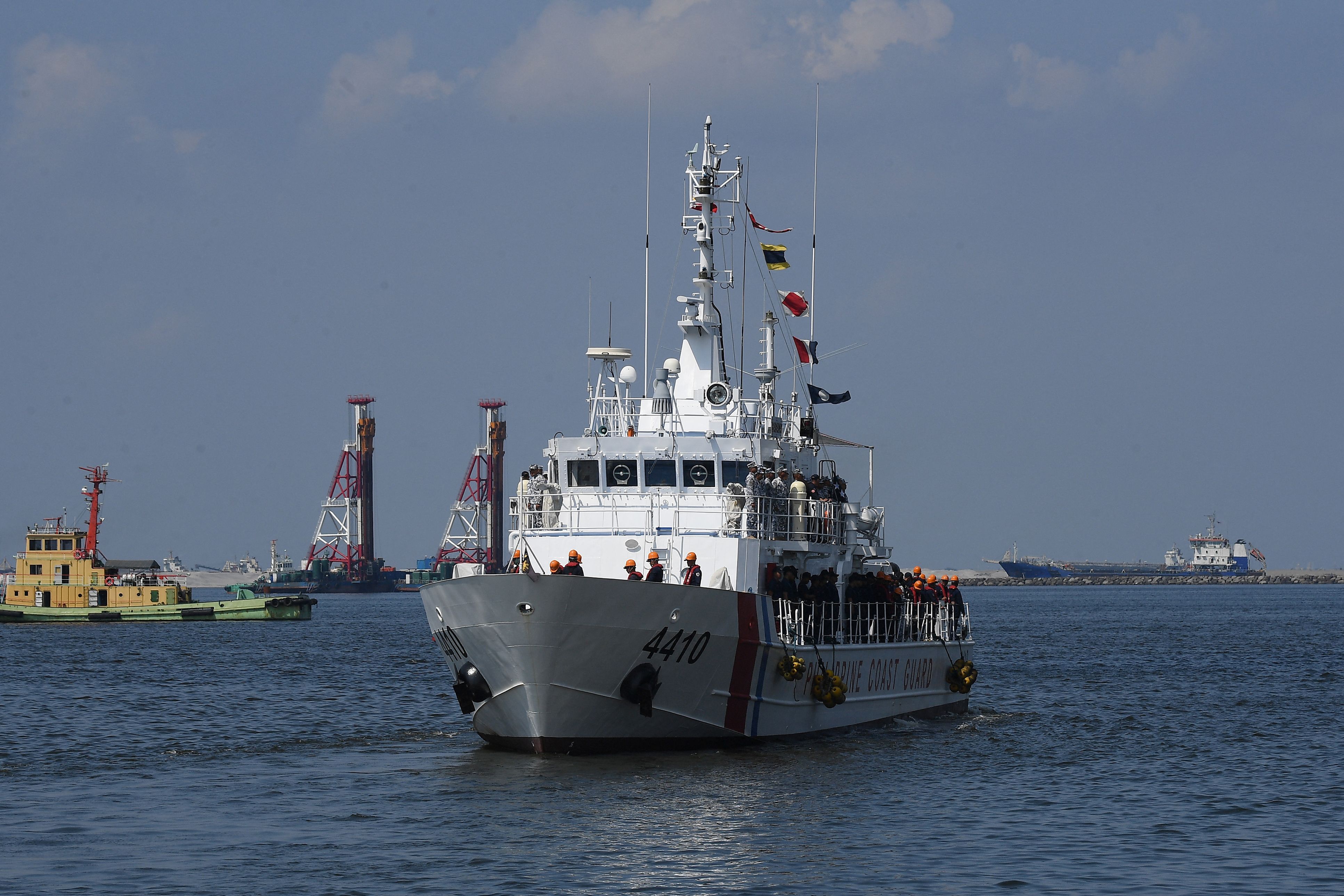
Most Southeast Asian states behave as if the actions of their Northeast Asian neighbors and the Philippines will be sufficient to maintain a regional status quo from which they can benefit.
Chong Ja Ian