

Article
Pierre Goldschmidt
{
  "authors": [
    "Pierre Goldschmidt"
  ],
  "type": "testimony",
  "centerAffiliationAll": "dc",
  "centers": [
    "Carnegie Endowment for International Peace"
  ],
  "collections": [],
  "englishNewsletterAll": "ctw",
  "nonEnglishNewsletterAll": "",
  "primaryCenter": "Carnegie Endowment for International Peace",
  "programAffiliation": "NPP",
  "programs": [
    "Nuclear Policy"
  ],
  "projects": [],
  "regions": [
    "Middle East",
    "Iran"
  ],
  "topics": [
    "Nuclear Policy",
    "Nuclear Energy"
  ]
}
Source: Getty
The International Atomic Energy Agency (IAEA) faces a critical test this November when it will issue its latest report on Iran's nuclear activities. A condemning report by the IAEA could prompt Iran to end all cooperation with the IAEA. Yet a falsely reassuring report could damage the credibility of the nonproliferation regime.
Source: Lamont Lecture at the Belfer Center

Arguing that Iran has shown no inclination to convince the world that it is not seeking nuclear weapons, Goldschmidt says that the Iranians have most likely made a cost-benefit analysis of the situation, concluding that time is on their side and that Russia and China will oppose severe sanctions by the UNSC. He suggests an alternative approach would be a two-month grace period protecting Iran in case it makes new revelations on its nuclear program. He also outlines other key factors that could prompt Iran to shift its stance:
"The Agency, recipient of the 2005 Nobel Peace Prize, has a well deserved reputation of objectivity and sound technical judgment. It cannot let itself be perceived as being manipulated by Iran to help buy time or as providing an unwarranted excessively positive picture of the situation in Iran, thereby raising the suspicion that its objective might be to make it more difficult for the UNSC to adopt any new resolution sanctioning Iran. After five years of unsuccessful efforts by the Agency to 'close the Iranian file,' there is no room for complacency, only for undisputable objectivity and clarity in reporting facts and findings in sufficient detail," concludes Goldschmidt.
Click on the link above for full text of the speech.
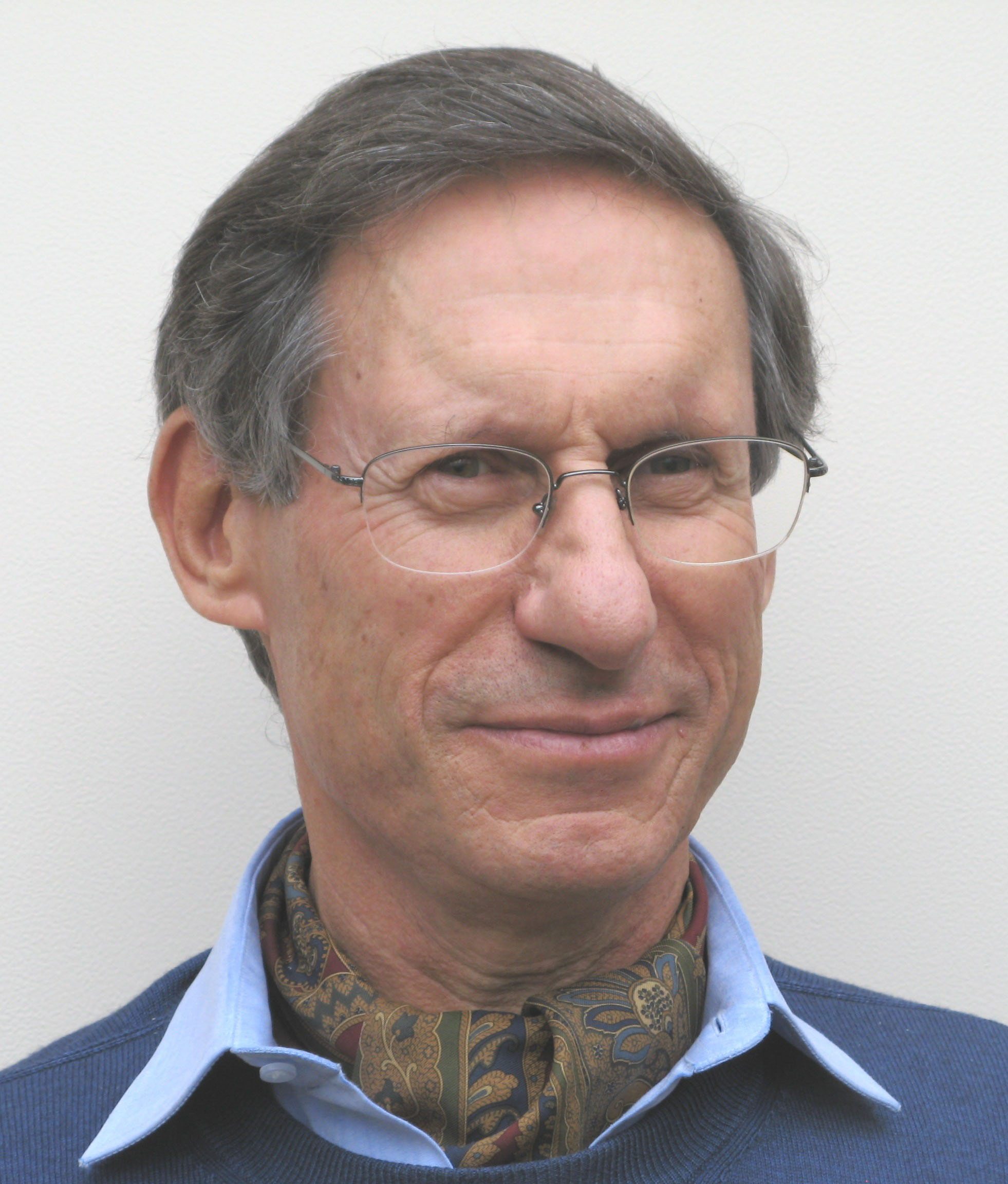
Former Nonresident Senior Associate, Nuclear Policy Program
Goldschmidt was a nonresident senior associate at the Carnegie Endowment.
Recent Work
Pierre Goldschmidt
Pierre Goldschmidt
Carnegie does not take institutional positions on public policy issues; the views represented herein are those of the author(s) and do not necessarily reflect the views of Carnegie, its staff, or its trustees.

The nuclear relationship between China and the United States is increasingly shaped by widening perception gaps rather than deliberate strategic design.

Tong Zhao
Faced with an increase in strategic maneuvering by Moscow and Pyongyang, Beijing will not sit idly by and allow Putin and Kim to shape the security environment on its behalf.
Tong Zhao

The advantage that China has over other global powers, especially America, is that its foreign policy is closely aligned with those of many of the Middle Eastern countries.



Jin Liangxiang, Maha Yahya, Hesham Alghannam

China views U.S. missile defense as posing a greater potential threat to China’s nuclear deterrent than other U.S. military capabilities.
Tong Zhao, Dmitry Stefanovich
“It’s not so clear how we’re going to get out of this.”

Paul Haenle, Philippe Le Corre