

Paper
George Perkovich
{
  "authors": [
    "George Perkovich"
  ],
  "type": "legacyinthemedia",
  "centerAffiliationAll": "dc",
  "centers": [
    "Carnegie Endowment for International Peace"
  ],
  "collections": [],
  "englishNewsletterAll": "ctw",
  "nonEnglishNewsletterAll": "",
  "primaryCenter": "Carnegie Endowment for International Peace",
  "programAffiliation": "NPP",
  "programs": [
    "Nuclear Policy"
  ],
  "projects": [],
  "regions": [
    "Middle East",
    "Iran"
  ],
  "topics": [
    "Nuclear Policy"
  ]
}
Source: Getty
In the Gulf Yearbook 2007-2008, George Perkovich discusses what is publicly known about GCC intentions and capabilities to acquire nuclear technology and explores how the development a GCC nuclear program would balance Iran's growing power.
Source: Gulf Research Center

Developing a GCC nuclear program is one way to "do something" to balance Iran's growing power. The phrase "nuclear program" is usefully ambiguous. In material terms, it is extremely difficult to imagine the GCC collectively seeking to acquire nuclear weapons capabilities to deter Iran. The effects of a GCC "nuclear program" will be ambiguous and muddled, at least for the 10-15 years it would take to develop basic capabilities. Competition for Arab leadership could give nuclear programs in Egypt, Jordan, Saudi Arabia and other GCC states, and perhaps Algeria, momentum independent of developments in Iran.
If faced with a nuclear-armed Iran, GCC states also would be tempted to rely even more intensively on US protection, which is a double-edged sword. Wanting to multiply their options, Saudi Arabia and the UAE recently have embraced closer defense ties with resurgent Russia. Ultimately, the GCC will mix tactics of balancing and potentially confronting Iran with diplomatic entreaties to encourage Iranian goodwill.
This article was originally published by the Gulf Research Center.

Japan Chair for a World Without Nuclear Weapons, Senior Fellow
George Perkovich is the Japan Chair for a World Without Nuclear Weapons and a senior fellow in the Carnegie Endowment for International Peace’s Nuclear Policy Program. He works primarily on nuclear deterrence, nonproliferation, and disarmament issues, and is leading a study on nuclear signaling in the 21st century.
Recent Work
George Perkovich
George Perkovich
Carnegie does not take institutional positions on public policy issues; the views represented herein are those of the author(s) and do not necessarily reflect the views of Carnegie, its staff, or its trustees.
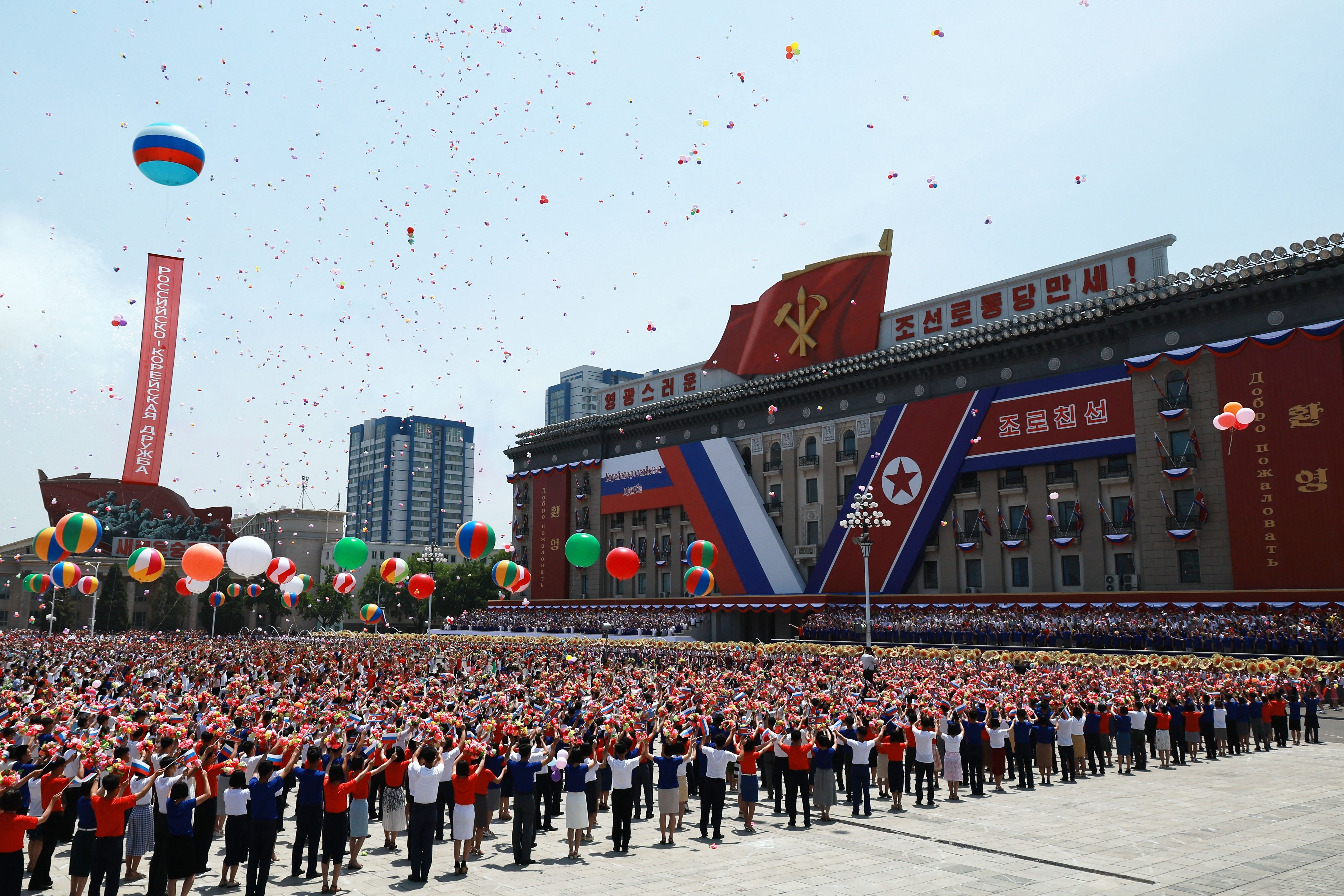
Faced with an increase in strategic maneuvering by Moscow and Pyongyang, Beijing will not sit idly by and allow Putin and Kim to shape the security environment on its behalf.

Tong Zhao
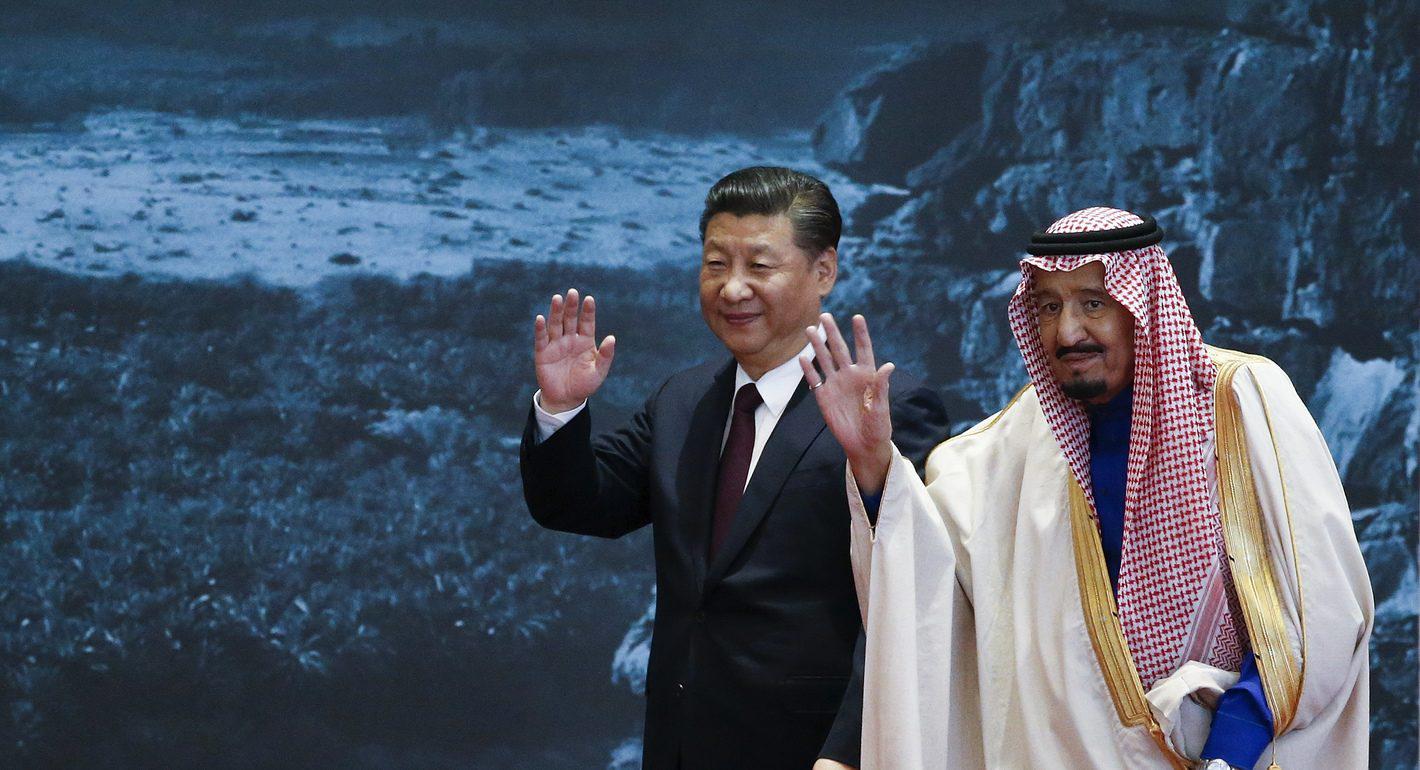
The advantage that China has over other global powers, especially America, is that its foreign policy is closely aligned with those of many of the Middle Eastern countries.


Jin Liangxiang, Maha Yahya, Hesham Alghannam

China views U.S. missile defense as posing a greater potential threat to China’s nuclear deterrent than other U.S. military capabilities.
Tong Zhao, Dmitry Stefanovich
“It’s not so clear how we’re going to get out of this.”

Paul Haenle, Philippe Le Corre

It’s about managing oil prices, bread prices, and strategic partnerships.



Amr Hamzawy, Karim Sadjadpour, Aaron David Miller, …