

Commentary
For Malaysia, the conjunction that works is “and” not “or” when it comes to the United States and China.
Elina Noor
{
  "authors": [],
  "type": "pressRelease",
  "centerAffiliationAll": "dc",
  "centers": [
    "Carnegie Endowment for International Peace"
  ],
  "collections": [],
  "englishNewsletterAll": "ctw",
  "nonEnglishNewsletterAll": "",
  "primaryCenter": "Carnegie Endowment for International Peace",
  "programAffiliation": "SCP",
  "programs": [
    "Sustainability, Climate, and Geopolitics"
  ],
  "projects": [],
  "regions": [
    "North America",
    "United States"
  ],
  "topics": []
}
REQUIRED IMAGE
ExxonMobil announced that it will contribute $500,000 to support the Carnegie Endowment for International Peace’s New Vision of pioneering the first global think tank.
WASHINGTON, June 5—ExxonMobil today announced that it will contribute $500,000 to support the Carnegie Endowment for International Peace’s New Vision of pioneering the first global think tank.
“We are immensely grateful to ExxonMobil for its generous support of and investment in the Endowment’s New Vision. With offices now up and running in China, Russia, the Middle East, Europe and the United States, this financial support is a further endorsement of the mission we are pursuing,” said Jessica T. Mathews, President of the Carnegie Endowment.
“ExxonMobil is proud to support the Carnegie Endowment for International Peace with a major contribution to its New Vision initiative. For years the Endowment has sought greater understanding and cooperation around the world. We hope that our contribution will enable Carnegie to continue and enhance this important work,” said Rex W. Tillerson, Chairman and Chief Executive Officer, Exxon Mobil Corporation.
Through its New Vision, Carnegie aims to promote sustained, international collaboration by developing improved understanding in the United States of thinking in other countries and regions; developing deeper understanding abroad of U.S. thinking; and developing, on both sides, a critical mass of research-based insights on vital issues.
Carnegie’s leading experts on international affairs, from nonproliferation to democracy promotion, produce first-rate, independent research to help policy makers formulate better courses of action.
Carnegie is the only think tank with a commitment to fluency in relevant languages and to publishing in hard copy and on the web in Russian, Chinese and Arabic, as well as other languages where appropriate.
###
NOTES
Carnegie does not take institutional positions on public policy issues; the views represented herein are those of the author(s) and do not necessarily reflect the views of Carnegie, its staff, or its trustees.

For Malaysia, the conjunction that works is “and” not “or” when it comes to the United States and China.

Elina Noor
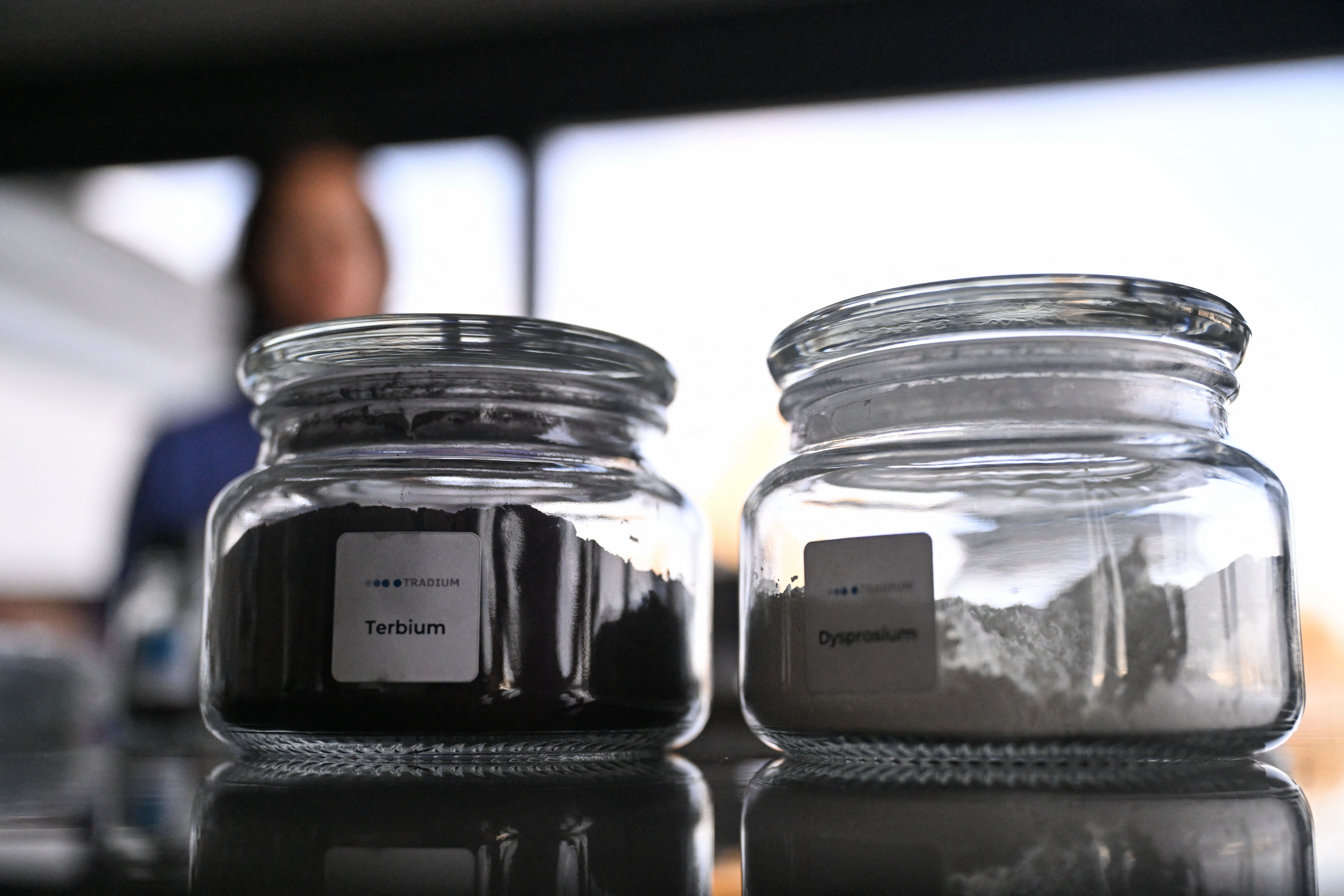
Regulation, not embargo, allows Beijing to shape how other countries and firms adapt to its terms.
Alvin Camba
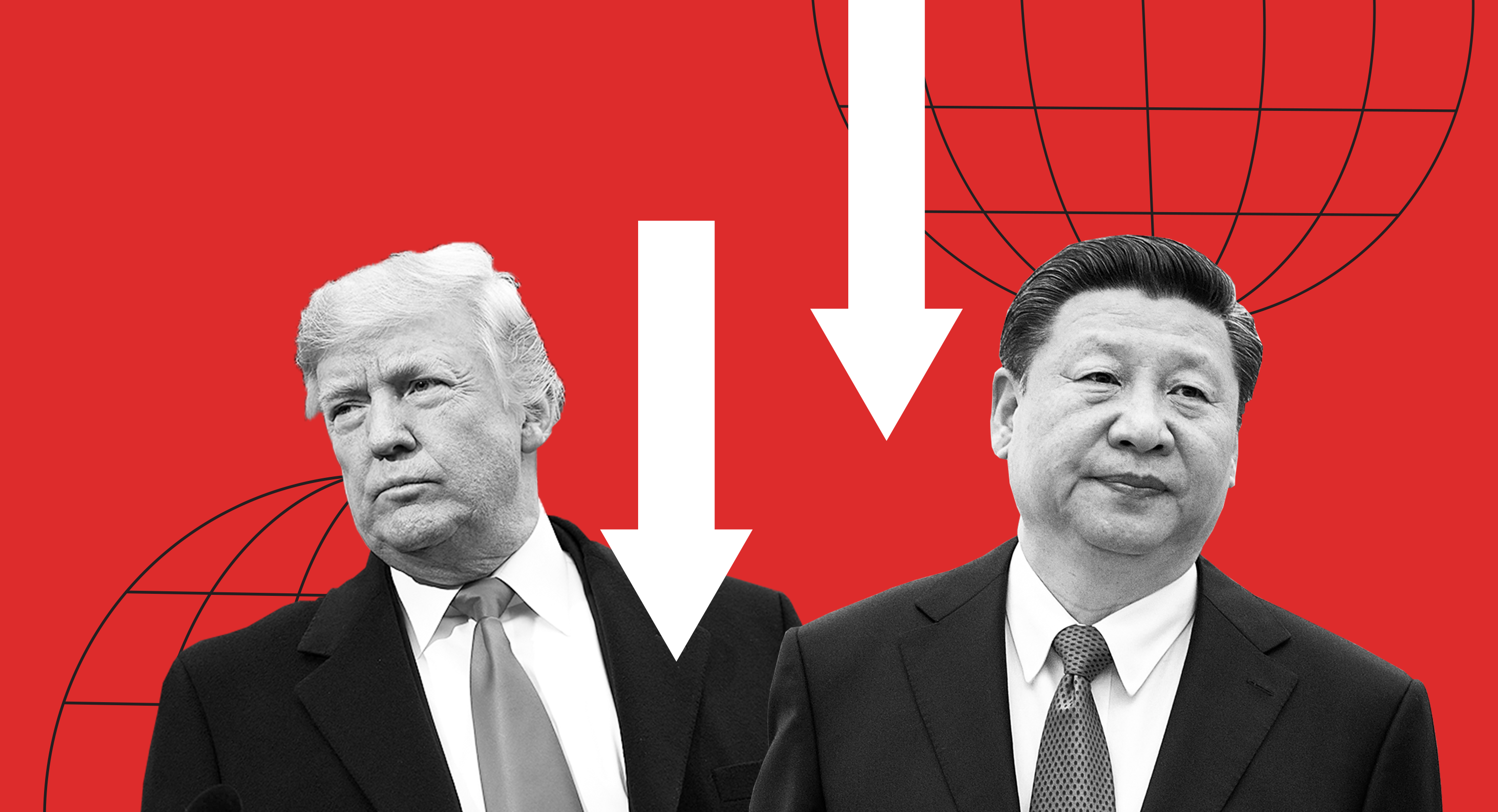
Beijing believes that Washington is overestimating its own leverage and its ability to handle the trade war’s impacts.

Rick Waters, Sheena Chestnut Greitens
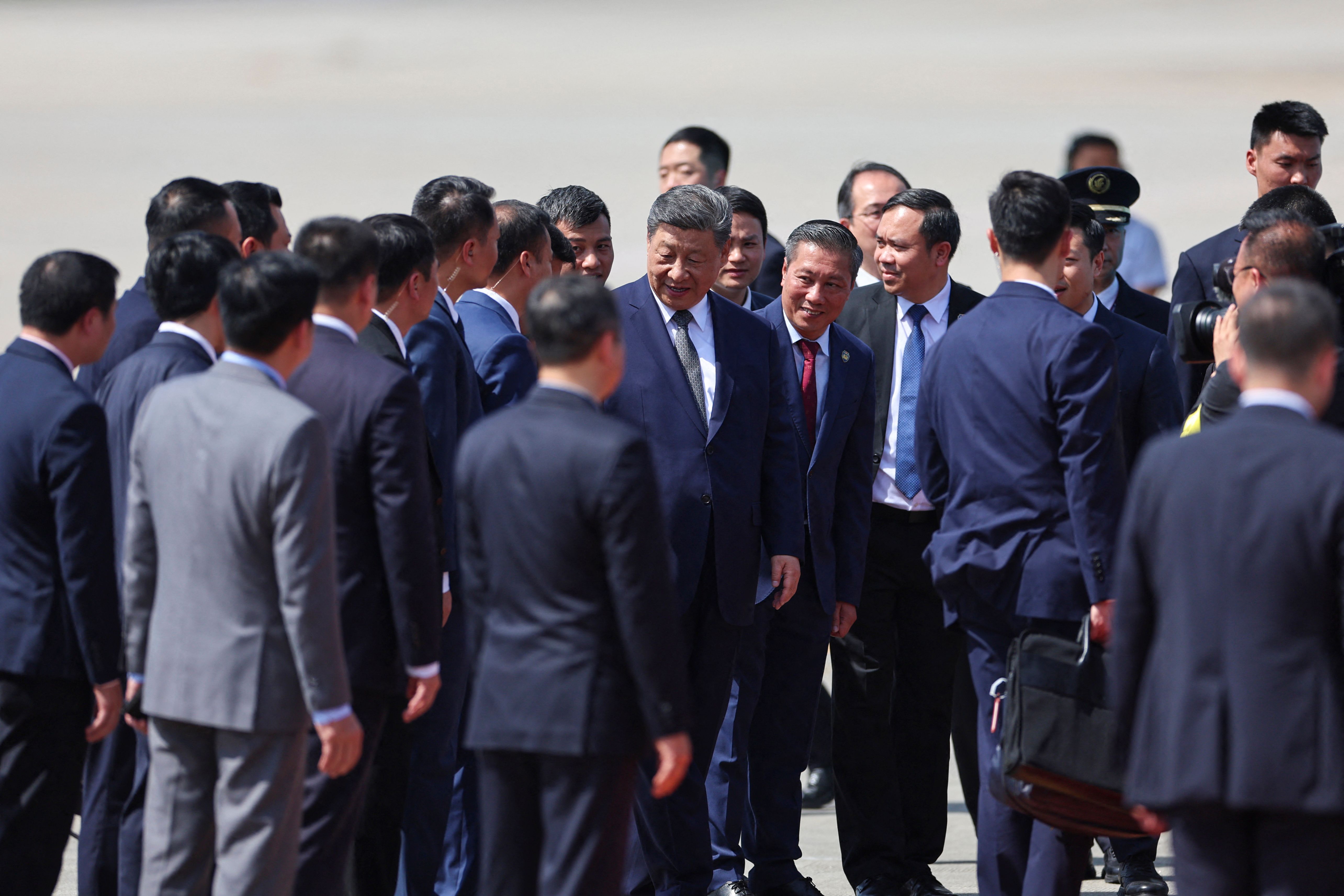
Tapping our network of China experts in the region, Carnegie China offers this latest “China Through a Southeast Asian Lens” report to offer preliminary assessments of whether the U.S. effort to reshape the global trading order will lead countries in the region to tilt toward Beijing.

Selina Ho, Khin Khin Kyaw Kyee, Joseph Ching Velasco, …
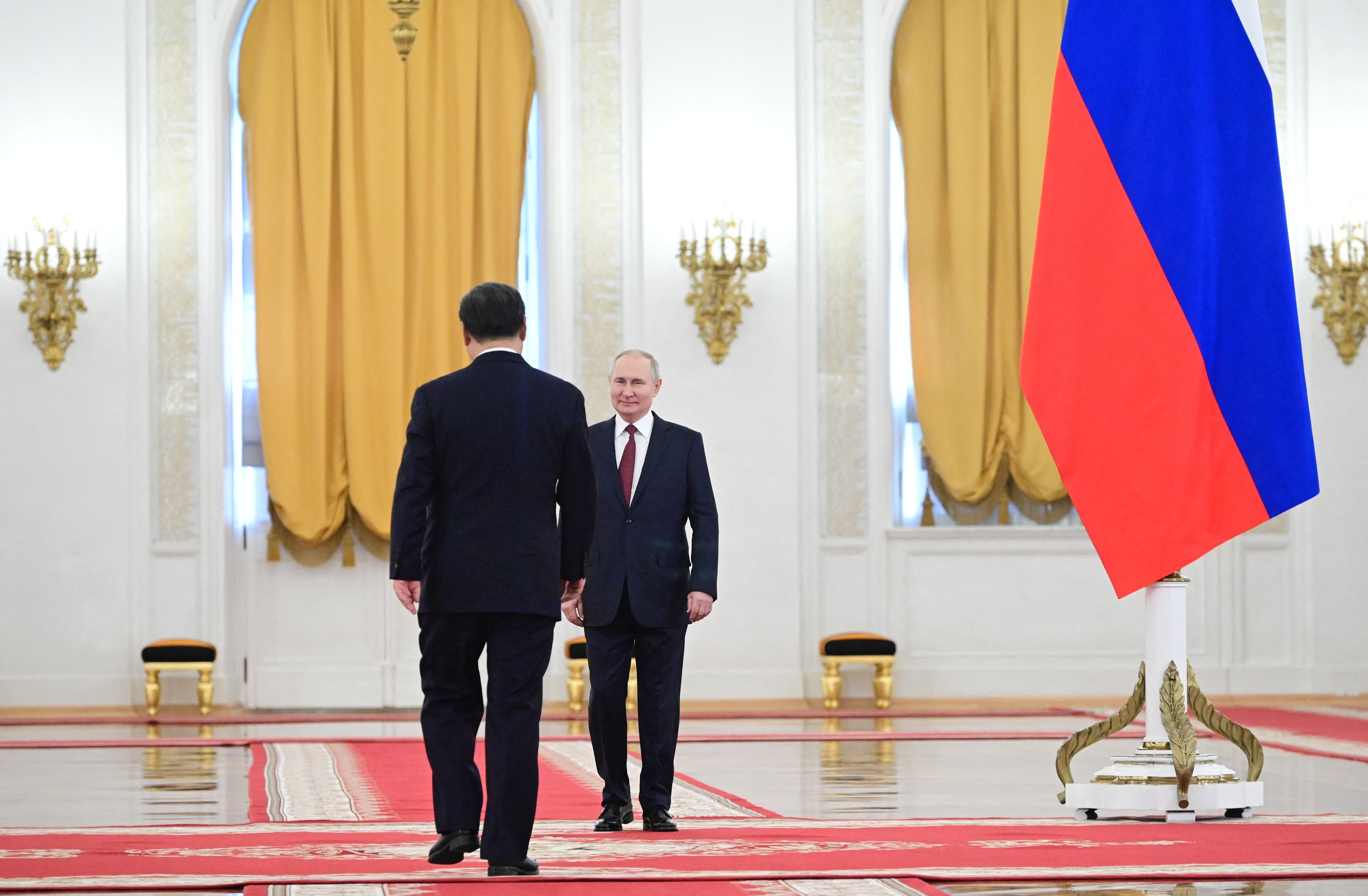
Beijing is trying to navigate the overall situation regarding Ukraine, especially the substance of interactions between Washington and Moscow.

Ellen Nakashima, Zhao Long, Pavlo Klimkin, …