

Research
- +6
Yasmine Farouk, Nathan J. Brown, Maysaa Shuja Al-Deen, …
{
  "authors": [
    "Michele Dunne"
  ],
  "type": "legacyinthemedia",
  "centerAffiliationAll": "dc",
  "centers": [
    "Carnegie Endowment for International Peace"
  ],
  "collections": [],
  "englishNewsletterAll": "menaTransitions",
  "nonEnglishNewsletterAll": "",
  "primaryCenter": "Carnegie Endowment for International Peace",
  "programAffiliation": "MEP",
  "programs": [
    "Middle East"
  ],
  "projects": [],
  "regions": [
    "Middle East",
    "Egypt"
  ],
  "topics": [
    "Political Reform"
  ]
}
Source: Getty
When it happens, it will rock the world, at least briefly: octogenarian Hosni Mubarak, President of the largest Arab country for over a quarter century, will leave office, either by his own decision or that of Providence, probably within the next three years. So far, few in the West have paid much attention. But Egyptians certainly are getting ready, and we should do so as well.
Source: American Interest

The question is not so much one of stability. Few expect a succession in Egypt to be violent. And Egypt’s basic strategic orientation (allied with the United States, at peace with Israel, working on behalf of regional stability) is unlikely to change. What is at issue, rather, is how seriously a new leader will pursue domestic political and economic reforms, which are critical to revitalizing a nation of eighty million that is slipping further and further behind in global competitiveness. While sudden, radical change is unlikely, most Egyptians are hoping that a new leadership will re-open the window for political reform that emerged briefly in 2004–05, which was then slammed shut when the country’s main opposition movement, the Muslim Brotherhood, did well in parliamentary elections.

Former Nonresident Scholar, Middle East Program
Michele Dunne was a nonresident scholar in Carnegie’s Middle East Program, where her research focuses on political and economic change in Arab countries, particularly Egypt, as well as U.S. policy in the Middle East.
Recent Work



Yasmine Farouk, Nathan J. Brown, Maysaa Shuja Al-Deen, …
Robert Springborg, Emile Hokayem, Becca Wasser, …
Carnegie does not take institutional positions on public policy issues; the views represented herein are those of the author(s) and do not necessarily reflect the views of Carnegie, its staff, or its trustees.
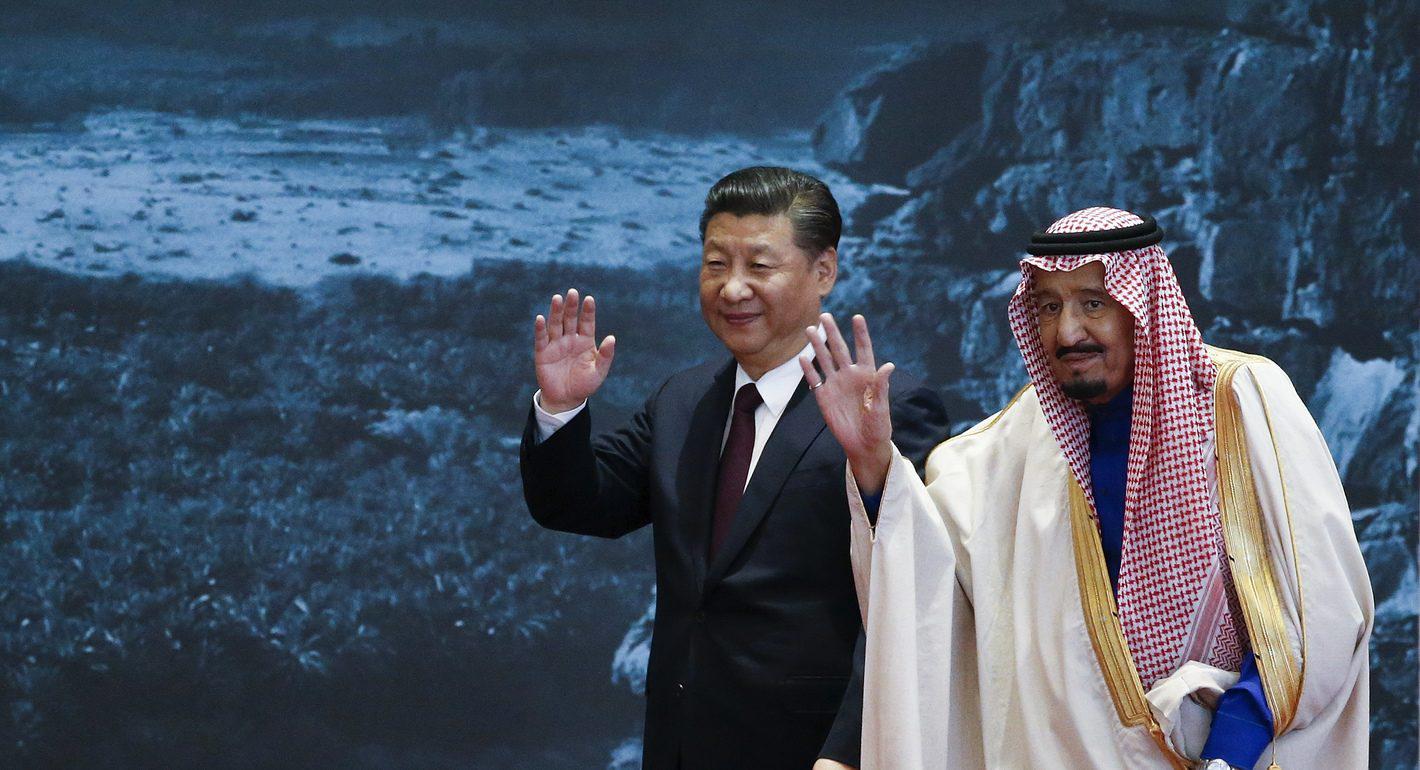
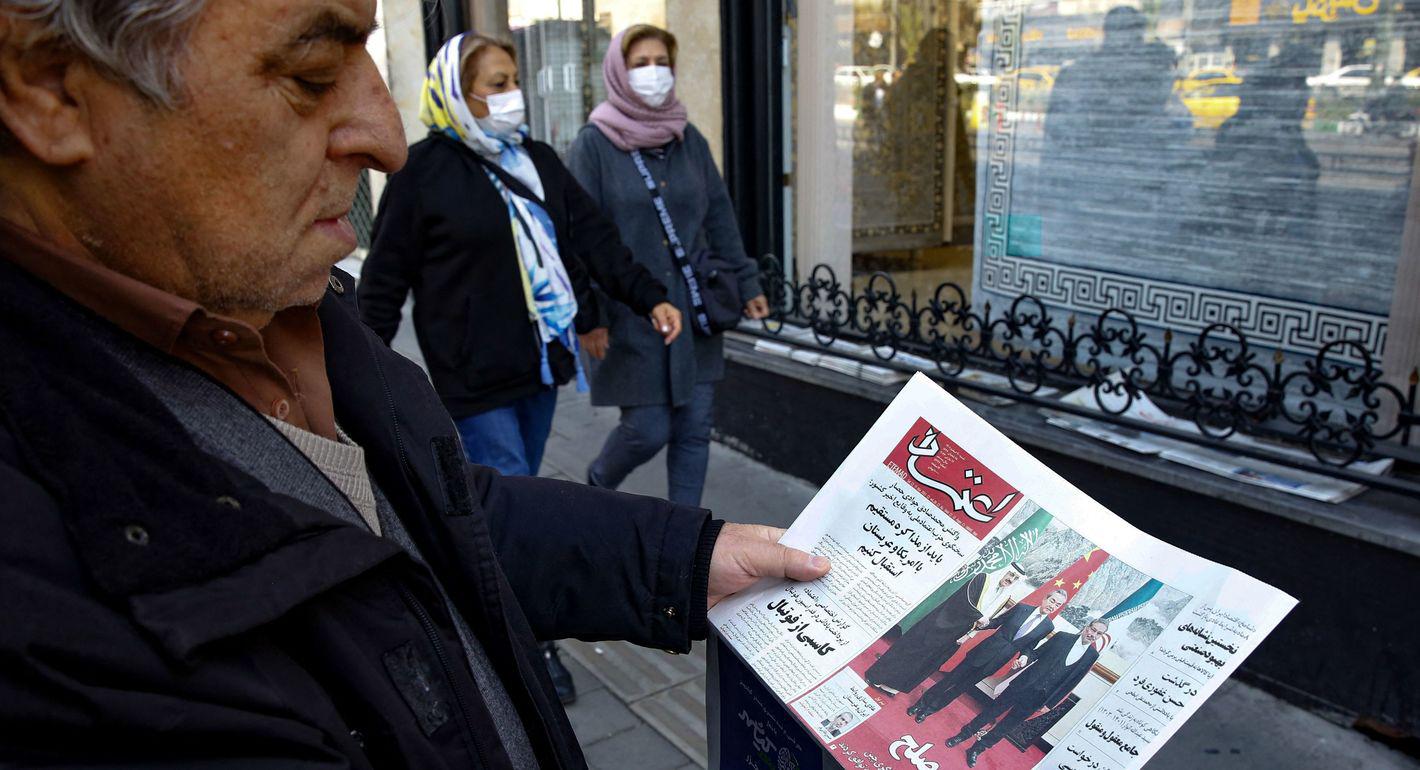
The advantage that China has over other global powers, especially America, is that its foreign policy is closely aligned with those of many of the Middle Eastern countries.


Jin Liangxiang, Maha Yahya, Hesham Alghannam
Transactional relationships are stable but can be shallow.

Paul Haenle, Maha Yahya, Benjamin Ho, …
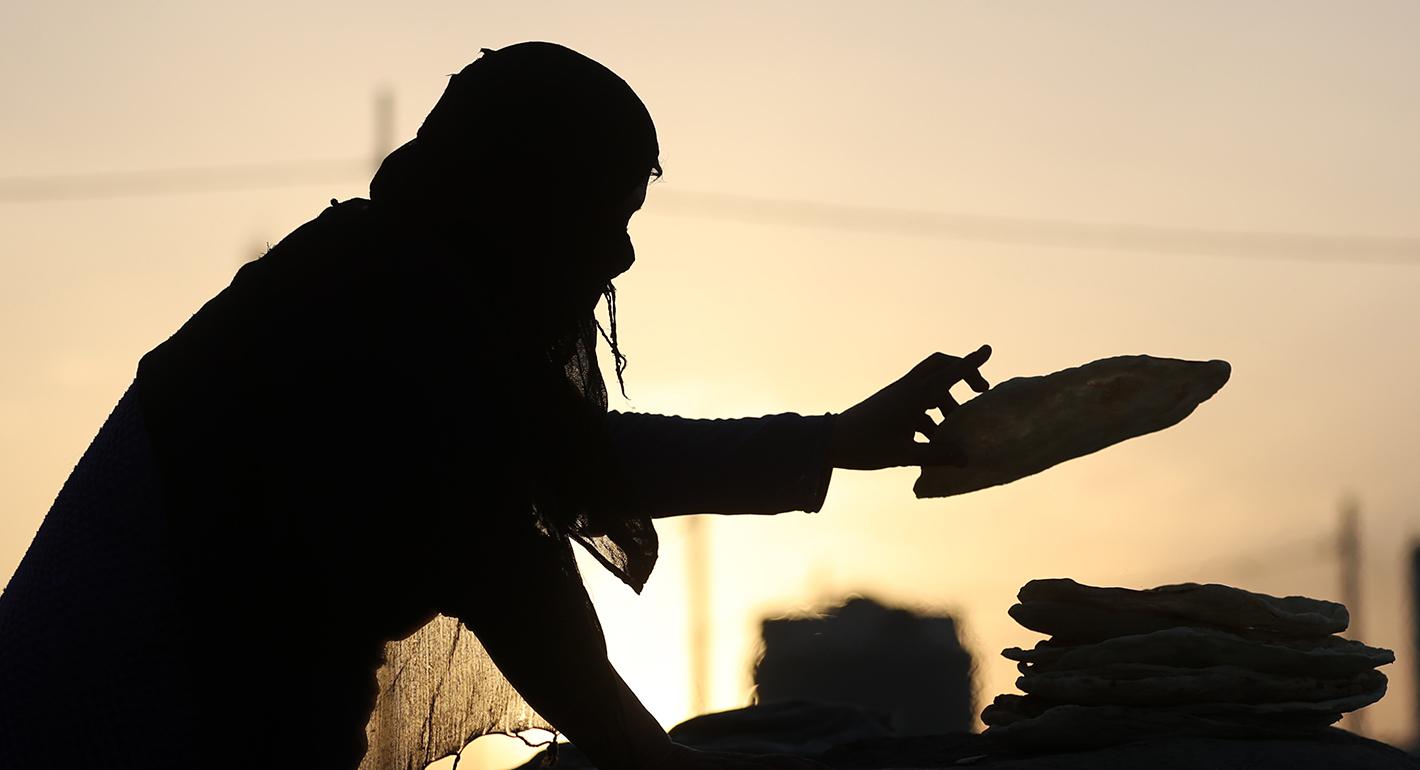
It’s about managing oil prices, bread prices, and strategic partnerships.



Amr Hamzawy, Karim Sadjadpour, Aaron David Miller, …
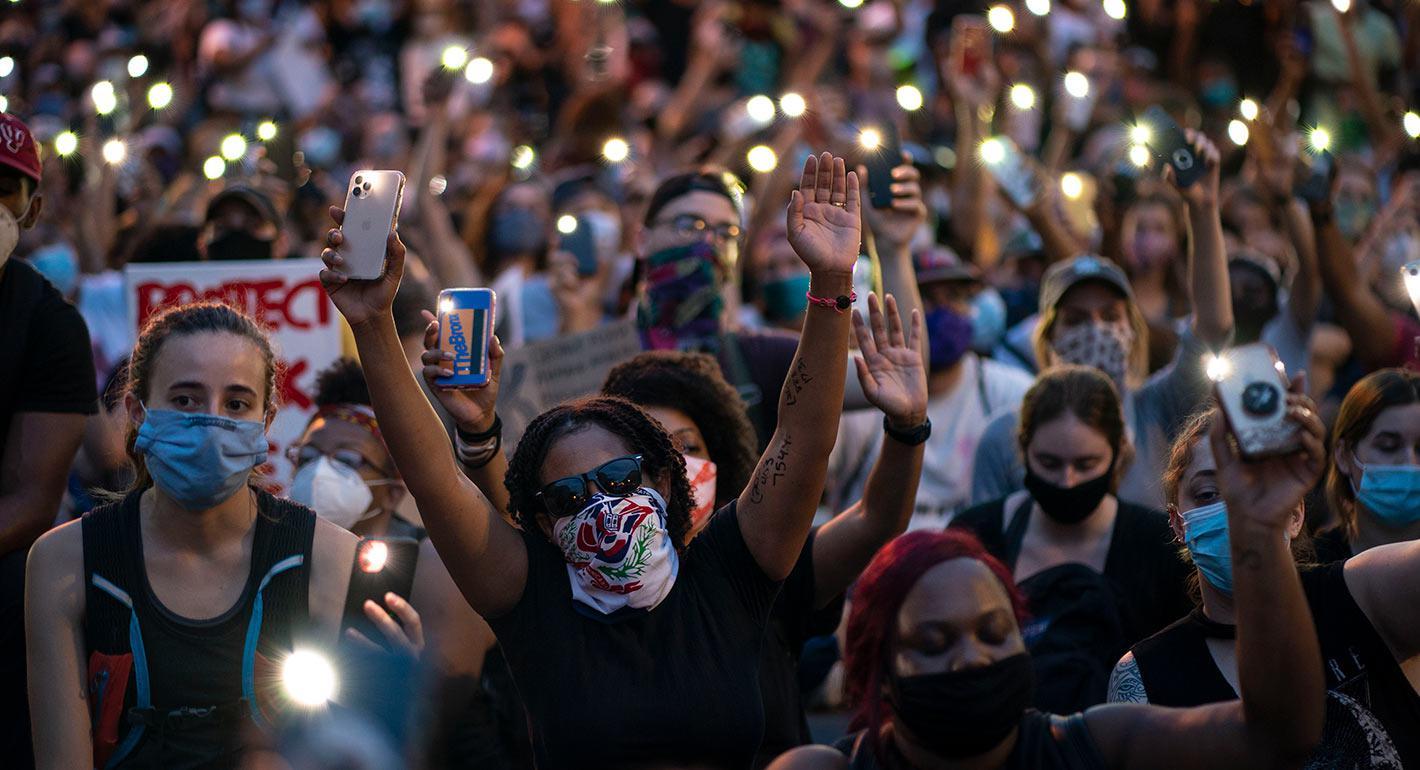
The murder of George Floyd has underscored the deep inequities that have long plagued American society. In a note to the Carnegie community, Bill Burns reflects on Carnegie’s commitment to build a more just future here at home and around the world, without which peace will remain beyond our grasp.
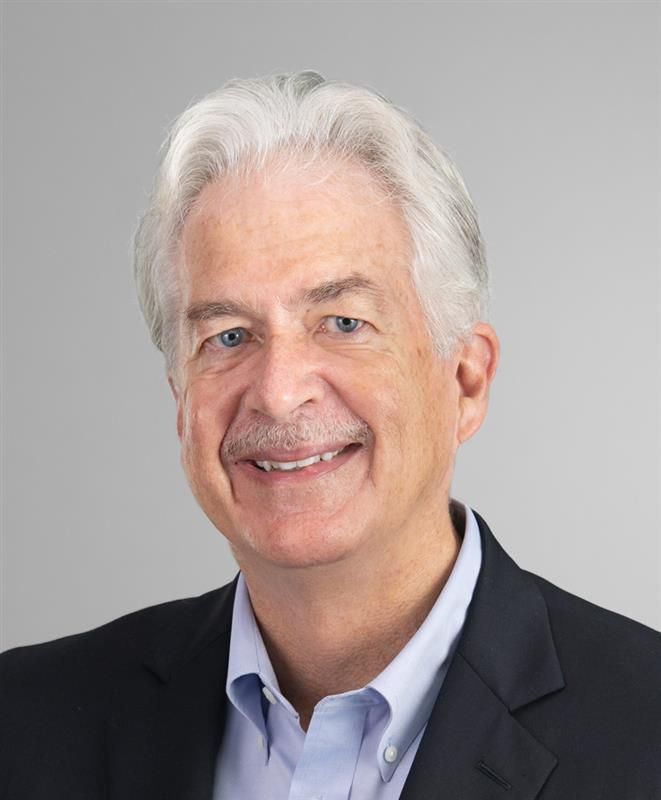
William J. Burns
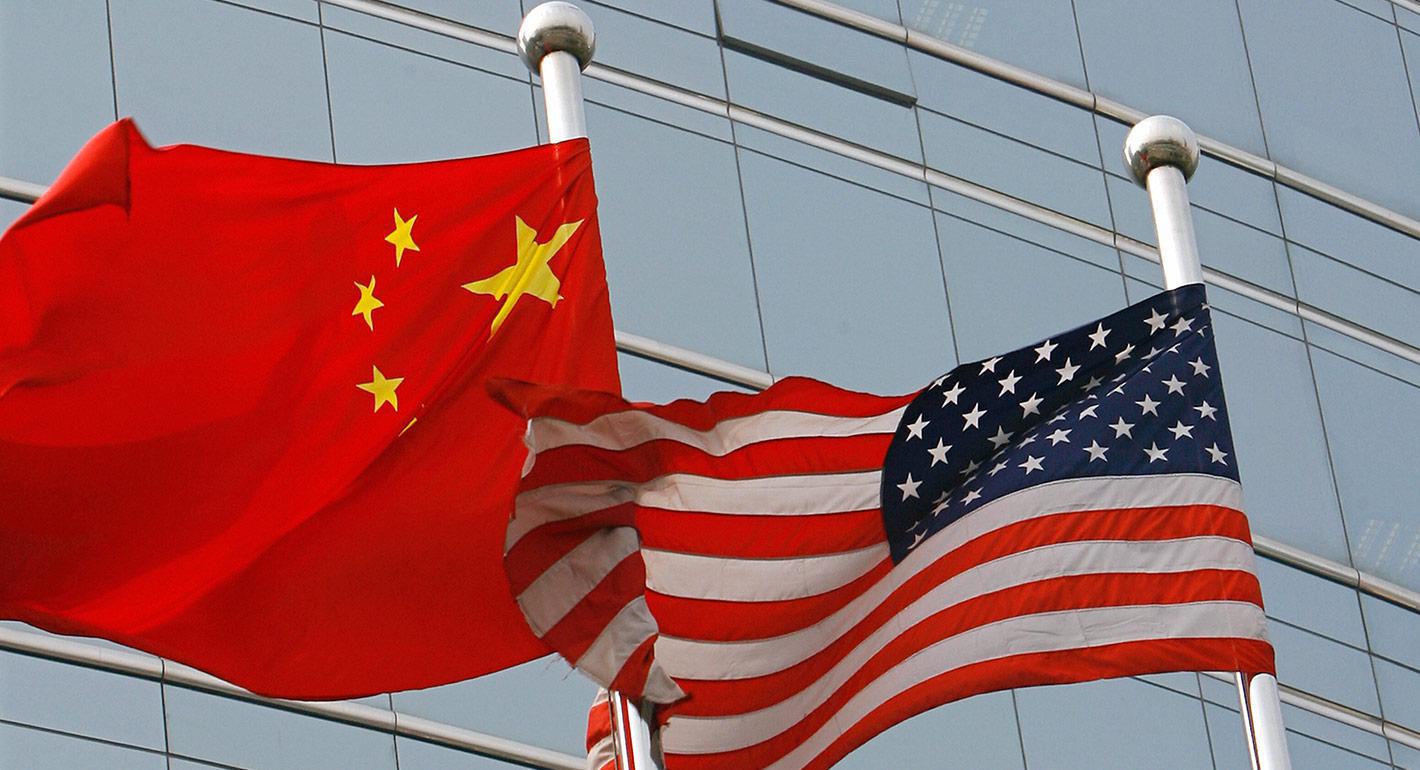
While the world hoped this pandemic might lead to more cooperation between these two great powers, American and Chinese leaders instead fell into a blame game and allowed their increasing suspicions to guide their decision-making.
Lyu Jinghua