

Commentary
But their "principal to principal" model will only be as effective as the political strength of each leader back home.
Damien Ma
{
  "authors": [],
  "type": "pressRelease",
  "centerAffiliationAll": "",
  "centers": [
    "Carnegie Endowment for International Peace"
  ],
  "collections": [],
  "englishNewsletterAll": "",
  "nonEnglishNewsletterAll": "",
  "primaryCenter": "Carnegie Endowment for International Peace",
  "programAffiliation": "",
  "programs": [],
  "projects": [],
  "regions": [
    "North America",
    "United States"
  ],
  "topics": []
}
REQUIRED IMAGE
The Carnegie Endowment for International Peace is pleased to announce the sale of its award-winning magazine, Foreign Policy, to The Washington Post Company.
WASHINGTON, Sept 29—The Carnegie Endowment for International Peace is pleased to announce the sale of its award-winning magazine, Foreign Policy, to The Washington Post Company.
Announcing the move, Jessica T. Mathews, president of the Endowment said:
“Since its founding in 1910 the Carnegie Endowment has made a tradition of recognizing when its initiatives reach a point where they need new circumstances to continue to grow. A good example is the departure of the Endowment’s migration program in 2001. The program had grown so large that it needed to stand on its own. As the independent Migration Policy Institute (MPI), it has since become an internationally known success.
The same has become true of Foreign Policy magazine. Ten years ago we set out to turn a good professional journal into a new kind of magazine for a much wider circle of readers. Under Moises Naím’s inspired direction, we have done so with numerous awards for editorial excellence, an expanding readership and many international editions. Now Foreign Policy, too, needs a wider horizon that only a commercial publisher can provide.
“We are extremely proud that the magazine’s achievements and great future potential have been recognized by The Washington Post Company. In terms of brand, editorial values and business strengths it is simply impossible to imagine a better home for Foreign Policy.”
Moises Naím, Foreign Policy’s editor-in-chief said:
“FP would have not grown into the successful operation it is today without the unwavering support of the Carnegie Endowment. It is indeed bittersweet to part with such a generous and prestigious organization. But with the backing of The Washington Post Company, FP will be even better placed to deliver and grow the unique coverage and analysis of the ideas and issues shaping our world for which the magazine has become well known".
###

Carnegie does not take institutional positions on public policy issues; the views represented herein are those of the author(s) and do not necessarily reflect the views of Carnegie, its staff, or its trustees.

But their "principal to principal" model will only be as effective as the political strength of each leader back home.

Damien Ma

U.S. unpredictability has allowed China to capitalize on its positioning as the “responsible great power”. Paradoxically, the more China wins the perception game, the more likely expectations will rise for Beijing to deliver not just words but to demonstrate with its deeds.

Chong Ja Ian

For Malaysia, the conjunction that works is “and” not “or” when it comes to the United States and China.

Elina Noor

Regulation, not embargo, allows Beijing to shape how other countries and firms adapt to its terms.

Alvin Camba
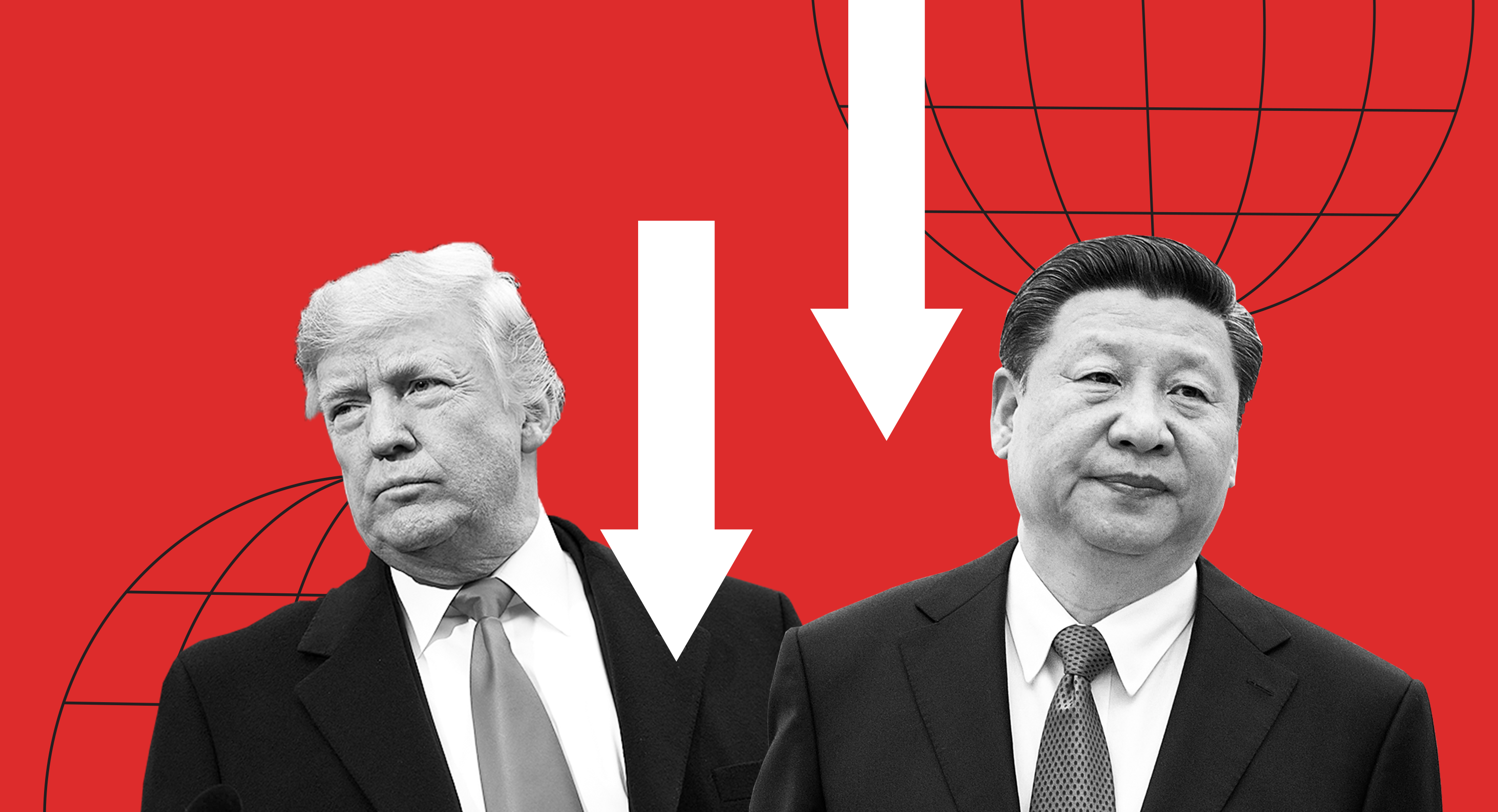
Beijing believes that Washington is overestimating its own leverage and its ability to handle the trade war’s impacts.


Rick Waters, Sheena Chestnut Greitens