

Article
China has showcased its engineering prowess with small modular reactor demonstration projects. But turning these technological achievements into commercial success will be a greater challenge.
Tong Zhao
{
  "authors": [],
  "type": "pressRelease",
  "centerAffiliationAll": "",
  "centers": [
    "Carnegie Endowment for International Peace"
  ],
  "collections": [],
  "englishNewsletterAll": "",
  "nonEnglishNewsletterAll": "",
  "primaryCenter": "Carnegie Endowment for International Peace",
  "programAffiliation": "",
  "programs": [],
  "projects": [],
  "regions": [],
  "topics": [
    "Economy",
    "Trade"
  ]
}
REQUIRED IMAGE
Robert E. B. Lucas finds in a new report that the net impact of migration is positive for the migrants and high-income countries, and more gains are feasible. At the same time, he finds more ambiguous effects on developing countries, which may suffer from growing brain-drain; only temporary migration among southern hemisphere countries seemed to provide clear benefits.
WASHINGTON, Oct 14—As globalization spread dramatically over the last twenty years, migration expanded less rapidly than either trade or foreign investment. Yet migration remains contentious, often being blamed for income stagnation, even as some economists praise it as the fastest route to raising world incomes. The reality is more limited and nuanced.
Money sent by migrants to their home countries can promote rapid growth in developing regions, and the withdrawal of laborers can induce higher wages or less underemployment for those left behind. However, the flow of money can dry up quickly and unexpectedly, as has happened recently in Mexico.
Robert E. B. Lucas finds in a new report that the net impact of migration is positive for the migrants and high-income countries, and more gains are feasible. At the same time, he finds more ambiguous effects on developing countries, which may suffer from growing brain-drain; only temporary migration among southern hemisphere countries seemed to provide clear benefits.
Key findings:
Lucas concludes:
“The net potential gains to migrants entering the industrialized countries are extremely high. Yet the impacts of any additional migrations on the incomes of those left at home and of natives in the host countries are more ambiguous. While migrants are clearly the big winners, others may even lose.”
###

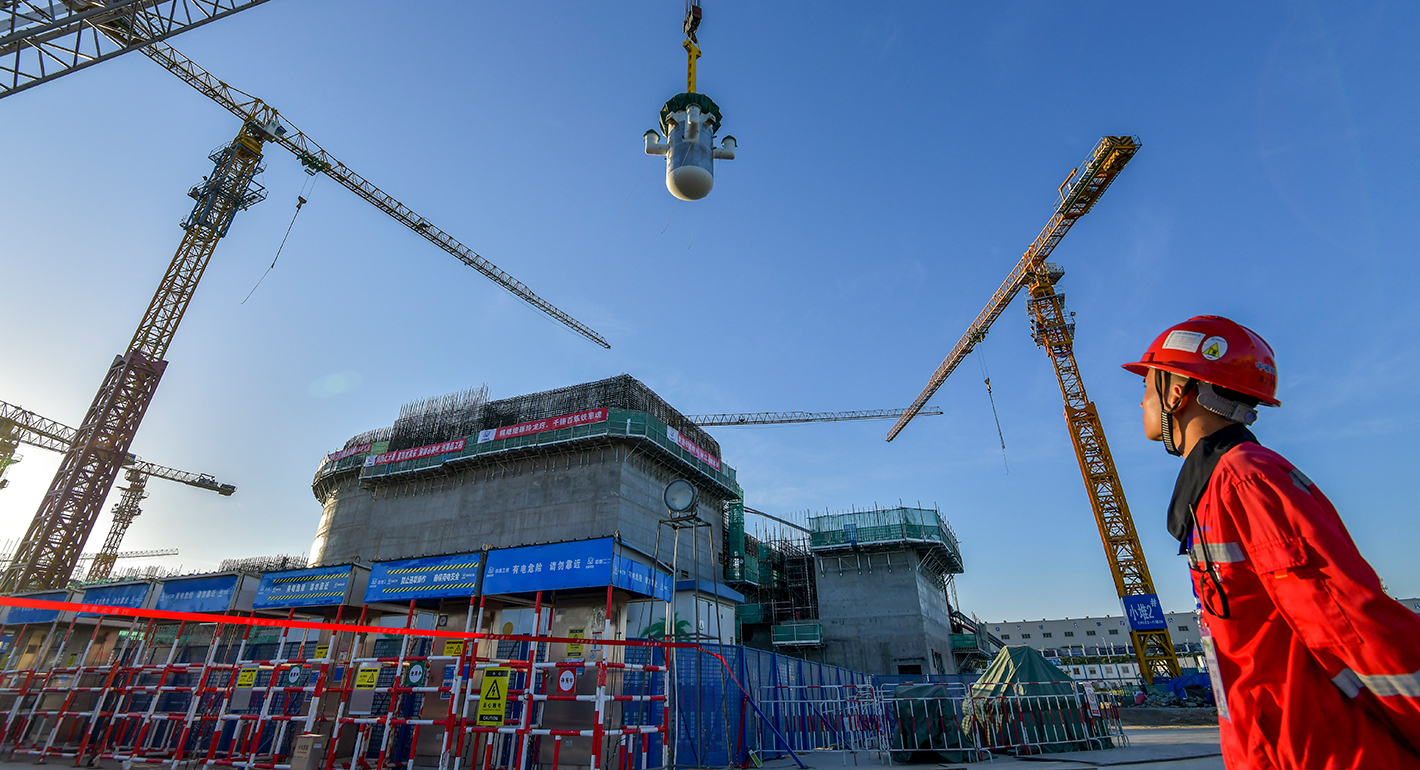
China has showcased its engineering prowess with small modular reactor demonstration projects. But turning these technological achievements into commercial success will be a greater challenge.

Tong Zhao

The Plaza Accord was not an externally imposed punishment of Japan but part of a broader restructuring that Japanese economists and policymakers themselves recognized was necessary. Its effects were undermined, however, when Tokyo responded to the resulting slowdown with policies that exacerbated investment, credit expansion, and the very imbalances the adjustment was intended to resolve.

Michael Pettis
China’s banking crisis in the 2000s was resolved by transferring the costs to households through financial repression—a decision that recapitalized the banks while exacerbating the structural imbalances that continue to shape the Chinese economy today.
Michael Pettis

In the latest Five-Year Plan, the Chinese president cements the shift to an innovation-driven economy over a consumption-driven one.

Damien Ma

Regulation, not embargo, allows Beijing to shape how other countries and firms adapt to its terms.

Alvin Camba