

Commentary
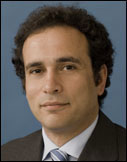
Amr Hamzawy
{
  "authors": [
    "Amr Hamzawy"
  ],
  "type": "legacyinthemedia",
  "centerAffiliationAll": "dc",
  "centers": [
    "Carnegie Endowment for International Peace"
  ],
  "collections": [],
  "englishNewsletterAll": "menaTransitions",
  "nonEnglishNewsletterAll": "",
  "primaryCenter": "Carnegie Endowment for International Peace",
  "programAffiliation": "MEP",
  "programs": [
    "Middle East"
  ],
  "projects": [],
  "regions": [
    "Middle East",
    "North Africa",
    "Egypt"
  ],
  "topics": [
    "Political Reform"
  ]
}
Source: Getty
Amr Hamzawy reflects on the challenges of being a public commentator in the Middle East and the temptation to play both sides of the debate.
Source: Al Ahram Weekly Issue No. 917

For starters, I discovered that the views I hold so dearly, both as an academic and political analyst, do not always match what I say or write. The gap between the two is disconcerting for someone who values integrity as much as I do, and it may lead to dire conclusions. Perhaps I am not the only one among Arab scholars who has experienced this dilemma. We all aspire to offer the best analysis we can, but it is hard sometimes to challenge the basic premises of an entire people.
Although the questions of democracy, pluralism, political freedom, and human rights in Arab societies have taken the best part of my intellectual and academic effort, I found my analysis was too focussed on a single question; namely, how non-violent opposition movements can generate enough pressure on governing elites to bring about democracy, the rotation of power, competitive elections, citizen participation, and all the rest.
One thing I failed to examine adequately was the nature of the opposition. Be they Islamic, liberal or leftist, our opposition groups have a disturbing block when it comes to introducing democracy in their own organisations. However loud they may denounce the repression of the ruling elites in public, they have little or no respect for democracy in their own backyard.
I had assumed, perhaps mistakenly, that the mere existence of non-violent opposition movements is a plus. I had assumed that having an opposition that is willing to speak out is a step towards democracy. I am starting to have second thoughts about that now. Something tells me that undemocratic opposition movements may not be exactly the best vessel for democratisation. Something tells me that opposition movements who pursue policies of exclusion can be a hindrance, however loudly they may speak for pluralism and the freedom of speech.
While focussing on opposition movements and their activism, I neglected other factors, especially the prevalence of tribal and clan affiliations in our part of the world. We have countries where national identity pales against ethnic, clan or sectarian loyalties. We have legislative and judiciary institutions that have a poor record of protecting citizen rights. With all these institutional shortcomings, perhaps my optimism about democratisation was unwarranted.
I also noticed that I tend all too often to play to the audience, rather than say the right -- and perhaps offensive -- things. You go on television or sit down to write an article with the best of intentions. Then, somewhere along the line, you tone your words down, and thus dilute your own argument.
I could never get myself to stress the importance of secularism as much as I wished to. I couldn't get myself to state flatly that it is a necessary condition for democratisation, pluralism and citizen equality. Instead, I used euphemisms, talked instead about the separation of state and church, and elaborated on civic responsibility, etc.
A commentator worth his salt would have spoken out for prisoners of conscience in our midst; I didn't. I had ample opportunity to speak of the many innocent people languishing to this day in Arab prisons, but I passed. Nor did I speak forcefully enough for the disempowered in our midst -- the women, the religious and ethnic minorities, or those whose personal life conflicts with tradition. I am pained by my silence on imprisoned Syrian intellectuals and activists and on the case of my friend Saadeddin Ibrahim, a man who has suffered much and unjustly.
My commitment to democratisation, however unshakable, didn't stop me from playing to the audience. It takes some courage to speak out against the powers that be. It takes even more courage to speak out against the commonly held views of the public. This is why I straddled the fence on secularism. In the process, my analysis became muddled.
I often said things on television that I knew played to the demagogic views of the Arab public. Even when I had my doubts, I found it comforting -- or safer -- to go with the flow. It was easy to denounce the West, malign US and European involvement, even to the point of reducing their entire policy to being one narrow-minded ambition. I did so even when I knew better. I have talked extensively with decision-makers in Western capitals. And I have seen certain willingness for fair debate on Arab matters and democracy, and yet it is easier to speak in terms of black and white.
I also discounted the willingness of some Arab elites to improve economic, social and political conditions in their countries. Even when some elites were sincere in their gradual quest to modernise Arab institutions, I failed to give them credit.
It is prudent to question the sincerity of democratisation in countries such as Tunisia, Egypt, Jordan and Yemen. But Morocco, Iraq and Kuwait may be on to something, and one should keep an open mind about them for now.
I am not offering this as an exercise in professional self-flagellation. I simply believe that certain errors that come with the job of being a commentator or researchers are only too easy to make. So I only hope that an admission of guilt would bring a breath of fresh air into what could otherwise be a vacuum of ill- advised commentary.

Director, Middle East Program
Amr Hamzawy is a senior fellow and the director of the Carnegie Middle East Program. His research and writings focus on Egypt’s and other middle powers’ involvement in regional security in the Middle East, particularly through collective diplomacy and multilateral conflict resolution
Recent Work
Amr Hamzawy
Amr Hamzawy
Carnegie does not take institutional positions on public policy issues; the views represented herein are those of the author(s) and do not necessarily reflect the views of Carnegie, its staff, or its trustees.
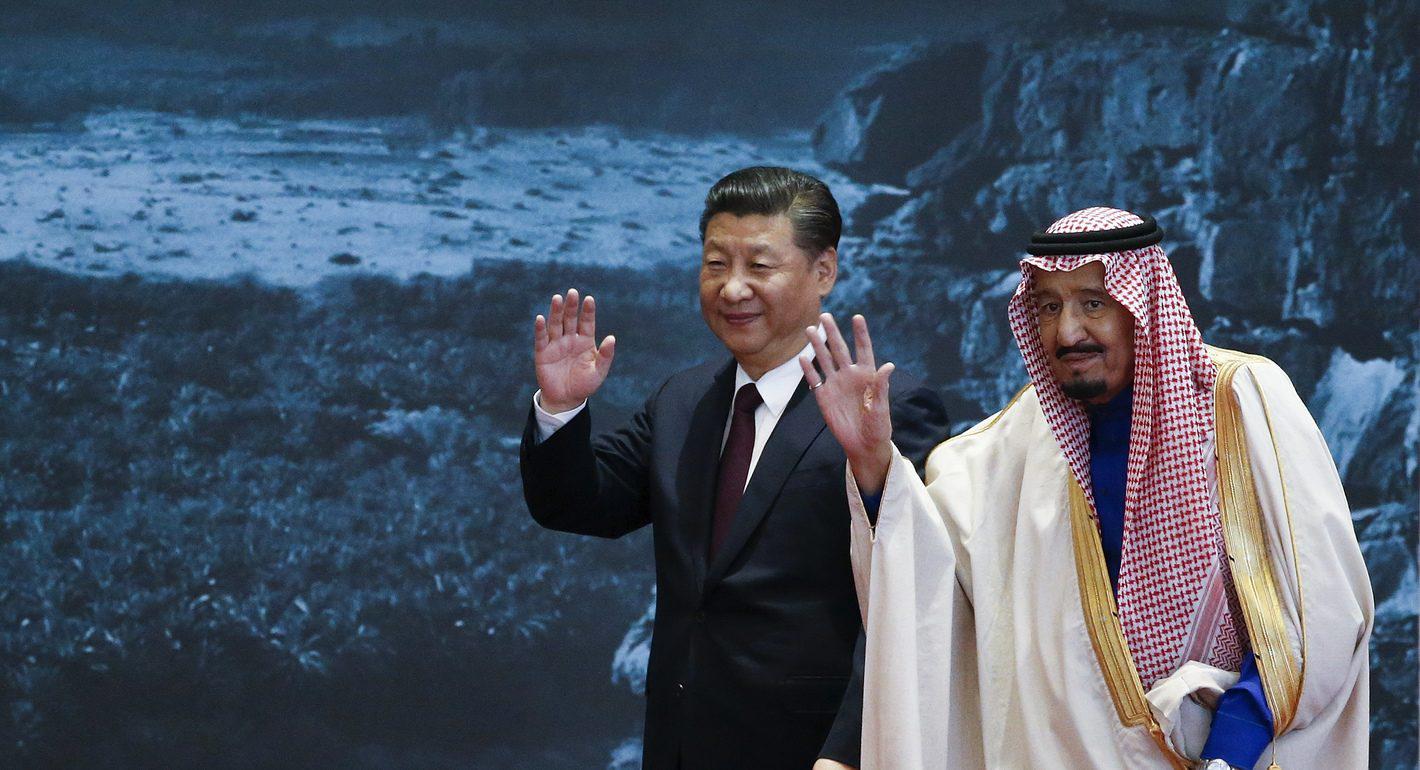
The advantage that China has over other global powers, especially America, is that its foreign policy is closely aligned with those of many of the Middle Eastern countries.


Jin Liangxiang, Maha Yahya, Hesham Alghannam
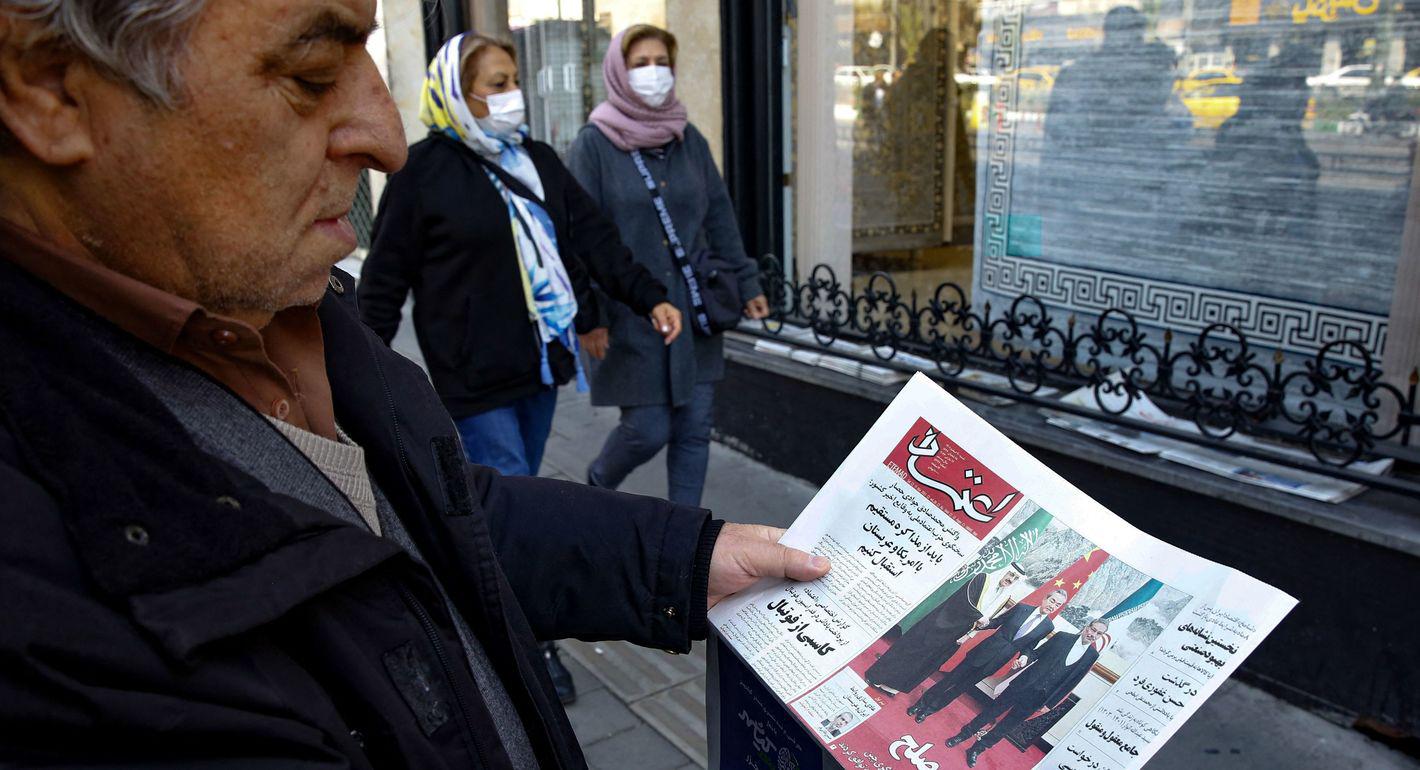
Transactional relationships are stable but can be shallow.

Paul Haenle, Maha Yahya, Benjamin Ho, …
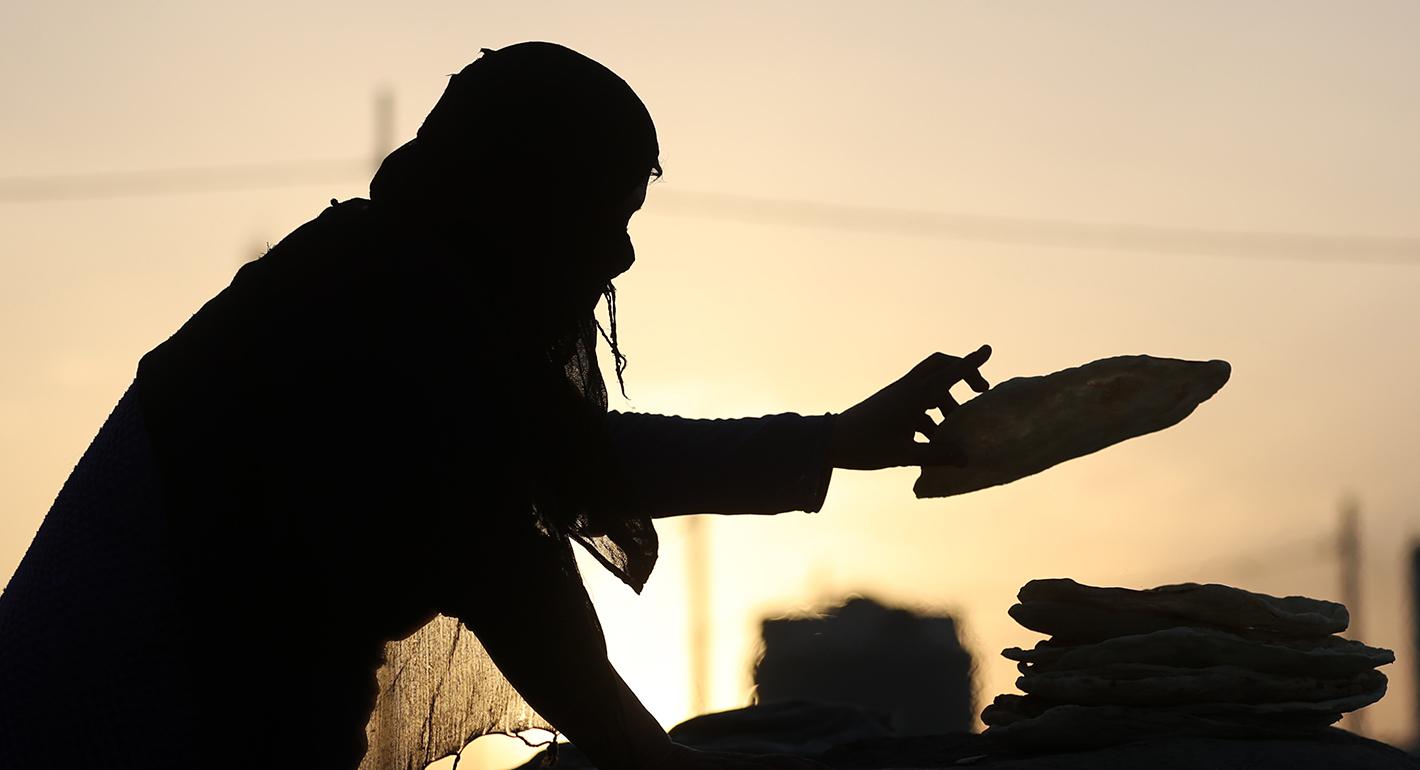
It’s about managing oil prices, bread prices, and strategic partnerships.


Amr Hamzawy, Karim Sadjadpour, Aaron David Miller, …
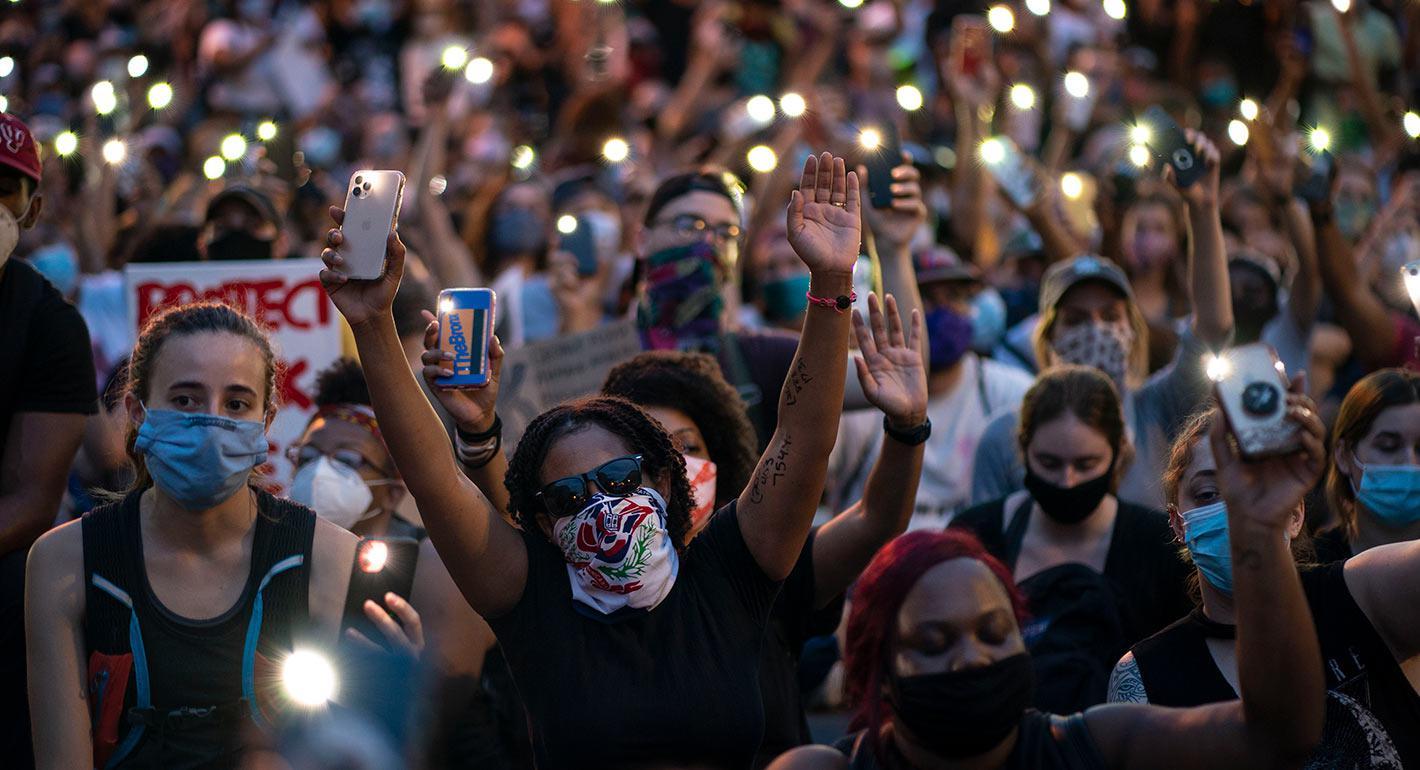
The murder of George Floyd has underscored the deep inequities that have long plagued American society. In a note to the Carnegie community, Bill Burns reflects on Carnegie’s commitment to build a more just future here at home and around the world, without which peace will remain beyond our grasp.
William J. Burns
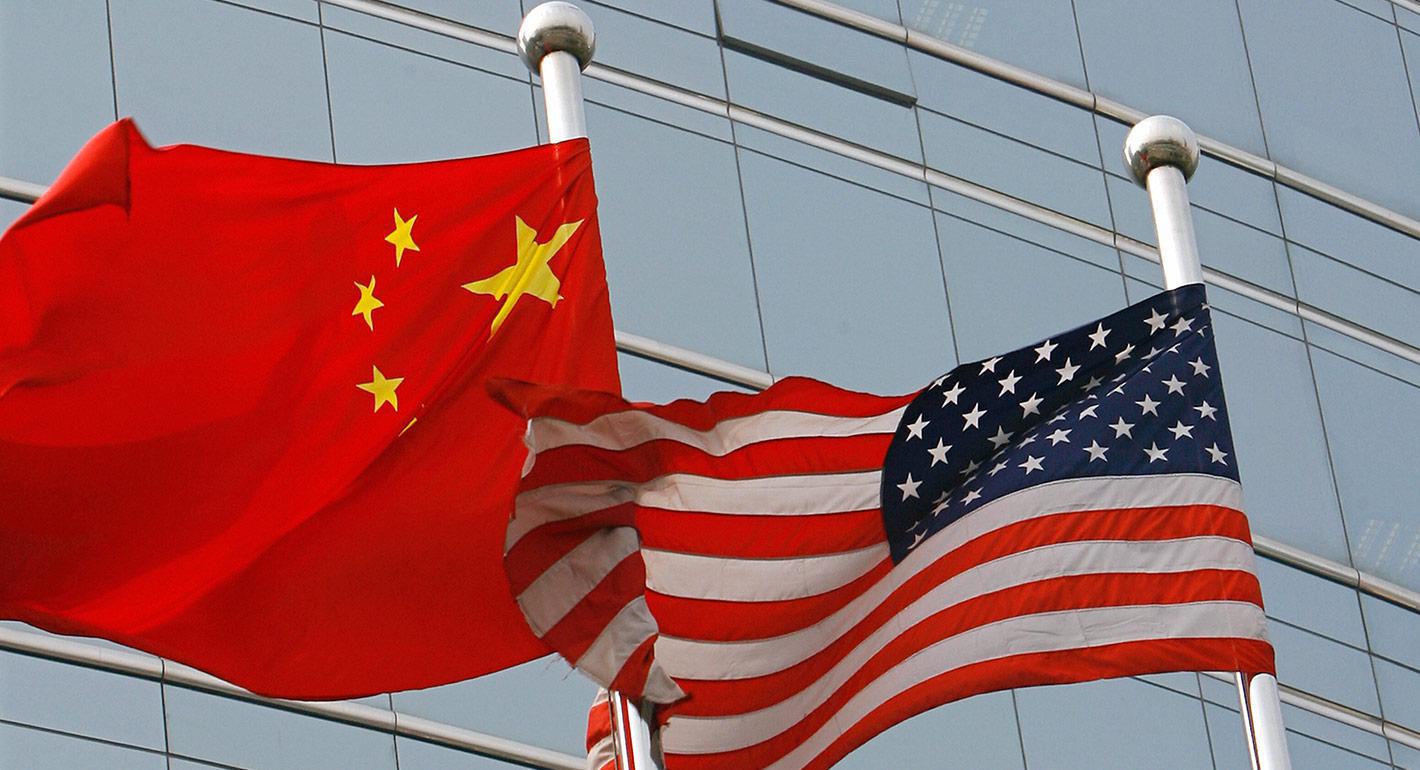
While the world hoped this pandemic might lead to more cooperation between these two great powers, American and Chinese leaders instead fell into a blame game and allowed their increasing suspicions to guide their decision-making.
Lyu Jinghua