

Commentary
Transactional relationships are stable but can be shallow.
- +1
Paul Haenle, Maha Yahya, Benjamin Ho, …
{
  "authors": [],
  "type": "pressRelease",
  "centerAffiliationAll": "dc",
  "centers": [
    "Carnegie Endowment for International Peace"
  ],
  "collections": [],
  "englishNewsletterAll": "menaTransitions",
  "nonEnglishNewsletterAll": "",
  "primaryCenter": "Carnegie Endowment for International Peace",
  "programAffiliation": "MEP",
  "programs": [
    "Middle East"
  ],
  "projects": [],
  "regions": [
    "North Africa",
    "Egypt"
  ],
  "topics": [
    "Political Reform"
  ]
}
REQUIRED IMAGE
Islamist women, increasingly restless with their subordinate status in Egypt’s Muslim Brotherhood, are pushing for greater representation and a wider role.
BEIRUT, Oct 31—Islamist women, increasingly restless with their subordinate status in Egypt’s Muslim Brotherhood, are pushing for greater representation and a wider role, according to a new paper from the Carnegie Middle East Center.
Omayma Abdel-Latif explores the role of women within the movement, including recent debates following the release of the 2007 draft party platform that denied women the right to the country’s top position. She studies the growing impact of young leaders and female activists and examines what type of change is possible, despite major obstacles.
Key conclusions
Abdel-Latif concludes:
“Far from being resolved, the issue of the position of women in the Muslim Brotherhood is at the center of a lively debate. However, there is no evidence that this debate is threatening the unity of the movement. The questioning by women activists of their role, and their call for broader participation in decision-making bodies, are parts of the normal dynamics of change, not signs of a “rebellion of the Sisters,” as some observers described it. The Muslim Brotherhood, like any other sociopolitical movement, is not a static body. It is influenced by the social and political milieu in which it operates.”
###

Carnegie does not take institutional positions on public policy issues; the views represented herein are those of the author(s) and do not necessarily reflect the views of Carnegie, its staff, or its trustees.
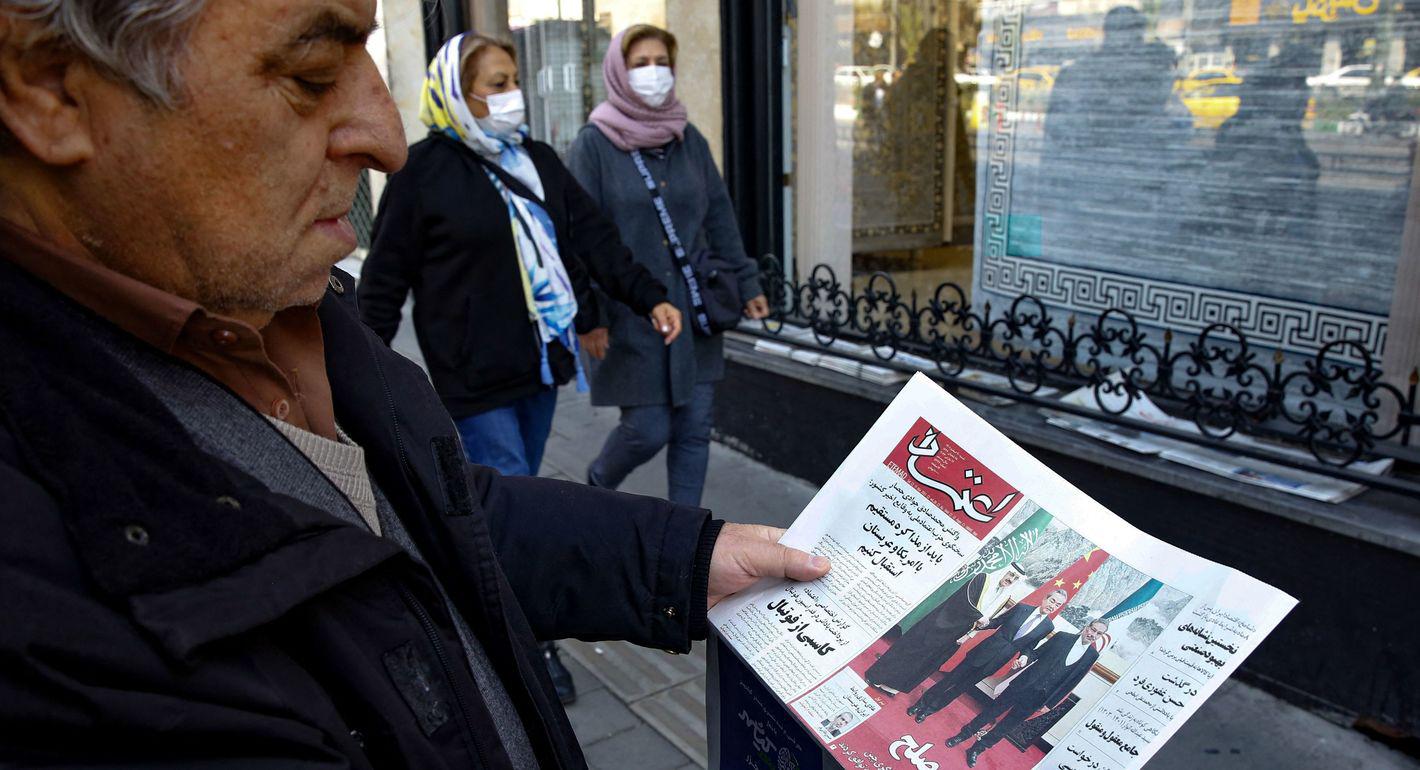
Transactional relationships are stable but can be shallow.



Paul Haenle, Maha Yahya, Benjamin Ho, …
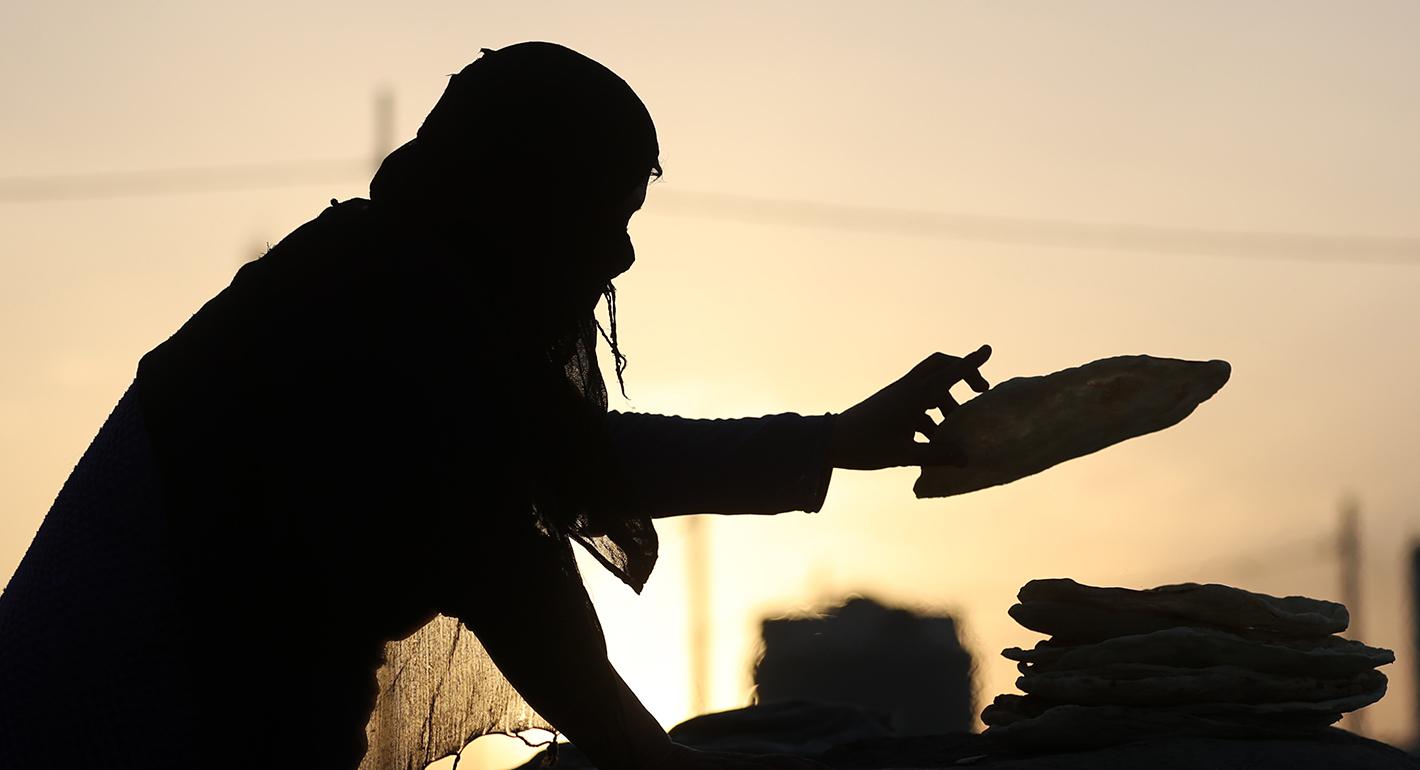
It’s about managing oil prices, bread prices, and strategic partnerships.



Amr Hamzawy, Karim Sadjadpour, Aaron David Miller, …
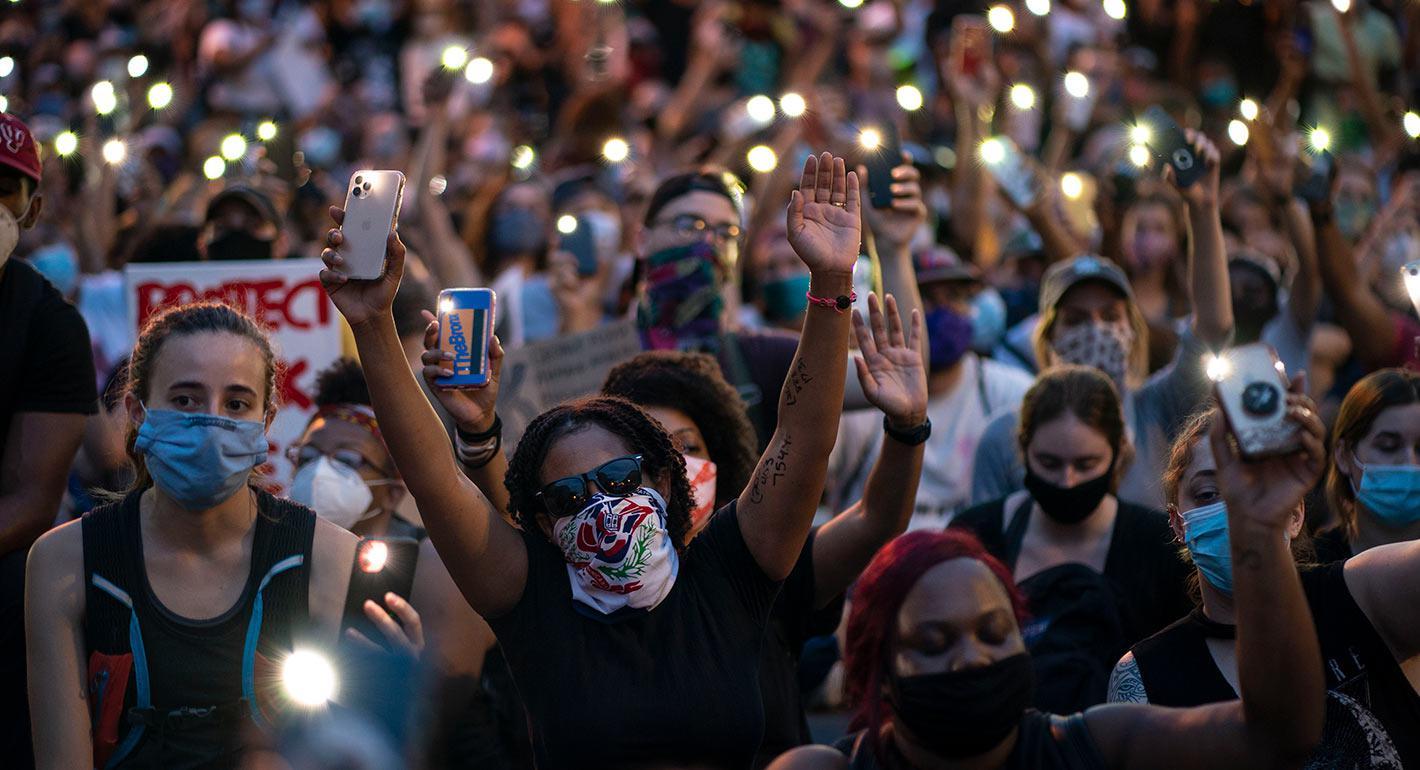
The murder of George Floyd has underscored the deep inequities that have long plagued American society. In a note to the Carnegie community, Bill Burns reflects on Carnegie’s commitment to build a more just future here at home and around the world, without which peace will remain beyond our grasp.
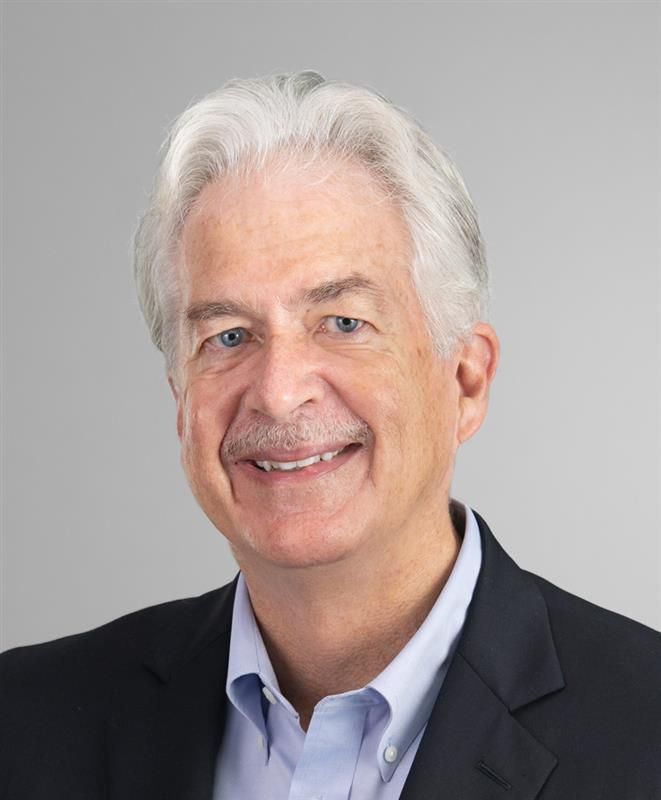
William J. Burns
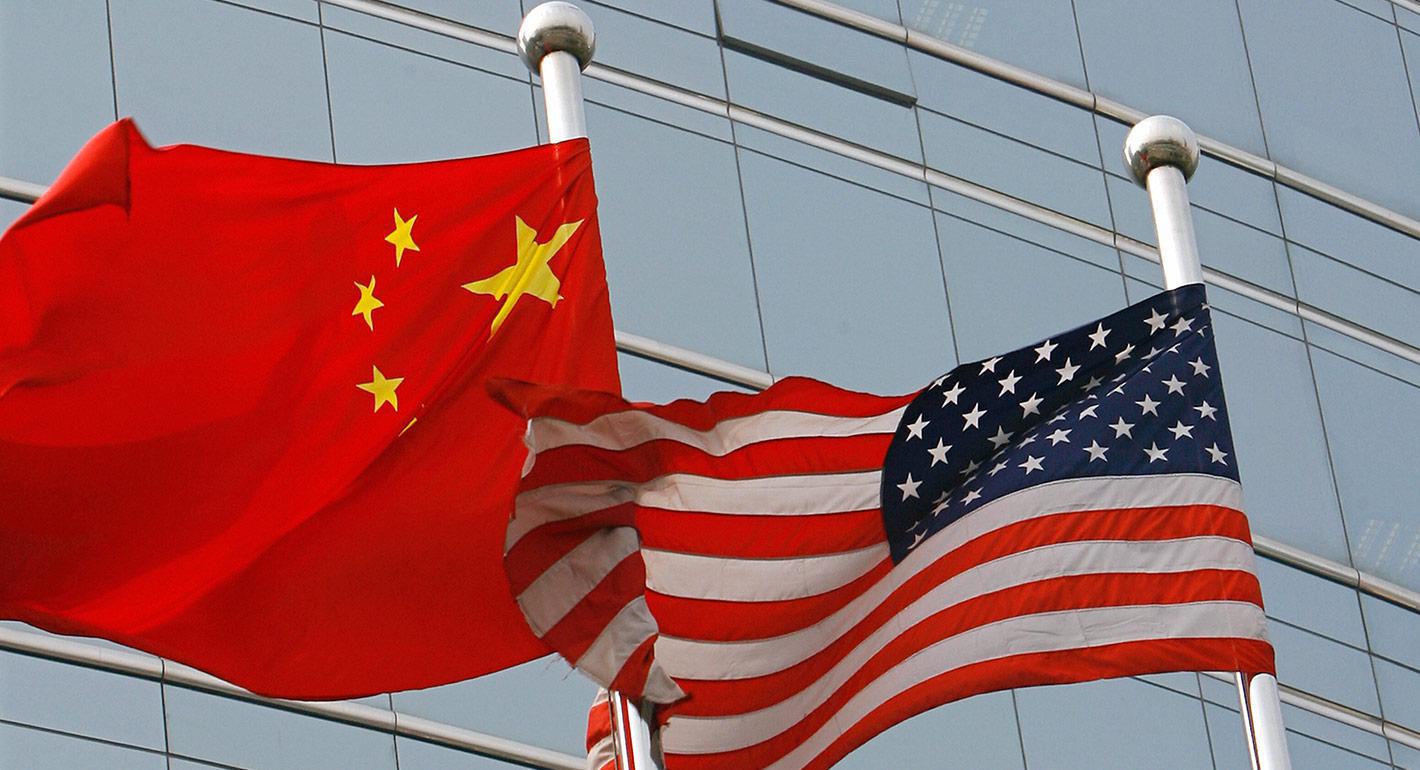
While the world hoped this pandemic might lead to more cooperation between these two great powers, American and Chinese leaders instead fell into a blame game and allowed their increasing suspicions to guide their decision-making.
Lyu Jinghua
Biological viruses and computer malware differ in important respects. They have considerable potential to spread widely, invading, disrupting and destroying their targets.
Ariel (Eli) Levite, Lyu Jinghua