

Q&A
Christopher Boucek
{
  "authors": [
    "Christopher Boucek"
  ],
  "type": "legacyinthemedia",
  "centerAffiliationAll": "",
  "centers": [
    "Carnegie Endowment for International Peace",
    "Carnegie Europe"
  ],
  "collections": [],
  "englishNewsletterAll": "",
  "nonEnglishNewsletterAll": "",
  "primaryCenter": "Carnegie Endowment for International Peace",
  "programAffiliation": "",
  "programs": [],
  "projects": [],
  "regions": [
    "Middle East",
    "Saudi Arabia"
  ],
  "topics": [
    "Security"
  ]
}
Source: Getty
As part of a wider approach to counter-terrorism, Saudi Arabia has implemented an innovative rehabilitation program for the less extreme offenders. Christopher Boucek gives a brief assessment of the program and the lessons the West can learn.
Source: CBC Radio One Dispatches

Saudi leaders responsible for administering the rehabilitation recognize that the young people who are most likely to be recruited by extremist groups need to have alternative options to a life of violence. Speaking to CBC radio, Christopher Boucek explains what lessons other countries can learn from the Saudi experience, criticisms of the program, and how complementary 'hard' counterterrorism measures have helped make the initiative a success.
Of the 3000 participants in the programme, almost half have successfully graduated, and only 45 have been rearrested. Boucek awknowledged that while this is a very high success rate, it is likely to fall as the programme expands. Similar strategies to combat extermism have been adopted around the world, including in Scandanavia to combat neo-nazism.

Former Associate, Middle East Program
Boucek was an associate in the Carnegie Middle East Program where his research focused on security challenges in the Arabian Peninsula and Northern Africa.
Recent Work
Christopher Boucek

Christopher Boucek, Karim Sadjadpour
Carnegie does not take institutional positions on public policy issues; the views represented herein are those of the author(s) and do not necessarily reflect the views of Carnegie, its staff, or its trustees.

The Thai-Cambodian conflict highlights the limits to China's peacemaker ambition and the significance of this role on Southeast Asia’s balance of power.

Pongphisoot (Paul) Busbarat
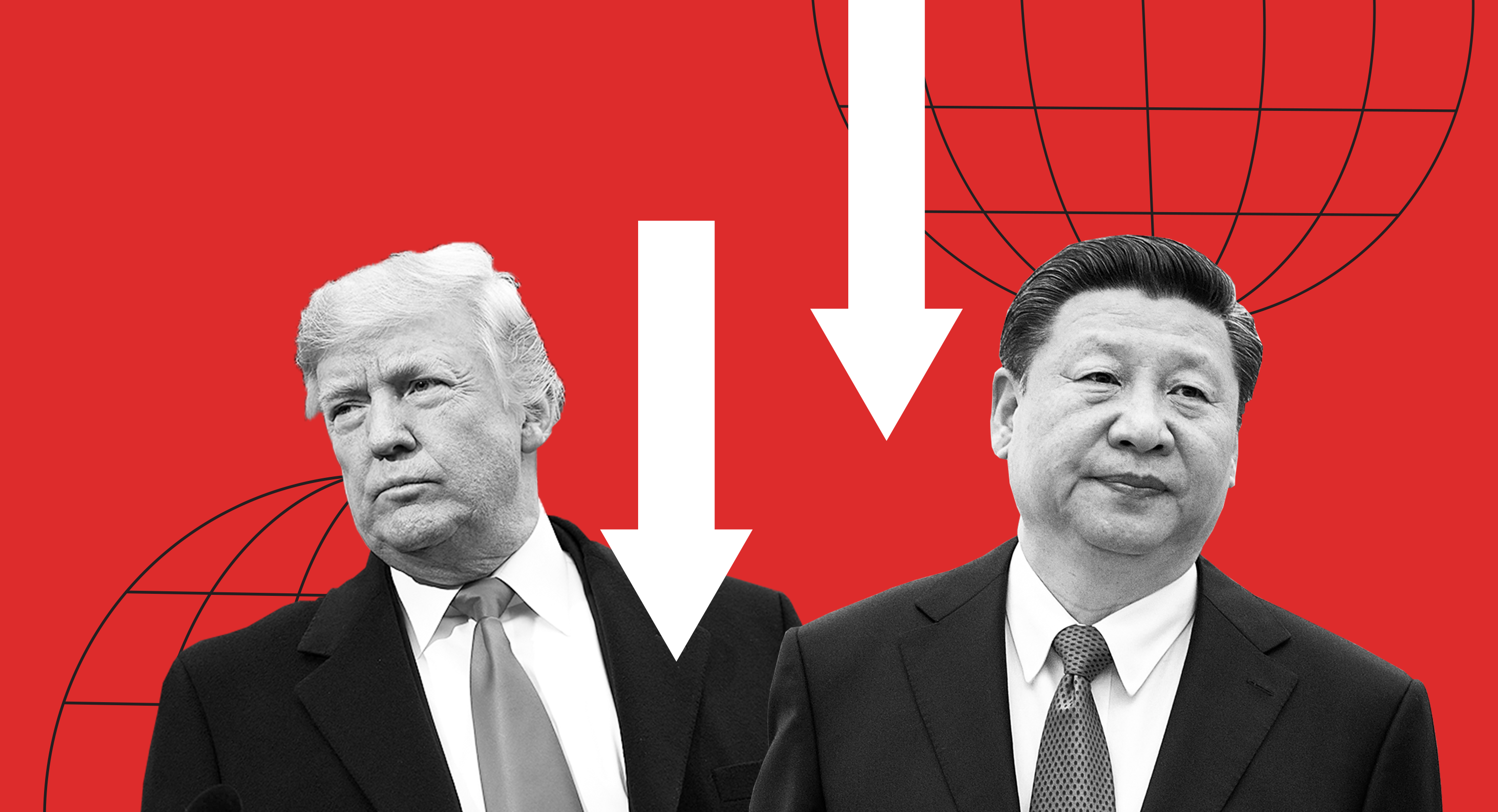
Beijing believes that Washington is overestimating its own leverage and its ability to handle the trade war’s impacts.


Rick Waters, Sheena Chestnut Greitens
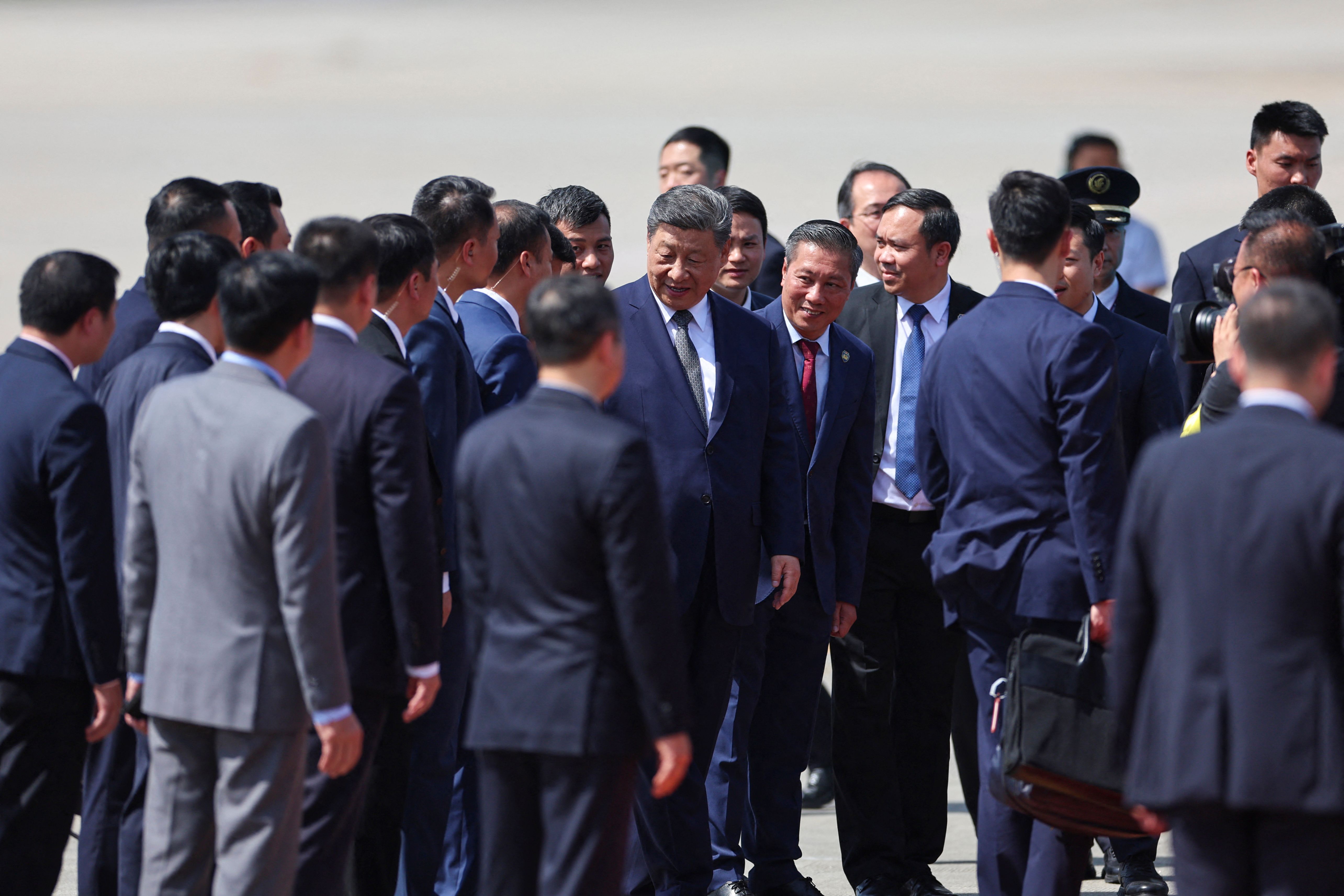
Tapping our network of China experts in the region, Carnegie China offers this latest “China Through a Southeast Asian Lens” report to offer preliminary assessments of whether the U.S. effort to reshape the global trading order will lead countries in the region to tilt toward Beijing.



Selina Ho, Khin Khin Kyaw Kyee, Joseph Ching Velasco, …
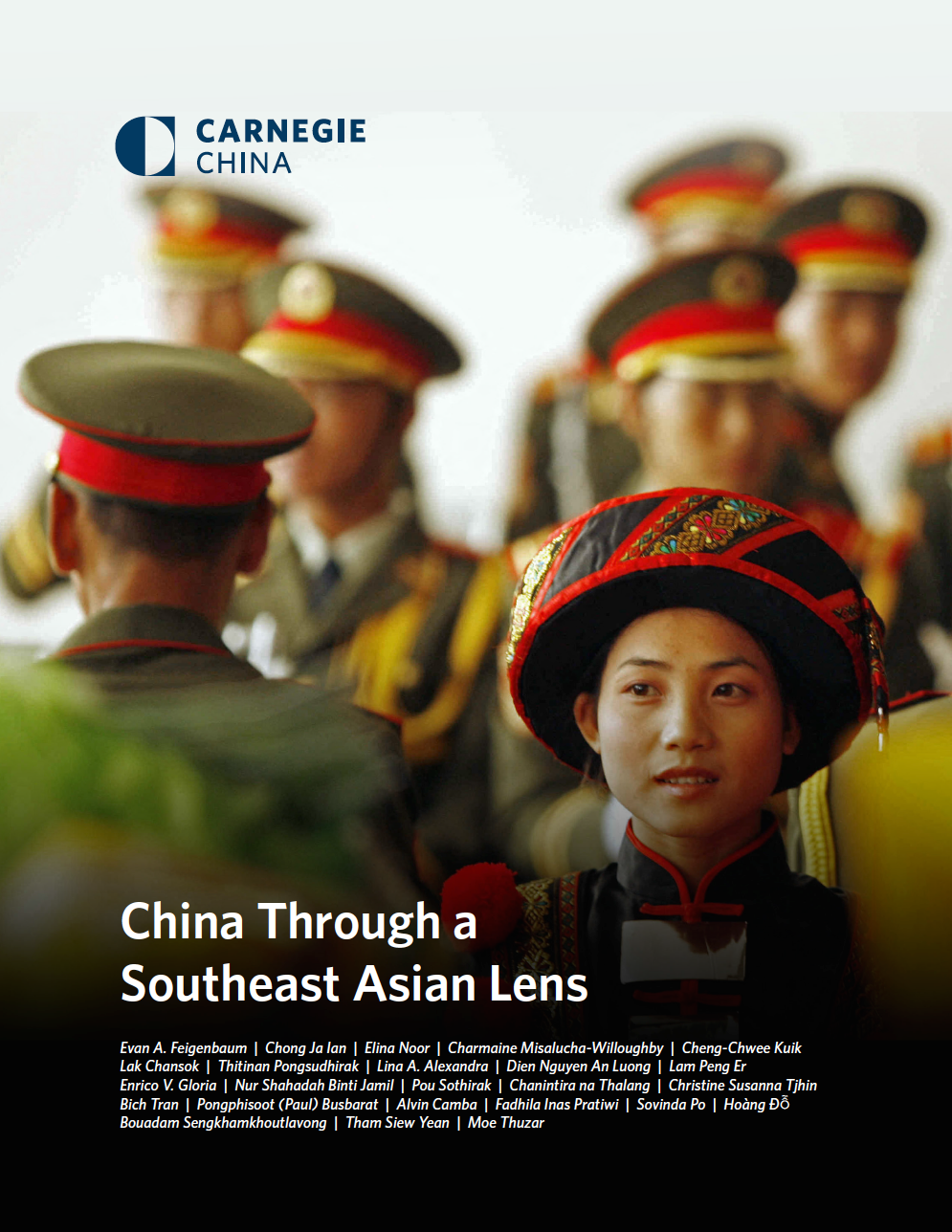
Because strategic, economic, and ideological perceptions of China contain multiple, sometimes contradictory facets in Southeast Asia, receptions of and responses to Beijing diverge across and within state lines.



Evan A. Feigenbaum, Chong Ja Ian, Elina Noor
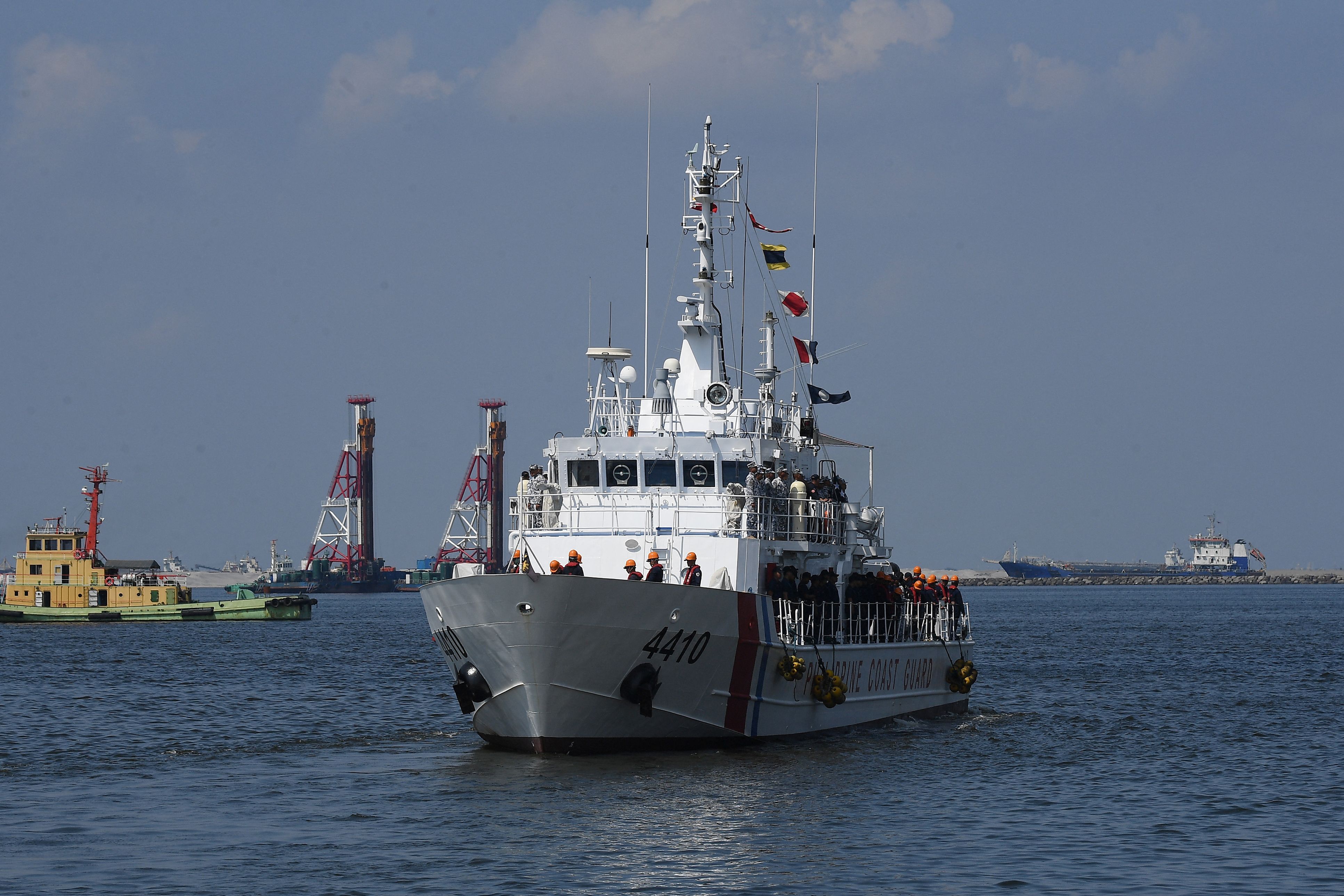
Most Southeast Asian states behave as if the actions of their Northeast Asian neighbors and the Philippines will be sufficient to maintain a regional status quo from which they can benefit.
Chong Ja Ian