

Commentary
But their "principal to principal" model will only be as effective as the political strength of each leader back home.
Damien Ma
{
  "authors": [],
  "type": "pressRelease",
  "centerAffiliationAll": "dc",
  "centers": [
    "Carnegie Endowment for International Peace"
  ],
  "collections": [
    "U.S. Nuclear Policy"
  ],
  "englishNewsletterAll": "ctw",
  "nonEnglishNewsletterAll": "",
  "primaryCenter": "Carnegie Endowment for International Peace",
  "programAffiliation": "NPP",
  "programs": [
    "Nuclear Policy"
  ],
  "projects": [],
  "regions": [
    "North America",
    "United States"
  ],
  "topics": [
    "Security",
    "Military",
    "Nuclear Policy"
  ]
}
REQUIRED IMAGE
The U.S. spent at least $52 billion on nuclear weapons and related programs in fiscal year 2008, but only 10 percent of that went toward preventing a nuclear attack through slowing and reversing the proliferation of nuclear weapons and technology.
WASHINGTON, Jan 12—The United States spent at least $52 billion on nuclear weapons and related programs in fiscal year 2008, but only 10 percent of that went toward preventing a nuclear attack through slowing and reversing the proliferation of nuclear weapons and technology. That is the main finding of Nuclear Security Spending: Assessing Costs, Examining Priorities, a new study by the Carnegie Endowment for International Peace. The lack of comprehensive accounting impairs balancing of priorities and fosters the impression that the United States is more interested in preserving and upgrading its nuclear arsenal than in reducing and eliminating the growing threats of nuclear proliferation and limited nuclear or radiological attack.
The United States has never tracked nuclear weapons-related spending comprehensively, hindering effective oversight and weighing priorities in nuclear security policy. Based on publicly available documents and extensive interviews with government officials and experts, Stephen I. Schwartz and Deepti Choubey calculated the U.S. nuclear security “budget.” Because classified expenditures and some other relevant costs are omitted from the analysis, total actual spending is significantly higher.
Key Conclusions
Policy Recommendations
The authors conclude:
“Implementing these recommendations will increase understanding and accountability, which in turn will lead to greater public support for critical nuclear security programs and a more effective allocation of public resources. When combined with a new focus on nuclear issues, including the Obama administration’s forthcoming Nuclear Posture Review, these efforts will help ensure that political and financial priorities are properly aligned.”
###
NOTES
Carnegie does not take institutional positions on public policy issues; the views represented herein are those of the author(s) and do not necessarily reflect the views of Carnegie, its staff, or its trustees.

But their "principal to principal" model will only be as effective as the political strength of each leader back home.

Damien Ma

U.S. unpredictability has allowed China to capitalize on its positioning as the “responsible great power”. Paradoxically, the more China wins the perception game, the more likely expectations will rise for Beijing to deliver not just words but to demonstrate with its deeds.

Chong Ja Ian

For Malaysia, the conjunction that works is “and” not “or” when it comes to the United States and China.

Elina Noor
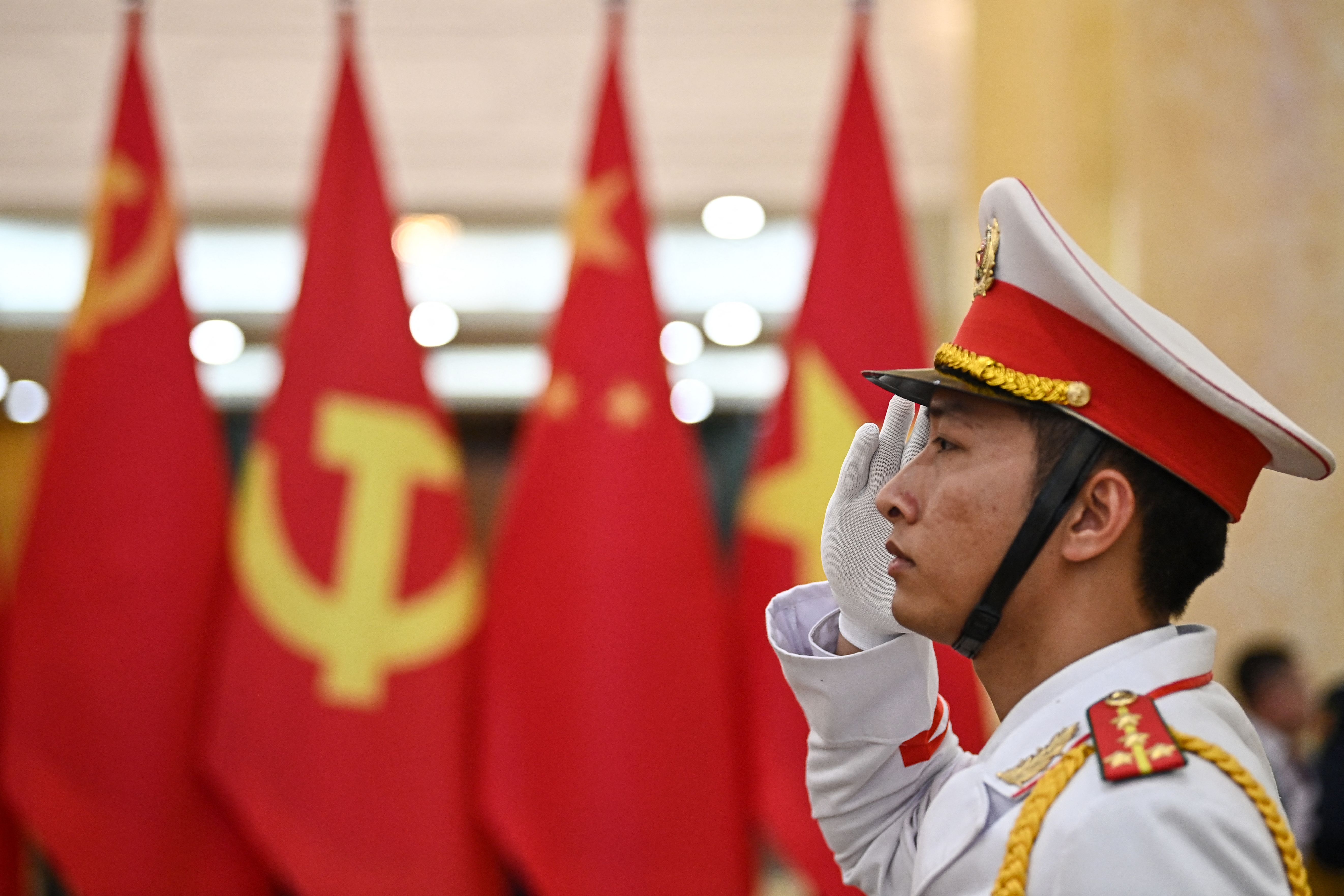
In July 2025, Vietnam and China held their first joint army drill, a modest but symbolic move reflecting Hanoi’s strategic hedging amid U.S.–China rivalry.

Nguyễn Khắc Giang

Regulation, not embargo, allows Beijing to shape how other countries and firms adapt to its terms.

Alvin Camba