

Commentary
The advantage that China has over other global powers, especially America, is that its foreign policy is closely aligned with those of many of the Middle Eastern countries.
Jin Liangxiang, Maha Yahya, Hesham Alghannam
{
  "authors": [],
  "type": "pressRelease",
  "centerAffiliationAll": "dc",
  "centers": [
    "Carnegie Endowment for International Peace"
  ],
  "collections": [],
  "englishNewsletterAll": "menaTransitions",
  "nonEnglishNewsletterAll": "",
  "primaryCenter": "Carnegie Endowment for International Peace",
  "programAffiliation": "MEP",
  "programs": [
    "Middle East"
  ],
  "projects": [],
  "regions": [
    "Middle East",
    "Israel",
    "Palestine"
  ],
  "topics": []
}
REQUIRED IMAGE
Negotiations over a two-state solution to resolve the Israeli–Palestinian conflict have reached a dead end. International efforts should focus on a short-term cease-fire between Israel and Hamas that can pave the way for a sustainable armistice.
WASHINGTON, Feb 26—Negotiations over a two-state solution to resolve the Israeli–Palestinian conflict have reached a dead end. International efforts should focus on a short-term cease-fire between Israel and Hamas that can pave the way for a sustainable armistice, concludes a new policy brief by Nathan J. Brown.
The bitter realities on the ground make an immediate and comprehensive solution to the Israeli–Palestinian conflict unattainable for now. A new diplomatic approach should be based on three steps: first, a properly negotiated cease-fire; second, a medium-term armistice; and finally, addressing the underlying causes of the conflict during the respite.
Key Conclusions:
Brown concludes:
“Acknowledging and working with existing realities must not, however, mean accepting them as permanent. The existing situation is not only short on security and justice; it is also unstable. Things can—and might well—get worse unless the United States and other outside actors couple a realistic view of the present with a serious effort to push for a more promising future. But for the present, they should stop banging their heads against the obstacles to an immediate and comprehensive solution of the Israeli–Palestinian conflict. Instead, it is time for Plan B.”
###
NOTES
Carnegie does not take institutional positions on public policy issues; the views represented herein are those of the author(s) and do not necessarily reflect the views of Carnegie, its staff, or its trustees.
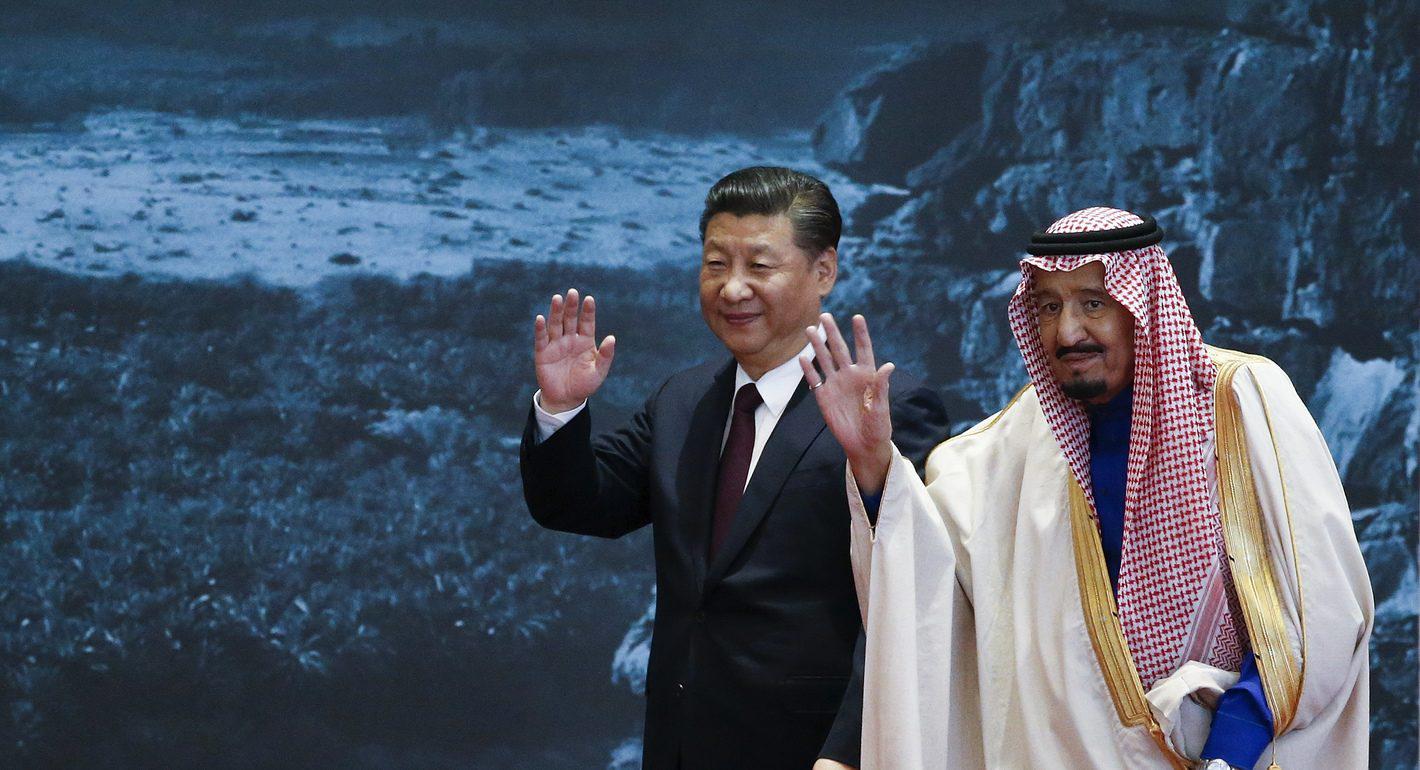
The advantage that China has over other global powers, especially America, is that its foreign policy is closely aligned with those of many of the Middle Eastern countries.



Jin Liangxiang, Maha Yahya, Hesham Alghannam

It’s about managing oil prices, bread prices, and strategic partnerships.



Amr Hamzawy, Karim Sadjadpour, Aaron David Miller, …
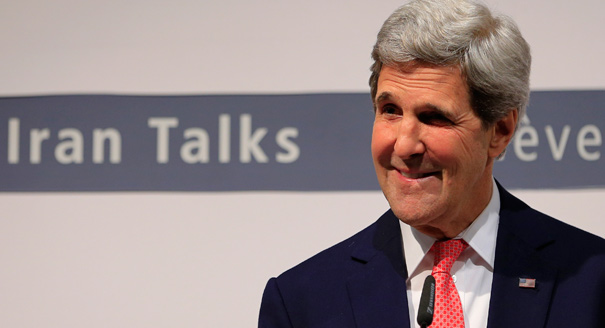
Fundamentally, it seems irrational to leave an agreement that’s working today out of a fixation on potential growth of Iran’s nuclear program more than a decade from now, when such growth could happen tomorrow if we unravel the agreement.
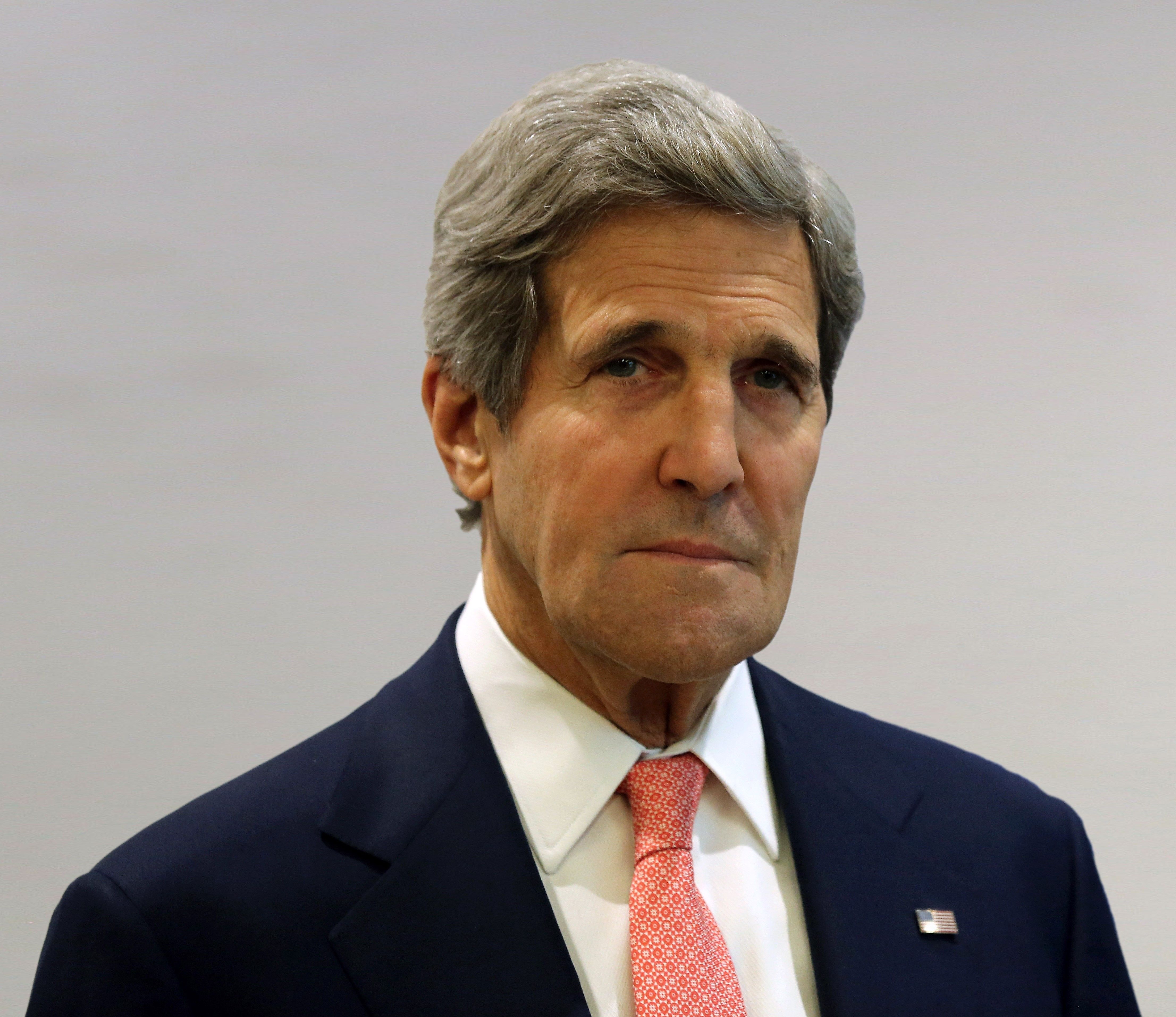
John Kerry
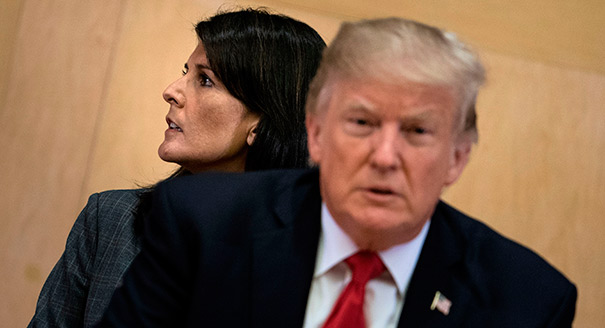
The smart way to get tough on Iran would be to commit to the nuclear deal, enforce it to the hilt, and work with global partners on a long-term strategy to deal with Iran’s challenge.


William J. Burns, Jake Sullivan

Increased tensions between the United States and Iran over the last couple days, along with U.S. President Donald Trump’s calls to end the Iran Nuclear Deal, could put Iran on the same path as North Korea as an imminent threat potentially needing military consideration.
Jake Sullivan