

Report
- +8
Salman Ahmed, Wendy Cutler, Rozlyn C. Engel, …
{
  "authors": [
    "Jake Sullivan"
  ],
  "type": "legacyinthemedia",
  "centerAffiliationAll": "dc",
  "centers": [
    "Carnegie Endowment for International Peace",
    "Carnegie China",
    "Malcolm H. Kerr Carnegie Middle East Center"
  ],
  "collections": [],
  "englishNewsletterAll": "americanStatecraft",
  "nonEnglishNewsletterAll": "",
  "primaryCenter": "Carnegie Endowment for International Peace",
  "programAffiliation": "ASP",
  "programs": [
    "American Statecraft"
  ],
  "projects": [],
  "regions": [
    "Middle East",
    "Iran",
    "East Asia",
    "North Korea"
  ],
  "topics": [
    "Political Reform",
    "Security",
    "Military",
    "Nuclear Policy",
    "Global Governance"
  ]
}
Source: Getty
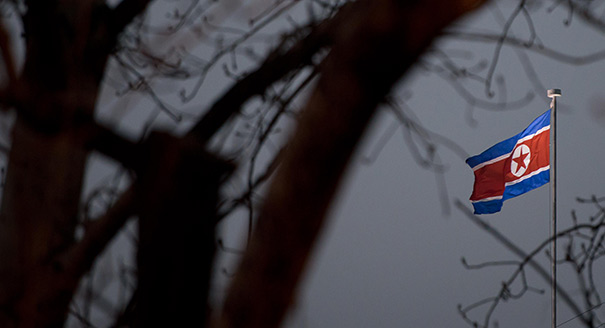
Increased tensions between the United States and Iran over the last couple days, along with U.S. President Donald Trump’s calls to end the Iran Nuclear Deal, could put Iran on the same path as North Korea as an imminent threat potentially needing military consideration.
Source: CBS This Morning
Speaking on CBS This Morning, Carnegie’s Jake Sullivan discussed the risks of a military conflict with North Korea and warned not to overlook the likelihood ofconflict with Iran. Increased tensions between the United States and Iran over the last couple days, along with U.S. President Donald Trump’s calls to end the Iran Nuclear Deal, could put Iran on the same path as North Korea as an imminent threat potentially needing military consideration. He also looked at the role for China in negotiating the suspension of North Korea’s nuclear program and the incentives China could offer Pyongyang to end the conflict. Sullivan concluded that China ca take on the role of paying monetary payments to North Korea, previously taken upon by the US, in order to reduce tensions and risks of war.
This interview was originally broadcast by CBS This Morning.
Former U.S. National Security Advisor to Former President Joe Biden
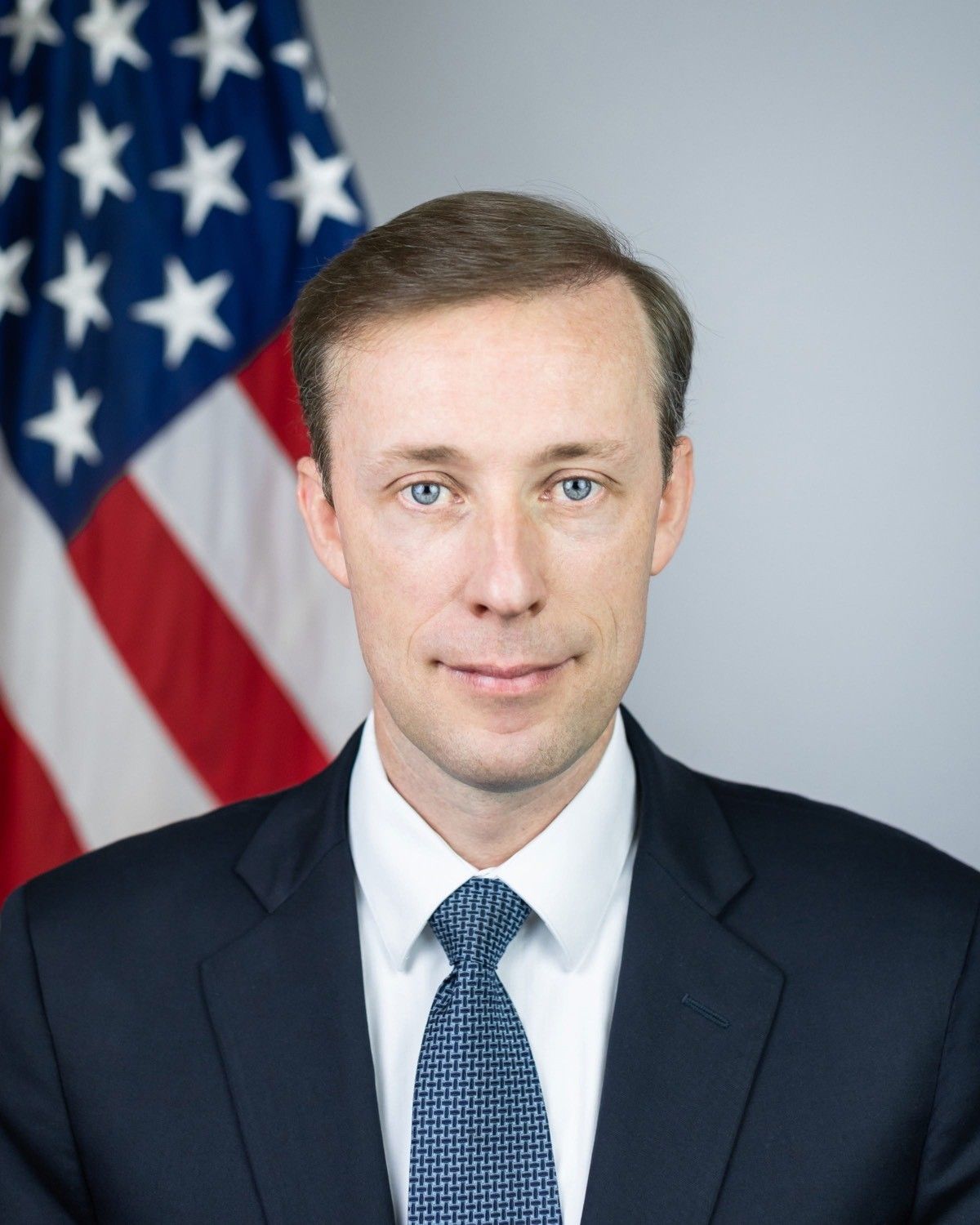
Jake Sullivan, a senior fellow at the University of New Hampshire's Carsey School of Public Policy, served as the United States national security advisor to former President Joe Biden from 2021 to 2025. Sullivan previously served as deputy assistant to former President Barack Obama, national security advisor to former Vice President Biden, director of policy planning in the State Department, and as deputy chief of staff to former U.S. Secretary of State Hillary Clinton.
Recent Work
Salman Ahmed, Wendy Cutler, Rozlyn C. Engel, …
Salman Ahmed, Allison Gelman, Tarik Abdel-Monem, …
Carnegie does not take institutional positions on public policy issues; the views represented herein are those of the author(s) and do not necessarily reflect the views of Carnegie, its staff, or its trustees.
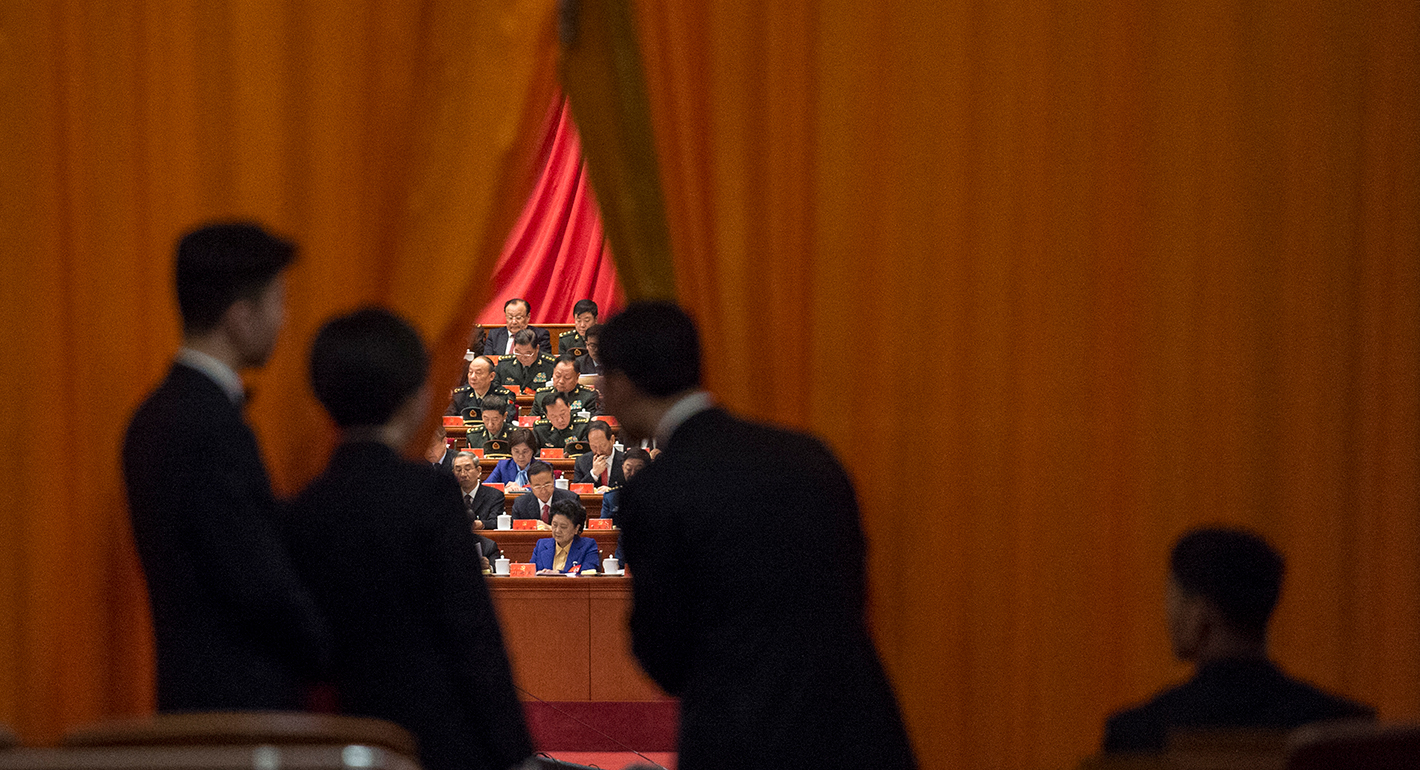
China’s political future will be shaped between now and next October. As the Communist Party enters its intense “campaign season” to prepare for a major political transition in 2027, reading Beijing's actions and responses may become more difficult as domestic politics weigh on its behavior more than usual.

Damien Ma

China has showcased its engineering prowess with small modular reactor demonstration projects. But turning these technological achievements into commercial success will be a greater challenge.

Tong Zhao
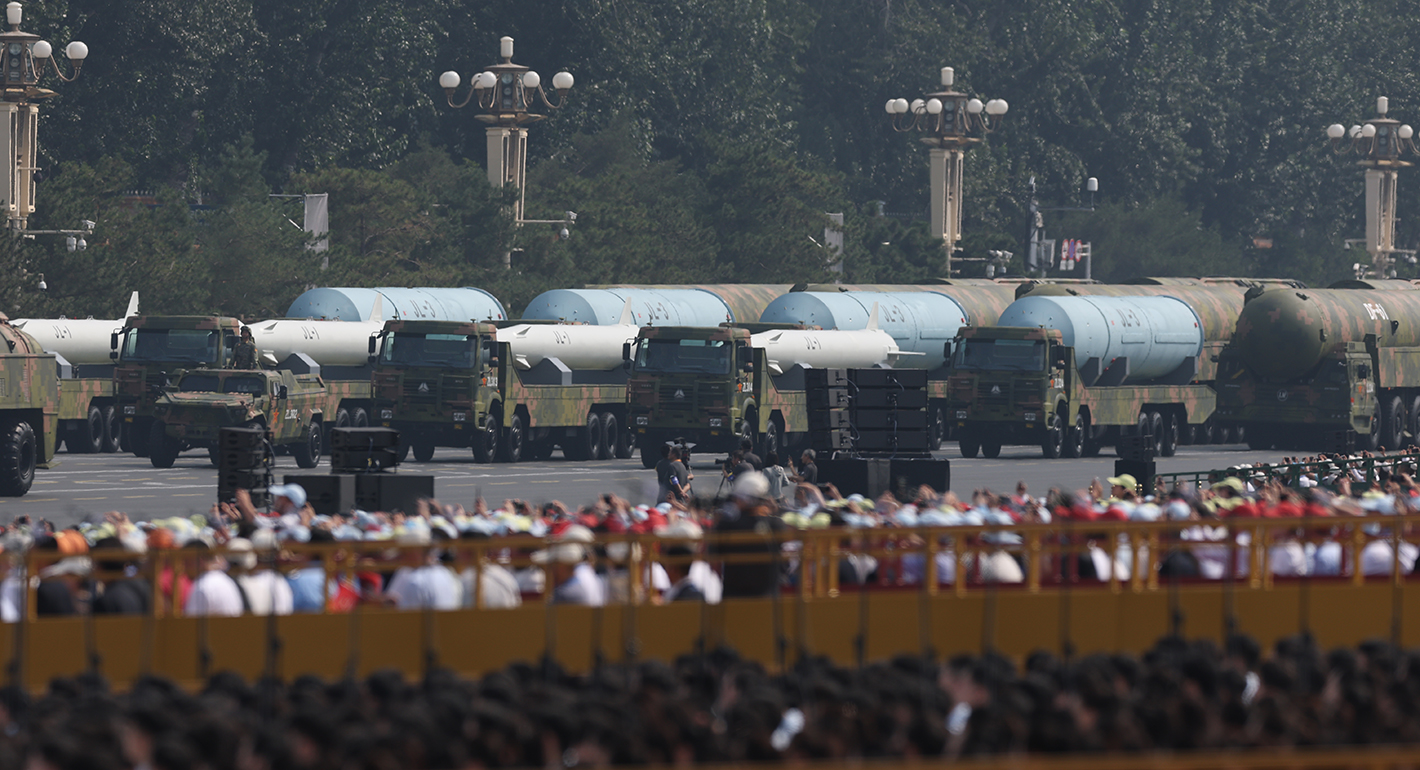
The nuclear relationship between China and the United States is increasingly shaped by widening perception gaps rather than deliberate strategic design.
Tong Zhao
Chinese biotech companies have been on the receiving end of U.S. economic coercion. Yet their responses have differed significantly because firm and state interests are not uniformly aligned. For Washington, treating all Chinese tech firms the same, irrespective of their actual interests, risks pushing them farther into Beijing’s corner.
Xue Gong
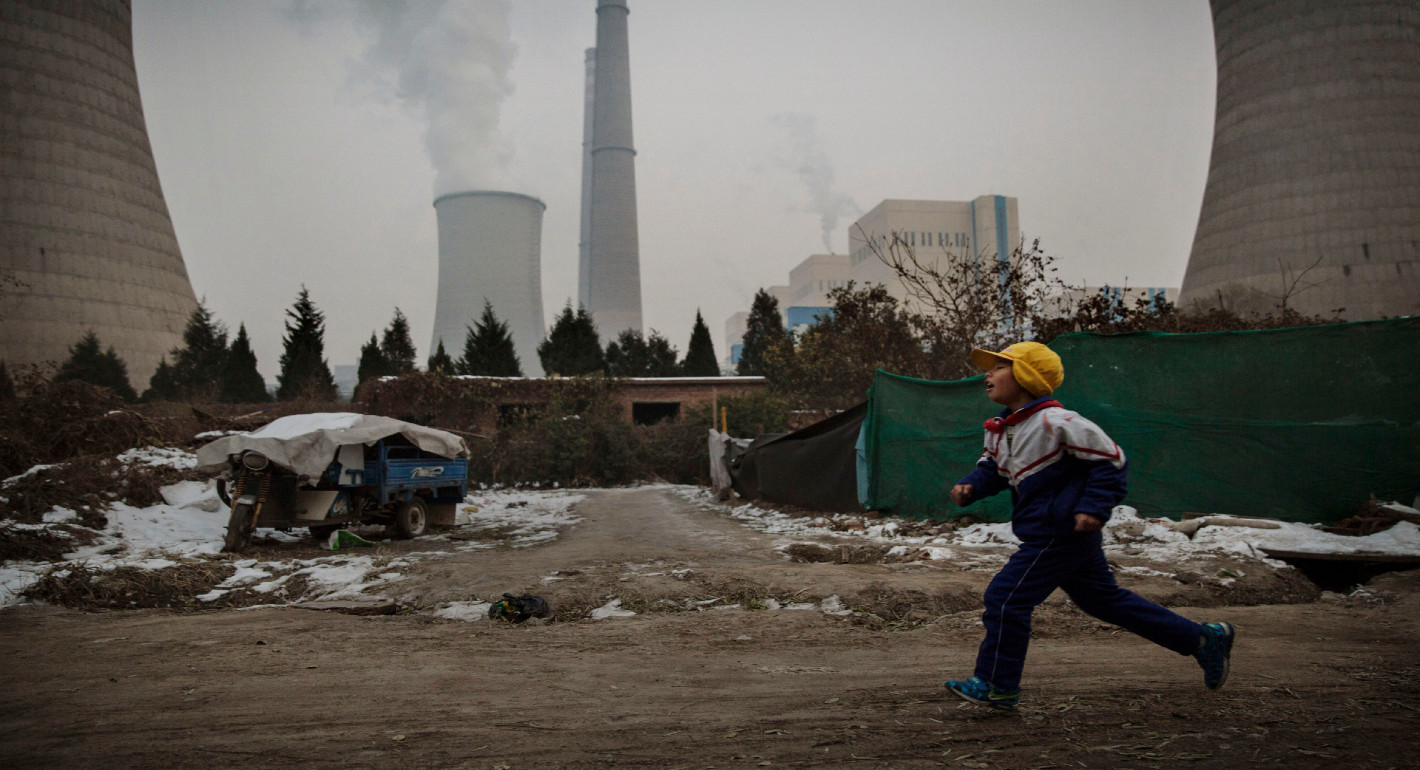
Across Asia, China is better positioned to withstand energy shocks from the fallout of the Iran war. Its abundant coal capacity can ensure stability in the near term. Yet at the same time, the country’s energy transition away from coal will make it even less vulnerable during the next shock.
Damien Ma