

Commentary
The Thai-Cambodian conflict highlights the limits to China's peacemaker ambition and the significance of this role on Southeast Asia’s balance of power.
Pongphisoot (Paul) Busbarat
{
  "authors": [],
  "type": "pressRelease",
  "centerAffiliationAll": "dc",
  "centers": [
    "Carnegie Endowment for International Peace"
  ],
  "collections": [],
  "englishNewsletterAll": "ctw",
  "nonEnglishNewsletterAll": "",
  "primaryCenter": "Carnegie Endowment for International Peace",
  "programAffiliation": "SAP",
  "programs": [
    "South Asia"
  ],
  "projects": [],
  "regions": [
    "South Asia",
    "Pakistan"
  ],
  "topics": [
    "Security"
  ]
}
REQUIRED IMAGE
Pakistan’s new and fragile government must reform the country’s intelligence agencies to counter their influence on civil society and politics.
WASHINGTON, Mar 6—Pakistan’s new and fragile government must reform the country’s intelligence agencies to counter their influence on civil society and politics, Frederic Grare explains in a new report. The army remains the dominant actor in Pakistan’s political life, despite some improvements in civil-military relations in recent years. Previous abuses of power by both Pakistani regimes and the intelligence agencies—particularly Inter-Services Intelligence (ISI)—make reforms imperative before Pakistan can continue its democratic transition.
Through interviews with Pakistani officials and case studies in Indonesia and Chile, Grare argues that with patience, resolve, and assistance from the international community, Pakistan’s government can successfully reassert civilian control over the intelligence community.
Key recommendations for the international community:
Recommendations for the Pakistani government:
Grare concludes:
“Pakistan’s civilian government would be wrong to ignore the need to decisively establish its supremacy over the intelligence community. Reducing the role of the military in intelligence should be a priority not only because it will help the government consolidate itself domestically but also because the perception abroad of Pakistan’s emerging democracy and consequent foreign support will be shaped by its capacity to impose its authority on the intelligence agencies’ activities on issues ranging from domestic terrorism to foreign policy.”
###
NOTES
Carnegie does not take institutional positions on public policy issues; the views represented herein are those of the author(s) and do not necessarily reflect the views of Carnegie, its staff, or its trustees.
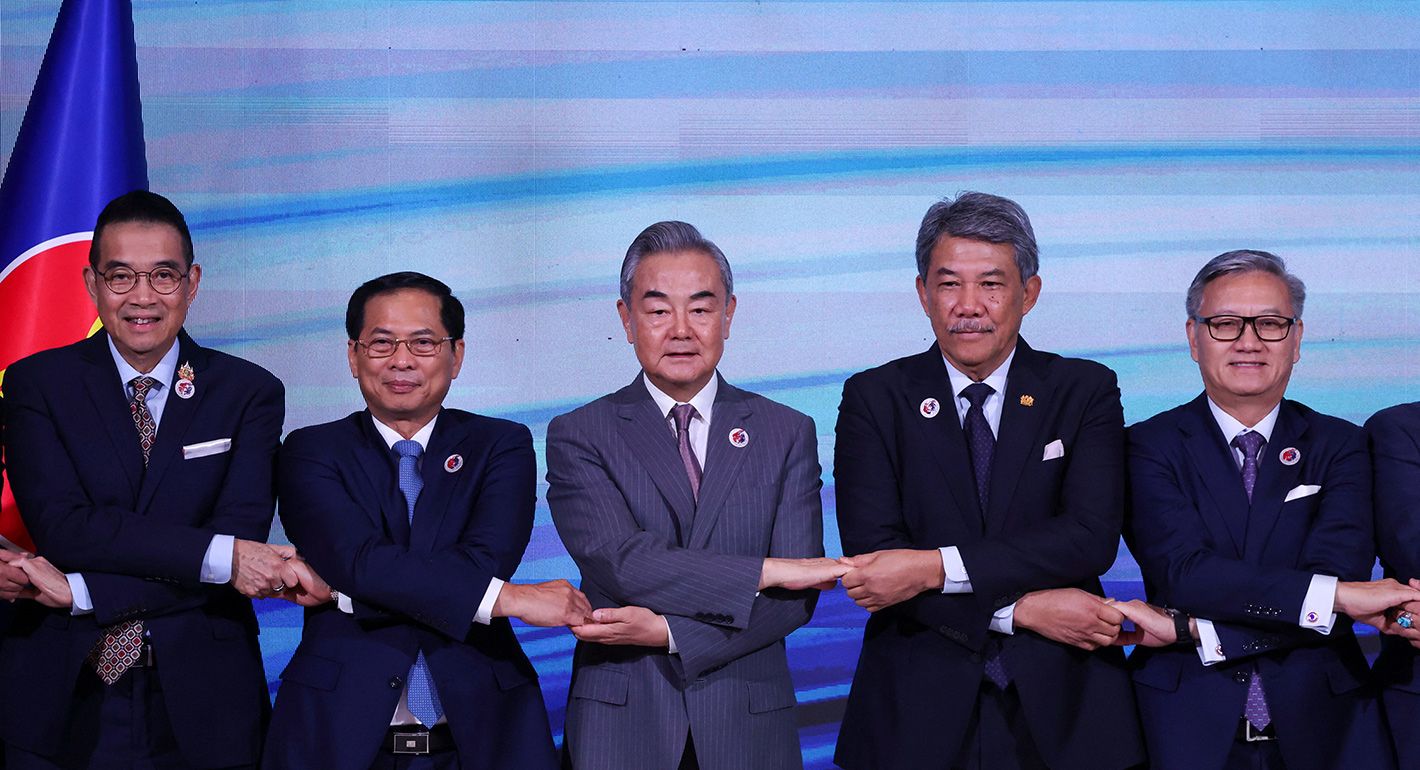
The Thai-Cambodian conflict highlights the limits to China's peacemaker ambition and the significance of this role on Southeast Asia’s balance of power.

Pongphisoot (Paul) Busbarat
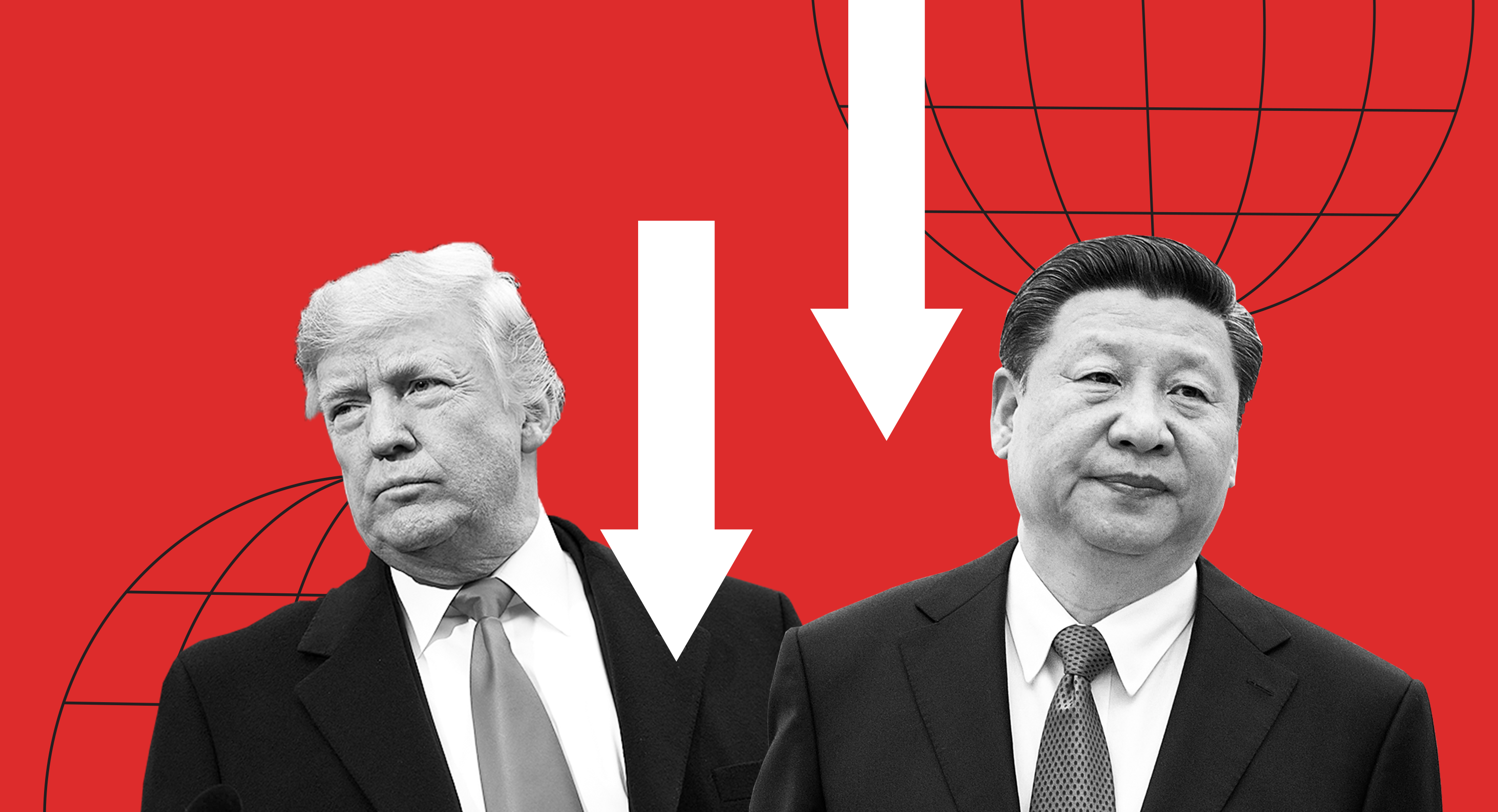
Beijing believes that Washington is overestimating its own leverage and its ability to handle the trade war’s impacts.


Rick Waters, Sheena Chestnut Greitens
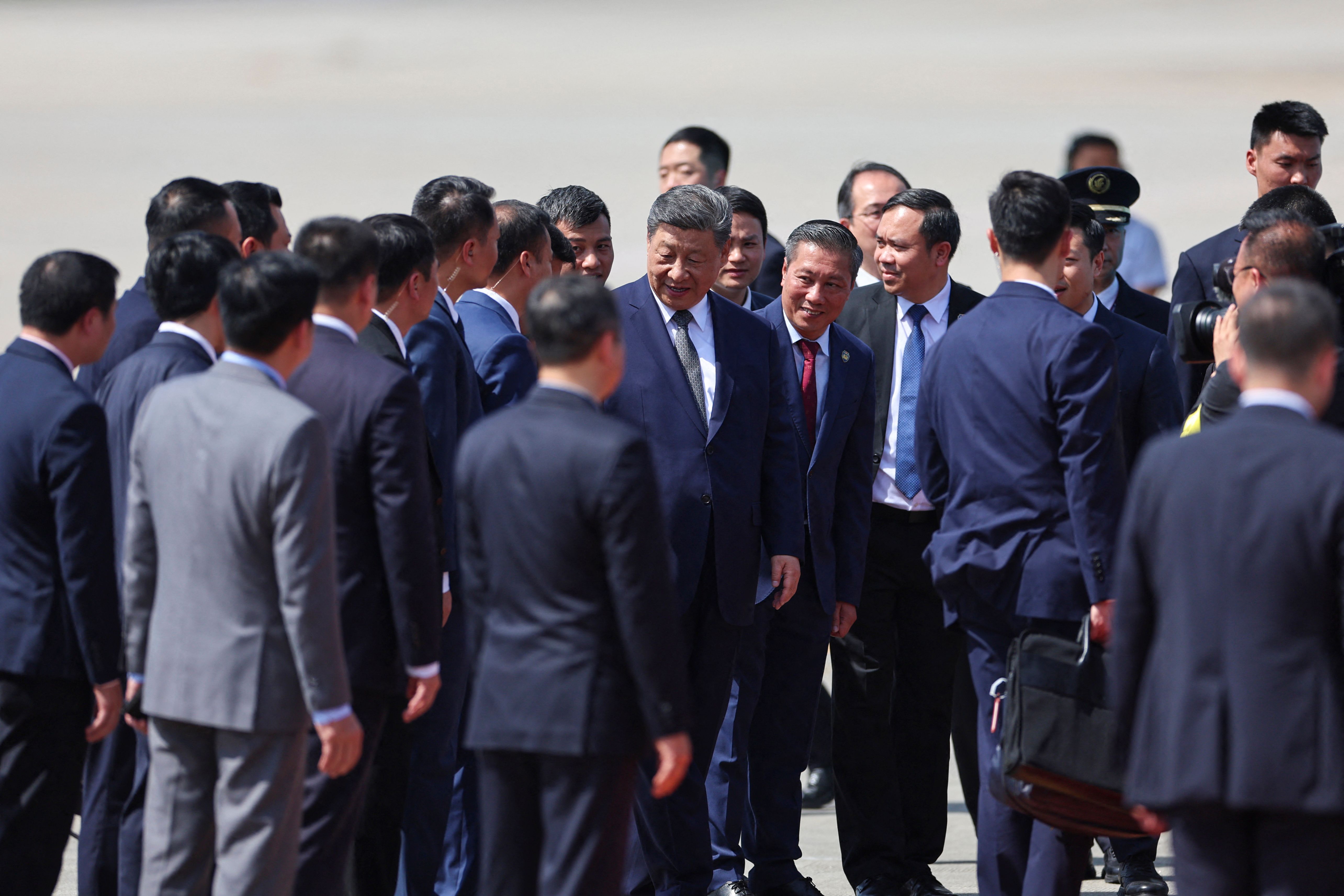
Tapping our network of China experts in the region, Carnegie China offers this latest “China Through a Southeast Asian Lens” report to offer preliminary assessments of whether the U.S. effort to reshape the global trading order will lead countries in the region to tilt toward Beijing.



Selina Ho, Khin Khin Kyaw Kyee, Joseph Ching Velasco, …
Because strategic, economic, and ideological perceptions of China contain multiple, sometimes contradictory facets in Southeast Asia, receptions of and responses to Beijing diverge across and within state lines.



Evan A. Feigenbaum, Chong Ja Ian, Elina Noor
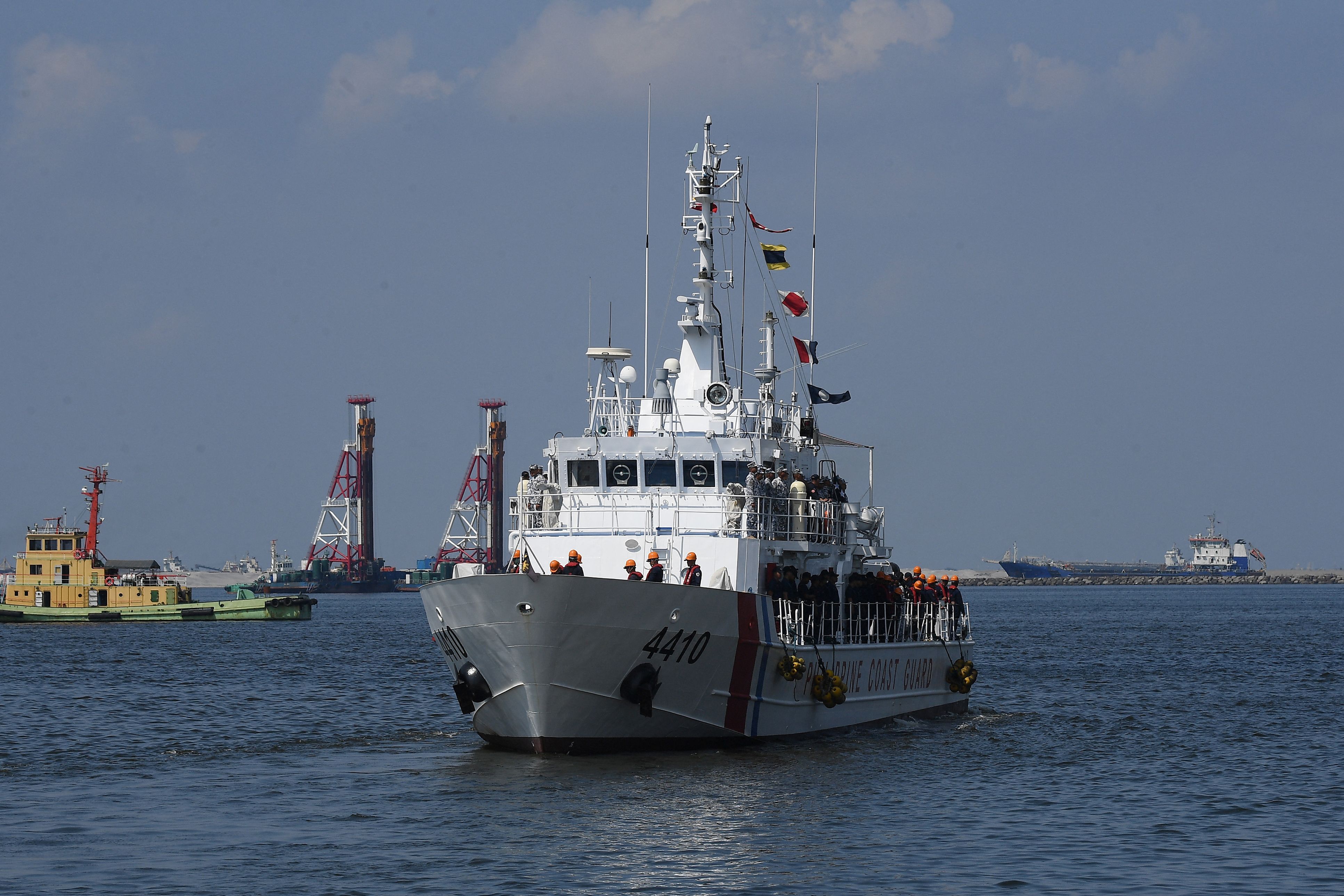
Most Southeast Asian states behave as if the actions of their Northeast Asian neighbors and the Philippines will be sufficient to maintain a regional status quo from which they can benefit.
Chong Ja Ian