

Article
China has showcased its engineering prowess with small modular reactor demonstration projects. But turning these technological achievements into commercial success will be a greater challenge.
Tong Zhao
{
  "authors": [],
  "type": "pressRelease",
  "centerAffiliationAll": "",
  "centers": [
    "Carnegie Endowment for International Peace"
  ],
  "collections": [],
  "englishNewsletterAll": "",
  "nonEnglishNewsletterAll": "",
  "primaryCenter": "Carnegie Endowment for International Peace",
  "programAffiliation": "",
  "programs": [],
  "projects": [],
  "regions": [
    "North America",
    "South America"
  ],
  "topics": [
    "Economy",
    "Trade"
  ]
}
REQUIRED IMAGE
A Doha trade agreement or a major trade pact with other developing countries, including China, would provide a small boost to Brazil’s economy.
WASHINGTON, Apr 9—A Doha trade agreement or a major trade pact with other developing countries, including China, would provide a small boost to Brazil’s economy, according to a new report from the Carnegie Endowment, the International Labour Office, and the UN Development Program.
After eight years of strong growth, Brazil has emerged as a key player in global trade negotiations and an advocate for a greater role for emerging powers in international economic policy making. At the same time, Brazilian policy makers face complex challenges as they try to grow their economy in ways that will increase employment and living standards. Carnegie’s Sandra Polaski and co-authors from the ILO and the UNDP examine the trade policy choices Brazil faces and their impact for household incomes, employment, and production at the national and regional levels.
Key points:
The authors conclude:
“As Brazil continues to integrate more deeply into the changing world economy, it is instructive to compare the relative impact of its trade policy choices, as well as the effects of the shocks it may experience as a result of greater integration…. As policy is debated, it is important that the pattern of gains and losses and the resulting adjustment costs be taken fully into account.”
###
AUTHORS
NOTES
Carnegie does not take institutional positions on public policy issues; the views represented herein are those of the author(s) and do not necessarily reflect the views of Carnegie, its staff, or its trustees.

China has showcased its engineering prowess with small modular reactor demonstration projects. But turning these technological achievements into commercial success will be a greater challenge.

Tong Zhao

The Plaza Accord was not an externally imposed punishment of Japan but part of a broader restructuring that Japanese economists and policymakers themselves recognized was necessary. Its effects were undermined, however, when Tokyo responded to the resulting slowdown with policies that exacerbated investment, credit expansion, and the very imbalances the adjustment was intended to resolve.

Michael Pettis
China’s banking crisis in the 2000s was resolved by transferring the costs to households through financial repression—a decision that recapitalized the banks while exacerbating the structural imbalances that continue to shape the Chinese economy today.
Michael Pettis
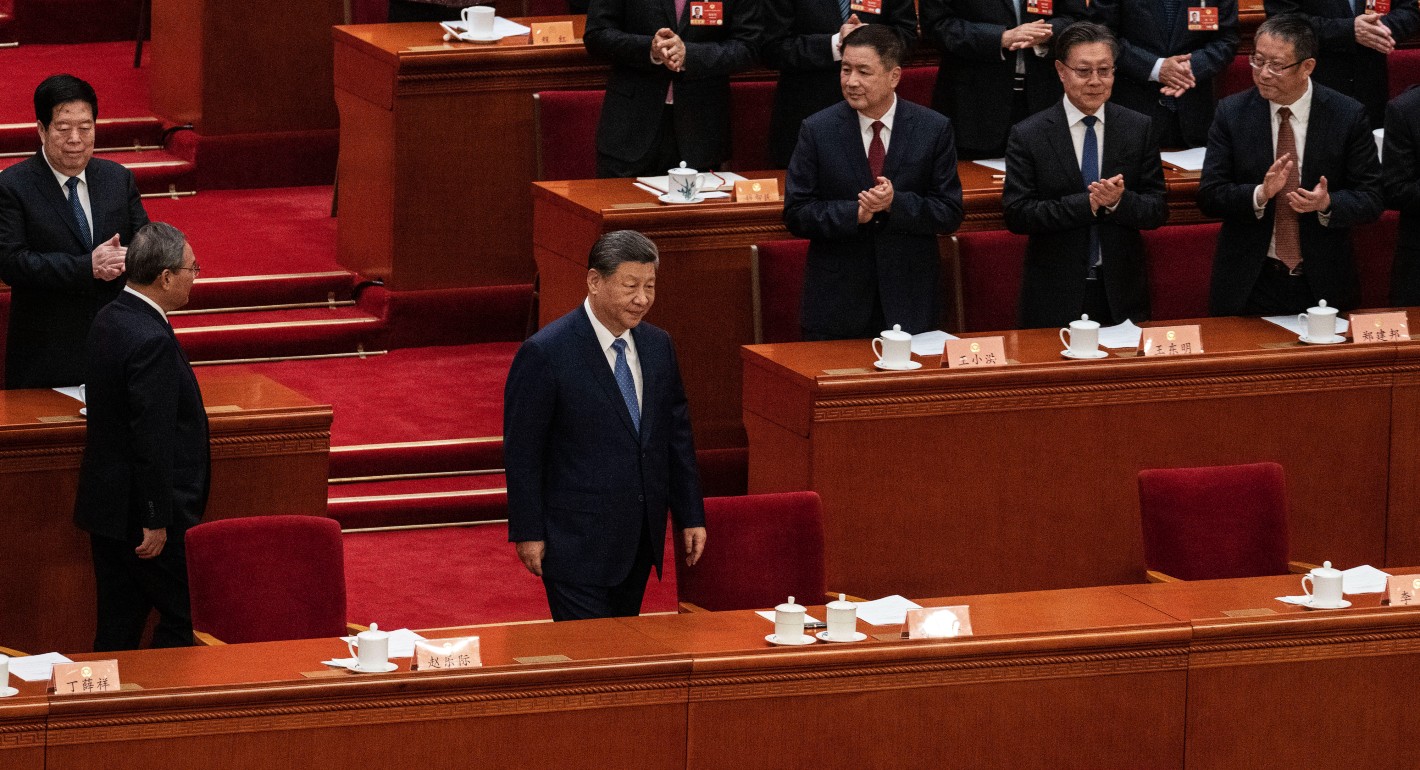
In the latest Five-Year Plan, the Chinese president cements the shift to an innovation-driven economy over a consumption-driven one.

Damien Ma

Regulation, not embargo, allows Beijing to shape how other countries and firms adapt to its terms.

Alvin Camba