

Commentary
The advantage that China has over other global powers, especially America, is that its foreign policy is closely aligned with those of many of the Middle Eastern countries.
Jin Liangxiang, Maha Yahya, Hesham Alghannam
{
  "authors": [],
  "type": "pressRelease",
  "centerAffiliationAll": "dc",
  "centers": [
    "Carnegie Endowment for International Peace"
  ],
  "collections": [],
  "englishNewsletterAll": "menaTransitions",
  "nonEnglishNewsletterAll": "",
  "primaryCenter": "Carnegie Endowment for International Peace",
  "programAffiliation": "MEP",
  "programs": [
    "Middle East"
  ],
  "projects": [],
  "regions": [
    "Middle East",
    "Israel",
    "Palestine"
  ],
  "topics": []
}
REQUIRED IMAGE
Efforts to move the Israeli–Palestinian peace process forward will fail if the U.S. continues to marginalize or ignore Hamas. A national unity government—which would require a slower approach to the peace process and depends on difficult concessions—is the only promising solution.
WASHINGTON, June 3—Efforts to move the Israeli–Palestinian peace process forward will fail if the United States continues to marginalize or ignore Hamas. A national unity government—which would require a slower approach to the peace process than the Obama administration would like and depends on difficult concessions—is the only promising solution, explains a new commentary by Nathan Brown.
Key Conclusions:
Brown concludes:
“The new leadership in Washington is refreshingly bold in its tactics but far more conventional in its strategies. Its new approach (especially on settlements) has already attracted attention in the region. But thus far its public policy toward Gaza remains unrealistic: demanding that Hamas change and treating the movement as if it does not exist until it does so. It is difficult to envision how the Obama administration’s initiatives can gain full traction until it develops more realistic ideas on Gaza."
###
NOTES
Carnegie does not take institutional positions on public policy issues; the views represented herein are those of the author(s) and do not necessarily reflect the views of Carnegie, its staff, or its trustees.
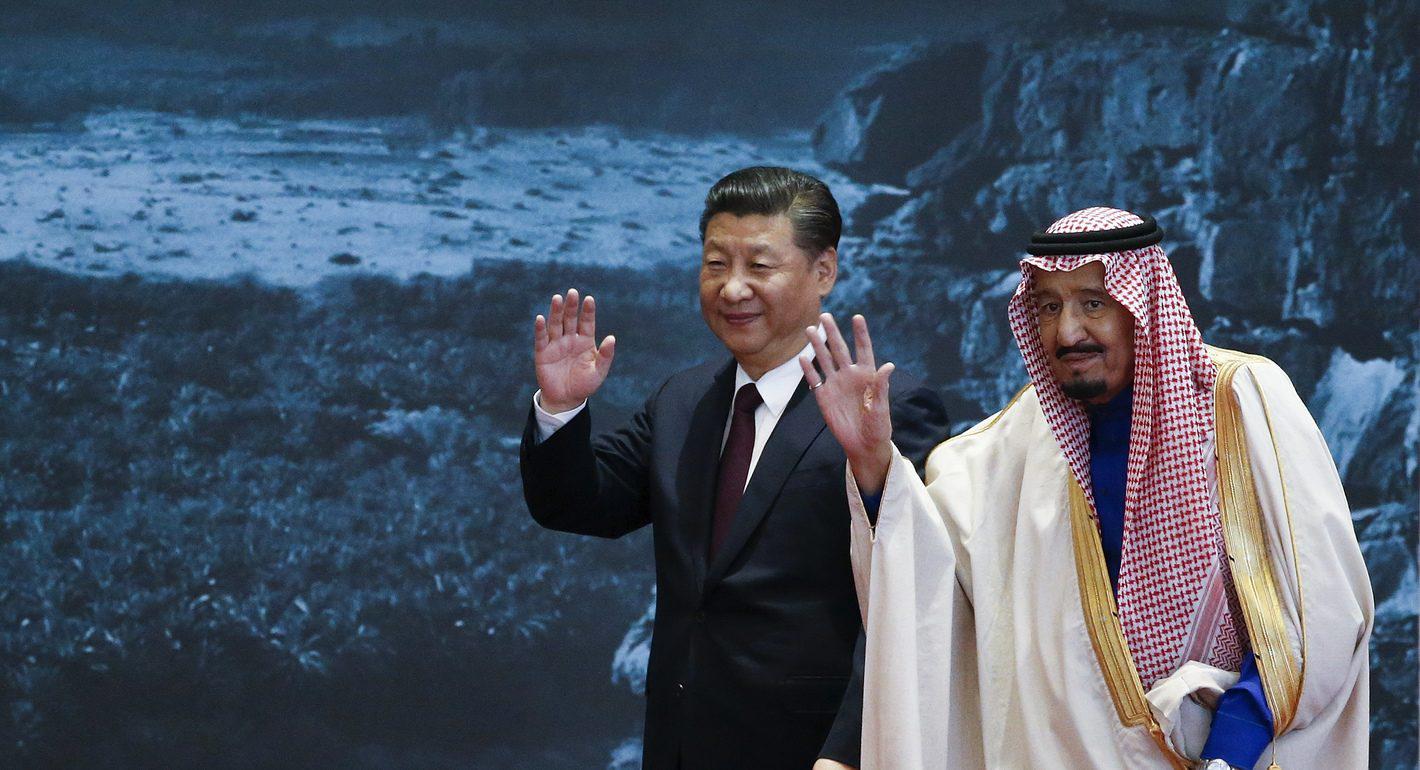
The advantage that China has over other global powers, especially America, is that its foreign policy is closely aligned with those of many of the Middle Eastern countries.


Jin Liangxiang, Maha Yahya, Hesham Alghannam

It’s about managing oil prices, bread prices, and strategic partnerships.



Amr Hamzawy, Karim Sadjadpour, Aaron David Miller, …
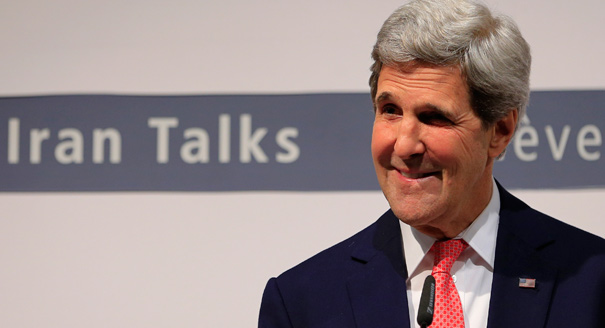
Fundamentally, it seems irrational to leave an agreement that’s working today out of a fixation on potential growth of Iran’s nuclear program more than a decade from now, when such growth could happen tomorrow if we unravel the agreement.
John Kerry
The smart way to get tough on Iran would be to commit to the nuclear deal, enforce it to the hilt, and work with global partners on a long-term strategy to deal with Iran’s challenge.


William J. Burns, Jake Sullivan

Increased tensions between the United States and Iran over the last couple days, along with U.S. President Donald Trump’s calls to end the Iran Nuclear Deal, could put Iran on the same path as North Korea as an imminent threat potentially needing military consideration.
Jake Sullivan