

Commentary
The advantage that China has over other global powers, especially America, is that its foreign policy is closely aligned with those of many of the Middle Eastern countries.
Jin Liangxiang, Maha Yahya, Hesham Alghannam
{
  "authors": [],
  "type": "pressRelease",
  "centerAffiliationAll": "dc",
  "centers": [
    "Carnegie Endowment for International Peace"
  ],
  "collections": [],
  "englishNewsletterAll": "menaTransitions",
  "nonEnglishNewsletterAll": "",
  "primaryCenter": "Carnegie Endowment for International Peace",
  "programAffiliation": "MEP",
  "programs": [
    "Middle East"
  ],
  "projects": [],
  "regions": [
    "Middle East",
    "North Africa"
  ],
  "topics": [
    "Political Reform",
    "Democracy"
  ]
}
REQUIRED IMAGE
The imbalance of power in Arab countries allows regimes to stay in control virtually unchallenged by non-violent opposition groups. Without a break in the stalemate between the key players—ruling establishments, moderate Islamist movements, and secular parties—democratization is impossible.
The imbalance of power in Arab countries allows regimes to stay in control virtually unchallenged by non-violent opposition groups. Without a break in the stalemate between the key players—ruling establishments, moderate Islamist movements, and secular parties—democratization is impossible.
Getting to Pluralism: Political Actors in the Arab World, a new book edited by Marina Ottaway and Amr Hamzawy with contributions by Michele Dunne, analyzes the political stagnation entrenched across the region. Authoritarianism does not come from Arab cultural exceptionalism or protracted regional conflicts, but from the currently unbreakable deadlock among governments, Islamist movements, and liberal or leftist groups. Incumbent regimes easily maintain power when faced with a weak and divided opposition on an uneven playing field.
Key conclusions:
“The weakness of opposition groups in the Arab world, coupled with the power of governments, which is often as rooted in the strength of the security services as it is in the political process, go a long way toward explaining why Arab countries have not been reforming politically,” write the editors. “It stands to reason that attempts by the international community to encourage political reform while failing to address the fundamental issue of power are bound to fail.”
###
EDITORS
Marina Ottaway, director of the Carnegie Middle East Program, specializes in democracy and post-conflict reconstruction issues, with special focus on problems of political transformation in the Middle East.
CONTRIBUTOR
NOTES
Carnegie does not take institutional positions on public policy issues; the views represented herein are those of the author(s) and do not necessarily reflect the views of Carnegie, its staff, or its trustees.
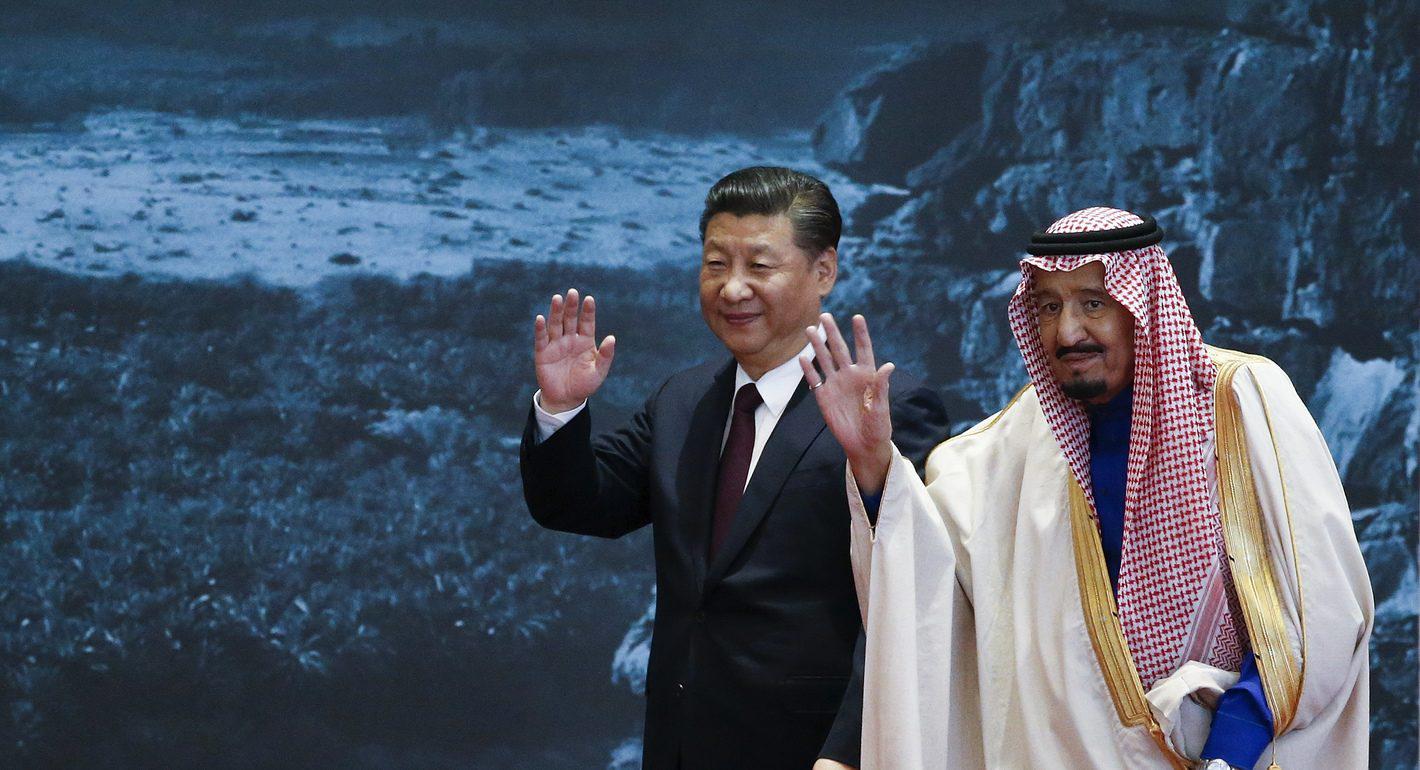
The advantage that China has over other global powers, especially America, is that its foreign policy is closely aligned with those of many of the Middle Eastern countries.


Jin Liangxiang, Maha Yahya, Hesham Alghannam
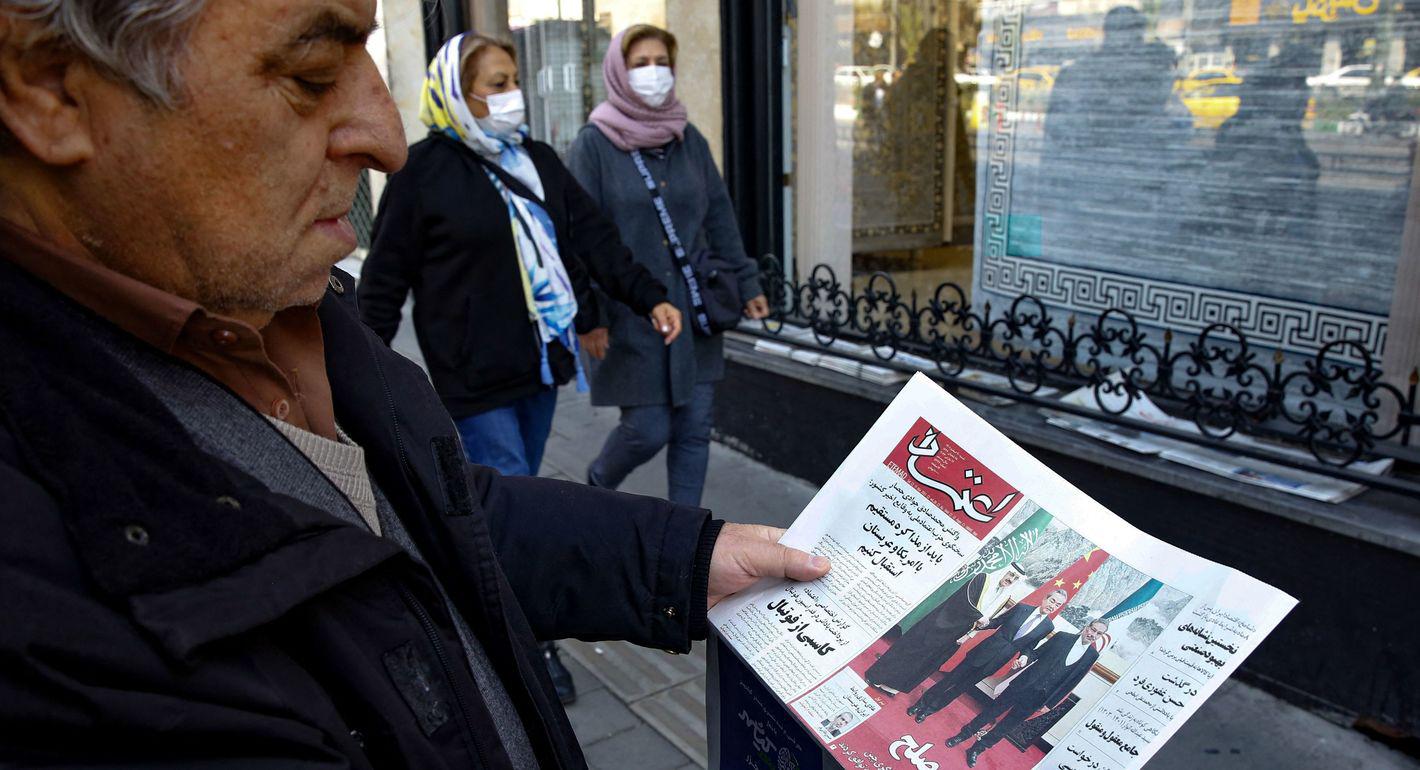
Transactional relationships are stable but can be shallow.

Paul Haenle, Maha Yahya, Benjamin Ho, …
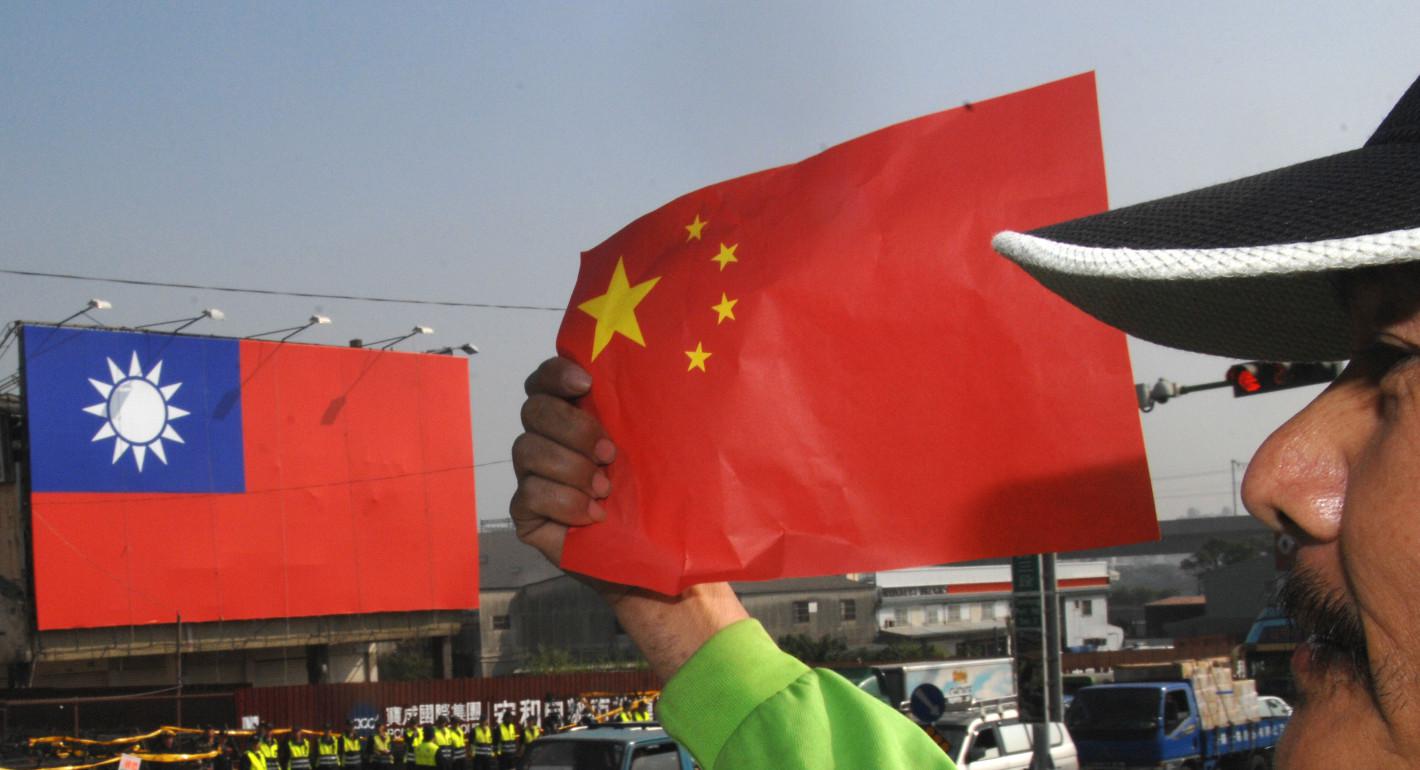
Beijing says that over 180 countries accept its “one China principle” regarding Taiwan, but the reality is more complicated.

Chong Ja Ian
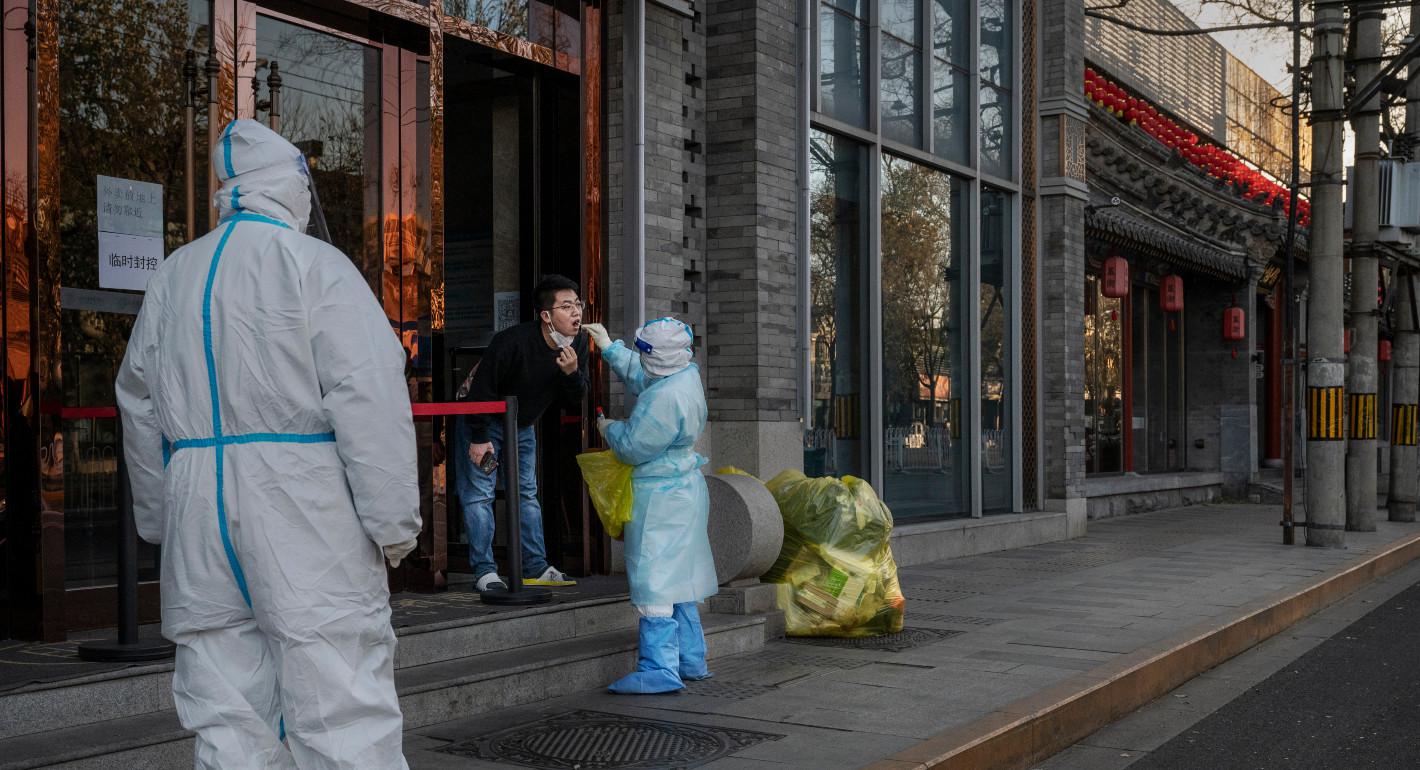
Beijing must choose between preserving its pandemic narrative or facing more unrest.
Paul Haenle
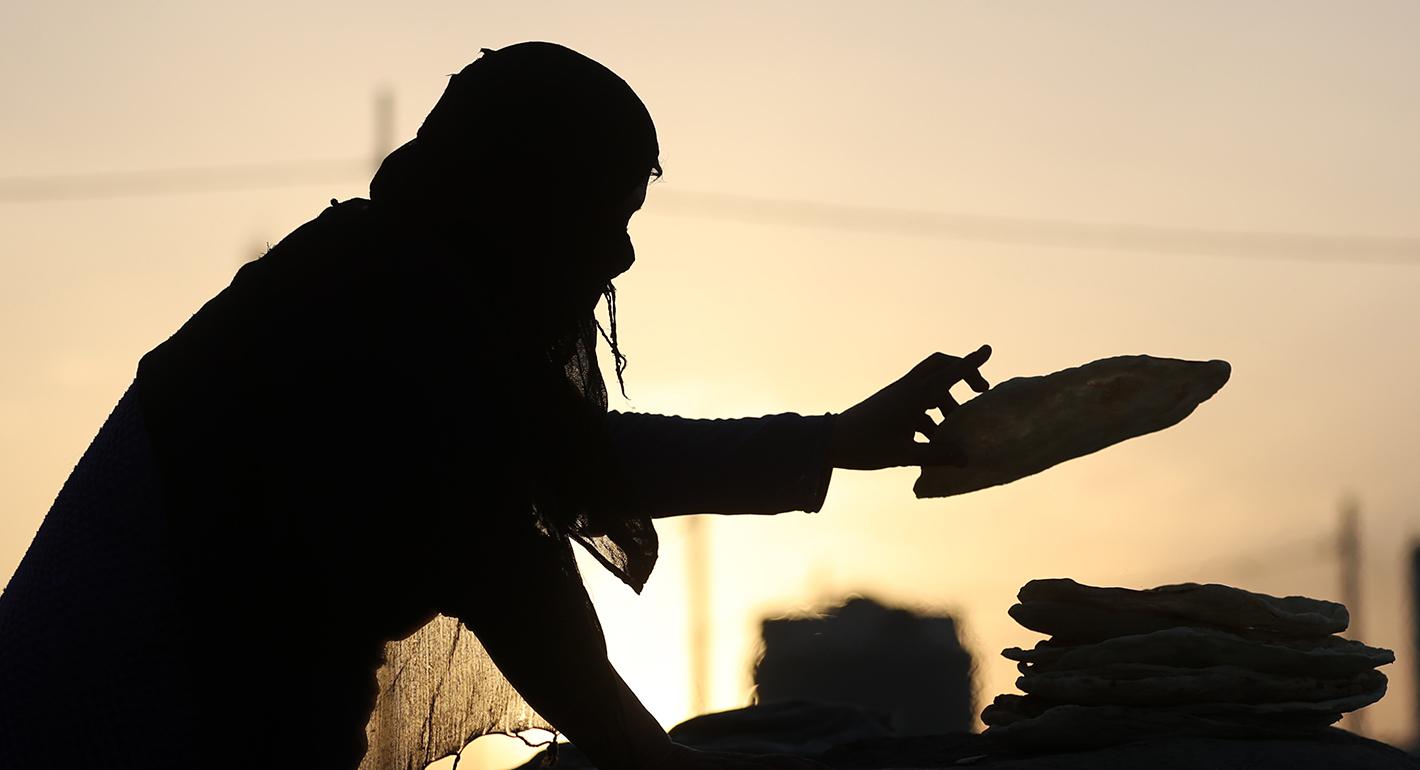
It’s about managing oil prices, bread prices, and strategic partnerships.



Amr Hamzawy, Karim Sadjadpour, Aaron David Miller, …