


Q&A
Deepti Choubey
{
  "authors": [
    "Deepti Choubey"
  ],
  "type": "legacyinthemedia",
  "centerAffiliationAll": "dc",
  "centers": [
    "Carnegie Endowment for International Peace"
  ],
  "collections": [],
  "englishNewsletterAll": "ctw",
  "nonEnglishNewsletterAll": "",
  "primaryCenter": "Carnegie Endowment for International Peace",
  "programAffiliation": "NPP",
  "programs": [
    "Nuclear Policy"
  ],
  "projects": [],
  "regions": [
    "Middle East",
    "Iran"
  ],
  "topics": [
    "Nuclear Policy"
  ]
}
Source: Getty
In the aftermath of the P5+1 nuclear talks in Geneva, the focus should be on finding a face-saving arrangement in which Iran could enrich uranium, but below the high enrichment levels needed for nuclear weapons.
Source: Agenda with Steve Paikin
The international community has few good choices available to them, in the face of Iran’s nuclear program. The disclosure of Iran’s enrichment facility at Qom has changed the global context. The international community could press Iran harder to negotiate and provide the incentive for Russia and China, both veto-wielding members of the UN Security Council, to ensure that Iran does not continue to flaunt legally binding resolutions against its nuclear program. Deepti Choubey says:
“What we should be focusing on are face-saving measures that can be taken where there will be an accommodation on both sides. And the proposal about the [Tehran] research reactor and taking the low enriched uranium out to a third party state like Russia and France could be the basis of a long-term solution.”
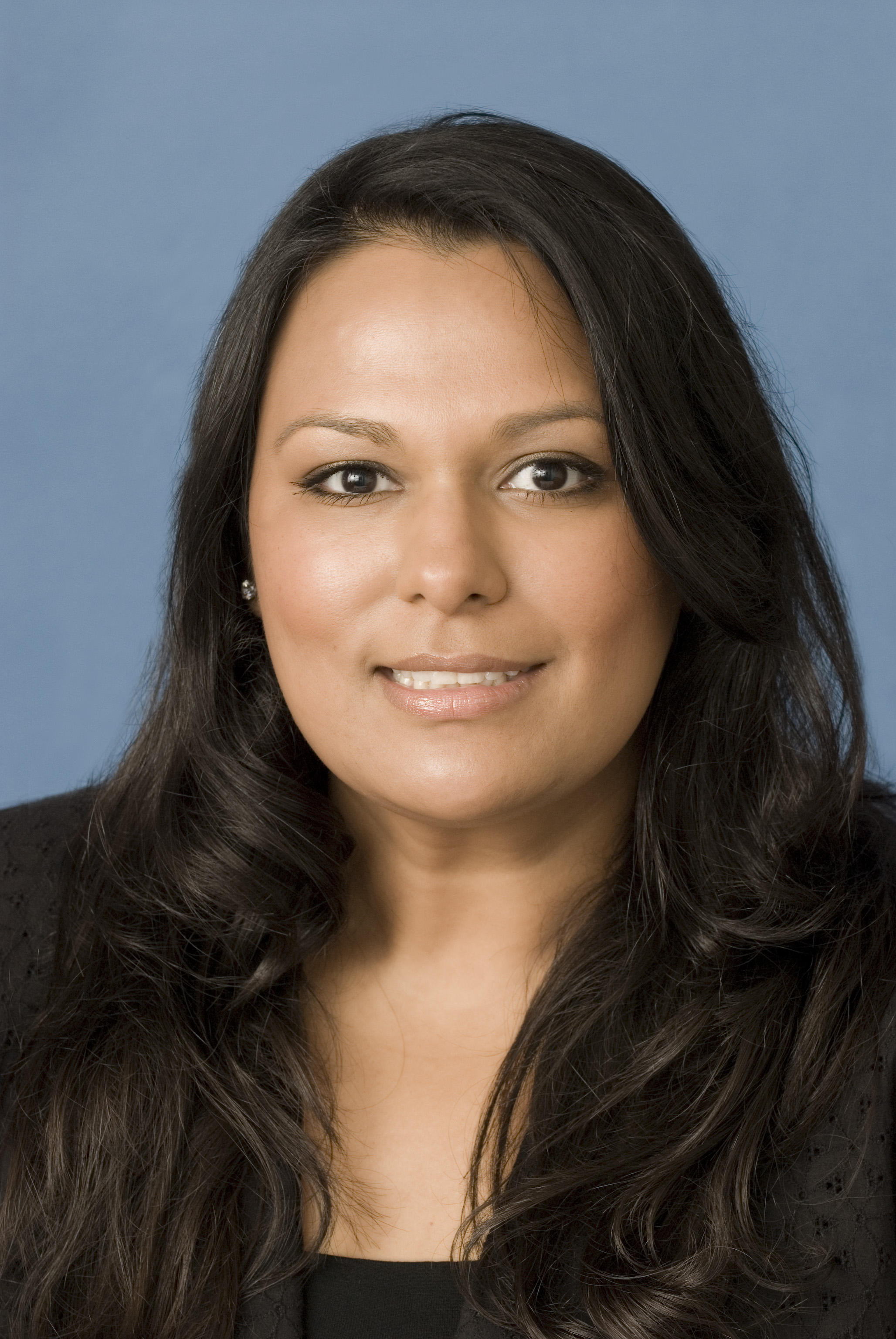
Former Deputy Director, Nuclear Policy Program
Choubey was previously the director of the Peace and Security Initiative for the Ploughshares Fund. She also worked for Ambassador Nancy Soderberg in the New York office of the International Crisis Group.
Recent Work
Deepti Choubey
Deepti Choubey
Carnegie does not take institutional positions on public policy issues; the views represented herein are those of the author(s) and do not necessarily reflect the views of Carnegie, its staff, or its trustees.
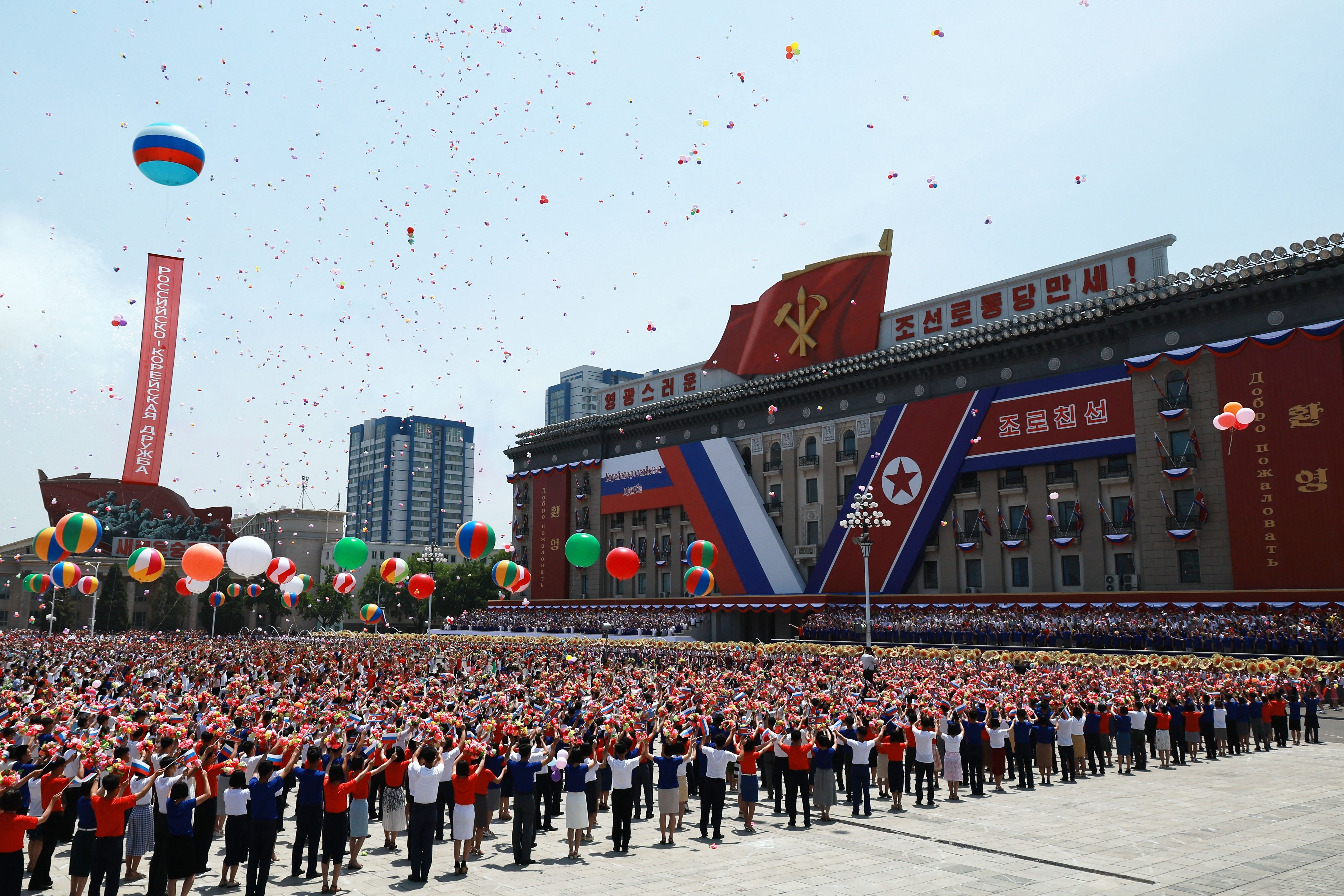
Faced with an increase in strategic maneuvering by Moscow and Pyongyang, Beijing will not sit idly by and allow Putin and Kim to shape the security environment on its behalf.

Tong Zhao
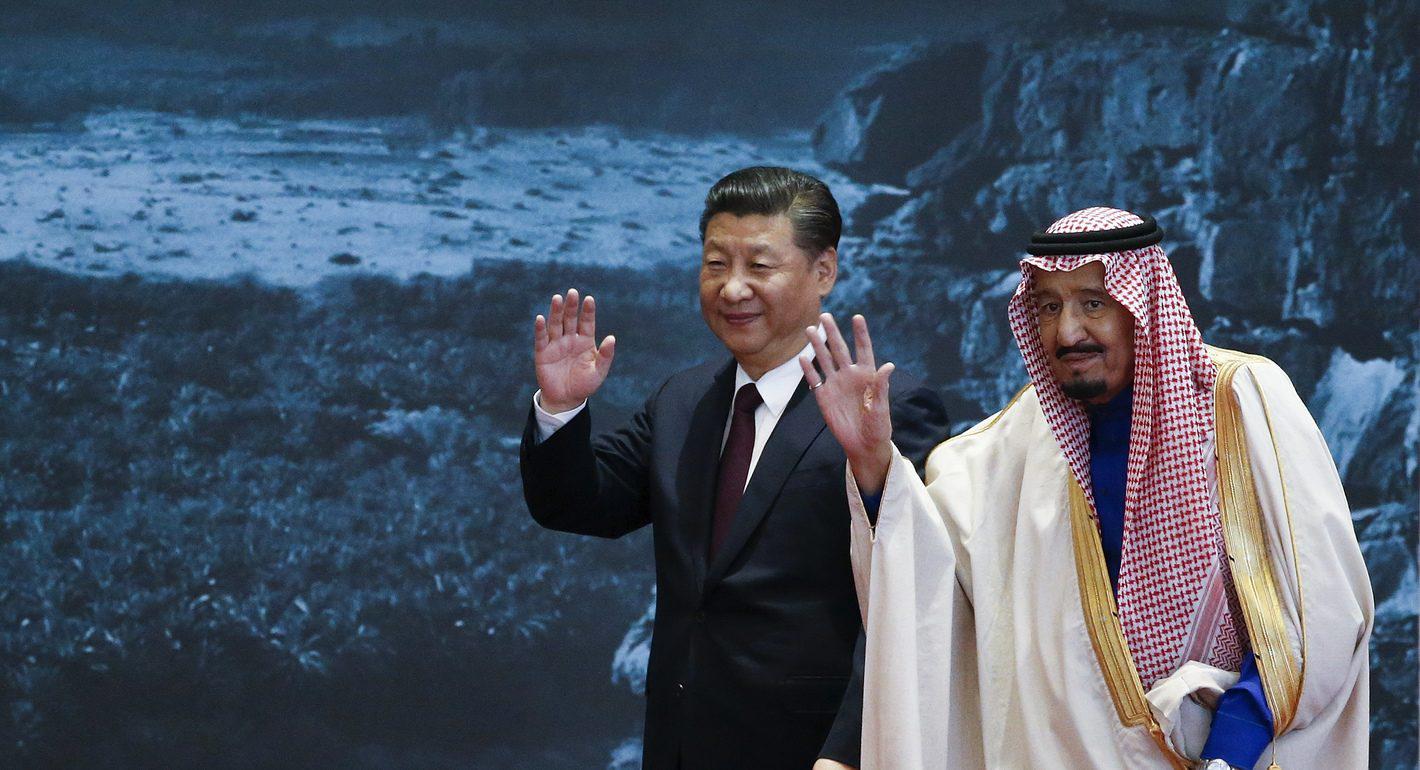
The advantage that China has over other global powers, especially America, is that its foreign policy is closely aligned with those of many of the Middle Eastern countries.


Jin Liangxiang, Maha Yahya, Hesham Alghannam

China views U.S. missile defense as posing a greater potential threat to China’s nuclear deterrent than other U.S. military capabilities.
Tong Zhao, Dmitry Stefanovich
“It’s not so clear how we’re going to get out of this.”

Paul Haenle, Philippe Le Corre

It’s about managing oil prices, bread prices, and strategic partnerships.



Amr Hamzawy, Karim Sadjadpour, Aaron David Miller, …