

Article
Pierre Goldschmidt
{
  "authors": [
    "Pierre Goldschmidt"
  ],
  "type": "legacyinthemedia",
  "centerAffiliationAll": "dc",
  "centers": [
    "Carnegie Endowment for International Peace"
  ],
  "collections": [],
  "englishNewsletterAll": "ctw",
  "nonEnglishNewsletterAll": "",
  "primaryCenter": "Carnegie Endowment for International Peace",
  "programAffiliation": "NPP",
  "programs": [
    "Nuclear Policy"
  ],
  "projects": [],
  "regions": [
    "North America",
    "South America"
  ],
  "topics": [
    "Nuclear Policy",
    "Nuclear Energy"
  ]
}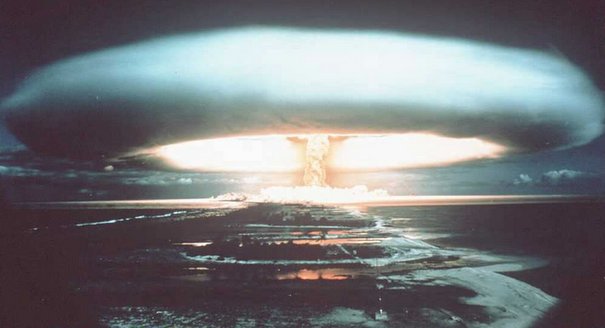
Source: Getty
Brazil's refusal to implement the Additional Protocol to its safeguards agreement with the IAEA weakens the nonproliferation regime as a whole. Brazil should lead by example and sign and ratify the Protocol before the opening of the 2010 NPT Review Conference.
Source: Paper presented in Rio de Janeiro

Brazil’s refusal to implement the Additional Protocol to its safeguards agreement with the IAEA weakens the nonproliferation regime as a whole and blocks the Nuclear Suppliers Group from making the Additional Protocol an export condition for sensitive nuclear fuel cycle-related activities. Moreover, a PhD thesis recently published in Brazil on numerical simulations of thermonuclear detonations and ensuing statements by high-ranking Brazilian officials about lending support to the development of nuclear weapons have been particularly worrisome. As a great nation and a key member of the IAEA, Brazil should lead by example and comply with IAEA General Conference resolutions by signing and ratifying the IAEA’s Additional Protocol, hopefully before the opening of the 2010 NPT Review Conference.
Additional resources from the seminar are now available at the NPSGlobal website.
Former Nonresident Senior Associate, Nuclear Policy Program
Goldschmidt was a nonresident senior associate at the Carnegie Endowment.
Recent Work
Pierre Goldschmidt
Pierre Goldschmidt
Carnegie does not take institutional positions on public policy issues; the views represented herein are those of the author(s) and do not necessarily reflect the views of Carnegie, its staff, or its trustees.

China has showcased its engineering prowess with small modular reactor demonstration projects. But turning these technological achievements into commercial success will be a greater challenge.

Tong Zhao

The nuclear relationship between China and the United States is increasingly shaped by widening perception gaps rather than deliberate strategic design.
Tong Zhao
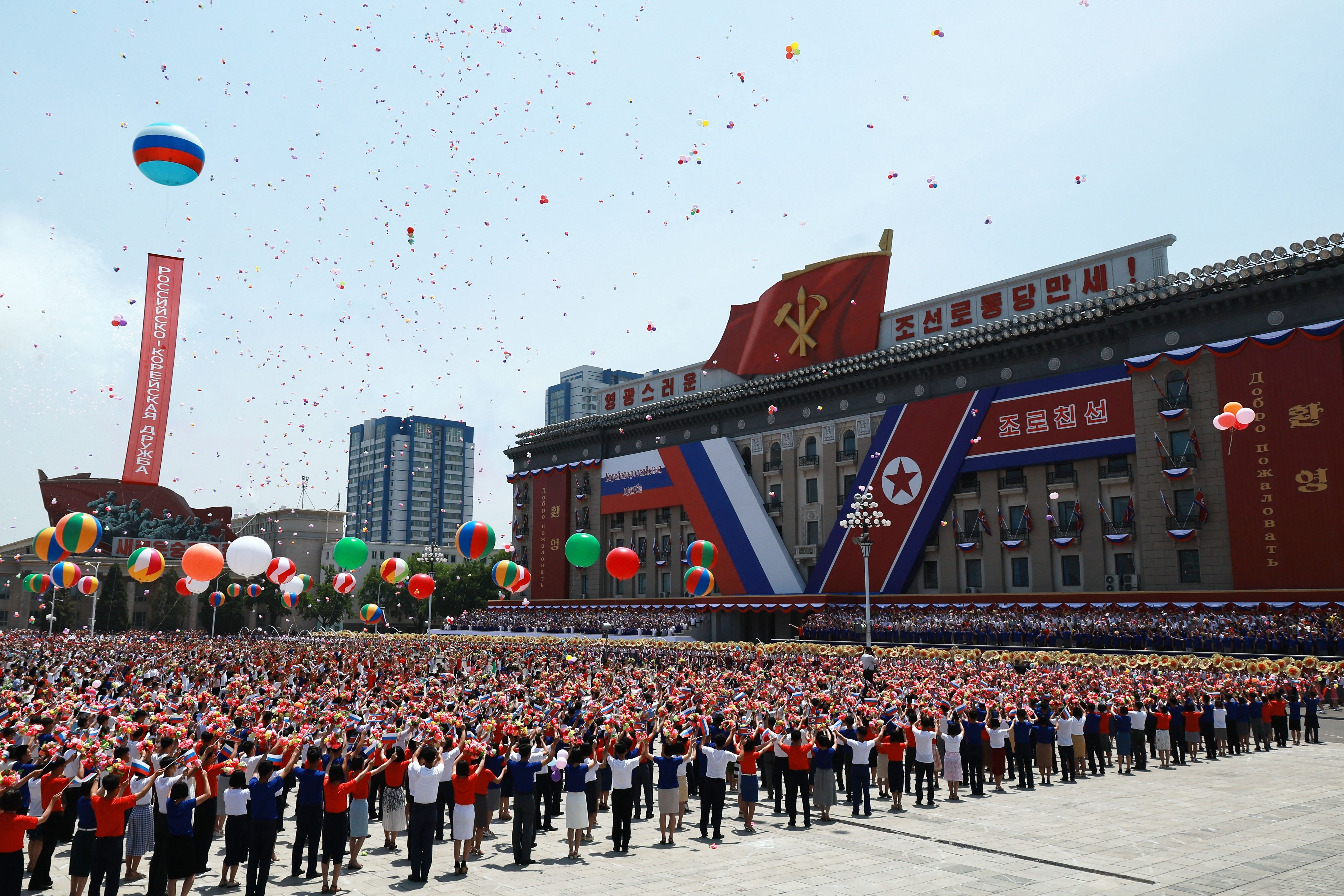
Faced with an increase in strategic maneuvering by Moscow and Pyongyang, Beijing will not sit idly by and allow Putin and Kim to shape the security environment on its behalf.
Tong Zhao
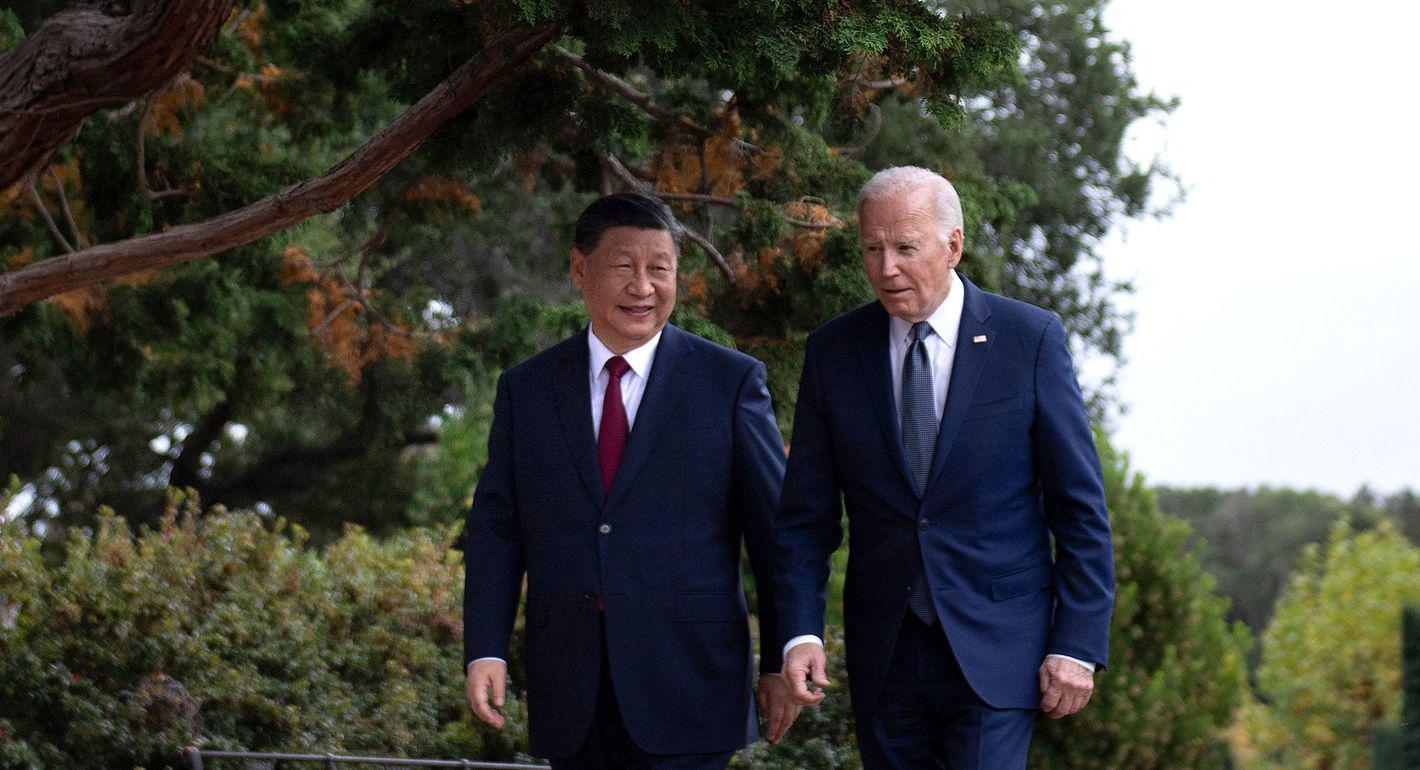
Carnegie China scholars share their assessment of the Biden-Xi meeting and its implications for U.S.-China relations going forward.



Paul Haenle, Xue Gong, Ngeow Chow Bing, …
Southeast Asian capitals would prefer that the U.S. and PRC manage their relationship, if not get along.

Paul Haenle, Chong Ja Ian