

Paper
Ashley J. Tellis
{
  "authors": [
    "Ashley J. Tellis"
  ],
  "type": "other",
  "centerAffiliationAll": "dc",
  "centers": [
    "Carnegie Endowment for International Peace"
  ],
  "collections": [],
  "englishNewsletterAll": "ctw",
  "nonEnglishNewsletterAll": "",
  "primaryCenter": "Carnegie Endowment for International Peace",
  "programAffiliation": "SAP",
  "programs": [
    "South Asia"
  ],
  "projects": [],
  "regions": [
    "North America",
    "United States",
    "South Asia",
    "India",
    "Pakistan"
  ],
  "topics": [
    "Security",
    "Foreign Policy",
    "Nuclear Policy"
  ]
}
Source: Getty
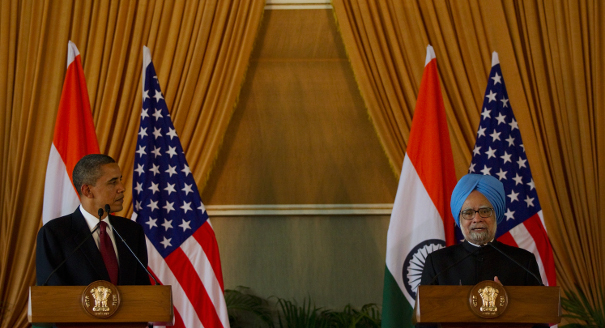
The United States and India must agree on three vital security issues to ensure that their relations continue to deepen: terrorism, Kashmir, and the balance of power in Asia.
On the eve of Indian Prime Minister Manmohan Singh’s first state visit to Washington since Barack Obama took office, the United States and India must agree on three vital security issues to ensure that their relations continue to deepen: terrorism, Kashmir, and the balance of power in Asia.
U.S.–India relations are off to a strong start under President Obama following an unprecedented strengthening during the Bush administration. Secretary of State Hillary Clinton scored high points on her visit to India in July, emphasizing economic and social development, and making a number of symbolic gestures to reaffirm India’s importance to the Obama administration. But relations can only advance so far unless India is assured of U.S. support on its major security challenges.
Key Conclusions:
“Prime Minister Manmohan Singh’s forthcoming state visit to Washington offers the Obama administration a splendid opportunity to engage on these issues, and also on the U.S. priorities of climate change, nonproliferation, and economic and defense cooperation,” writes Tellis. “The success and durability of the partnership between India and the United States will depend on it.”
Former Senior Fellow
Ashley J. Tellis was a senior fellow at the Carnegie Endowment for International Peace.
Recent Work
Ashley J. Tellis
Ashley J. Tellis
Carnegie does not take institutional positions on public policy issues; the views represented herein are those of the author(s) and do not necessarily reflect the views of Carnegie, its staff, or its trustees.

Malaysia’s chairmanship sought to fend off short-term challenges while laying the groundwork for minimizing ASEAN’s longer-term exposure to external stresses.

Elina Noor

For Malaysia, the conjunction that works is “and” not “or” when it comes to the United States and China.
Elina Noor
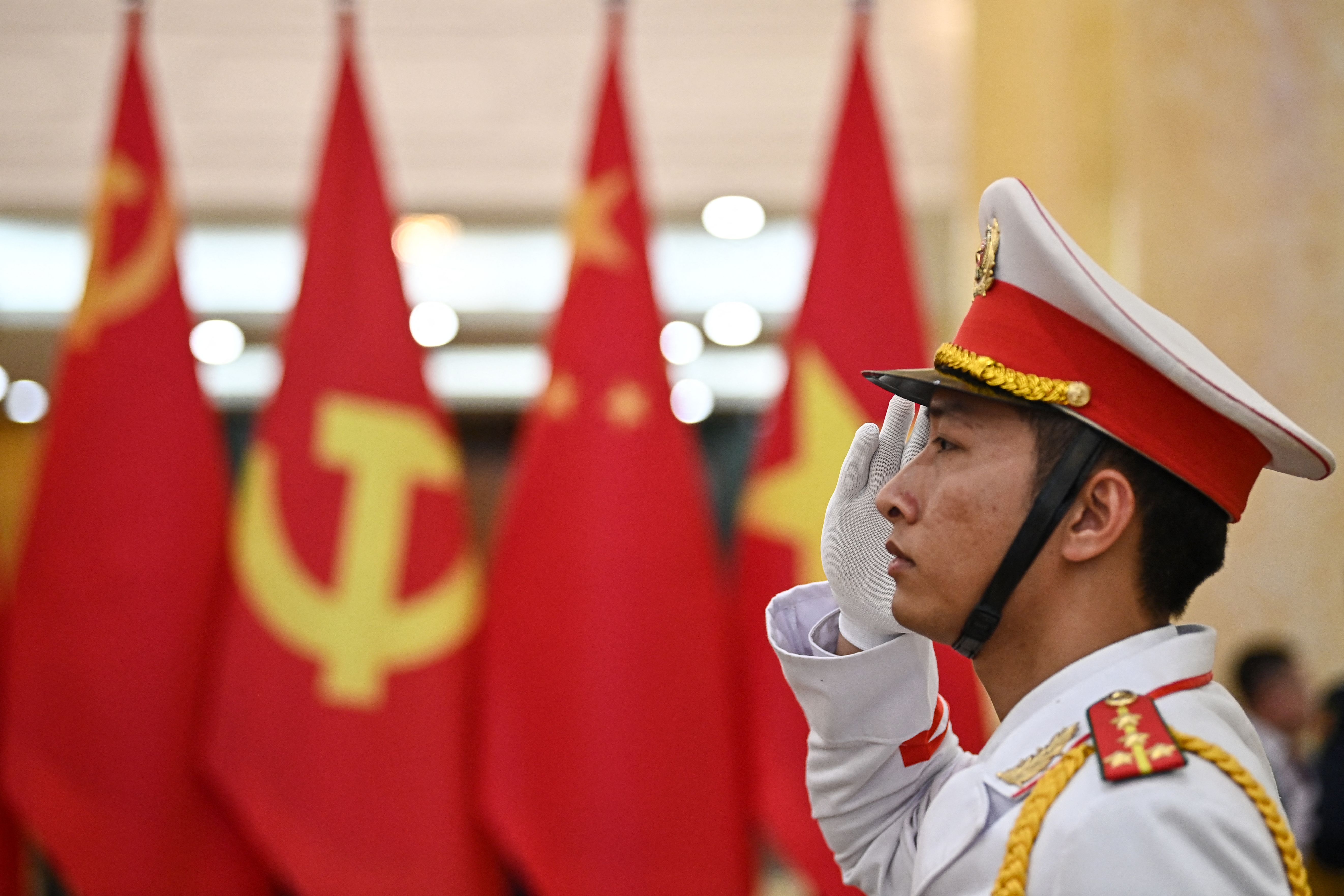
In July 2025, Vietnam and China held their first joint army drill, a modest but symbolic move reflecting Hanoi’s strategic hedging amid U.S.–China rivalry.

Nguyễn Khắc Giang

Regulation, not embargo, allows Beijing to shape how other countries and firms adapt to its terms.
Alvin Camba
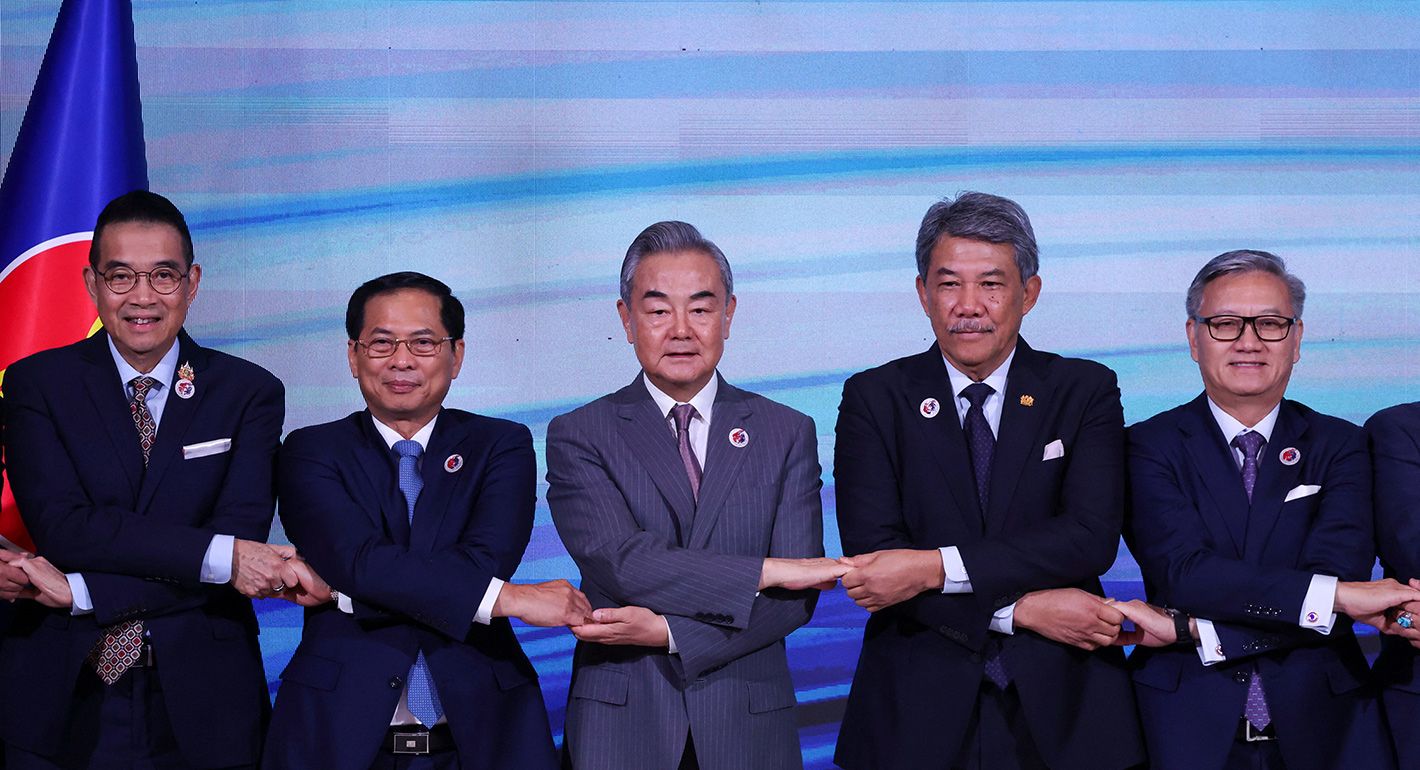
The Thai-Cambodian conflict highlights the limits to China's peacemaker ambition and the significance of this role on Southeast Asia’s balance of power.

Pongphisoot (Paul) Busbarat