

Commentary
The Thai-Cambodian conflict highlights the limits to China's peacemaker ambition and the significance of this role on Southeast Asia’s balance of power.
Pongphisoot (Paul) Busbarat
{
  "authors": [],
  "type": "pressRelease",
  "centerAffiliationAll": "dc",
  "centers": [
    "Carnegie Endowment for International Peace"
  ],
  "collections": [],
  "englishNewsletterAll": "menaTransitions",
  "nonEnglishNewsletterAll": "",
  "primaryCenter": "Carnegie Endowment for International Peace",
  "programAffiliation": "MEP",
  "programs": [
    "Middle East"
  ],
  "projects": [],
  "regions": [
    "North Africa",
    "Algeria"
  ],
  "topics": [
    "Security"
  ]
}
REQUIRED IMAGE
Al-Qaeda in the Islamic Maghreb (AQIM)—an Algerian jihadi group that pledged allegiance to Osama bin Laden in 2006—garnered worldwide media exposure after simultaneous attacks in December 2007 on the UN building and the Constitutional Court in Algiers. AQIM, however, has not been able to sustain this level of violence and failed to transform itself into a North Africa-wide organization.
WASHINGTON, Dec 1—Al-Qaeda in the Islamic Maghreb (AQIM)—an Algerian jihadi group that pledged allegiance to Osama bin Laden in 2006—garnered worldwide media exposure after simultaneous attacks in December 2007 on the United Nations building and the Constitutional Court in Algiers. AQIM, however, has not been able to sustain this level of violence and failed to transform itself into a North Africa-wide organization, contends a new paper by Jean-Pierre Filiu.
AQIM’s global aims have been thwarted by the Algerian government’s more effective military strategy and the collapse of al-Qaeda in Iraq—the conflict in Iraq helped attract followers. Violent incidents fell from 200 in 2007 to below 150 in 2008. Still, the danger of terrorism in the region is real and considerable attention should be devoted to North Africa and the Sahel.
Methods to contain and ultimately eradicate al-Qaeda in the Islamic Maghreb:
“AQIM is deeply rooted in Algeria’s recent history of violence and strife, but the organization’s heavy legacy limits its global potential,” says Filiu. “The security paradox posed by AQIM is that its inability to project its ‘global’ terror beyond Africa intensifies the pressures from al-Qaeda central to achieve such a breakthrough and to force the Algerian jihadi leadership to live up to this commitment.”
###
NOTES
Carnegie does not take institutional positions on public policy issues; the views represented herein are those of the author(s) and do not necessarily reflect the views of Carnegie, its staff, or its trustees.
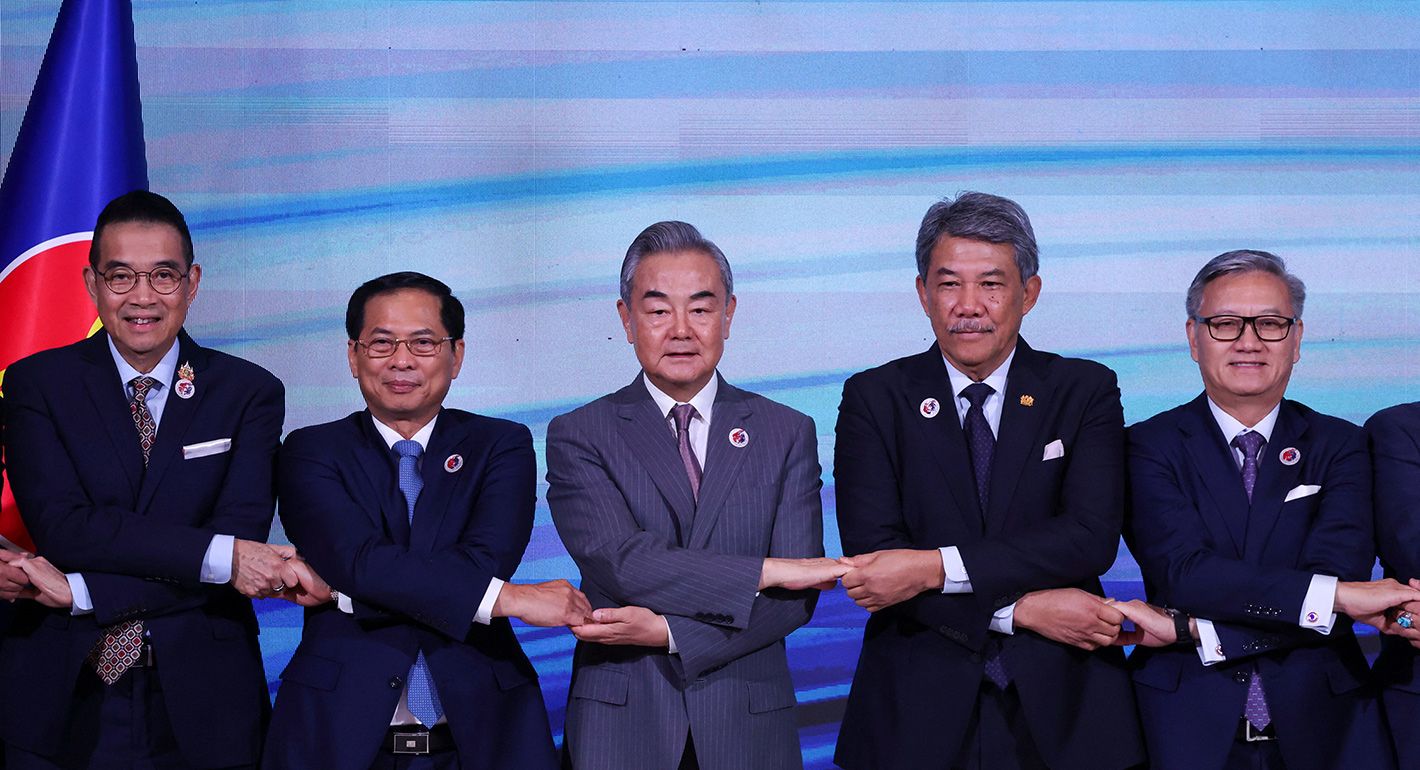
The Thai-Cambodian conflict highlights the limits to China's peacemaker ambition and the significance of this role on Southeast Asia’s balance of power.

Pongphisoot (Paul) Busbarat

Beijing believes that Washington is overestimating its own leverage and its ability to handle the trade war’s impacts.


Rick Waters, Sheena Chestnut Greitens
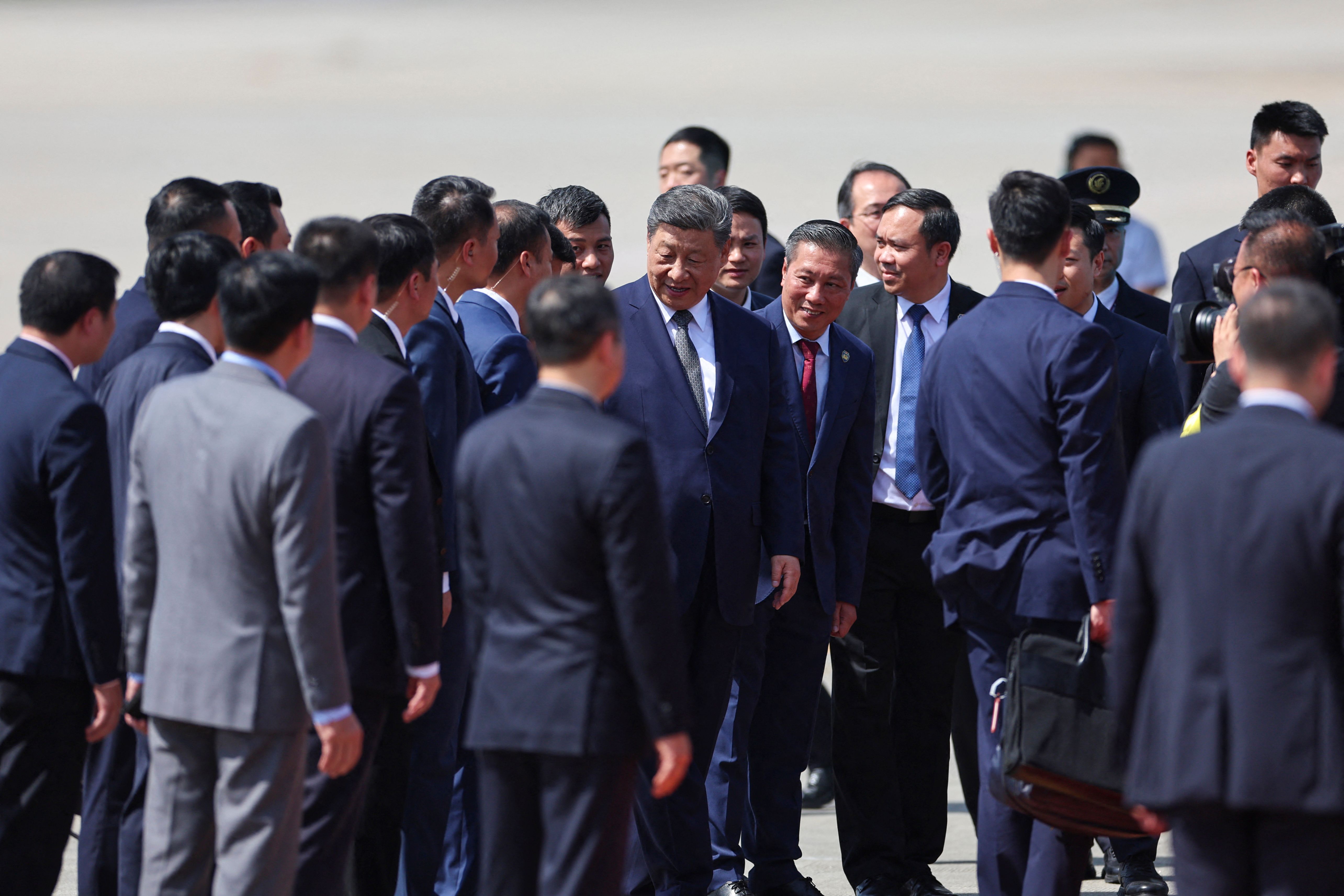
Tapping our network of China experts in the region, Carnegie China offers this latest “China Through a Southeast Asian Lens” report to offer preliminary assessments of whether the U.S. effort to reshape the global trading order will lead countries in the region to tilt toward Beijing.



Selina Ho, Khin Khin Kyaw Kyee, Joseph Ching Velasco, …
Because strategic, economic, and ideological perceptions of China contain multiple, sometimes contradictory facets in Southeast Asia, receptions of and responses to Beijing diverge across and within state lines.



Evan A. Feigenbaum, Chong Ja Ian, Elina Noor
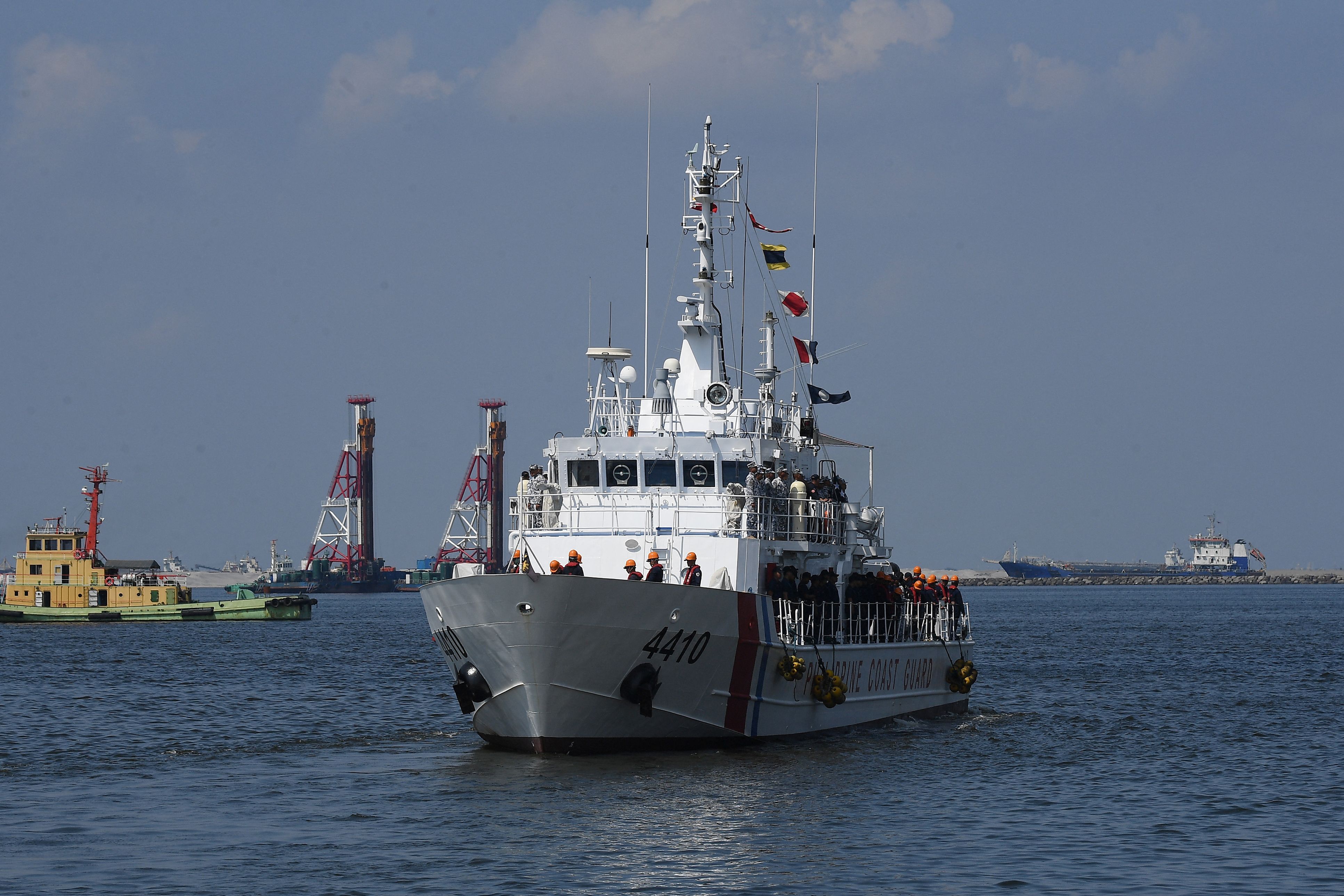
Most Southeast Asian states behave as if the actions of their Northeast Asian neighbors and the Philippines will be sufficient to maintain a regional status quo from which they can benefit.
Chong Ja Ian