

Paper
The nuclear relationship between China and the United States is increasingly shaped by widening perception gaps rather than deliberate strategic design.
Tong Zhao
{
  "authors": [
    "Kimberly Misher"
  ],
  "type": "other",
  "centerAffiliationAll": "dc",
  "centers": [
    "Carnegie Endowment for International Peace"
  ],
  "collections": [],
  "englishNewsletterAll": "ctw",
  "nonEnglishNewsletterAll": "",
  "primaryCenter": "Carnegie Endowment for International Peace",
  "programAffiliation": "NPP",
  "programs": [
    "Nuclear Policy"
  ],
  "projects": [],
  "regions": [
    "North Africa",
    "Egypt"
  ],
  "topics": [
    "Nuclear Policy",
    "Nuclear Energy"
  ]
}
Source: Getty
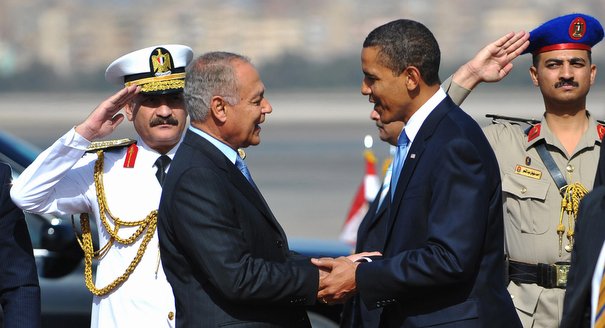
Egypt's role in preventing a nuclear arms race in the Middle East is especially urgent and the 2010 NPT Review Conference is the next best chance to advance its disarmament agenda.
Recognizing Egypt’s critical role in the Arab world, President Obama selected Cairo for a landmark speech in June. To continue to lead the Middle East and enhance regional security, Egypt should work to strengthen the nonproliferation regime. The 2010 Non-Proliferation Treaty (NPT) Review Conference is Egypt's next best chance to advance its disarmament goals, contends a new paper by Kimberly Misher.
Key Conclusions
"Egypt's role in preventing a nuclear arms race in the Middle East is especially urgent. As Iran advances its nuclear capability, Egypt increasingly faces the prospect of being politically sandwiched between two nuclear-armed states," says Misher. "By pressing for security and disarmament within the framework of the Non-Proliferation Treaty (NPT), Egypt may be able to solidify Arab perspectives on arms control and strengthen its regional leadership."
Kimberly Misher
Former Program Manager, Nuclear Policy Program
Carnegie does not take institutional positions on public policy issues; the views represented herein are those of the author(s) and do not necessarily reflect the views of Carnegie, its staff, or its trustees.

The nuclear relationship between China and the United States is increasingly shaped by widening perception gaps rather than deliberate strategic design.

Tong Zhao
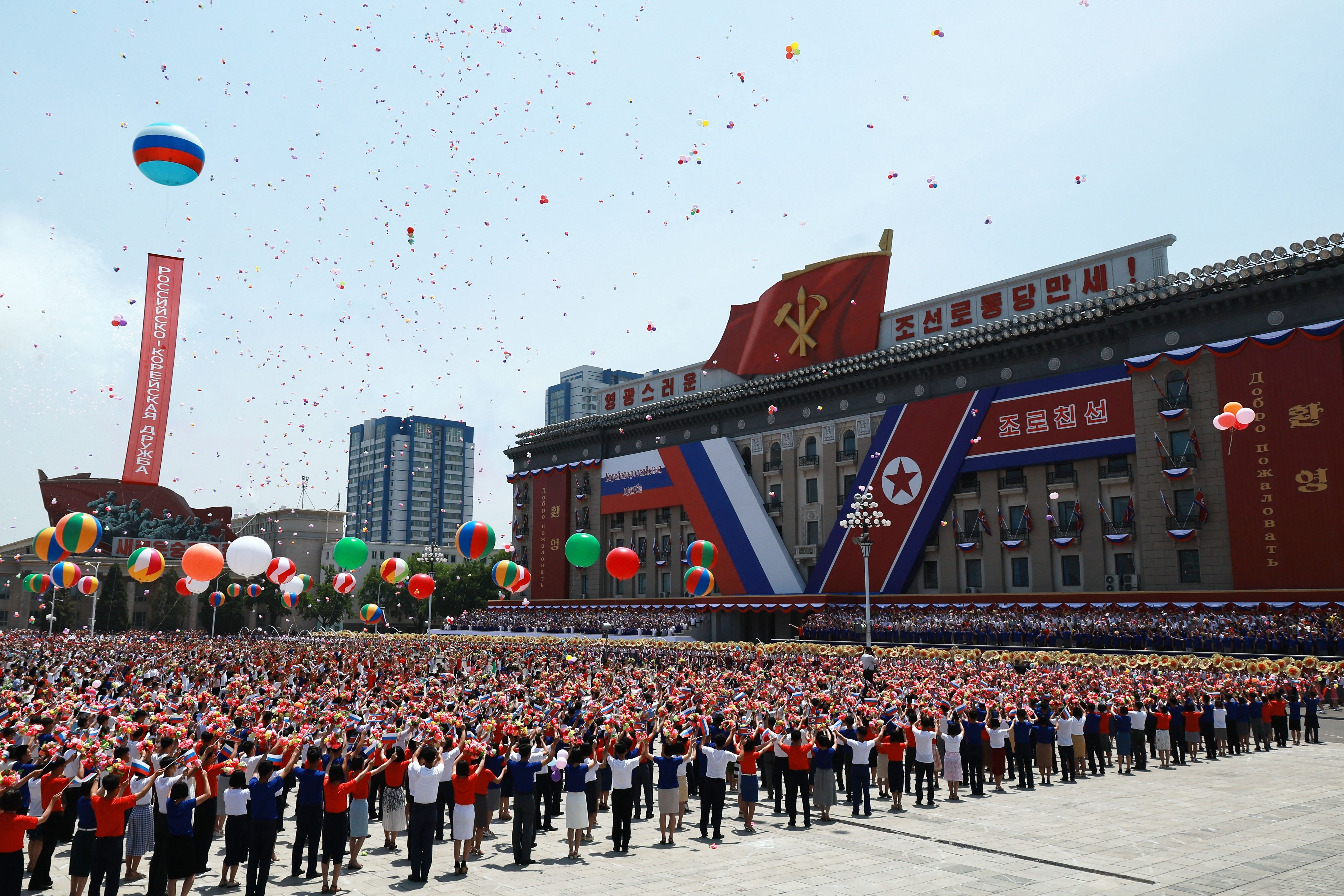
Faced with an increase in strategic maneuvering by Moscow and Pyongyang, Beijing will not sit idly by and allow Putin and Kim to shape the security environment on its behalf.
Tong Zhao

China views U.S. missile defense as posing a greater potential threat to China’s nuclear deterrent than other U.S. military capabilities.
Tong Zhao, Dmitry Stefanovich

It’s about managing oil prices, bread prices, and strategic partnerships.



Amr Hamzawy, Karim Sadjadpour, Aaron David Miller, …
There are certainly other issues among other P5 countries, but the U.S.-China competition is so by far the most consequential great power rivalry in the international system, and it has very far-reaching geopolitical implications at and beyond the Pacific region.
Tong Zhao