

Q&A
Deepti Choubey
{
  "authors": [
    "Deepti Choubey"
  ],
  "type": "legacyinthemedia",
  "centerAffiliationAll": "dc",
  "centers": [
    "Carnegie Endowment for International Peace"
  ],
  "collections": [],
  "englishNewsletterAll": "ctw",
  "nonEnglishNewsletterAll": "",
  "primaryCenter": "Carnegie Endowment for International Peace",
  "programAffiliation": "NPP",
  "programs": [
    "Nuclear Policy"
  ],
  "projects": [],
  "regions": [
    "Middle East",
    "Iran"
  ],
  "topics": [
    "Nuclear Policy"
  ]
}
Source: Getty
An International Atomic Energy Agency resolution demanding that Iran immediately suspend the construction of its enrichment facility near Qom is an important signal that the nonproliferation regime does not accept rule-breakers.
Source: CNN

And Deepti, good to see you. Thanks for your time.
What will it take -- I want to cut to the chase here -- to get Iran to suspend construction at the Qom facility?
DEEPTI CHOUBEY, CARNEGIE ENDOWMENT FOR INTL. PEACE: Well, I think that today's resolution from the IAEA is a first step in trying to get to that, to that end game. And what that resolution did is that it sent a very strong signal to the Iranians that the support that it has counted on in the past from states like China and Russia, and even from the non-aligned movement, is no longer there. And what that really means is that the strategic context in which Iran has been operating and trying to play negotiating games has really dramatically changed. So it's...
HARRIS: Do you really believe that? Do you really believe this report, this censure, this scolding, is a game-changer?
CHOUBEY: I think it's very important. One of the -- one of the real issues that's happening in the broader nonproliferation regime is states are concerned that the system of rules are not working as well as they should. So this action by the IAEA, where Iran is being called out for major rule-breaking, is an important signal, and that gives space to other countries, particularly Iran's neighbors, that the rules can work. So one step that's happened which is important is that the rule-breaking has been called out.
HARRIS: Right.
CHOUBEY: Now, whether there are consequences, such as sanctions or things like that, you know, that's a separate question.
HARRIS: Why did Iran back away from the Qom reactor deal earlier this month?
CHOUBEY: Yes, you mean the low-enriched uranium deal, right?
HARRIS: Yes. Absolutely.
CHOUBEY: I think -- I think that Iran is encountering a lot of domestic disarray, and even though they should say yes, it is a great deal for them, they are just unable to say yes yet. However, the signal that's sent to them, where they don't have the cover of Russia and China anymore, you know, we're hoping that those leaders and the regime will wake up. And in the meantime, if they don't, I think they're giving further fodder to the Iranian people that the decisions of this regime, which are already in question after the June 12th elections -- you know, that they're just further delegitimizing themselves.
HARRIS: Yes. Matthew Chance mentioned it just a moment ago. Senior administration officials are certainly telling us now that the United States is prepared to push for significantly stronger sanctions on Iran. What is your view of sanctions? Will tougher sanctions work?
CHOUBEY: Right. And here it's important to remember that in all the debate about sanctions, the real purpose of it is to raise the costs of Iran not talking and not negotiating. So sanctions are a means to an end, and that end is to get them to the table. You know, I think what the hope is right now is that the threat of being called out, that their reputational costs to Iran will get them to reconsider, accept the LEU deal and really engage the major powers.
HARRIS: How about the threat of a military strike on the Qom facility?
CHOUBEY: Right. Well, here the Israelis have said that they will at least hold off until the end of the year. And again, if what the Israelis are doing are just trying to raise the costs of Iran's current course, that's one thing. But I think that we have to be honest and recognize that there is no military solution to this problem and we need all the nations of the world who are engaged in this to do their best to get Iran to the table.
HARRIS: All right, Deepti Choubey, great to see you. Come on back and see us again on this issue.
CHOUBEY: Right. Thank you.

Former Deputy Director, Nuclear Policy Program
Choubey was previously the director of the Peace and Security Initiative for the Ploughshares Fund. She also worked for Ambassador Nancy Soderberg in the New York office of the International Crisis Group.
Recent Work
Deepti Choubey
Deepti Choubey
Carnegie does not take institutional positions on public policy issues; the views represented herein are those of the author(s) and do not necessarily reflect the views of Carnegie, its staff, or its trustees.

The nuclear relationship between China and the United States is increasingly shaped by widening perception gaps rather than deliberate strategic design.

Tong Zhao
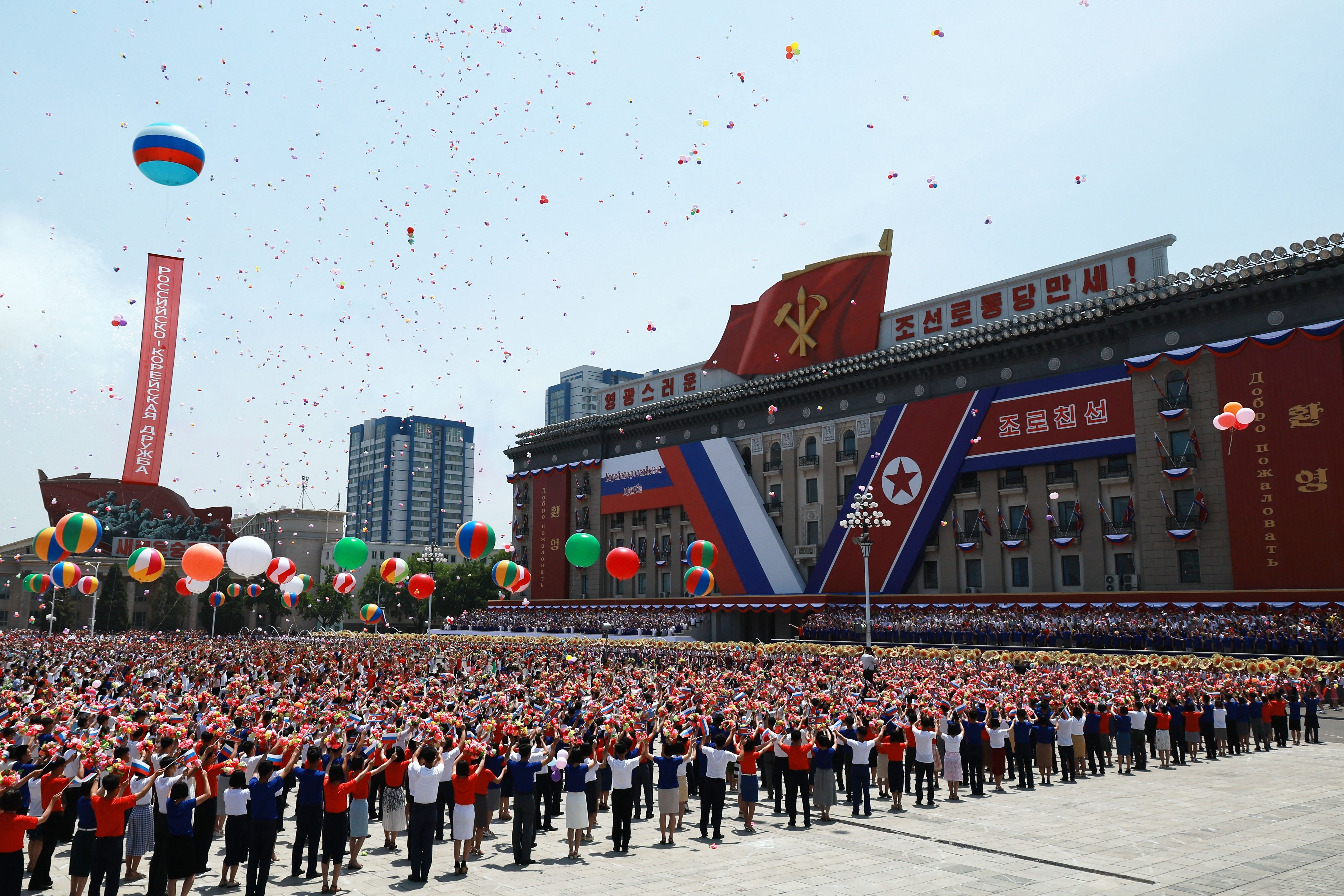
Faced with an increase in strategic maneuvering by Moscow and Pyongyang, Beijing will not sit idly by and allow Putin and Kim to shape the security environment on its behalf.
Tong Zhao
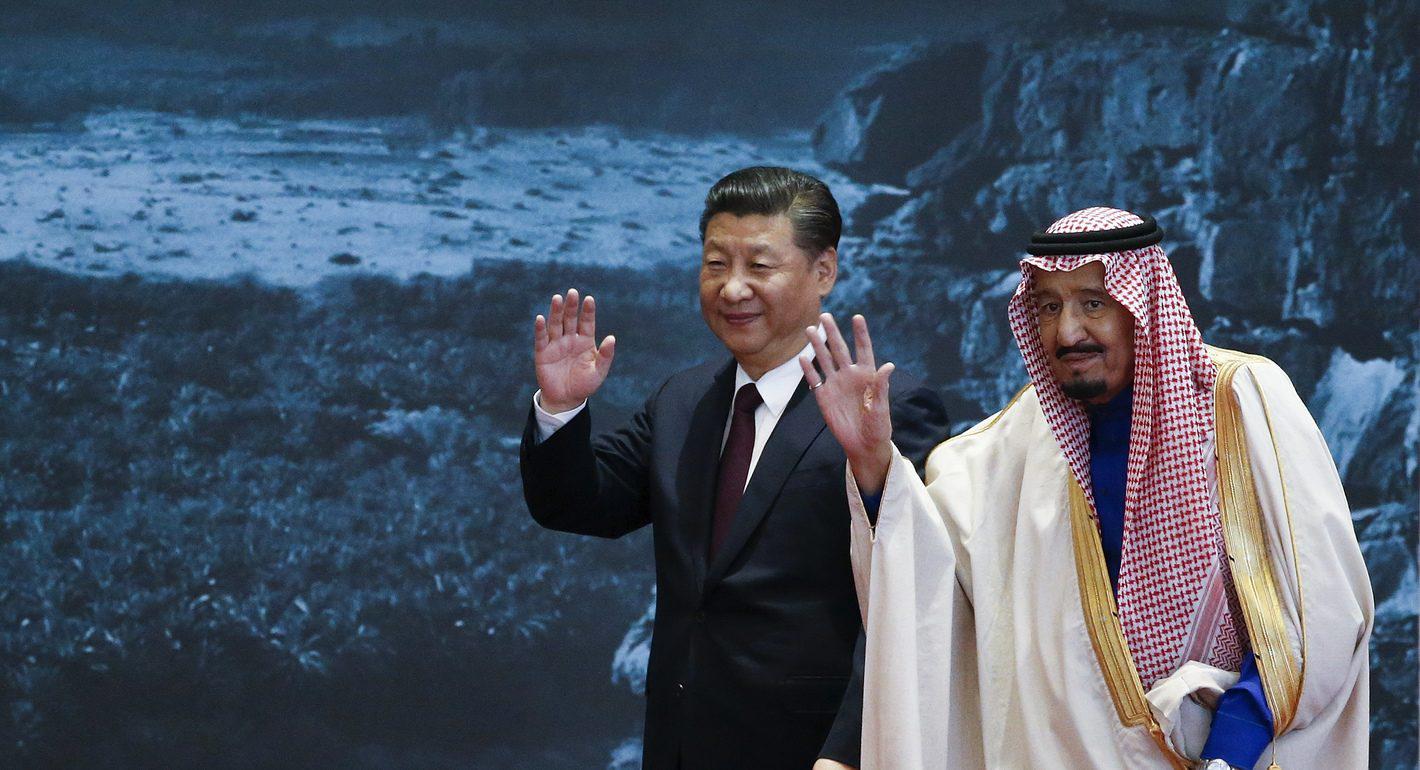
The advantage that China has over other global powers, especially America, is that its foreign policy is closely aligned with those of many of the Middle Eastern countries.


Jin Liangxiang, Maha Yahya, Hesham Alghannam

China views U.S. missile defense as posing a greater potential threat to China’s nuclear deterrent than other U.S. military capabilities.
Tong Zhao, Dmitry Stefanovich
“It’s not so clear how we’re going to get out of this.”

Paul Haenle, Philippe Le Corre