

Q&A
Christopher Boucek
{
  "authors": [
    "Christopher Boucek"
  ],
  "type": "legacyinthemedia",
  "centerAffiliationAll": "dc",
  "centers": [
    "Carnegie Endowment for International Peace"
  ],
  "collections": [],
  "englishNewsletterAll": "menaTransitions",
  "nonEnglishNewsletterAll": "",
  "primaryCenter": "Carnegie Endowment for International Peace",
  "programAffiliation": "MEP",
  "programs": [
    "Middle East"
  ],
  "projects": [],
  "regions": [
    "Middle East",
    "Saudi Arabia"
  ],
  "topics": [
    "Security"
  ]
}
Source: Getty
Saudi Arabia's rehabilitation program for former detainees at Guantanamo Bay includes religious dialogue and relies heavily on families of the former detainees. To date, the program has had a success rate of about 80 percent.
Source: NPR's All Things Considered

Mr. CHRISTOPHER BOUCEK (Associate, Middle East Program at Carnegie Endowment for International Peace): Thank you for having me.
SIEGEL: And critics of the program say the Saudi government is essentially paying return detainees to behave. Explain to us: How does the program actually work?
Mr. BOUCEK: Well, the program is made up of three primary components. The first is intensive religious discussion and debates where you sit down with a religious scholar and they try to draw you out to explain why your beliefs, your actions were founded on a correct interpretation and understanding of Islam. And the scholars then try to present you with evidence to the contrary to demonstrate how you had misunderstood the religion. They do this in connection with a series of other things like, teaching you the rules of jihad - what's authorized and what's permitted. And then the other components of the program include expensive social support.
So, while you're in custody, your family's taking care of. And then there are programs that help facilitate your return into society, say helping you to get a job or getting a car and getting a place to live. And the third part is this implicit message of family responsibility. So, when you get released, you're released into the care of your family and they're responsible. So, should you get in trouble then the government goes back to your family.
SIEGEL: Now, we've heard about a small number of Saudis who've gone from Guantanamo to Saudi Arabia. I gather through the rehabilitation program and then to al-Qaida in the Arabian Peninsula group. What so far as you know is the score for this program? How many people have done that and how many people seemed to have return to peaceable normal lives?
Mr. BOUCEK: Well, 120 Saudi nationals have been repatriated from Guantanamo. Of that, 26 are either in custody, are wanted or have been killed in security incidents. So, that's about 20, 80 percent. So, the 80 percent have yet to break any laws or do anything that the authorities are aware of.
SIEGEL: Have there actually been examples of families of detainees or people in the rehabilitation program that felt the consequences of their relative not doing well in the program?
Mr. BOUCEK: Well, actually one of the Saudis who appeared in this al-Qaida in the Arabian Peninsula video in January of this year, Muhammad al-Oufi, he came back from Guantanamo, went through one of these rehabilitation programs and then ran off to Yemen with these other guys. And one of the things that the government did straight away, was they went to go visit his family, a very senior member of the royal family went and said, I can't believe that your son, your brother or your husband ran off and left you here all alone, you know. I can't believe that. We're going to make sure that nothing happens to you while he's away. We're going to provide for you. And they gave a whole bunch of money and very kind of indirectly, or maybe not so indirectly, the message was sent that you should really do everything you can to help your loved one come back to Saudi Arabia. And pretty quickly, Muhammad turned himself into the Yemeni authorities, and then the Saudi authorities, so using people's families or something that they try to get people back.
SIEGEL: Well, I understand there's a lot of psychology at work in all of this. It does seem a program that's more easily run by a country where there's a lot of cash floating around than in a country that can't afford to put the families of detainees on, you know, the government payroll effectively or give them a nice retainer. That sounds like it's not a universally applicable program that you're talking about.
Mr. BOUCEK: Oh, absolutely. I mean these programs are incredibly expensive. And the fact that the ministry of interior has been given a blank check to do this makes it very easy. And the Saudis have spared no expense in trying to put these programs together. Other countries like Yemen, you know, we have incredible difficulty doing these things because they don't have the financial resources. But the other things that help the Saudis do this are things like the religious legitimacy and the authority of the state and the power of the state to do this.
So, in a society where the state provides everything for you, it could be a very painful experience when the state turns off the tap and takes some of those things away. So, these are some very cheap methods of social control of the Saudis have used.
SIEGEL: Christopher Boucek, associate in the Middle East Program at the Carnegie Endowment for International Peace. Thank you very much for talking with us today.
Mr. BOUCEK: Thank you.
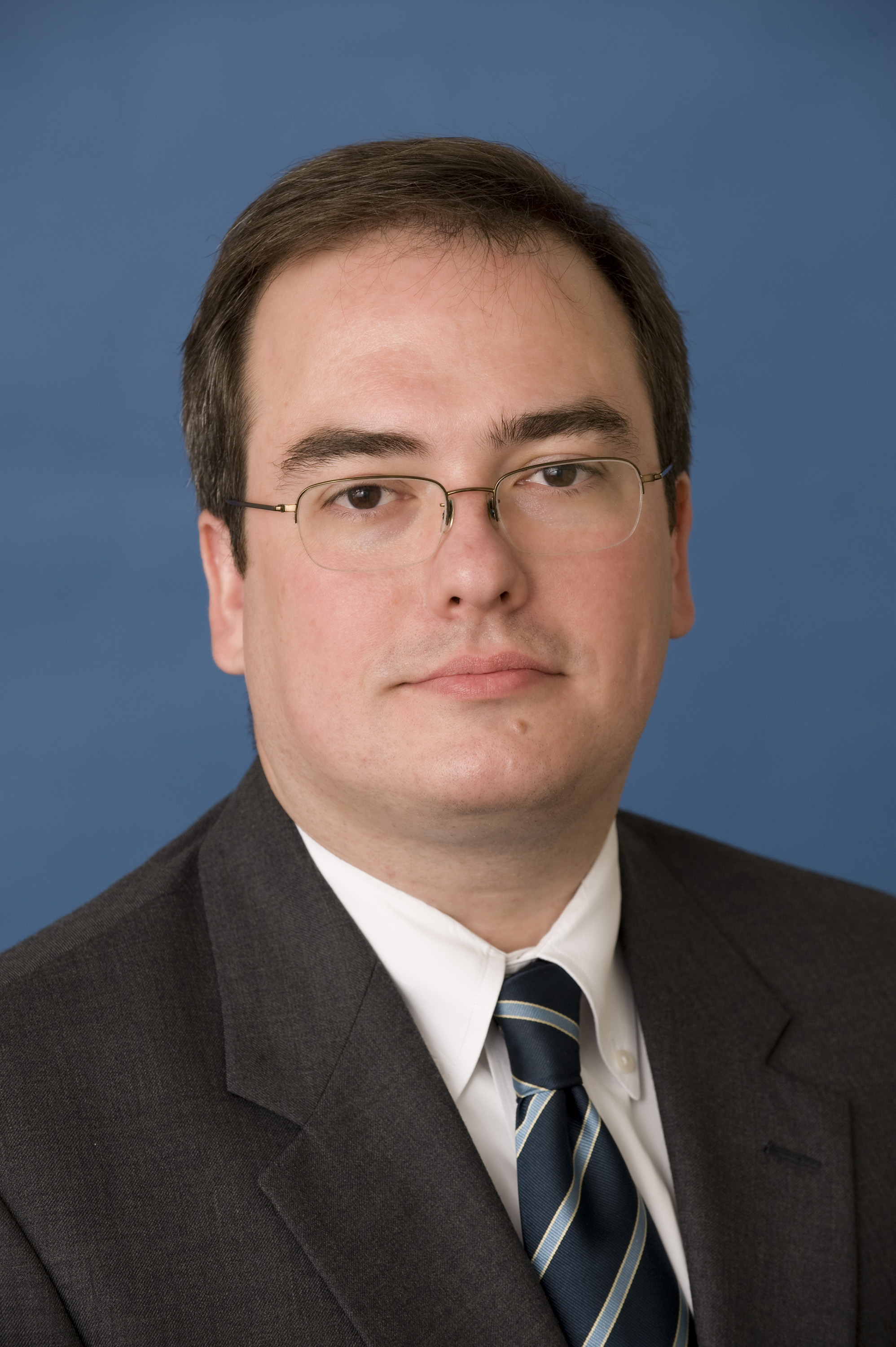
Former Associate, Middle East Program
Boucek was an associate in the Carnegie Middle East Program where his research focused on security challenges in the Arabian Peninsula and Northern Africa.
Recent Work
Christopher Boucek

Christopher Boucek, Karim Sadjadpour
Carnegie does not take institutional positions on public policy issues; the views represented herein are those of the author(s) and do not necessarily reflect the views of Carnegie, its staff, or its trustees.
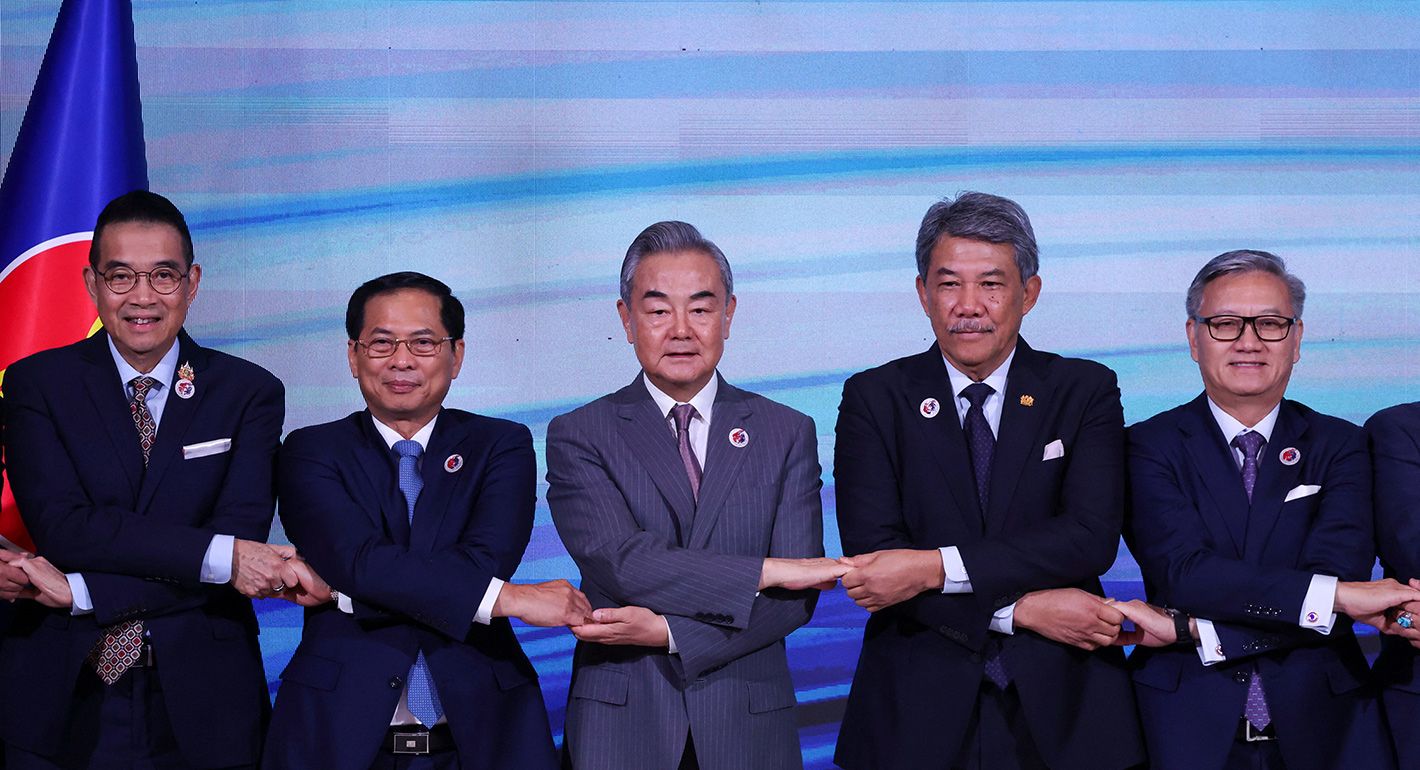
The Thai-Cambodian conflict highlights the limits to China's peacemaker ambition and the significance of this role on Southeast Asia’s balance of power.
Pongphisoot (Paul) Busbarat
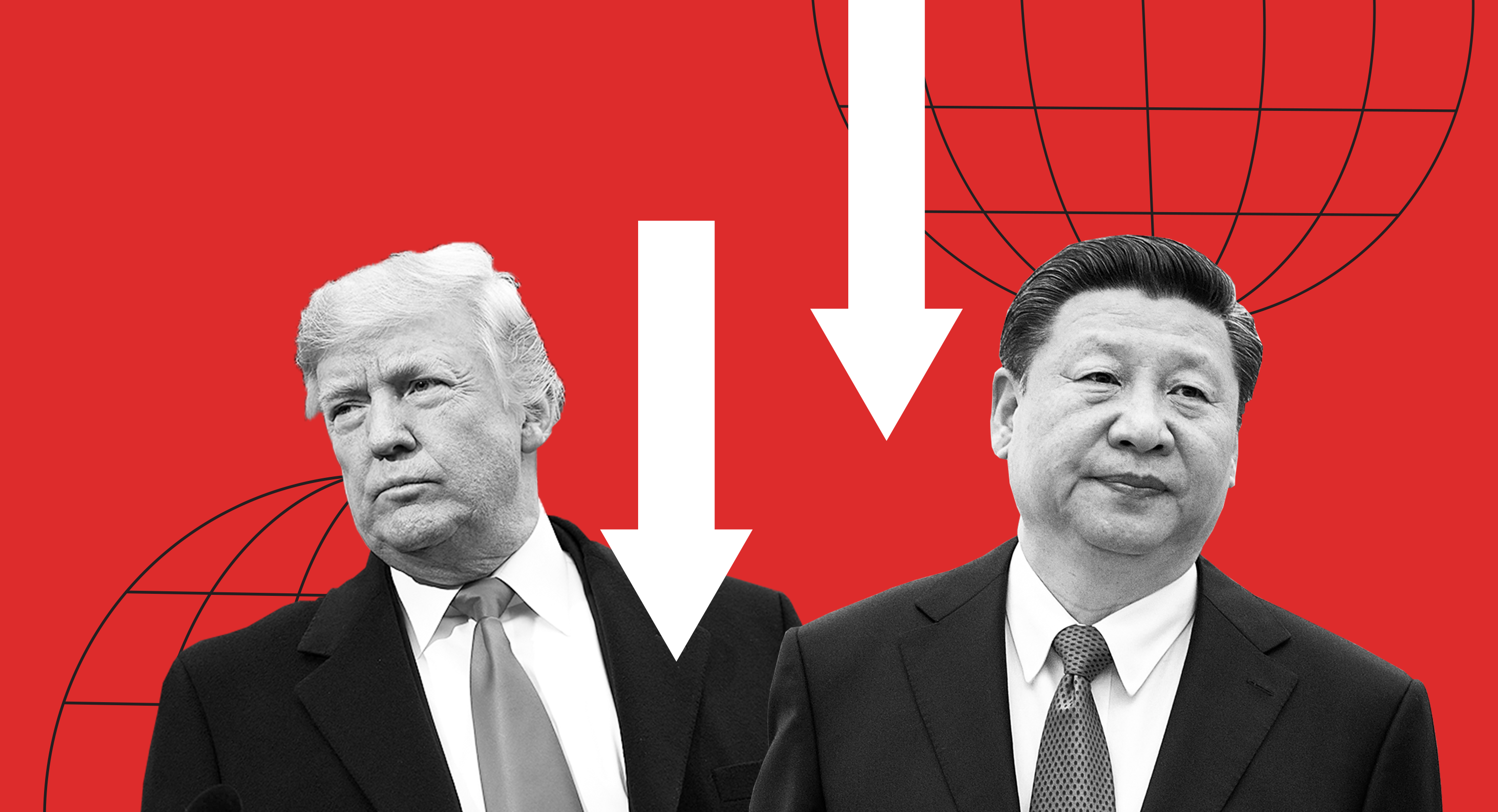
Beijing believes that Washington is overestimating its own leverage and its ability to handle the trade war’s impacts.

Rick Waters, Sheena Chestnut Greitens
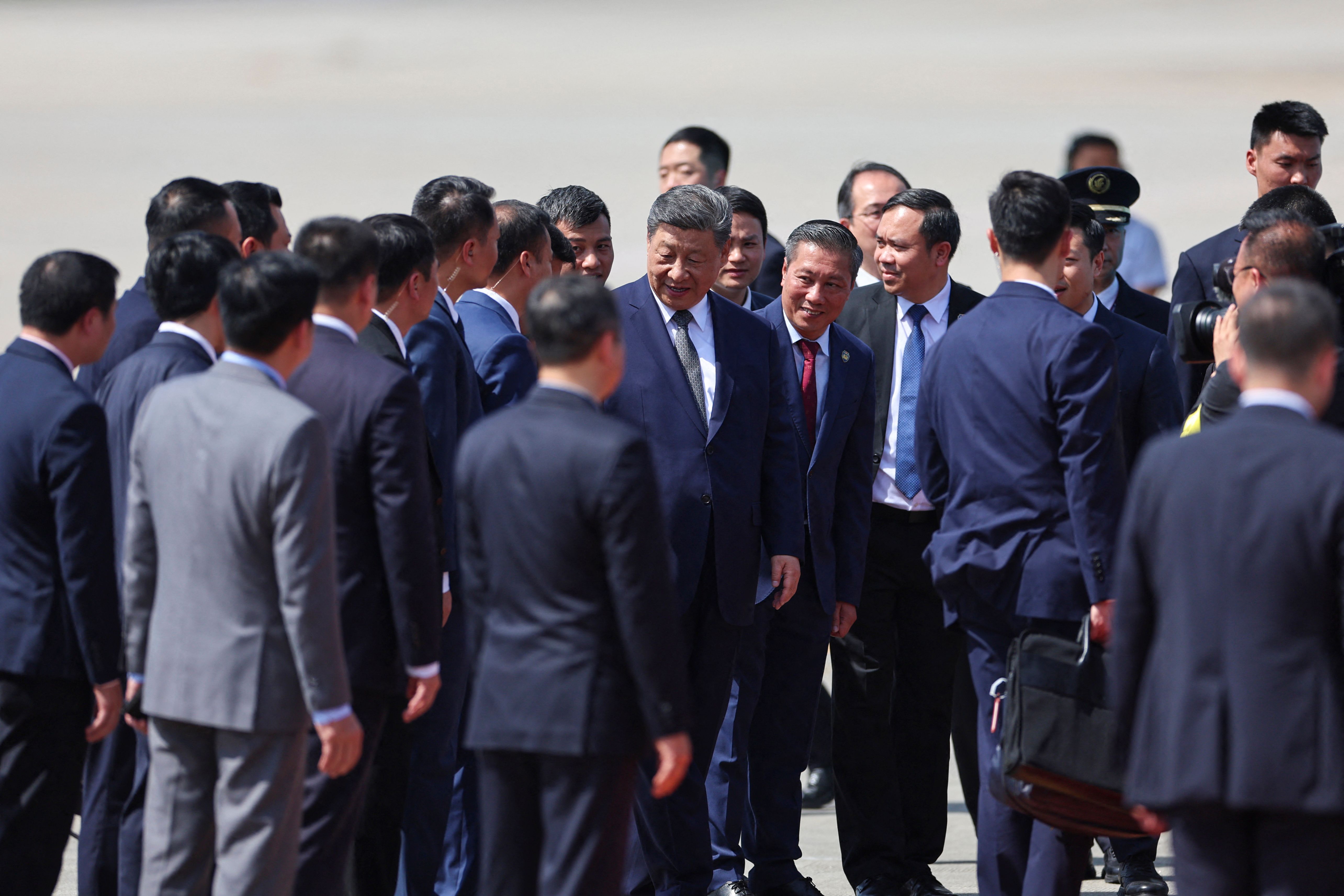
Tapping our network of China experts in the region, Carnegie China offers this latest “China Through a Southeast Asian Lens” report to offer preliminary assessments of whether the U.S. effort to reshape the global trading order will lead countries in the region to tilt toward Beijing.

Selina Ho, Khin Khin Kyaw Kyee, Joseph Ching Velasco, …
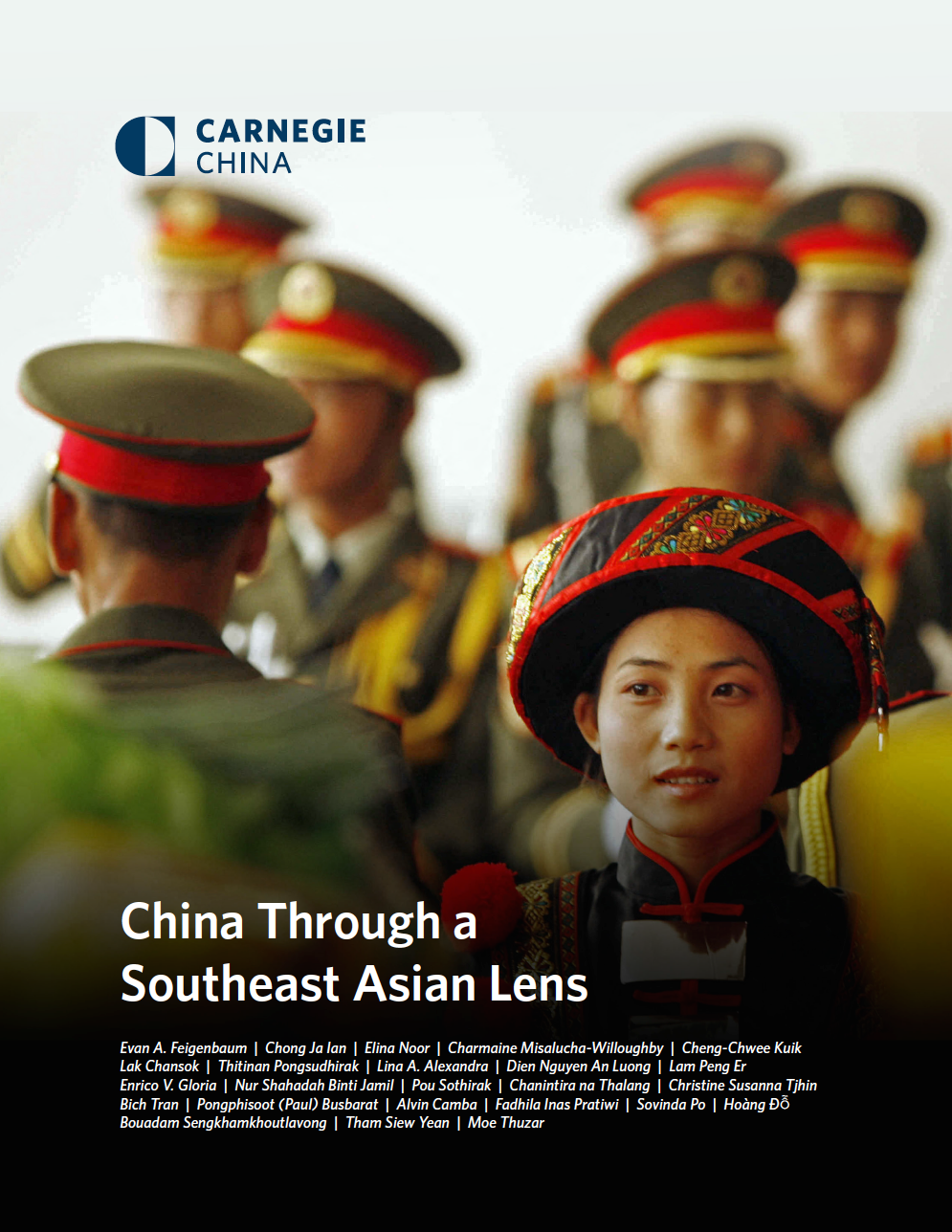
Because strategic, economic, and ideological perceptions of China contain multiple, sometimes contradictory facets in Southeast Asia, receptions of and responses to Beijing diverge across and within state lines.



Evan A. Feigenbaum, Chong Ja Ian, Elina Noor

Most Southeast Asian states behave as if the actions of their Northeast Asian neighbors and the Philippines will be sufficient to maintain a regional status quo from which they can benefit.
Chong Ja Ian