• Commentary
  • Research
  • Experts
  • Events
Carnegie China logoCarnegie lettermark logo
{
  "authors": [
    "James M. Acton"
  ],
  "type": "other",
  "centerAffiliationAll": "dc",
  "centers": [
    "Carnegie Endowment for International Peace"
  ],
  "collections": [],
  "englishNewsletterAll": "ctw",
  "nonEnglishNewsletterAll": "",
  "primaryCenter": "Carnegie Endowment for International Peace",
  "programAffiliation": "NPP",
  "programs": [
    "Nuclear Policy"
  ],
  "projects": [],
  "regions": [],
  "topics": [
    "Nuclear Policy"
  ]
}

Source: Getty

Other

Verifying Zero: Long-Term Aims, Short-Term Steps

Nuclear-armed states and non-nuclear-weapon states alike can and should work together in the short term to overcome the technical challenges of verifying disarmament and help advance the longer-term goal of abolishing nuclear weapons.

Link Copied
By James M. Acton
Published on Jan 1, 2010

Source: UNODA Occasional Paper No. 18

Verifying nuclear disarmament poses an unprecedented technical challenge. There can never be certainty that nuclear-armed States have not retained militarily significant stockpiles of fissile material. In the short term, to help prevent these uncertainties from becoming a roadblock in the future, these steps could, inter alia, (a) collect and archive information about fissile material production; (b) place information about fissile material production and holdings in the public domain; (c) be more transparent about civilian nuclear materials; and (d) implement the proposed Fissile Material Control Initiative. On their part, non-nuclear-weapon states could be prepared to recognize these as meaningful steps towards disarmament.

About the Author

James M. Acton

Jessica T. Mathews Chair, Co-director, Nuclear Policy Program

Acton holds the Jessica T. Mathews Chair and is co-director of the Nuclear Policy Program at the Carnegie Endowment for International Peace.

    Recent Work

  • Commentary
    What the New Democratic Congress Can (and Can’t) Do on Foreign Policy
      • +10

      James M. Acton, Dan Baer, Mark Baldassare, …

  • Paper
    Nuclear Weapons and the Future of American Power

      James M. Acton, Ankit Panda

James M. Acton
Jessica T. Mathews Chair, Co-director, Nuclear Policy Program
James M. Acton
Nuclear Policy

Carnegie does not take institutional positions on public policy issues; the views represented herein are those of the author(s) and do not necessarily reflect the views of Carnegie, its staff, or its trustees.

More Work from Carnegie China

  • Article
    Can China Turn Its Small Modular Reactor Ambitions into Commercial Reality?

    China has showcased its engineering prowess with small modular reactor demonstration projects. But turning these technological achievements into commercial success will be a greater challenge.

      Tong Zhao
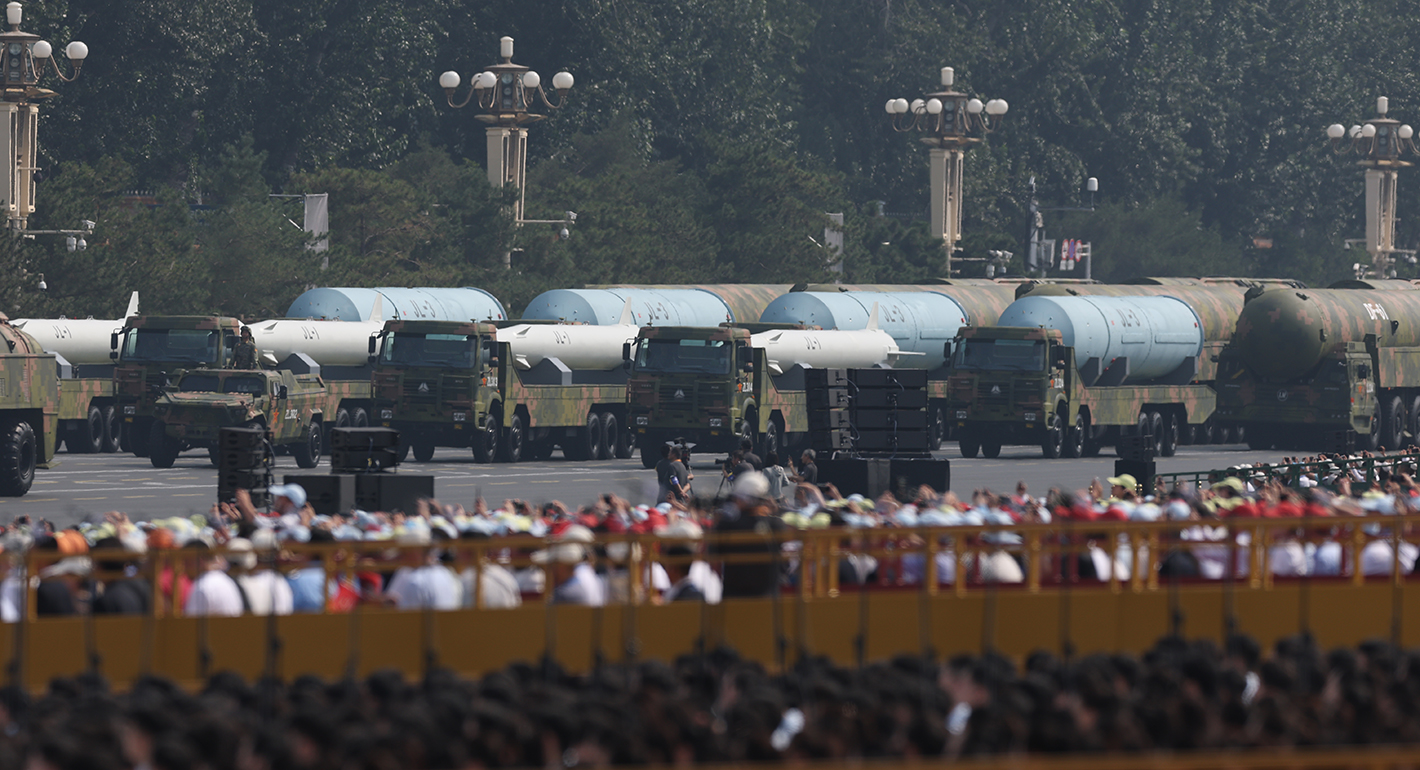
  • The nuclear missile formation passes through Tian'anmen Square during a military parade on September 3, 2025 in Beijing, China.
    Paper
    Untangling the Nuclear Knot: A Constructive Agenda for Managing China’s Nuclear Relations with the United States and Its Allies

    The nuclear relationship between China and the United States is increasingly shaped by widening perception gaps rather than deliberate strategic design.

      Tong Zhao
  • Commentary
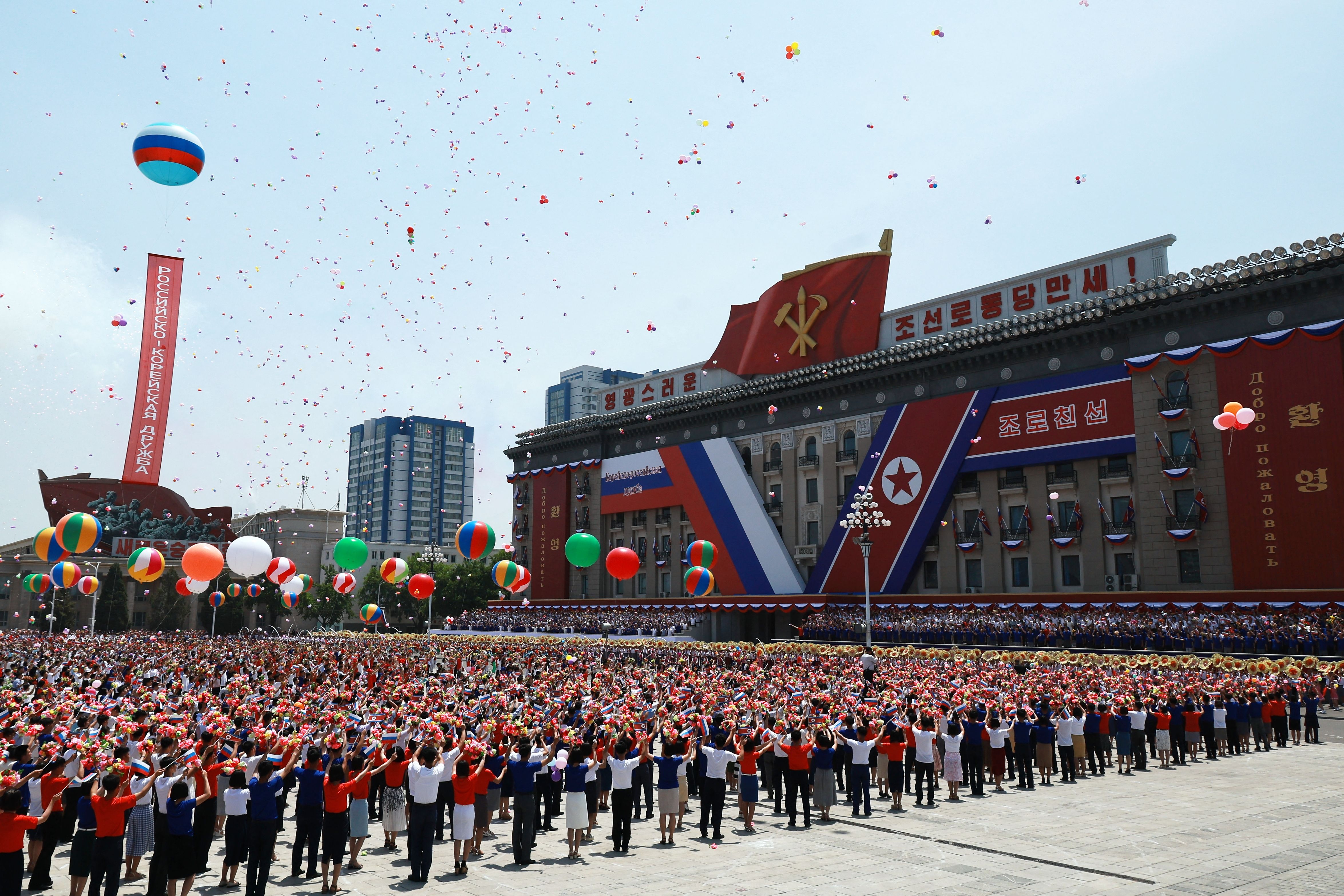
    Beyond the Putin-Kim Alliance: How Can the International Community Engage China to Contain Nuclear Risks Over the Korean Peninsula?

    Faced with an increase in strategic maneuvering by Moscow and Pyongyang, Beijing will not sit idly by and allow Putin and Kim to shape the security environment on its behalf.

      Tong Zhao

  • REQUIRED IMAGE
    Commentary
    Missile Defense and the Strategic Relationship among the United States, Russia, and China

    China views U.S. missile defense as posing a greater potential threat to China’s nuclear deterrent than other U.S. military capabilities.

      Tong Zhao, Dmitry Stefanovich

  • REQUIRED IMAGE
    Commentary
    About the P5 process, RevCon 2022, AUKUS and US-China Competition From The Chinese Side

    There are certainly other issues among other P5 countries, but the U.S.-China competition is so by far the most consequential great power rivalry in the international system, and it has very far-reaching geopolitical implications at and beyond the Pacific region.

      Tong Zhao

Get more news and analysis from
Carnegie China Review
Carnegie China logo, white
Keck Seng Tower133 Cecil Street #10-01ASingapore, 069535Phone: +65 9650 7648
  • Research
  • About
  • Experts
  • Events
  • Contact
  • Careers
  • Privacy
  • For Media
Get more news and analysis from
Carnegie China Review
© 2026 Carnegie Endowment for International Peace. All rights reserved.