

Paper
Paul Salem
{
  "authors": [
    "Paul Salem"
  ],
  "type": "legacyinthemedia",
  "centerAffiliationAll": "",
  "centers": [
    "Carnegie Endowment for International Peace",
    "Malcolm H. Kerr Carnegie Middle East Center"
  ],
  "collections": [],
  "englishNewsletterAll": "",
  "nonEnglishNewsletterAll": "",
  "primaryCenter": "Malcolm H. Kerr Carnegie Middle East Center",
  "programAffiliation": "",
  "programs": [],
  "projects": [],
  "regions": [
    "Gulf"
  ],
  "topics": []
}
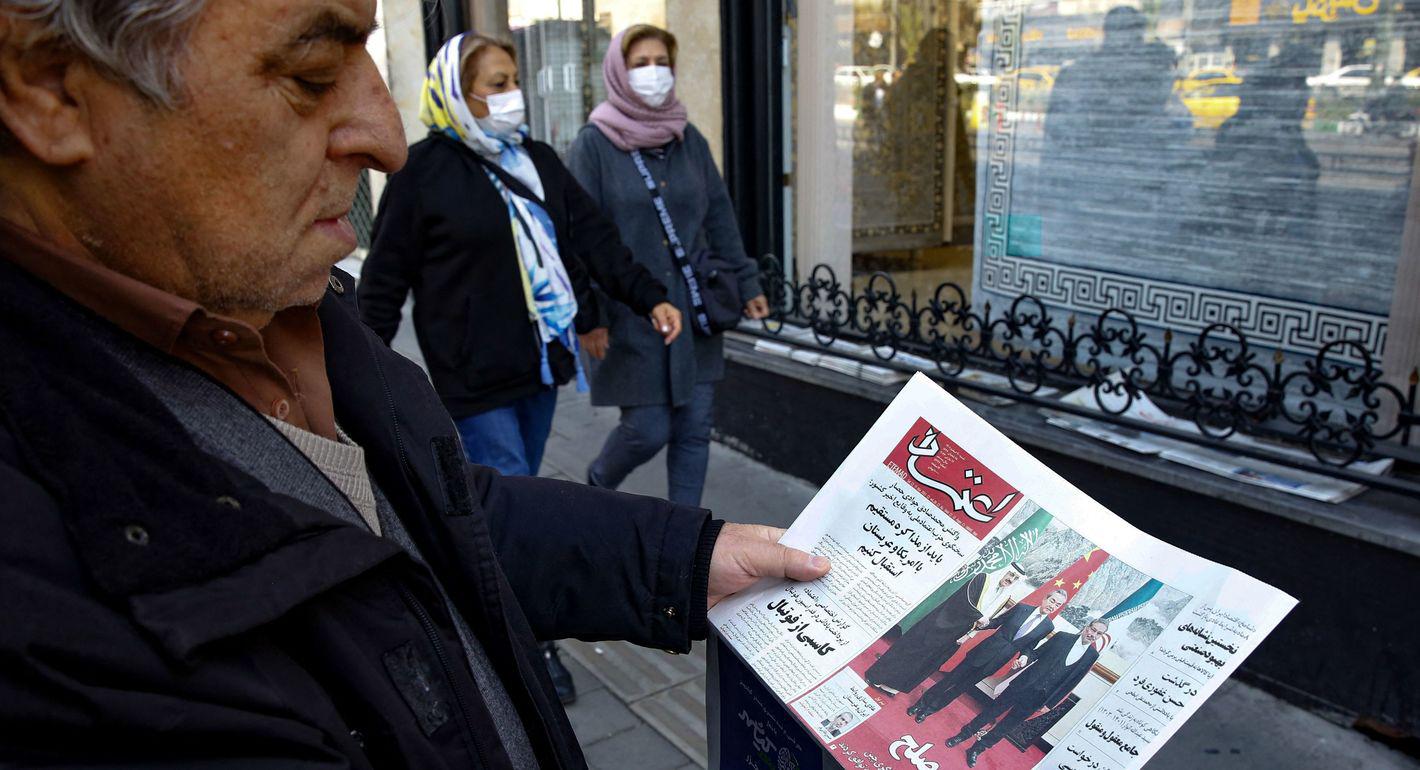
Source: Getty
The most serious development of the Iranian protests has been the challenges to Ayatollah Khamenei, which are unprecedented and open up new questions about the potential for real, significant constitutional change.
Source: 938 Live

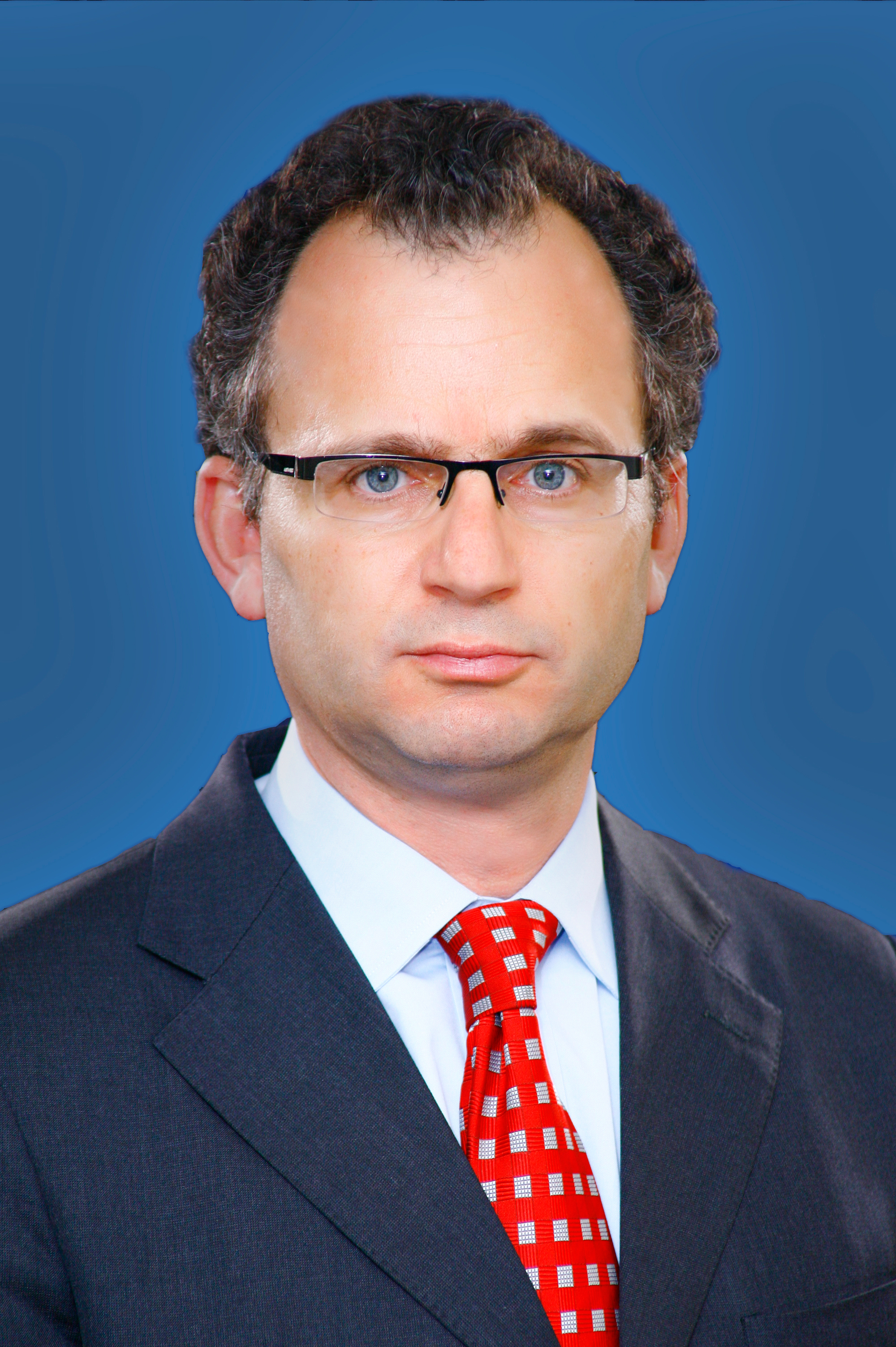
Senior Fellow at the Middle East Institute
Paul Salem is a senior fellow at the Middle East Institute.
Recent Work
Paul Salem
Paul Salem
Carnegie does not take institutional positions on public policy issues; the views represented herein are those of the author(s) and do not necessarily reflect the views of Carnegie, its staff, or its trustees.
Transactional relationships are stable but can be shallow.


Paul Haenle, Maha Yahya, Benjamin Ho, …
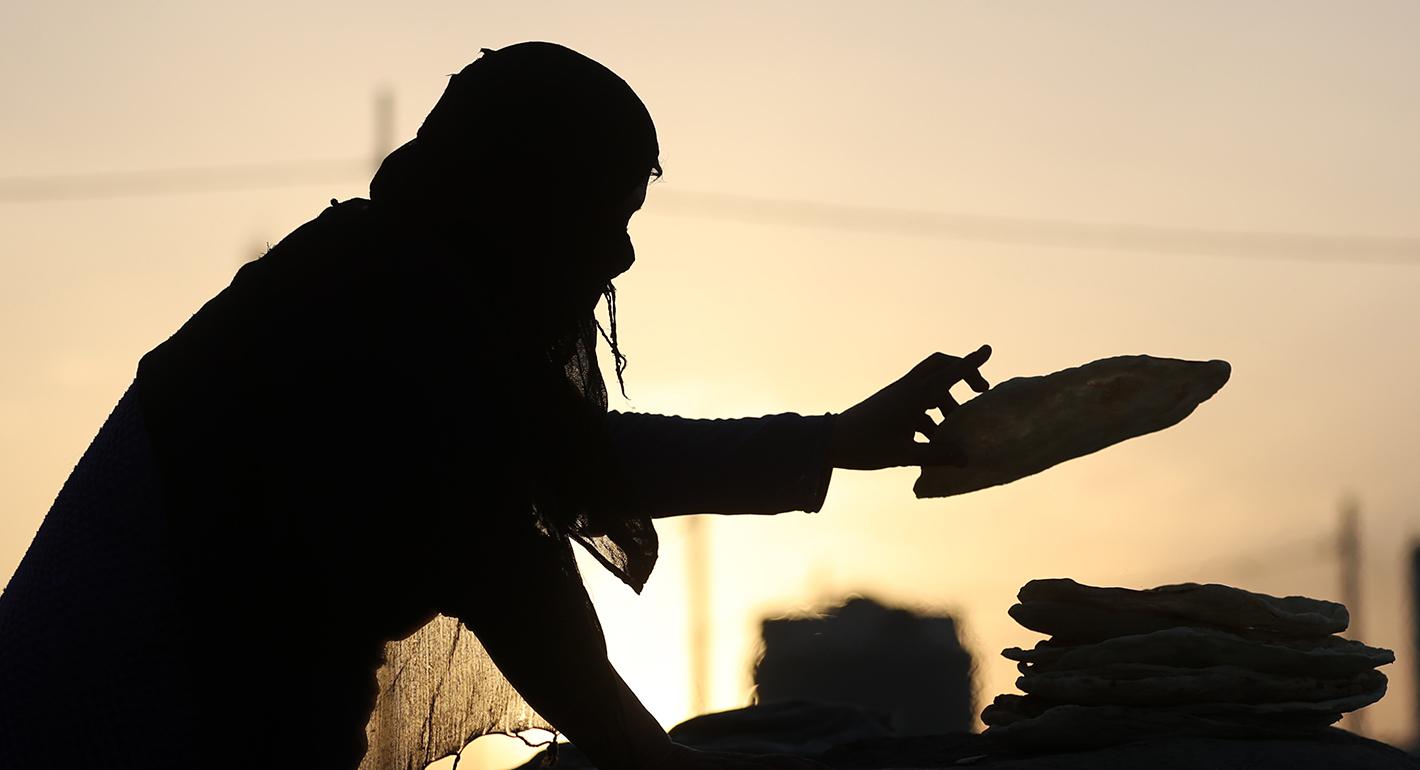
It’s about managing oil prices, bread prices, and strategic partnerships.



Amr Hamzawy, Karim Sadjadpour, Aaron David Miller, …
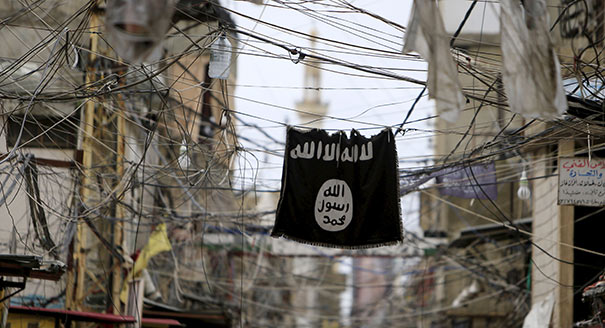
The Islamic State’s ideology is multifaceted and cannot be traced to one individual, movement, or period. Understanding it is crucial to defeating the group.
Hassan Hassan
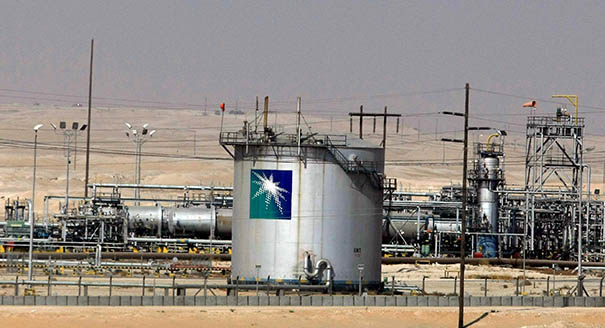
The Middle East is vital to China’s present and future energy interests, but the region’s thorny geopolitics make Chinese state-owned firms hesitant to make large investments there.
Wang Tao
The rapid rise of the Islamic State means core assumptions driving policy on Syria must be rethought.

Jessica Tuchman Mathews