

Q&A
Suzanne Maloney, Aaron David Miller, Karim Sadjadpour
{
  "authors": [
    "Karim Sadjadpour"
  ],
  "type": "legacyinthemedia",
  "centerAffiliationAll": "dc",
  "centers": [
    "Carnegie Endowment for International Peace"
  ],
  "collections": [],
  "englishNewsletterAll": "menaTransitions",
  "nonEnglishNewsletterAll": "",
  "primaryCenter": "Carnegie Endowment for International Peace",
  "programAffiliation": "MEP",
  "programs": [
    "Middle East"
  ],
  "projects": [],
  "regions": [
    "Middle East",
    "Iran"
  ],
  "topics": [
    "Political Reform",
    "Nuclear Policy"
  ]
}
Source: Getty
The IAEA announcement that Iran may be working towards a nuclear warhead plays into growing international concerns that Iran is becoming a military dictatorship, with the influence of the Revolutionary Guards eclipsing that of the clergy.
Source: PBS' Worldfocus
Secretary Clinton’s recent remark that Iran is moving towards becoming a “military dictatorship” has helped spotlight the role of the Revolutionary Guards in Iran. Karim Sadjadpour asserts that “the Revolutionary Guards has surpassed the clergy in Iran in terms of political and economic influence and are running Iranian foreign policy in Iraq, Lebanon and Afghanistan.”
Ayatollah Khamenei and President Ahmadinejad have spearheaded this transition to military dictatorship. The regime is facing increasing scrutiny on its nuclear program, after a recent International Atomic Energy Agency report stated that Iran has either resumed work on making a nuclear warhead or had never stopped. Although many actors in the international community have expressed concerns over this report, Sadjadpour suggests that it will not be a “game changer” nor affect the Obama administration’s efforts to sanction Iran.

Senior Fellow, Middle East Program
Karim Sadjadpour is a senior fellow at the Carnegie Endowment for International Peace, where he focuses on Iran and U.S. foreign policy toward the Middle East.
Recent Work


Suzanne Maloney, Aaron David Miller, Karim Sadjadpour

Aaron David Miller, Karim Sadjadpour, Robin Wright
Carnegie does not take institutional positions on public policy issues; the views represented herein are those of the author(s) and do not necessarily reflect the views of Carnegie, its staff, or its trustees.

The nuclear relationship between China and the United States is increasingly shaped by widening perception gaps rather than deliberate strategic design.

Tong Zhao
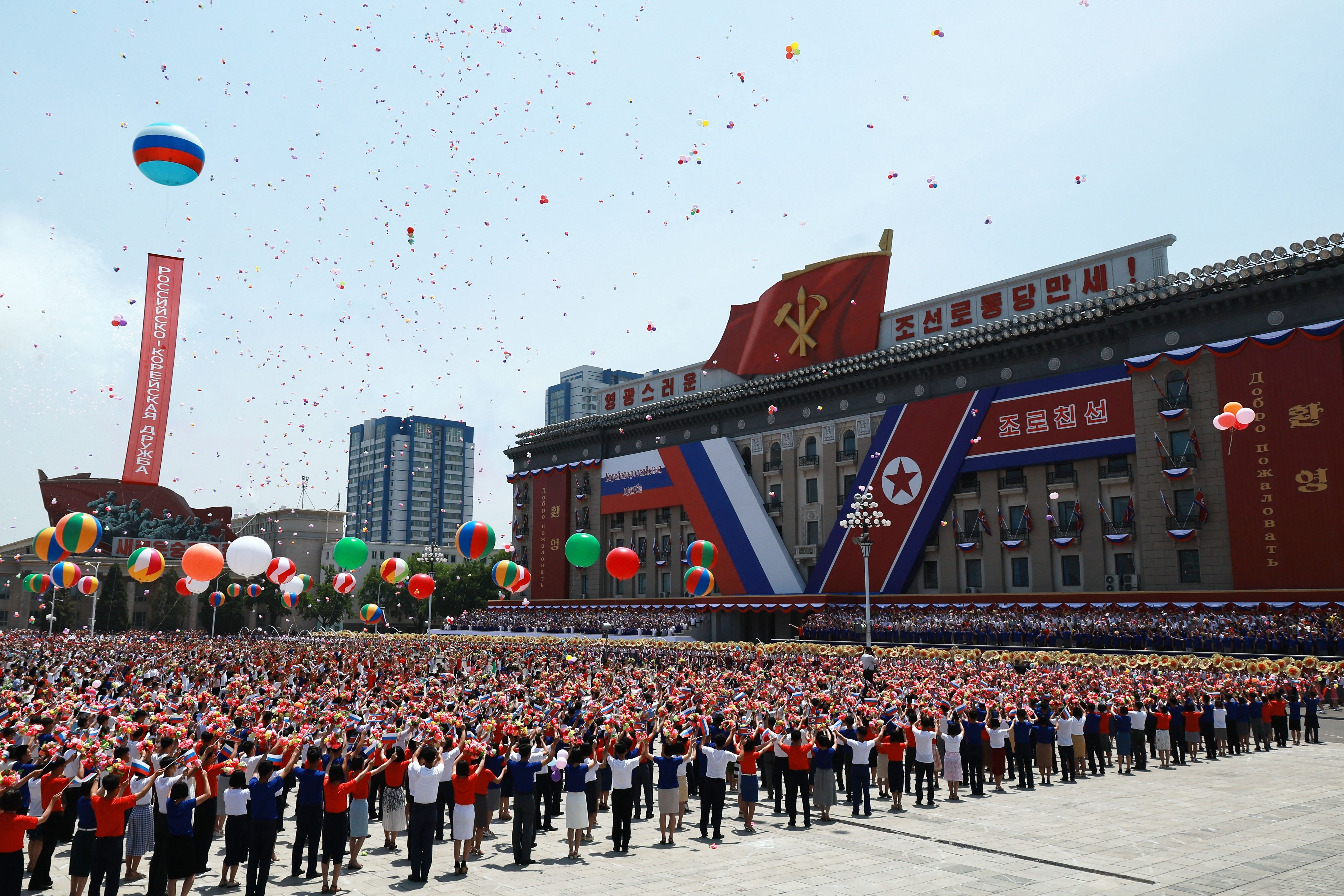
Faced with an increase in strategic maneuvering by Moscow and Pyongyang, Beijing will not sit idly by and allow Putin and Kim to shape the security environment on its behalf.
Tong Zhao
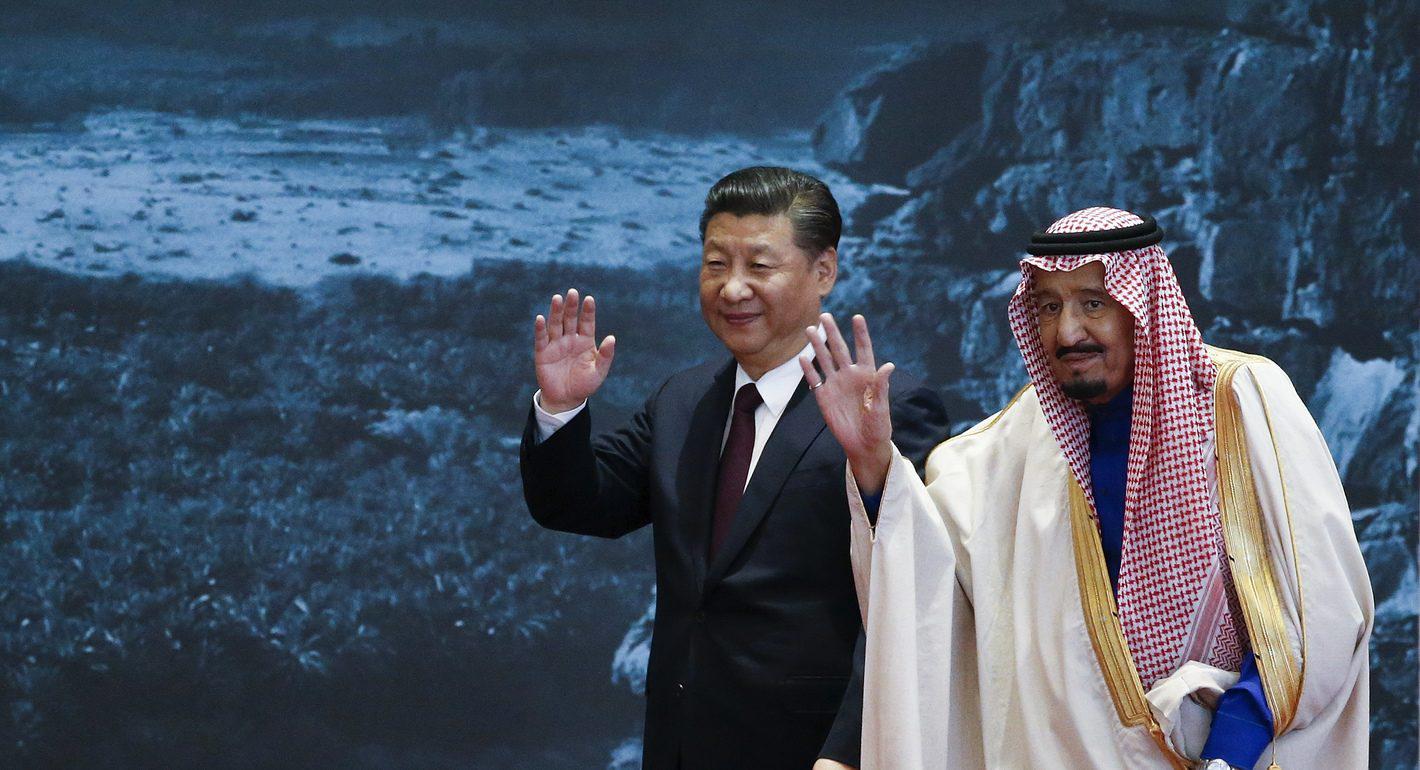
The advantage that China has over other global powers, especially America, is that its foreign policy is closely aligned with those of many of the Middle Eastern countries.


Jin Liangxiang, Maha Yahya, Hesham Alghannam
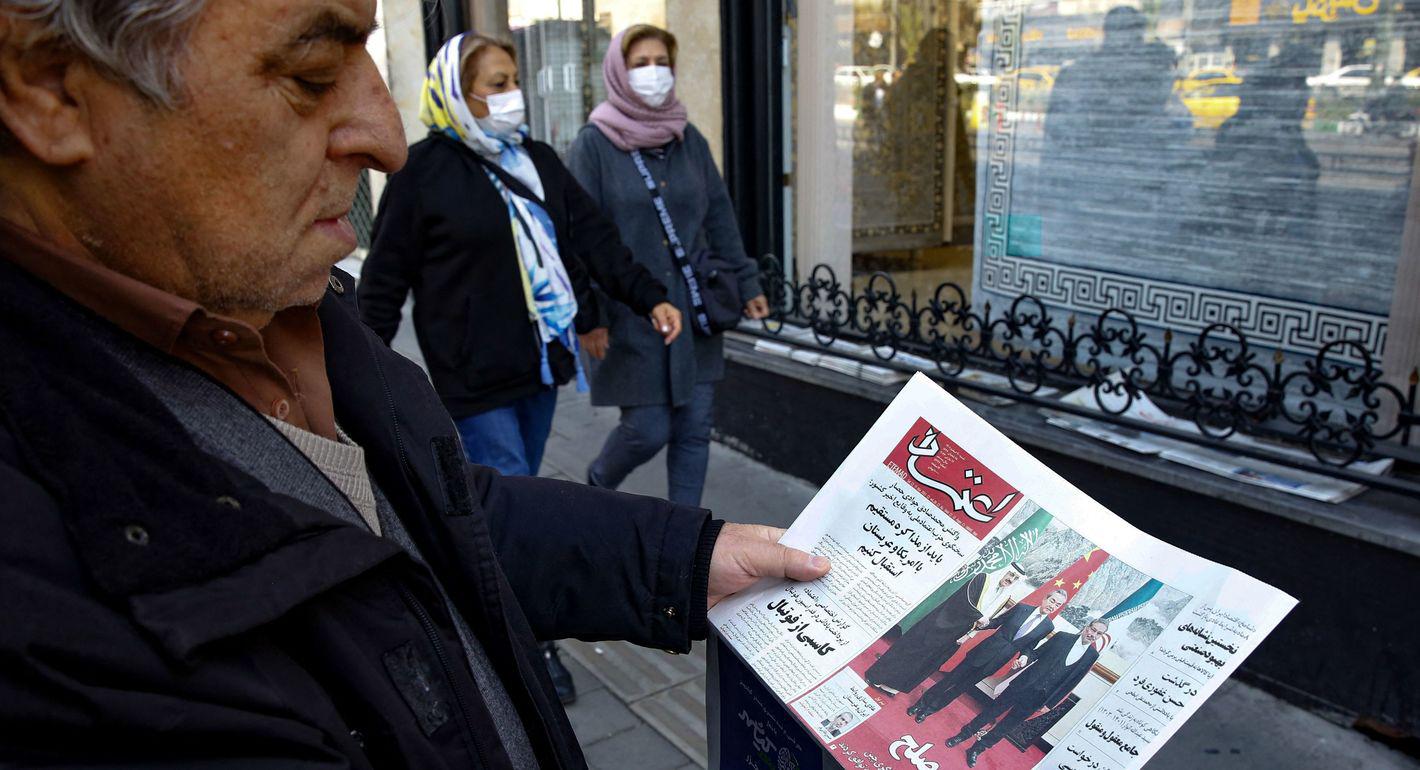
Transactional relationships are stable but can be shallow.


Paul Haenle, Maha Yahya, Benjamin Ho, …

China views U.S. missile defense as posing a greater potential threat to China’s nuclear deterrent than other U.S. military capabilities.
Tong Zhao, Dmitry Stefanovich