

In The Media
Michele Dunne, Robert Kagan
{
  "authors": [
    "Robert Kagan"
  ],
  "type": "testimony",
  "centerAffiliationAll": "",
  "centers": [
    "Carnegie Endowment for International Peace"
  ],
  "collections": [],
  "englishNewsletterAll": "",
  "nonEnglishNewsletterAll": "",
  "primaryCenter": "Carnegie Endowment for International Peace",
  "programAffiliation": "",
  "programs": [],
  "projects": [],
  "regions": [
    "Middle East",
    "Israel",
    "Palestine"
  ],
  "topics": [
    "Security",
    "Foreign Policy"
  ]
}
Source: Getty
The Obama administration has focused much of its diplomatic energy towards engaging with the Iranian regime. This effort has limited its level of engagement with both the Iranian opposition and U.S. European partners.
Source: AIPAC Policy Conference
The first year of the Obama administration’s foreign policy was largely characterized by an effort to engage with Iran and other adversarial states. This diplomatic strategy, “in the administration's view,” was aimed at “repairing relations with people who have been adversaries, competitors, challengers of the United States,” notes Robert Kagan. Yet an unintended outcome of this strategy has been lost opportunities for “reassuring allies.” Furthermore, the Obama administration missed an opportunity to further destabilize the Iranian regime following the June 12 presidential elections in Iran. Kagan asserts that “the administration had an opportunity then to: A, put itself clearly on the side of people demanding freedom in Iran; B, to take steps that would, in fact, increase the insecurity of the regime, which might, then, have played back in to the nuclear negotiations.”

Former Senior Associate
Kagan, author of the recent book, The Return of History and the End of Dreams (Knopf 2008), writes a monthly column on world affairs for the Washington Post and is a contributing editor at both the Weekly Standard and the New Republic.
Recent Work

Michele Dunne, Robert Kagan
Robert Kagan, Michele Dunne
Carnegie does not take institutional positions on public policy issues; the views represented herein are those of the author(s) and do not necessarily reflect the views of Carnegie, its staff, or its trustees.

Across Asia, China is better positioned to withstand energy shocks from the fallout of the Iran war. Its abundant coal capacity can ensure stability in the near term. Yet at the same time, the country’s energy transition away from coal will make it even less vulnerable during the next shock.

Damien Ma

Malaysia’s chairmanship sought to fend off short-term challenges while laying the groundwork for minimizing ASEAN’s longer-term exposure to external stresses.

Elina Noor

For Malaysia, the conjunction that works is “and” not “or” when it comes to the United States and China.
Elina Noor
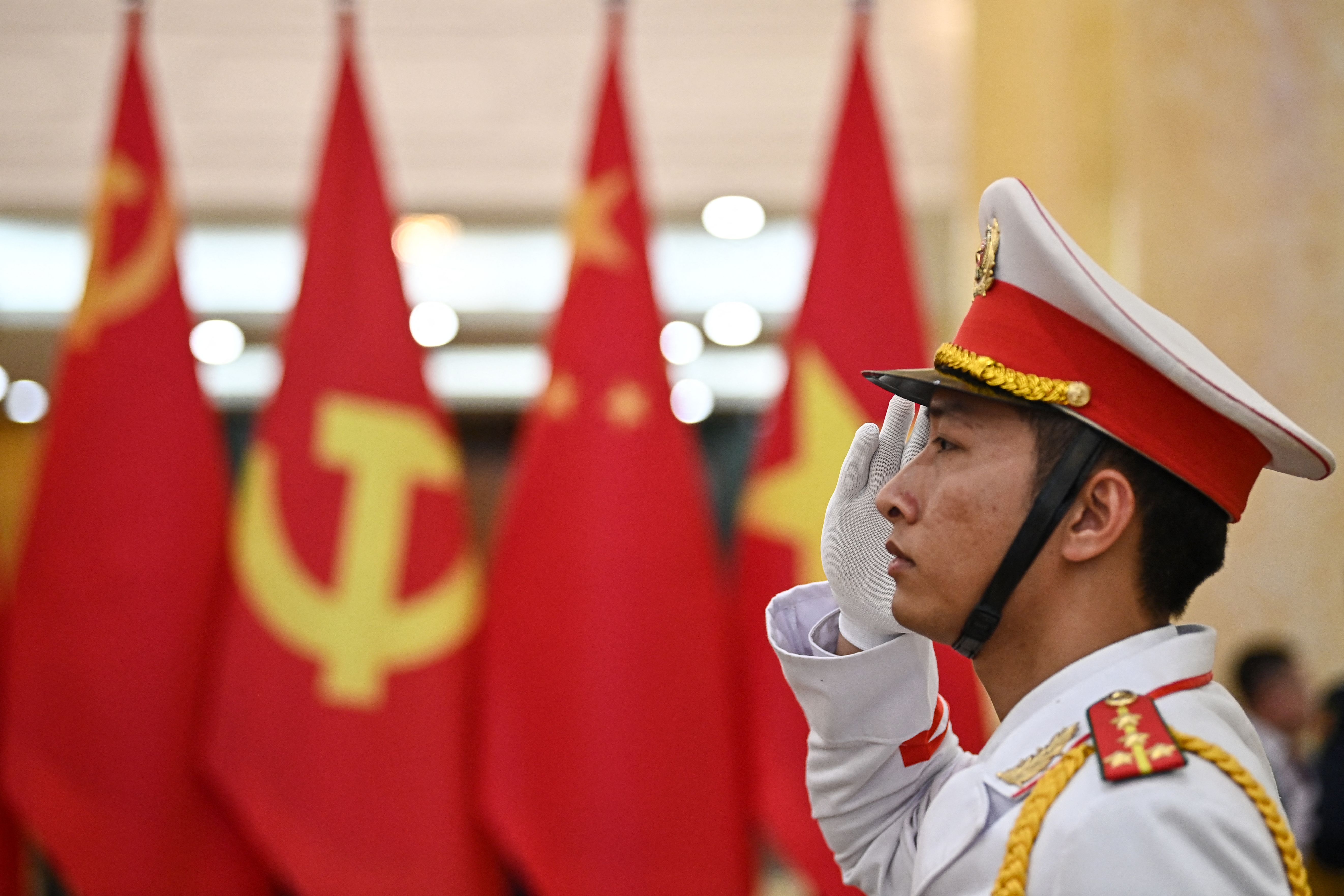
In July 2025, Vietnam and China held their first joint army drill, a modest but symbolic move reflecting Hanoi’s strategic hedging amid U.S.–China rivalry.

Nguyễn Khắc Giang
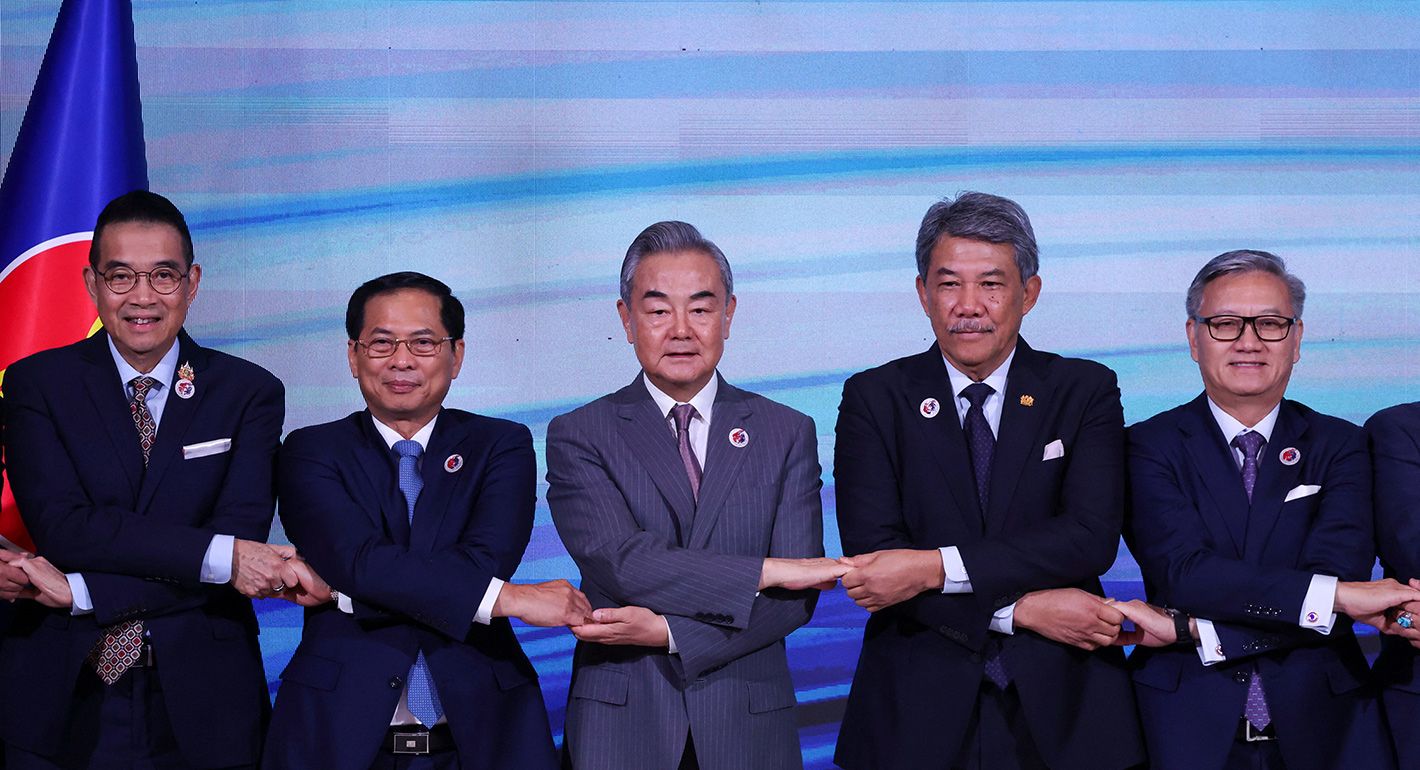
The Thai-Cambodian conflict highlights the limits to China's peacemaker ambition and the significance of this role on Southeast Asia’s balance of power.

Pongphisoot (Paul) Busbarat