• Commentary
  • Research
  • Experts
  • Events
Carnegie China logoCarnegie lettermark logo
{
  "authors": [
    "Stephen Tankel"
  ],
  "type": "legacyinthemedia",
  "centerAffiliationAll": "dc",
  "centers": [
    "Carnegie Endowment for International Peace"
  ],
  "collections": [],
  "englishNewsletterAll": "",
  "nonEnglishNewsletterAll": "",
  "primaryCenter": "Carnegie Endowment for International Peace",
  "programAffiliation": "SAP",
  "programs": [
    "South Asia"
  ],
  "projects": [],
  "regions": [
    "Afghanistan",
    "Pakistan"
  ],
  "topics": [
    "Security"
  ]
}

Source: Getty

In The Media

Lashkar-e-Taiba in Perspective

The Pakistani militant group Lashkar-e-Taiba (LeT) has had operational interests in Afghanistan since 2006, and the potential for collaboration between LeT, al-Qaeda, and various pro-Taliban elements is increasing.

Link Copied
By Stephen Tankel
Published on Apr 26, 2010

Source: Foreign Policy

Lashkar-e-Taiba in PerspectiveIn 2006, the Pakistani militant group Lashkar-e-Taiba entered the Afghan theater, necessitating its increased presence in Pakistan’s North-West Frontier Province and Federally Administered Tribal Areas. The group is often mentioned during discussions of the Punjabi Taliban, militants from Punjabi jihadi groups, who arrived in large numbers at approximately the same time. But these militants follow the Deobandi school of Islam and are close to the Afghan and Pakistani Taliban. Lashkar is also a Punjabi group, but its Ahl-e Hadith faith and close relationship with the Pakistani military establishment have contributed to a historically rocky relationship with Deobandi militant groups and other pro-Taliban elements.

Sharing physical space in the NWFP/FATA and operational interests in Afghanistan has created the opportunity for increased conflict and collaboration with al-Qaeda and the various pro-Taliban elements there. As collaboration increases, so too does Lashkar’s threat to Pakistan and the West.
 
This paper is divided into four sections. The first assesses Lashkar’s historical relations with the different actors operating in the NWFP/FATA. The second discusses the nature of Lashkar’s expansion in the area from roughly 2006 onward. The third explores its collaboration and conflicts with other groups operating there, and the nature of its involvement in anti-Western and anti-Pakistan activities emanating from the region. The paper concludes with a brief assessment of Lashkar’s threat to the West, particularly the impact of its presence in the NWFP/FATA.

About the Author

Stephen Tankel

Former Nonresident Scholar, South Asia Program

Tankel was a nonresident scholar at the Carnegie Endowment, where his research focuses on insurgency, terrorism, and the evolution of nonstate armed groups.

    Recent Work

  • Q&A
    Restoring Trust: U.S.-Pakistan Relations

      Stephen Tankel

  • Q&A
    LeT’s Global Rise

      Stephen Tankel

Stephen Tankel
Former Nonresident Scholar, South Asia Program
Stephen Tankel
SecurityAfghanistanPakistan

Carnegie does not take institutional positions on public policy issues; the views represented herein are those of the author(s) and do not necessarily reflect the views of Carnegie, its staff, or its trustees.
More Work from Carnegie China

  • Commentary
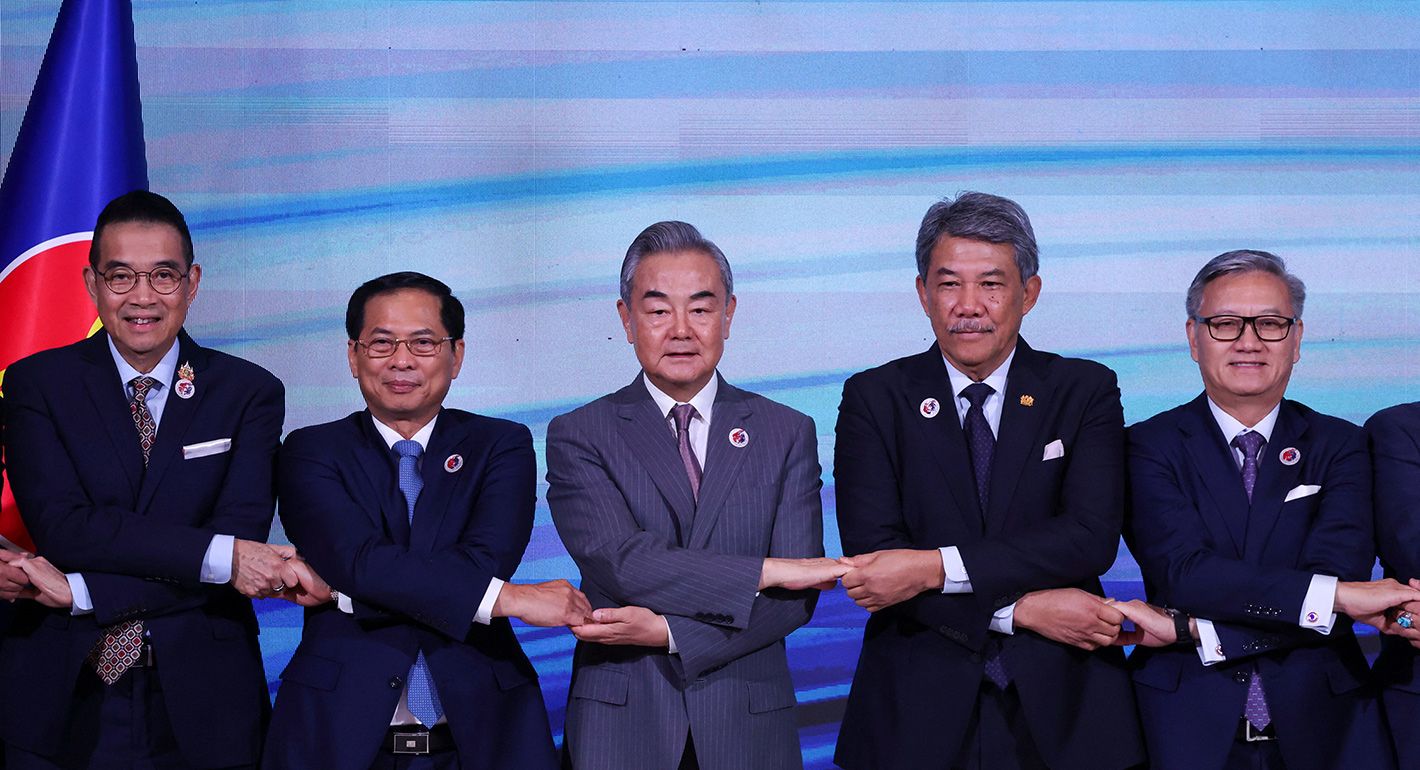
    China’s Mediation Offer in the Thailand-Cambodia Border Dispute Sheds Light on Beijing’s Security Role in Southeast Asia

    The Thai-Cambodian conflict highlights the limits to China's peacemaker ambition and the significance of this role on Southeast Asia’s balance of power.

      Pongphisoot (Paul) Busbarat
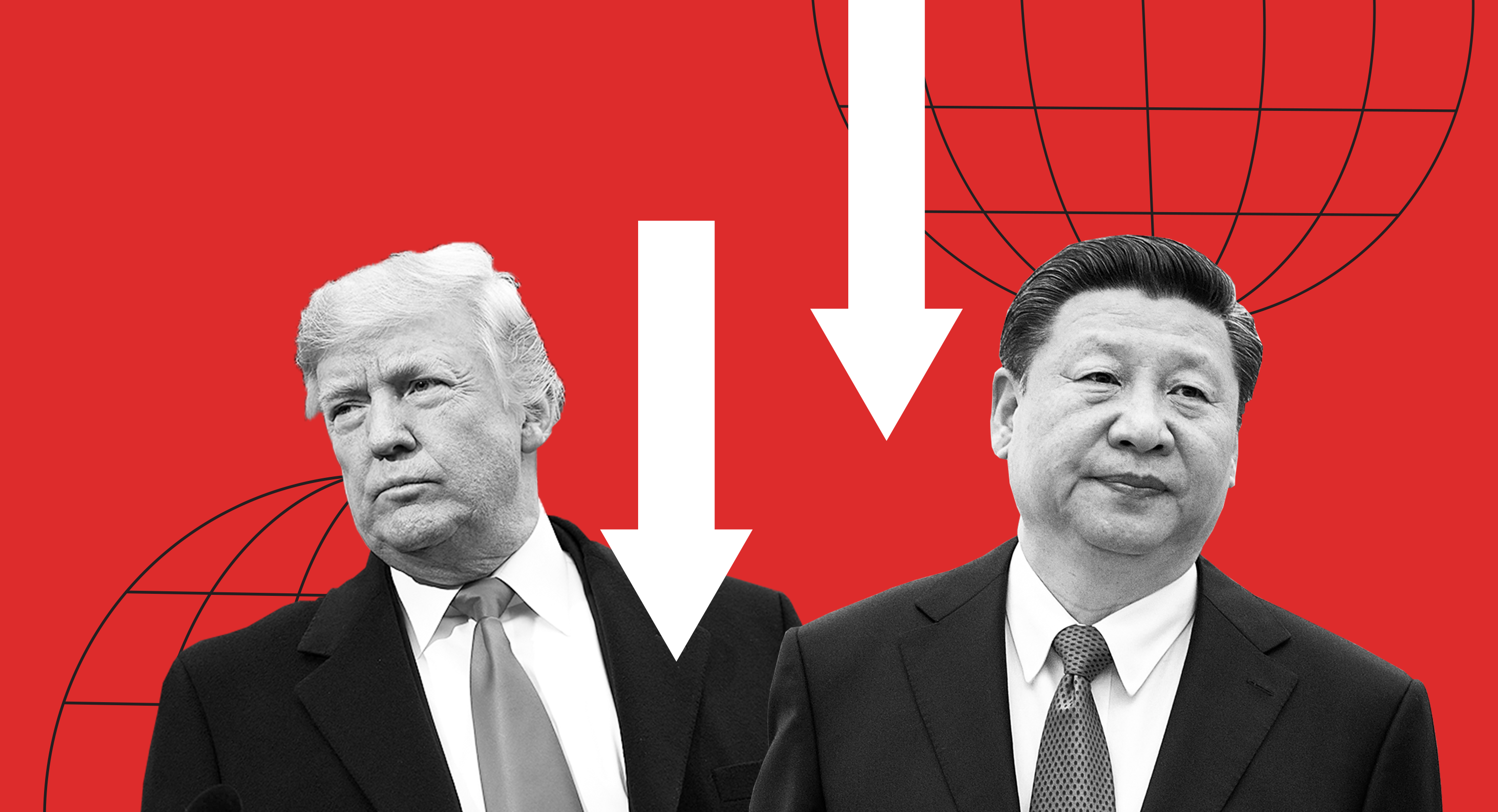
  • Trump and Xi on a red background
    Commentary
    Emissary
    China Is Determined to Hold Firm Against Trump’s Pressure

    Beijing believes that Washington is overestimating its own leverage and its ability to handle the trade war’s impacts. 

      • Sheena Chestnut Greitens

      Rick Waters, Sheena Chestnut Greitens
  • Commentary
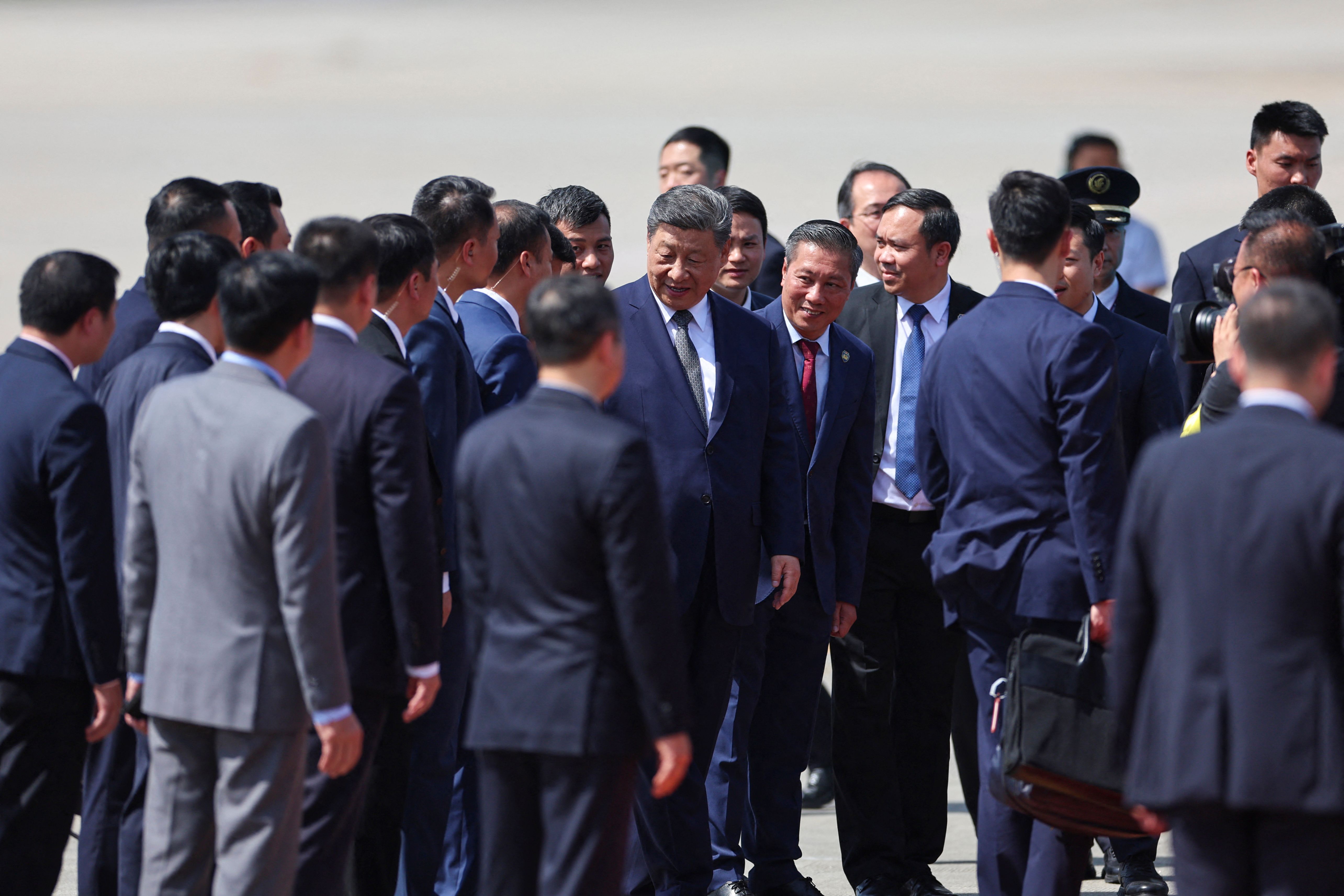
    A Second Trump Term: Will Southeast Asia Tilt Toward China?

    Tapping our network of China experts in the region, Carnegie China offers this latest “China Through a Southeast Asian Lens” report to offer preliminary assessments of whether the U.S. effort to reshape the global trading order will lead countries in the region to tilt toward Beijing. 

      • +6

      Selina Ho, Khin Khin Kyaw Kyee, Joseph Ching Velasco, …
  • Research
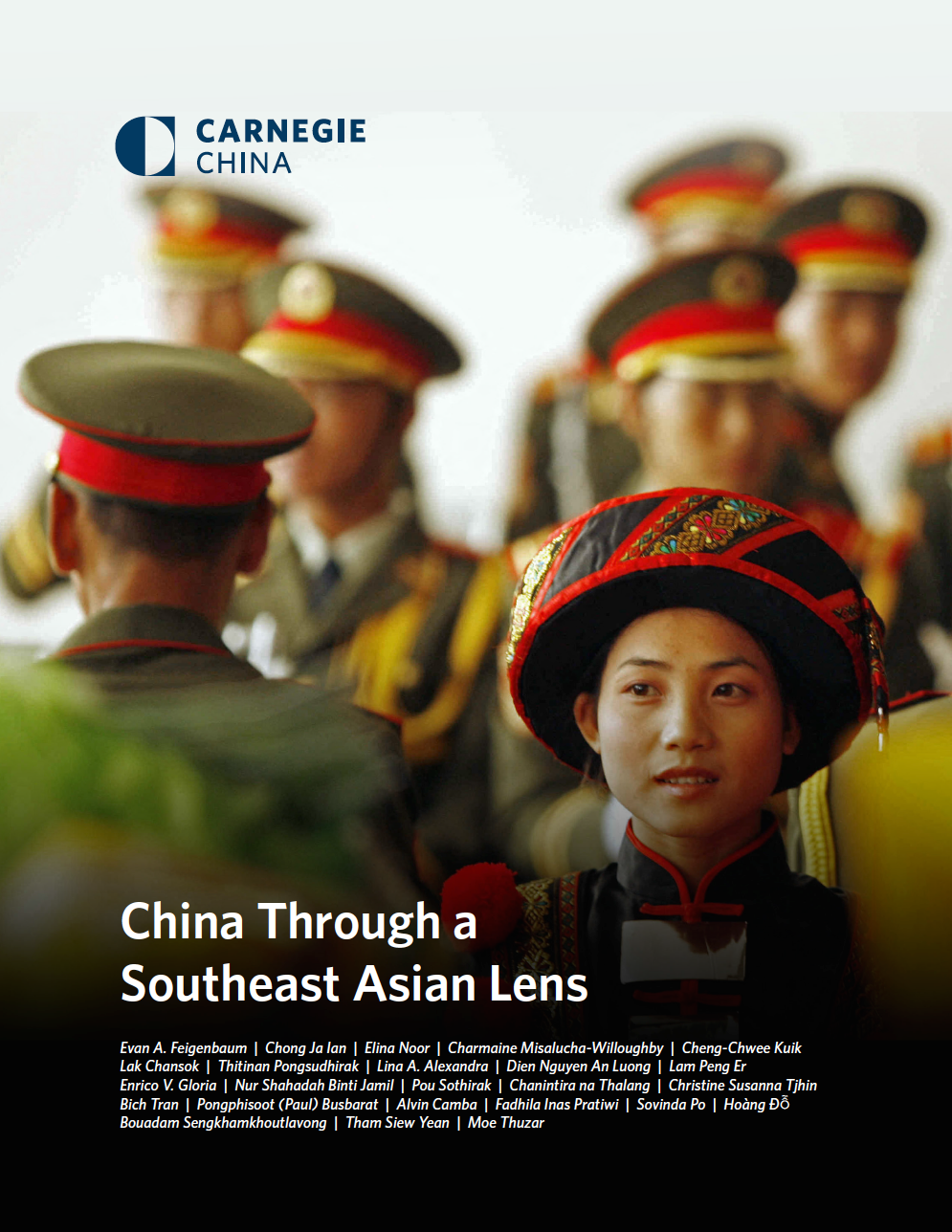
    China Through a Southeast Asian Lens

    Because strategic, economic, and ideological perceptions of China contain multiple, sometimes contradictory facets in Southeast Asia, receptions of and responses to Beijing diverge across and within state lines.


      Evan A. Feigenbaum, Chong Ja Ian, Elina Noor
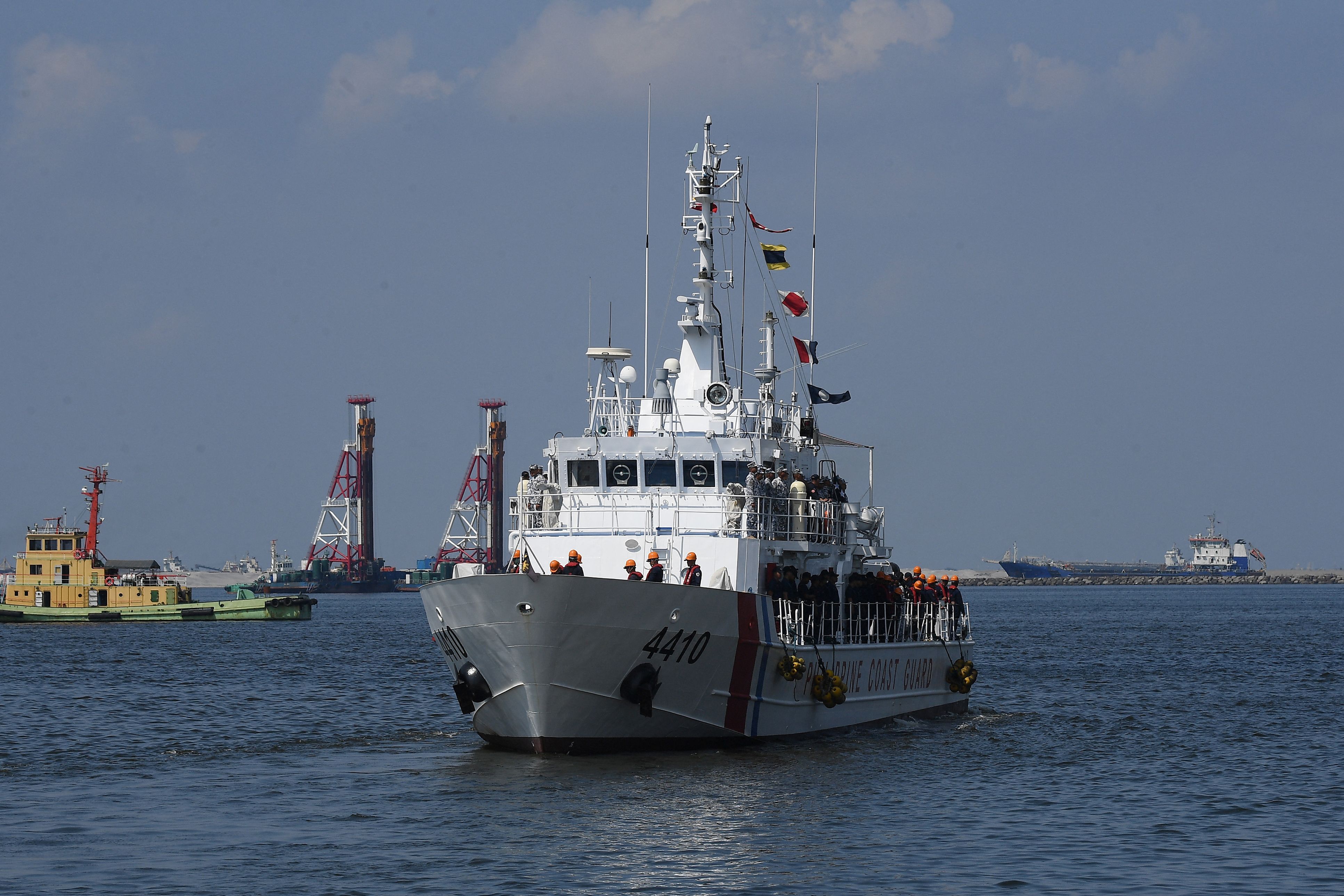
  • Article
    Northeast Asia Is for Deterrence and Southeast Asia Is (Mostly) for Freeriding: Appreciating Divergent East Asian Approaches to Order, Uncertainty, and Contestation

    Most Southeast Asian states behave as if the actions of their Northeast Asian neighbors and the Philippines will be sufficient to maintain a regional status quo from which they can benefit.

      Chong Ja Ian

Get more news and analysis from
Carnegie China
Carnegie China logo, white
  • Research
  • About
  • Experts
  • Events
  • Contact
  • Careers
  • Privacy
  • For Media
Get more news and analysis from
Carnegie China
© 2026 Carnegie Endowment for International Peace. All rights reserved.