• Commentary
  • Research
  • Experts
  • Events
Carnegie China logoCarnegie lettermark logo
{
  "authors": [
    "Henri J. Barkey"
  ],
  "type": "legacyinthemedia",
  "centerAffiliationAll": "dc",
  "centers": [
    "Carnegie Endowment for International Peace",
    "Malcolm H. Kerr Carnegie Middle East Center"
  ],
  "collections": [],
  "englishNewsletterAll": "menaTransitions",
  "nonEnglishNewsletterAll": "",
  "primaryCenter": "Carnegie Endowment for International Peace",
  "programAffiliation": "MEP",
  "programs": [
    "Middle East"
  ],
  "projects": [],
  "regions": [
    "Middle East",
    "Israel",
    "Türkiye",
    "Palestine",
    "Levant"
  ],
  "topics": [
    "Security"
  ]
}

Source: Getty

In The Media

Raid Strains Israeli-Turkish Relations

Turkey is strongly condemning Israel for the attack Monday on a six-ship flotilla taking humanitarian aid to the Gaza Strip. The attack has dealt a very public setback to Israeli-Turkish relations, which have been slowly deteriorating for several years.

Link Copied
By Henri J. Barkey
Published on May 31, 2010

Source: NPR's All Things Considered

Turkey is strongly condemning Israel for the attack Monday on a six-ship flotilla taking humanitarian aid to the Gaza Strip. Gaza has been under a blockade for the past three years. Nine people were killed and dozens injured when Israeli commandos stormed the convoy of ships early Monday. The attack has dealt a very public setback to Israeli-Turkish relations. For several years now, relations between the two countries have deteriorated. To find out why they have gotten so bad in recent years, Melissa Block talks to Henri Barkey, a visiting scholar at the Carnegie Endowment for International Peace.

Transcript

MELISSA BLOCK, host: Again, the ship where the fighting took place was Turkish registered. The flotilla itself sailed from Turkey and one of the groups sponsoring the convoy was also Turkish.

Reaction from Turkey today was swift and strong. Turkish Prime Minister Recep Tayyip Erdogan called Israel's action: inhumane state terrorism. And Turkey's deputy prime minister said this attack must not remained unanswered. Turkey has been a longtime ally of Israel, with close military and economic ties.
 
Henri Barkey is a professor of international relations at Lehigh University, specializing in Turkey and the Middle East. I asked him if this brings Turkish-Israeli relations to an all-time low.
 
Professor HENRI BARKEY (Chairman, International Relations Department, Lehigh University): Rhetorically, absolutely. Every week and every month was bringing another low point, but this is rather dramatic.
 
BLOCK: Well it's interesting, if you spool back in time because Turkey was the first Muslim country to recognize Israel back in 1949. How close had these two countries been?
 
Prof. BARKEY: It's been lots of ups and downs over the years. I mean, yes, in 1949, it recognized Israel but it never had very warm relations with the Israelis.
 
It's only in the 1990s following the Oslo Accords that Turkish-Israeli relations warmed up. The Turkish military started all kinds of training exercises with the Israelis, both in Israel and in Turkey. There was a great deal of trade going on between them.
 
There was a famous earthquake in 1999 when the Israeli rescue teams were the first on the ground, even before Turkish teams. So relations were quite close, but things started to deteriorate first with the second intifada and most importantly after the Gaza War of 2009.
 
BLOCK: Well, talk about that a bit. How much of a setback was that in terms of Turkish-Israeli relations?
 
Prof. BARKEY: During the Bush administration, the Turks stepped into the vacuum that the Bush administration had created in the Middle East by sponsoring secret talks between Israelis and Syrians. And they had been quite successful, although nobody expected them to bring it to a final conclusion. They were quite successful.
 
The problem with Gaza happened after then-Prime Minister - Israeli Prime Minister Olmert was visiting Ankara to talk about the progress on the Syrian-Israeli track, and four days after he returned home, the Gaza operation was launched. And Prime Minister Erdogan, at the time, took this exceedingly personally.
 
BLOCK: What is your understanding of any ties between this flotilla and the Turkish government, if any?
 
Prof. BARKEY: I don't know. The organization that sponsored this is an Islamist organization that has long-term ties with Hamas.
 
Erdogan himself sees Hamas as a kindred party because he thinks that Hamas won the elections freely and fairly and somehow was denied access to power, the same way his party has in the past been persecuted in Turkey. So there's a kind of emotional bond between Erdogan and Hamas in general.
 
BLOCK: Professor Barkey, do you see this as being the final nail in the coffin of Turkish-Israeli relations, or do you think that the longtime economic ties and military ties, frankly, between the two countries are strong enough to overcome this?
 
Prof. BARKEY: Oh, I think this is a temporary death knell. That is to say for a while, for many years to come, I think Turkish-Israeli relations will not recover from this.
 
BLOCK: And what are the implications then for U.S. policy in the Middle East?
 
Prof. BARKEY: It certainly complicates President Obama's Middle East negotiations - Iran and peace process. And certainly with the BP oil crisis, this is the last thing he probably needed over Memorial Day weekend. I mean this is going to be a very important complicating factor.
 
BLOCK: I've been talking with Henri Barkey. He's a professor of international relations at Lehigh University and a visiting scholar at the Carnegie Endowment for International Peace.
 
Professor Barkey, thanks very much.
 
Prof. BARKEY: Thank you.

About the Author

Henri J. Barkey

Former Visiting Scholar, Middle East Program

Barkey served as a member of the U.S. State Department Policy Planning Staff, working primarily on issues related to the Middle East, the Eastern Mediterranean, and intelligence from 1998 to 2000.

    Recent Work

  • Article
    Winners and Losers in Turkey’s Election

      Henri J. Barkey

  • Article
    The Road to Turkey’s June Elections: Crises, Strategies, and Outcomes

      Henri J. Barkey

Henri J. Barkey
Former Visiting Scholar, Middle East Program
Henri J. Barkey
SecurityMiddle EastIsraelTürkiyePalestineLevant

Carnegie does not take institutional positions on public policy issues; the views represented herein are those of the author(s) and do not necessarily reflect the views of Carnegie, its staff, or its trustees.

More Work from Carnegie China

  • Commentary
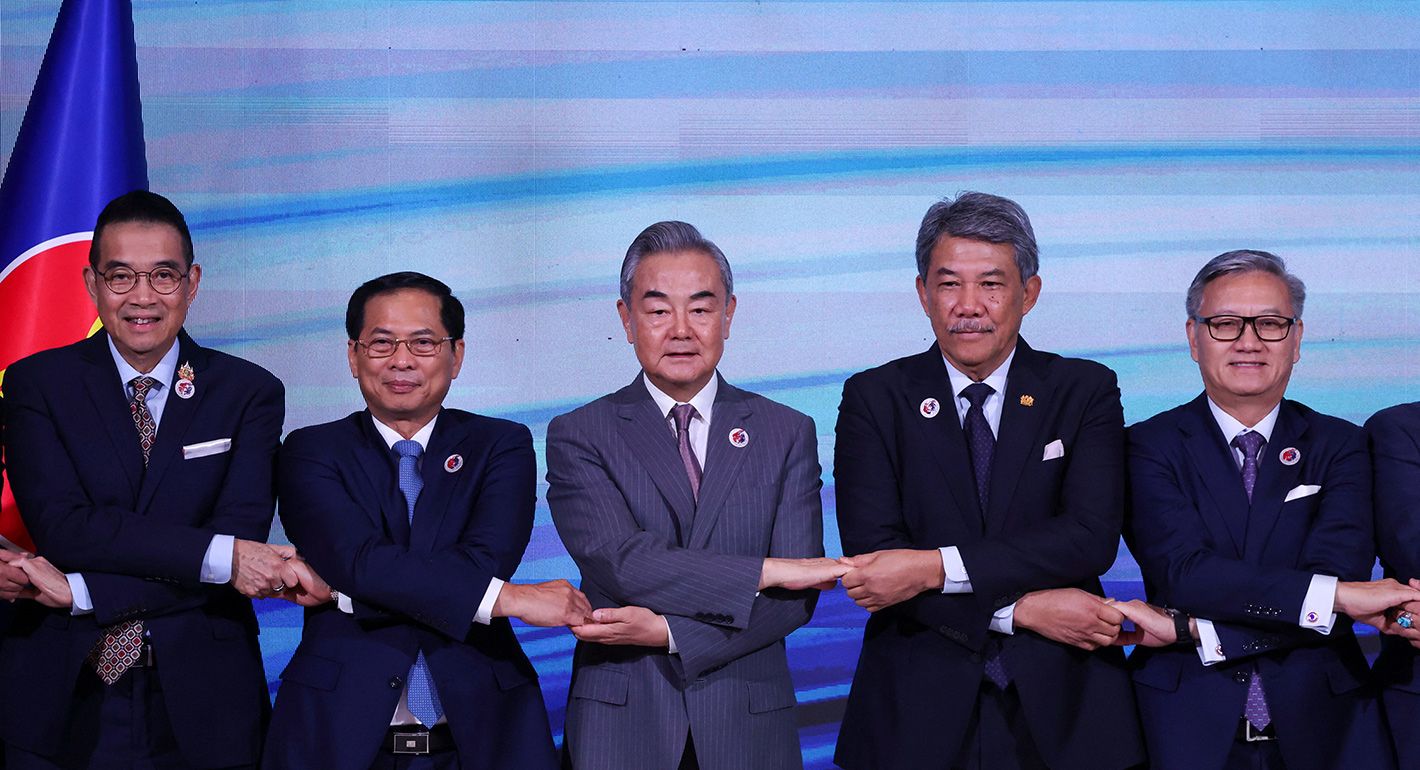
    China’s Mediation Offer in the Thailand-Cambodia Border Dispute Sheds Light on Beijing’s Security Role in Southeast Asia

    The Thai-Cambodian conflict highlights the limits to China's peacemaker ambition and the significance of this role on Southeast Asia’s balance of power.

      Pongphisoot (Paul) Busbarat
  • Trump and Xi on a red background
    Commentary
    Emissary
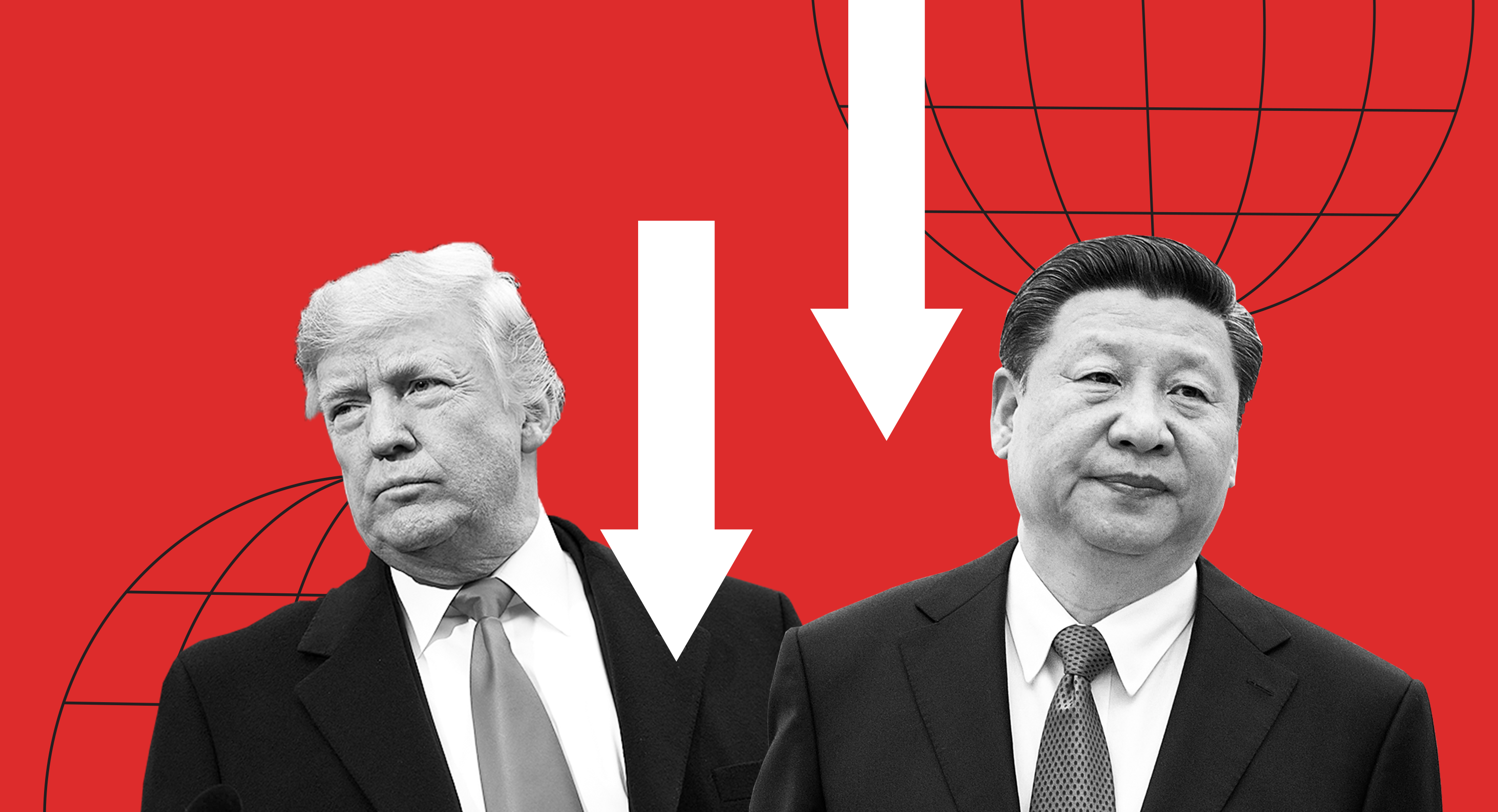
    China Is Determined to Hold Firm Against Trump’s Pressure

    Beijing believes that Washington is overestimating its own leverage and its ability to handle the trade war’s impacts. 

      • Sheena Chestnut Greitens

      Rick Waters, Sheena Chestnut Greitens
  • Commentary
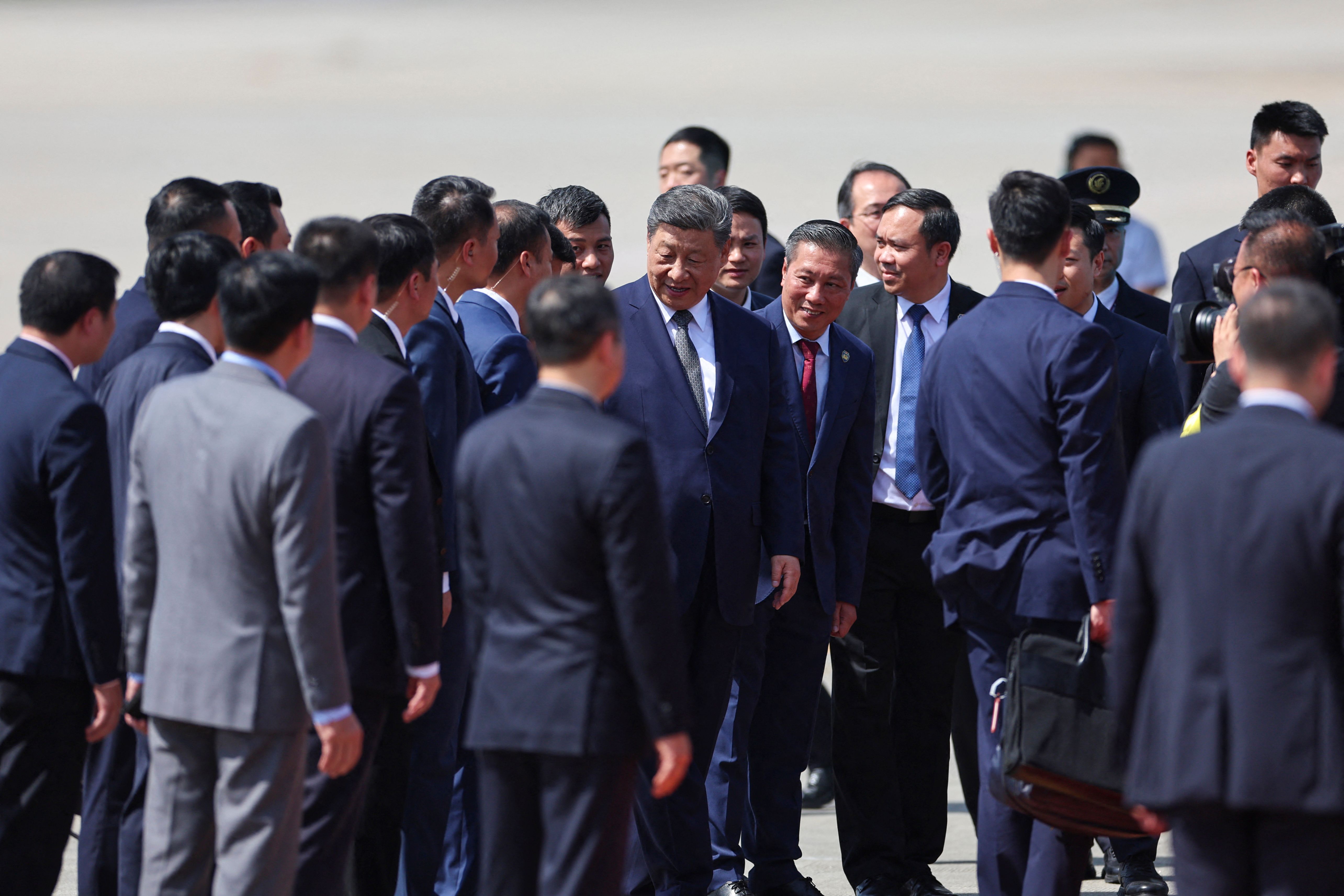
    A Second Trump Term: Will Southeast Asia Tilt Toward China?

    Tapping our network of China experts in the region, Carnegie China offers this latest “China Through a Southeast Asian Lens” report to offer preliminary assessments of whether the U.S. effort to reshape the global trading order will lead countries in the region to tilt toward Beijing. 
      • +6

      Selina Ho, Khin Khin Kyaw Kyee, Joseph Ching Velasco, …
  • Research
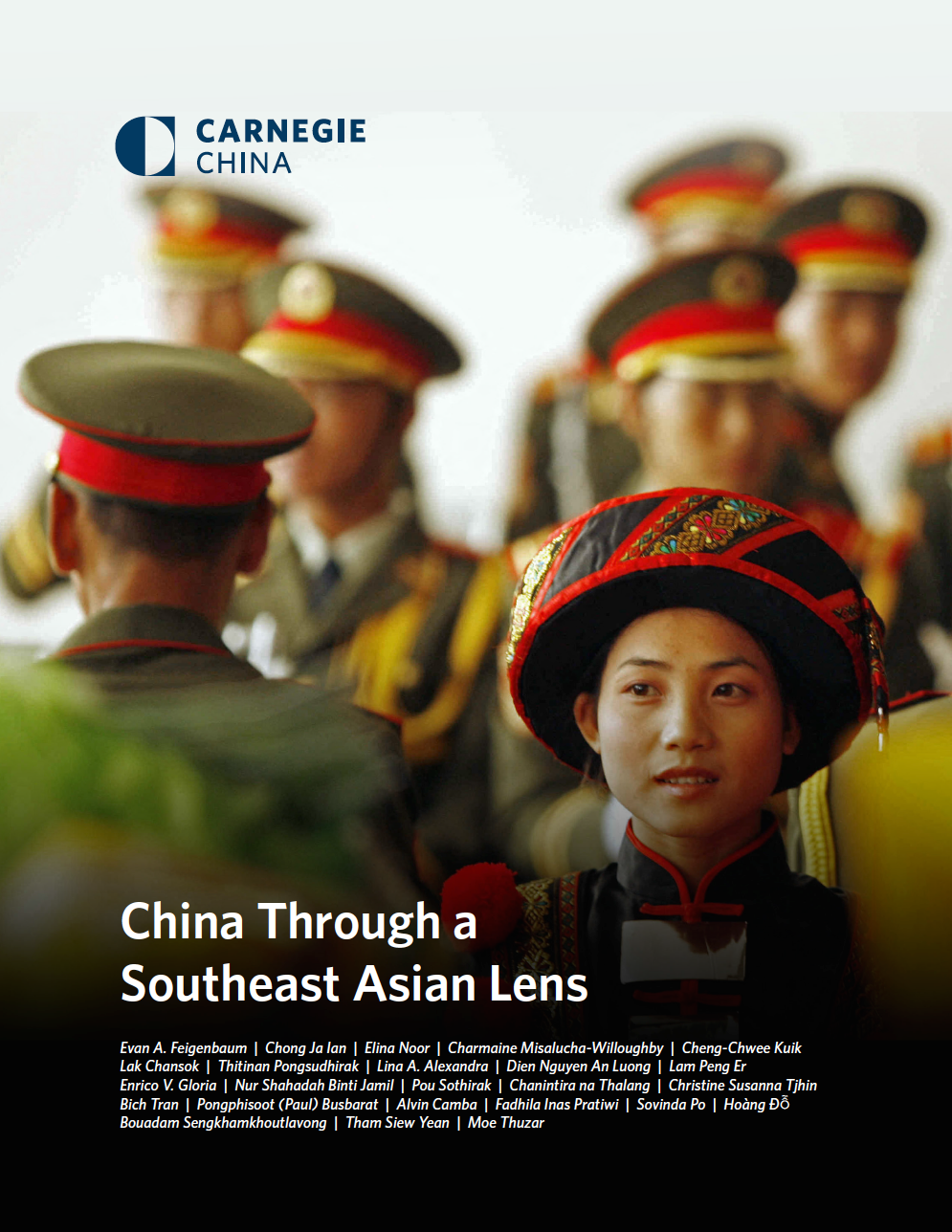
    China Through a Southeast Asian Lens

    Because strategic, economic, and ideological perceptions of China contain multiple, sometimes contradictory facets in Southeast Asia, receptions of and responses to Beijing diverge across and within state lines.


      Evan A. Feigenbaum, Chong Ja Ian, Elina Noor
  • Article
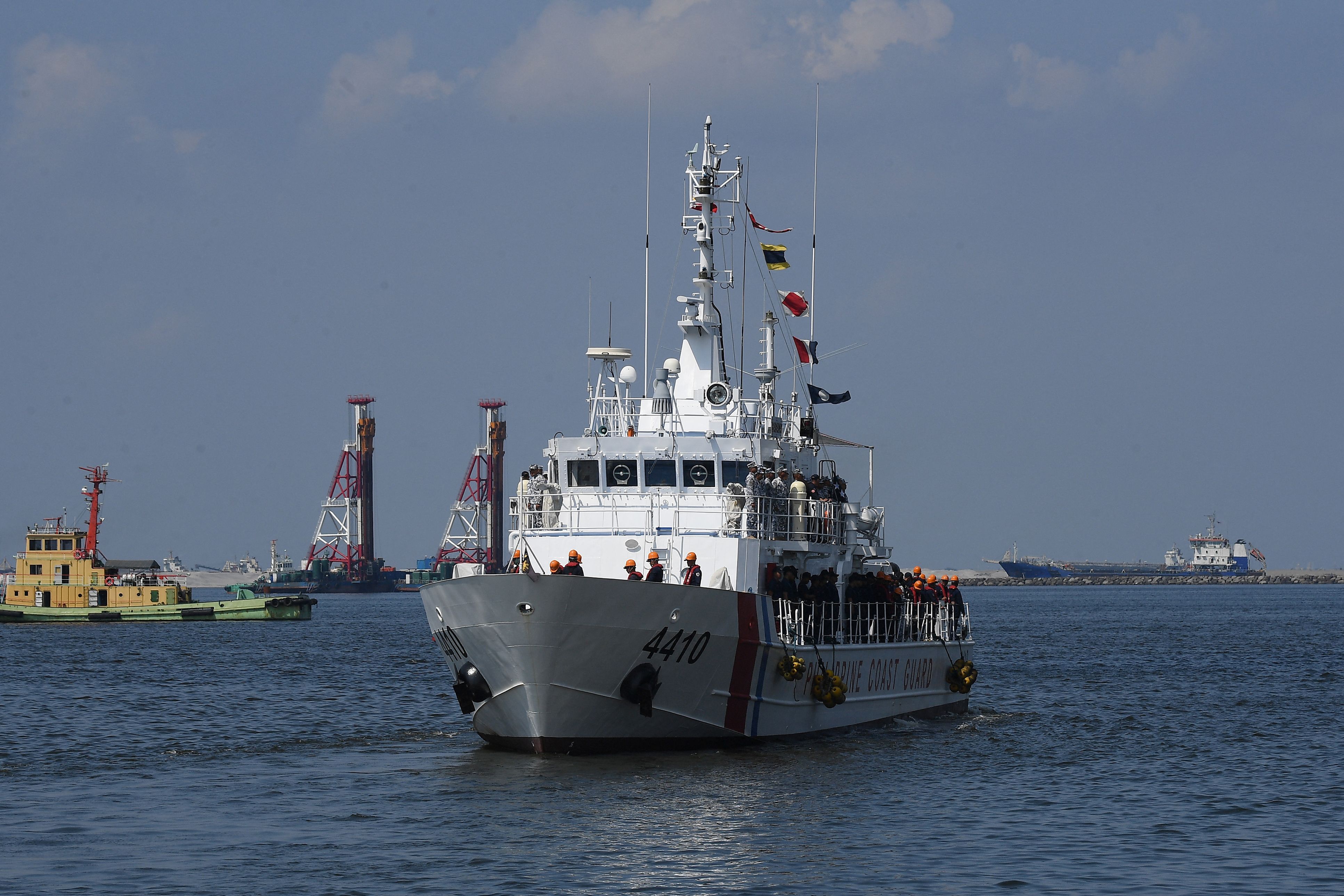
    Northeast Asia Is for Deterrence and Southeast Asia Is (Mostly) for Freeriding: Appreciating Divergent East Asian Approaches to Order, Uncertainty, and Contestation

    Most Southeast Asian states behave as if the actions of their Northeast Asian neighbors and the Philippines will be sufficient to maintain a regional status quo from which they can benefit.

      Chong Ja Ian

Get more news and analysis from
Carnegie China
Carnegie China logo, white
Keck Seng Tower133 Cecil Street #10-01ASingapore, 069535Phone: +65 9650 7648
  • Research
  • About
  • Experts
  • Events
  • Contact
  • Careers
  • Privacy
  • For Media
Get more news and analysis from
Carnegie China
© 2026 Carnegie Endowment for International Peace. All rights reserved.