

Q&A
Suzanne Maloney, Aaron David Miller, Karim Sadjadpour
{
  "authors": [
    "Karim Sadjadpour"
  ],
  "type": "legacyinthemedia",
  "centerAffiliationAll": "dc",
  "centers": [
    "Carnegie Endowment for International Peace",
    "Malcolm H. Kerr Carnegie Middle East Center"
  ],
  "collections": [],
  "englishNewsletterAll": "menaTransitions",
  "nonEnglishNewsletterAll": "",
  "primaryCenter": "Carnegie Endowment for International Peace",
  "programAffiliation": "MEP",
  "programs": [
    "Middle East"
  ],
  "projects": [],
  "regions": [
    "Middle East",
    "Iran",
    "Gulf"
  ],
  "topics": [
    "Political Reform",
    "Nuclear Policy"
  ]
}
Source: Getty
A year after the June 2009 controversial presidential elections in Iran, domestic discontent continues to simmer and the Iranian regime faces a new round of international economic sanctions.
Source: CSPAN's Washington Journal

Turning from the sanctions to the domestic situation in Iran a year after the June 12, 2009 controversial presidential elections, Sadjadpour contended that discontent in Iran is out of sight, but it is certainly not out of mind. “The political, social, and above all economic malaise which spurred people to go to the streets still very much exists in Iran,” asserted Sadjadpour. However, the government has successfully been able to quell the streets protests and forced the opposition to reorient its strategy. As such, Sadjadpour contended that the Green Movement must go beyond street protests in its efforts to promote a democratic revolution in Iran.
The underlying problem with Iran is not its nuclear program, but the character of the Iranian regime, concluded Sadjadpour. Any type of military action by the United States or the Israelis, even surgical strikes, will only exacerbate this problem by entrenching the most problematic elements of the regime. Instead, the United States should “provide moral solidarity while being sure to not taint the indigenous nature of the opposition movement.”

Senior Fellow, Middle East Program
Karim Sadjadpour is a senior fellow at the Carnegie Endowment for International Peace, where he focuses on Iran and U.S. foreign policy toward the Middle East.
Recent Work


Suzanne Maloney, Aaron David Miller, Karim Sadjadpour

Aaron David Miller, Karim Sadjadpour, Robin Wright
Carnegie does not take institutional positions on public policy issues; the views represented herein are those of the author(s) and do not necessarily reflect the views of Carnegie, its staff, or its trustees.

The nuclear relationship between China and the United States is increasingly shaped by widening perception gaps rather than deliberate strategic design.

Tong Zhao
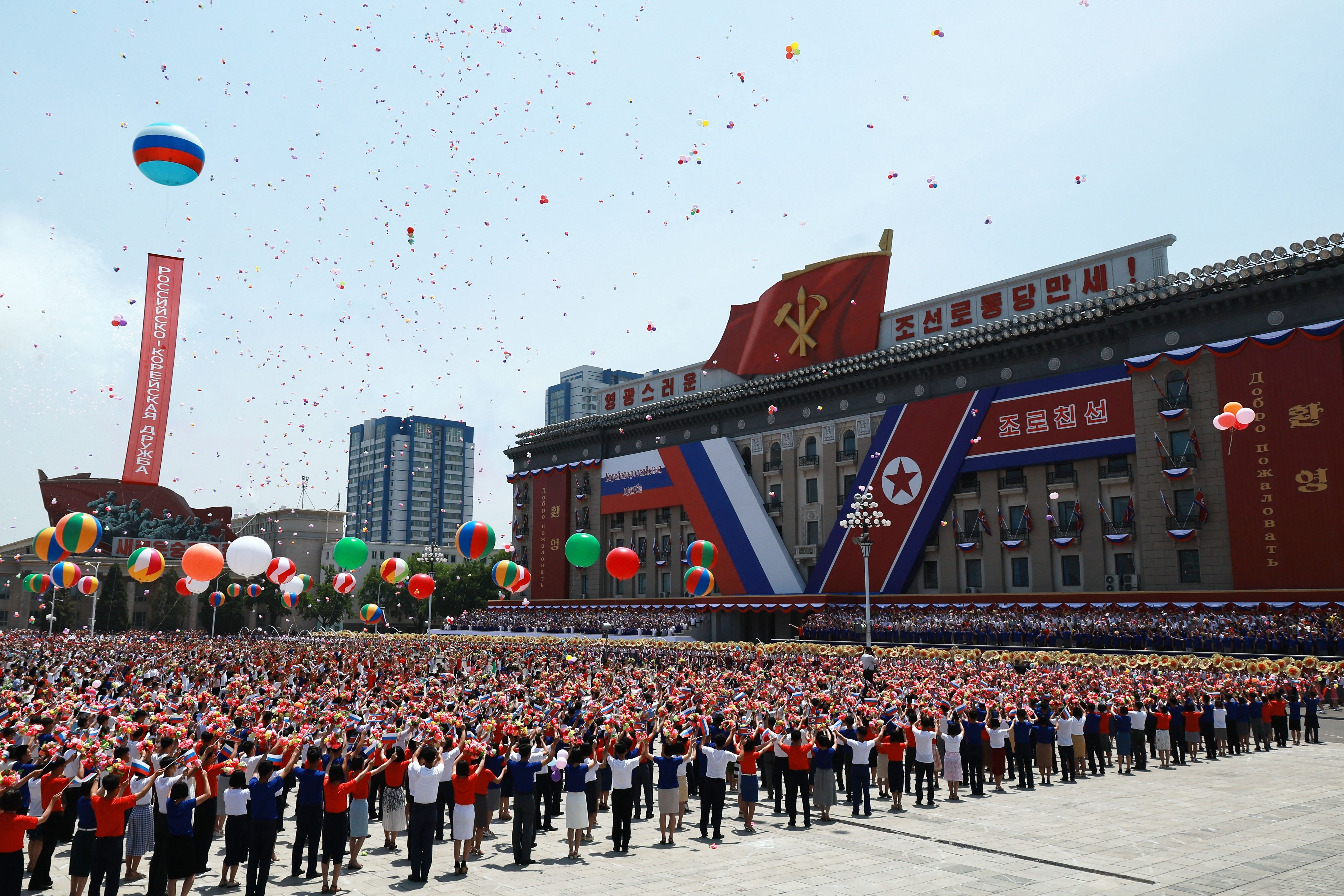
Faced with an increase in strategic maneuvering by Moscow and Pyongyang, Beijing will not sit idly by and allow Putin and Kim to shape the security environment on its behalf.
Tong Zhao
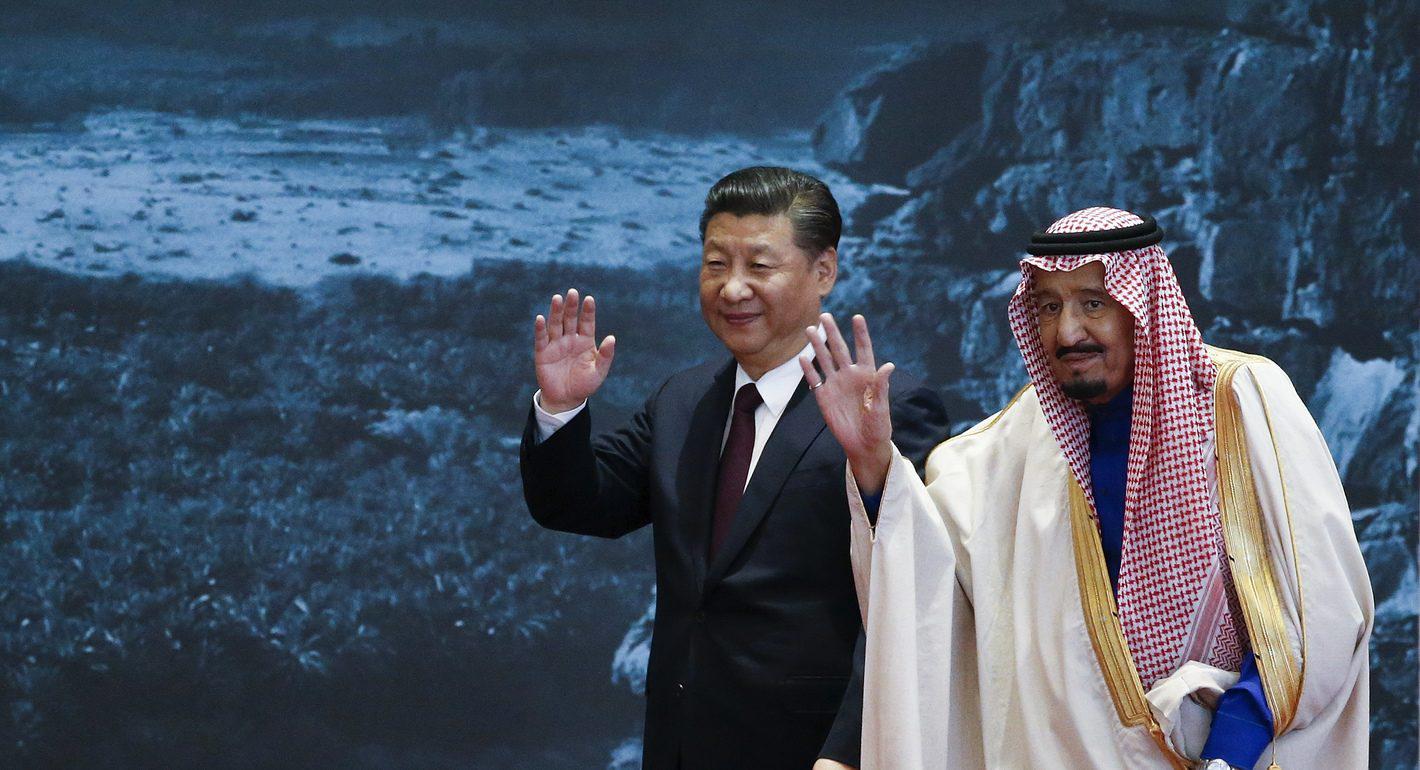
The advantage that China has over other global powers, especially America, is that its foreign policy is closely aligned with those of many of the Middle Eastern countries.


Jin Liangxiang, Maha Yahya, Hesham Alghannam
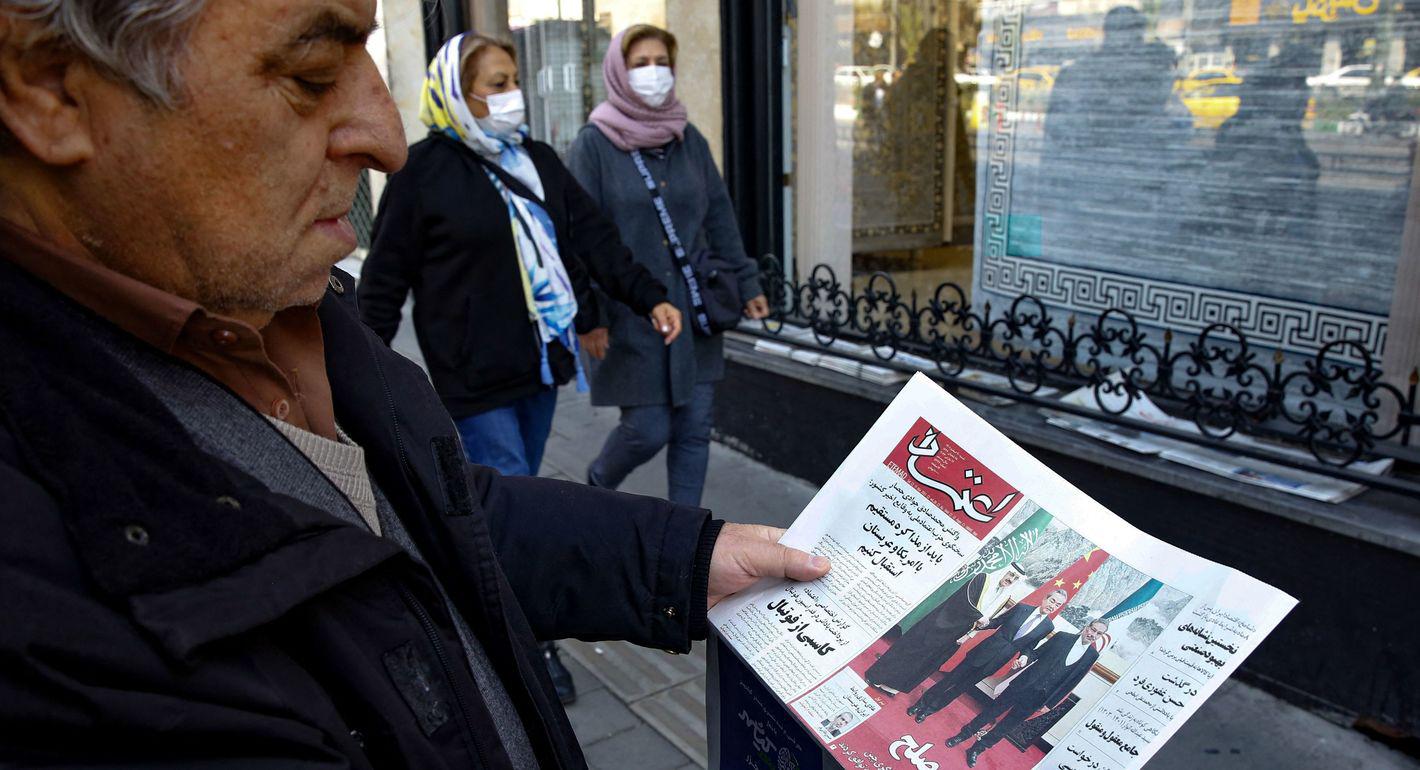
Transactional relationships are stable but can be shallow.

Paul Haenle, Maha Yahya, Benjamin Ho, …

China views U.S. missile defense as posing a greater potential threat to China’s nuclear deterrent than other U.S. military capabilities.
Tong Zhao, Dmitry Stefanovich