• Commentary
  • Research
  • Experts
  • Events
Carnegie China logoCarnegie lettermark logo
{
  "authors": [
    "Henri J. Barkey"
  ],
  "type": "legacyinthemedia",
  "centerAffiliationAll": "dc",
  "centers": [
    "Carnegie Endowment for International Peace"
  ],
  "collections": [],
  "englishNewsletterAll": "menaTransitions",
  "nonEnglishNewsletterAll": "",
  "primaryCenter": "Carnegie Endowment for International Peace",
  "programAffiliation": "MEP",
  "programs": [
    "Middle East"
  ],
  "projects": [],
  "regions": [
    "Middle East",
    "Israel",
    "Türkiye",
    "Palestine"
  ],
  "topics": [
    "Security"
  ]
}
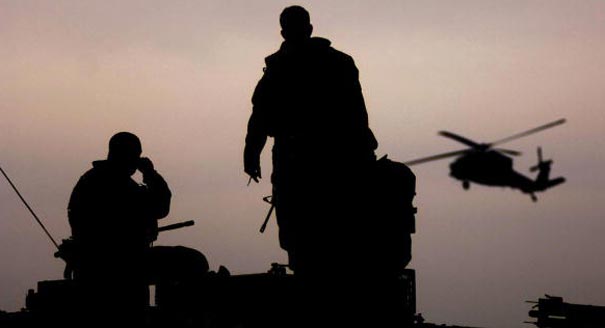
Source: Getty

In The Media

No Benefit of the Doubt for Israel?

The only good thing that can come out of this tragedy is that the Israeli public will hold the government accountable for poor decision-making and incompetent execution that has handed Hamas and its allies the victory of their lifetime.

Link Copied
By Henri J. Barkey
Published on Jun 1, 2010

Source: Politico

No Benefit of the Doubt for Israel?The real problem that this situation has made clear is that Israel has become insensitive to its own predicament. Even if Israel had every right to board the ship and detain its occupants, Israel should have expected that boarding the ship would result in such a confrontation and the resulting international backlash. It was obvious from the outset that the organizers of the flotilla were only interested in a physical clash with the Israelis and that aid supplies were just the excuse. Quite a bit was known about the primary organizer, a Turkish Islamist charity with deep ties to Hamas and other groups whose rhetoric was quite inflammatory. 

The decision process in this case is eerily reminiscent of group think, the inability to consider alternative explanations and courses of action. Seven cabinet members, without the participation of the whole cabinet, apparently met twice and made the decision. In light of Israel’s international isolation and its delicate relations with the United States, did anyone consider the ramifications of their decision? Moreover, Israel’s actions have diverted the attention of the UN Security Council right at the time they were to take up Iran’s nuclear program - Israel’s paramount concern.
 
Clearly, the current Israeli government lives in a cocoon. The only good thing that can come out of this tragedy is that the Israeli public will hold the government accountable for poor decision-making and incompetent execution that has handed Hamas and its allies the victory of their lifetime.

About the Author

Henri J. Barkey

Former Visiting Scholar, Middle East Program

Barkey served as a member of the U.S. State Department Policy Planning Staff, working primarily on issues related to the Middle East, the Eastern Mediterranean, and intelligence from 1998 to 2000.

    Recent Work

  • Article
    Winners and Losers in Turkey’s Election

      Henri J. Barkey

  • Article
    The Road to Turkey’s June Elections: Crises, Strategies, and Outcomes

      Henri J. Barkey

Henri J. Barkey
Former Visiting Scholar, Middle East Program
Henri J. Barkey
SecurityMiddle EastIsraelTürkiyePalestine

Carnegie does not take institutional positions on public policy issues; the views represented herein are those of the author(s) and do not necessarily reflect the views of Carnegie, its staff, or its trustees.
More Work from Carnegie China

  • Commentary
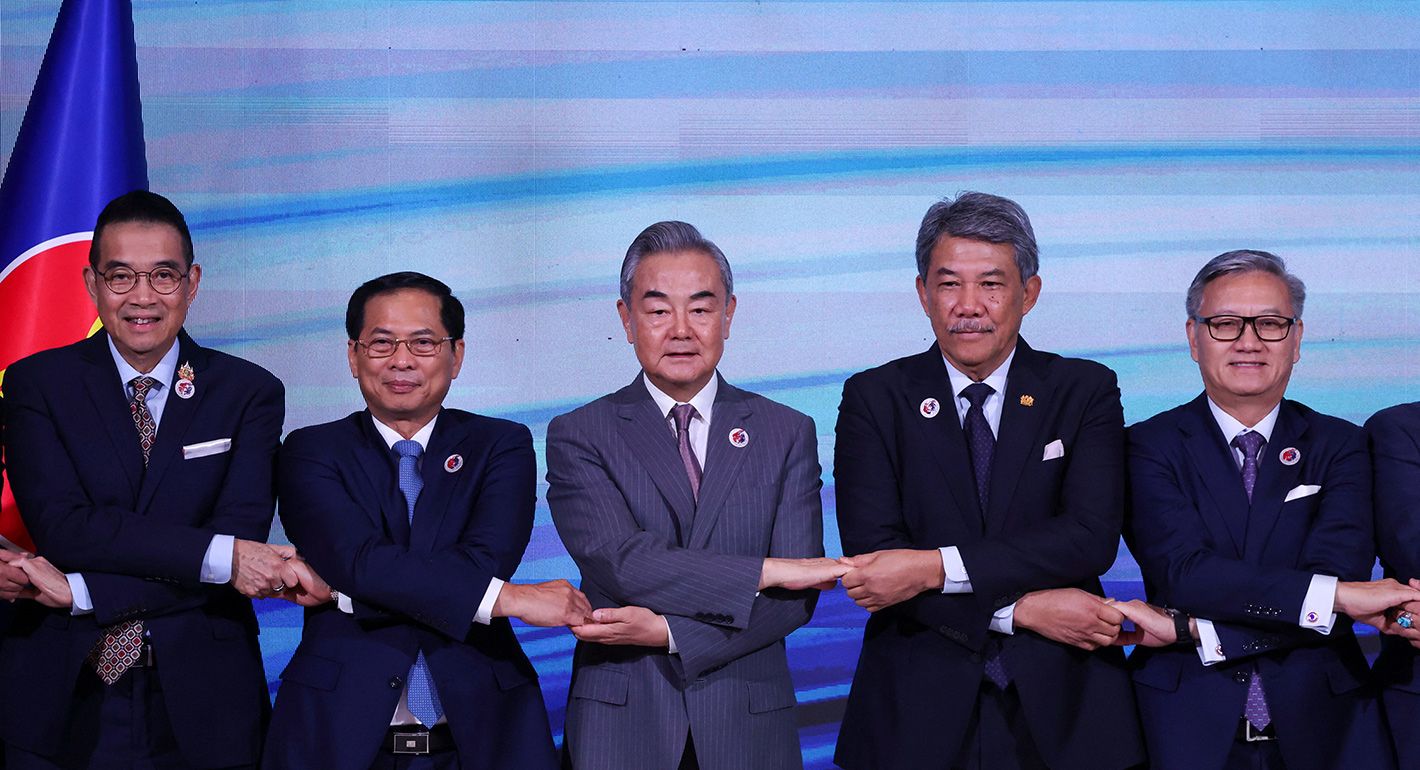
    China’s Mediation Offer in the Thailand-Cambodia Border Dispute Sheds Light on Beijing’s Security Role in Southeast Asia

    The Thai-Cambodian conflict highlights the limits to China's peacemaker ambition and the significance of this role on Southeast Asia’s balance of power.

      Pongphisoot (Paul) Busbarat
  • Trump and Xi on a red background
    Commentary
    Emissary
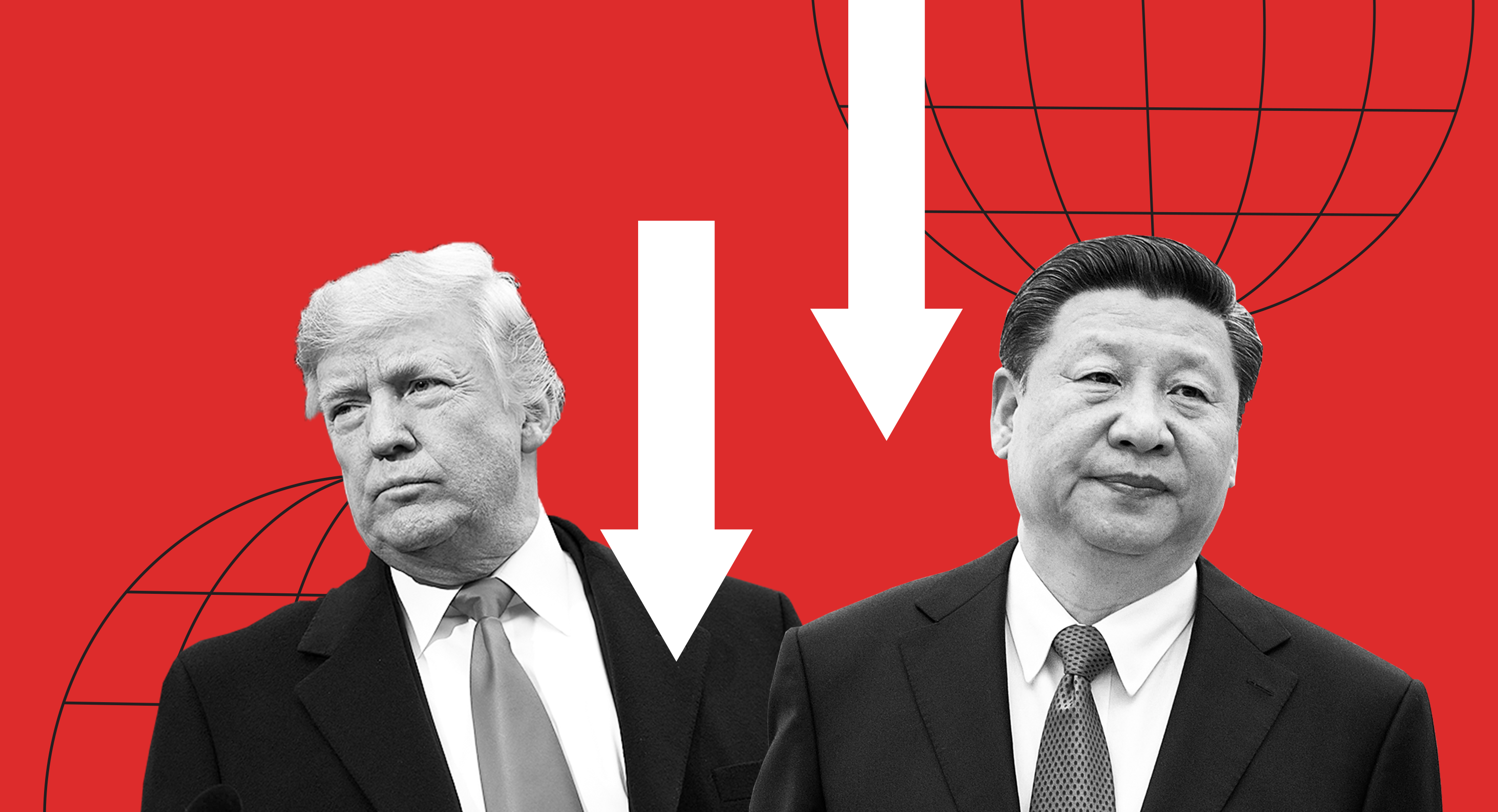
    China Is Determined to Hold Firm Against Trump’s Pressure

    Beijing believes that Washington is overestimating its own leverage and its ability to handle the trade war’s impacts. 

      • Sheena Chestnut Greitens

      Rick Waters, Sheena Chestnut Greitens
  • Commentary
    A Second Trump Term: Will Southeast Asia Tilt Toward China?

    Tapping our network of China experts in the region, Carnegie China offers this latest “China Through a Southeast Asian Lens” report to offer preliminary assessments of whether the U.S. effort to reshape the global trading order will lead countries in the region to tilt toward Beijing. 

      • +6

      Selina Ho, Khin Khin Kyaw Kyee, Joseph Ching Velasco, …
  • Research
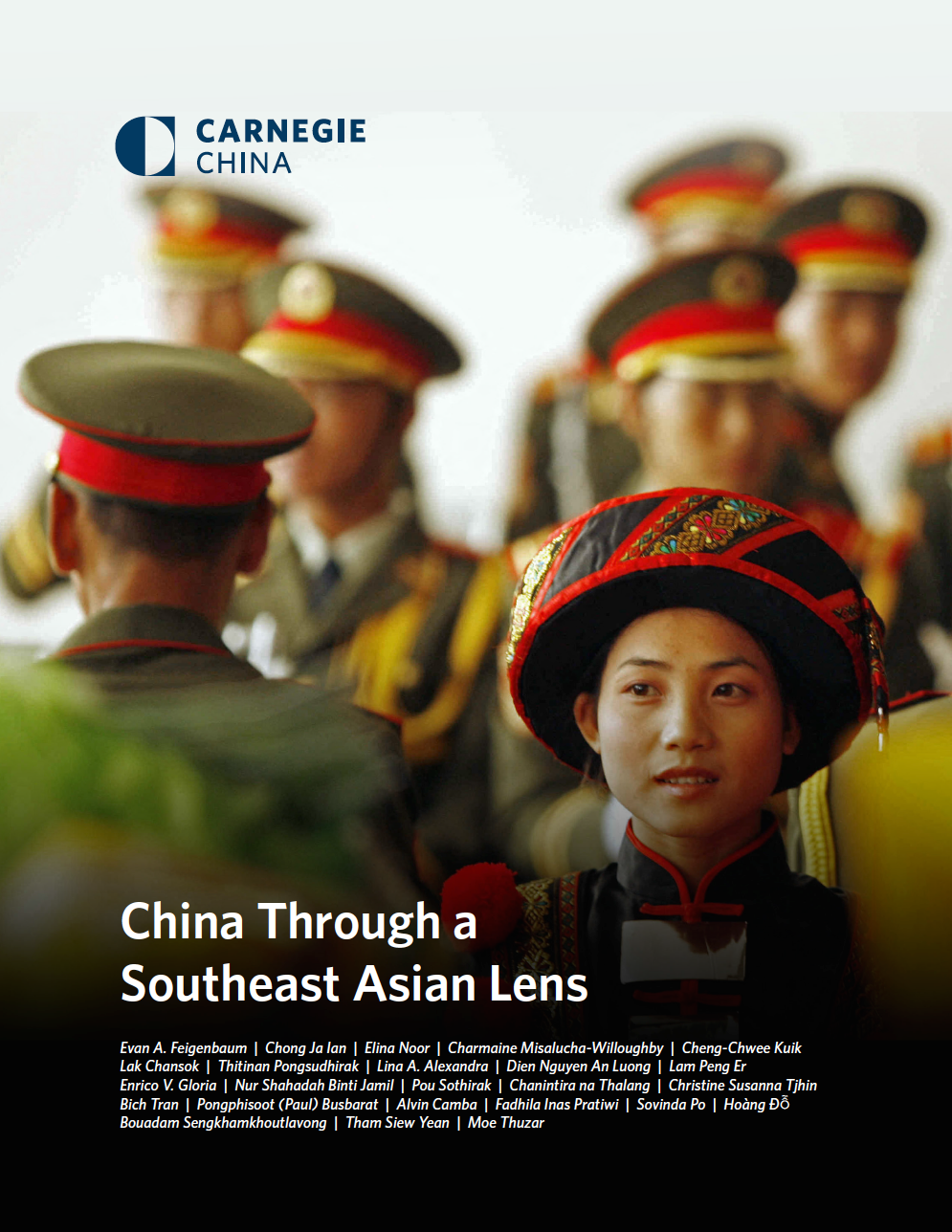
    China Through a Southeast Asian Lens

    Because strategic, economic, and ideological perceptions of China contain multiple, sometimes contradictory facets in Southeast Asia, receptions of and responses to Beijing diverge across and within state lines.


      Evan A. Feigenbaum, Chong Ja Ian, Elina Noor
  • Article
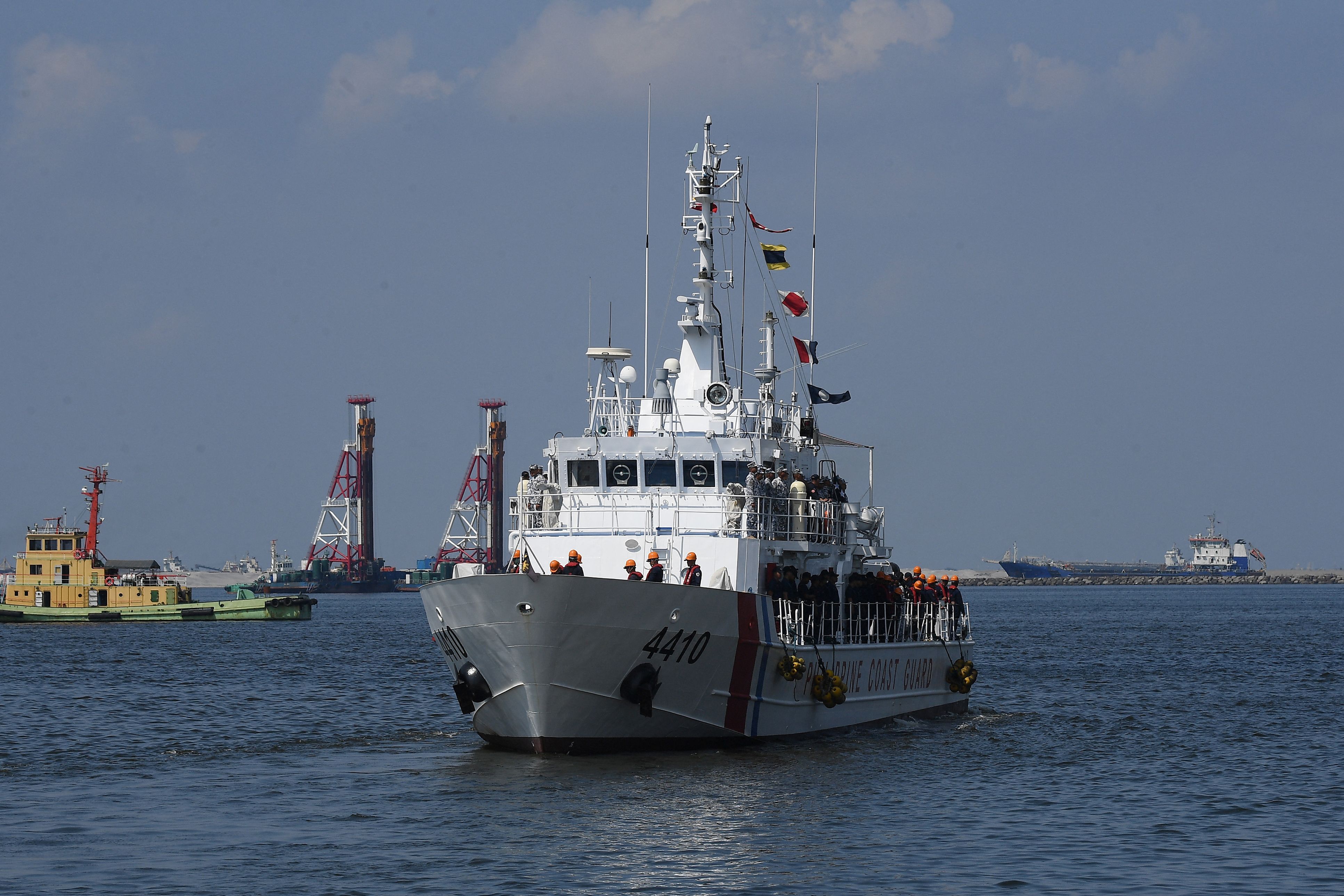
    Northeast Asia Is for Deterrence and Southeast Asia Is (Mostly) for Freeriding: Appreciating Divergent East Asian Approaches to Order, Uncertainty, and Contestation

    Most Southeast Asian states behave as if the actions of their Northeast Asian neighbors and the Philippines will be sufficient to maintain a regional status quo from which they can benefit.

      Chong Ja Ian

Get more news and analysis from
Carnegie China
Carnegie China logo, white
  • Research
  • About
  • Experts
  • Events
  • Contact
  • Careers
  • Privacy
  • For Media
Get more news and analysis from
Carnegie China
© 2026 Carnegie Endowment for International Peace. All rights reserved.