

Q&A
Suzanne Maloney, Aaron David Miller, Karim Sadjadpour
{
  "authors": [
    "Karim Sadjadpour"
  ],
  "type": "legacyinthemedia",
  "centerAffiliationAll": "dc",
  "centers": [
    "Carnegie Endowment for International Peace",
    "Malcolm H. Kerr Carnegie Middle East Center"
  ],
  "collections": [],
  "englishNewsletterAll": "menaTransitions",
  "nonEnglishNewsletterAll": "",
  "primaryCenter": "Carnegie Endowment for International Peace",
  "programAffiliation": "MEP",
  "programs": [
    "Middle East"
  ],
  "projects": [],
  "regions": [
    "Middle East",
    "Iran",
    "Gulf"
  ],
  "topics": [
    "Nuclear Policy"
  ]
}
Source: Getty
Although Iranian scientist Shahram Amiri has told conflicting stories regarding the nature of his time in the United States, his defection represents the growing dissatisfaction of the Iranian people towards the regime.
Source: CBS News
Iranian scientist Shahram Amiri, who defected to the United States to provide information on the Iranian nuclear program, has recently alleged that he was kidnapped and tortured by the CIA. However, notes Karim Sadjadpour, “this narrative is undermined by that fact that Amiri was posting YouTube videos while he was ostensibly in CIA detention.” Amiri has also released a contradictory video where he suggested that he was actually in the United States to pursue his studies. Sadjadpour believes that Amiri choose to allege kidnapping and torture against the CIA to help the Iranian government save face. Amiri had been living in the United States for a year, while his wife and child were still in Iran under extreme pressure from the regime. Ultimately, Sadjadpour concludes, the primary factor for his return was due to this pressure on his family.
It is doubtful that Amiri was a major player in the Iranian nuclear program and he undoubtedly had no decision-making role. According to Sadjadpour, “the Iranian nuclear program is very compartmentalized” and this isolates people like Amiri from divulging much information. Yet Amiri’s defection does have significance. He represents the growing disaffection that Iranians feel with the regime. “There are thousands of people like Amiri that could be lured to outside,” notes Sadjadpour.

Senior Fellow, Middle East Program
Karim Sadjadpour is a senior fellow at the Carnegie Endowment for International Peace, where he focuses on Iran and U.S. foreign policy toward the Middle East.
Recent Work


Suzanne Maloney, Aaron David Miller, Karim Sadjadpour

Aaron David Miller, Karim Sadjadpour, Robin Wright
Carnegie does not take institutional positions on public policy issues; the views represented herein are those of the author(s) and do not necessarily reflect the views of Carnegie, its staff, or its trustees.
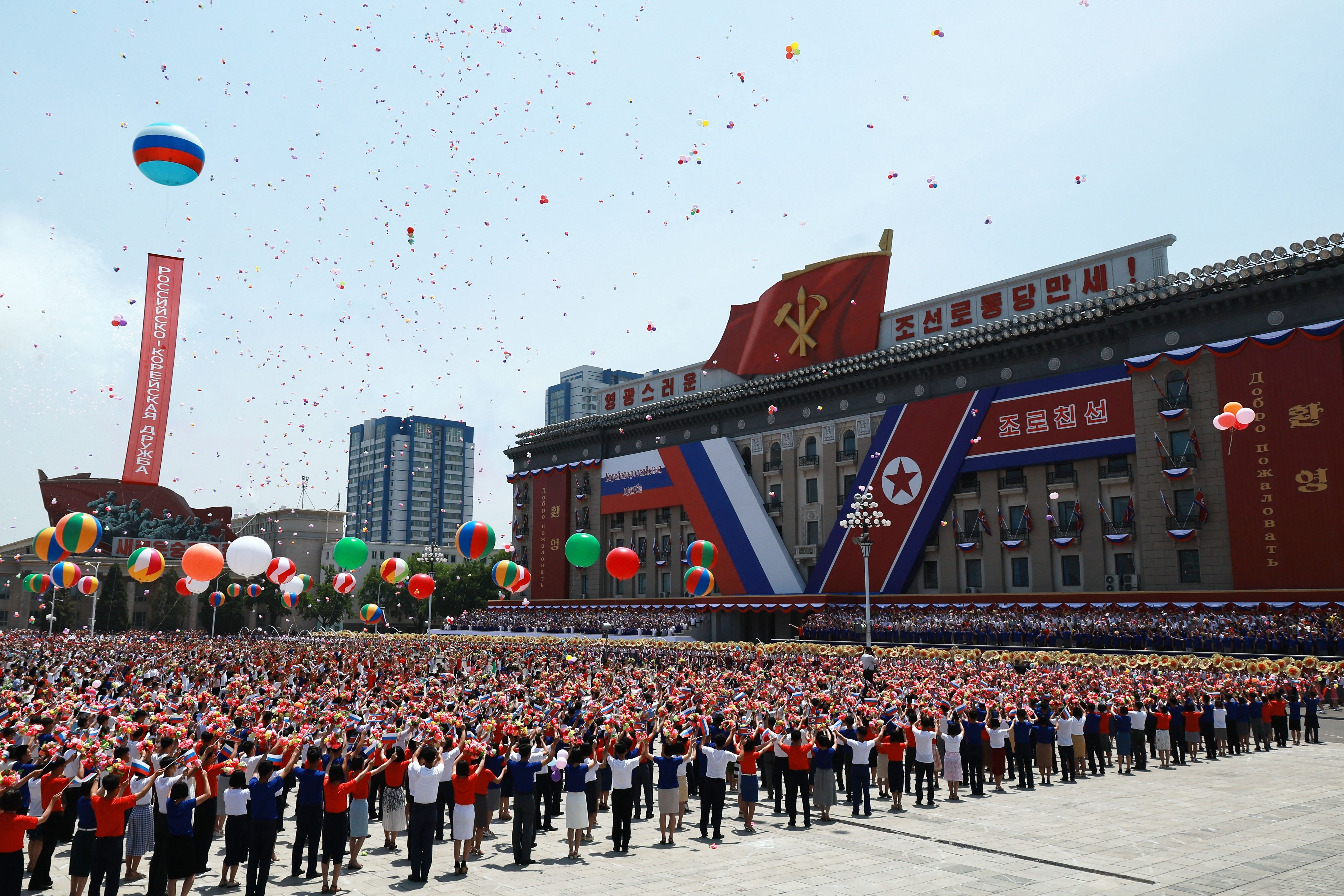
Faced with an increase in strategic maneuvering by Moscow and Pyongyang, Beijing will not sit idly by and allow Putin and Kim to shape the security environment on its behalf.

Tong Zhao
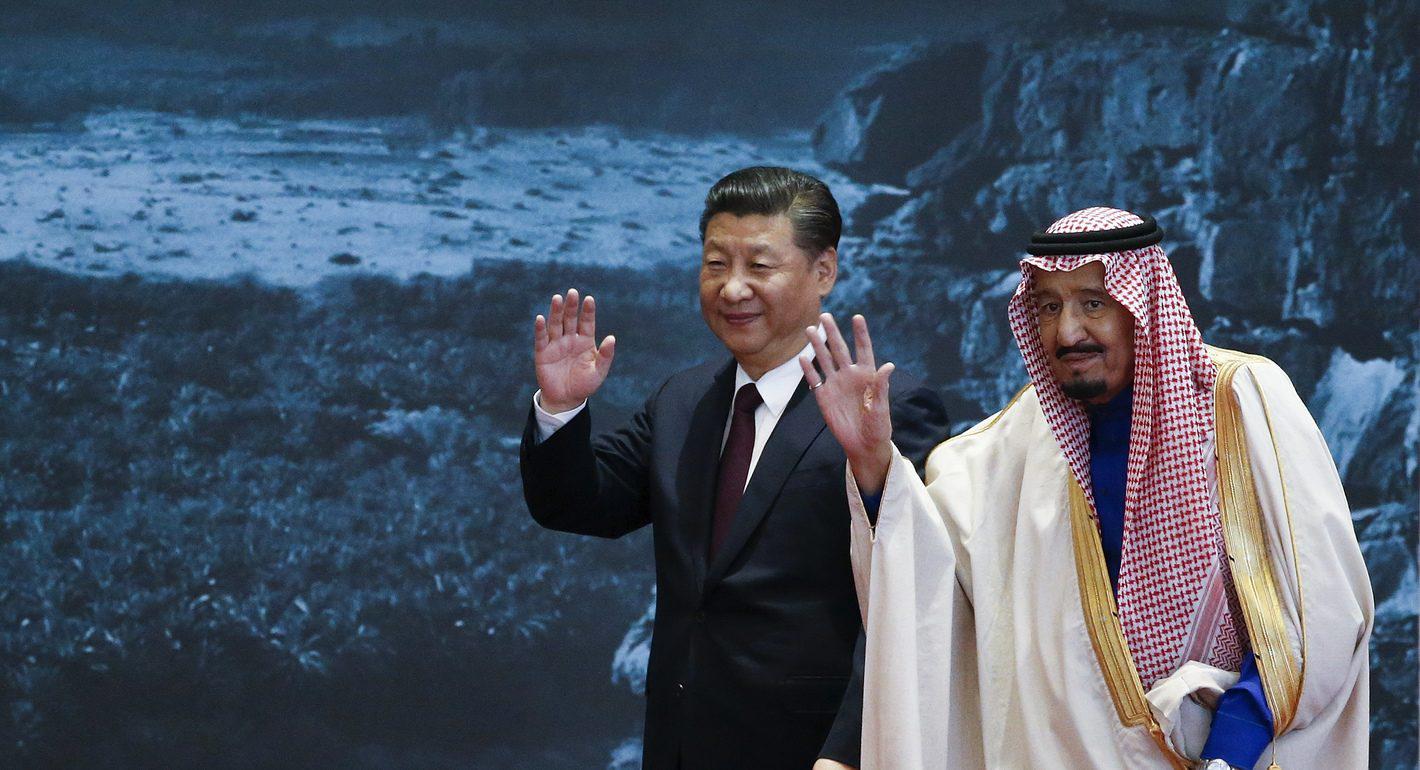
The advantage that China has over other global powers, especially America, is that its foreign policy is closely aligned with those of many of the Middle Eastern countries.


Jin Liangxiang, Maha Yahya, Hesham Alghannam
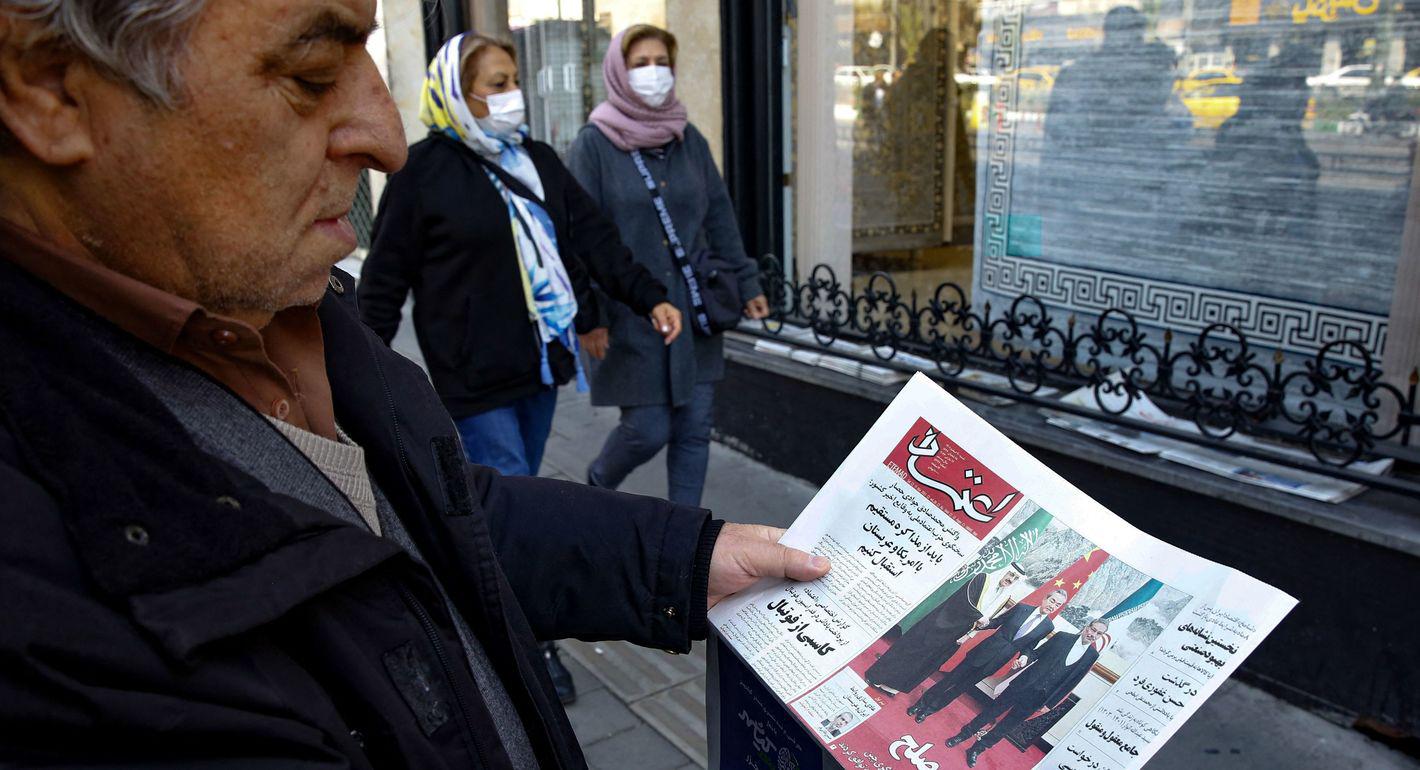
Transactional relationships are stable but can be shallow.


Paul Haenle, Maha Yahya, Benjamin Ho, …

China views U.S. missile defense as posing a greater potential threat to China’s nuclear deterrent than other U.S. military capabilities.
Tong Zhao, Dmitry Stefanovich
“It’s not so clear how we’re going to get out of this.”
Paul Haenle, Philippe Le Corre