• Commentary
  • Research
  • Experts
  • Events
Carnegie China logoCarnegie lettermark logo
{
  "authors": [],
  "type": "scholarSpotlight",
  "centerAffiliationAll": "dc",
  "centers": [
    "Carnegie Endowment for International Peace"
  ],
  "collections": [],
  "englishNewsletterAll": "ctw",
  "nonEnglishNewsletterAll": "",
  "primaryCenter": "Carnegie Endowment for International Peace",
  "programAffiliation": "SCP",
  "programs": [
    "Sustainability, Climate, and Geopolitics"
  ],
  "projects": [],
  "regions": [
    "North America",
    "United States"
  ],
  "topics": [
    "Climate Change"
  ]
}
Source: Getty

Scholar Spotlight

Executive Summary: Leadership Initiative On Transportation Solvency

The Leadership Initiative on Transportation Solvency will develop a non-partisan solution for financing an improved and self-sustaining transportation system in the United States.

Link Copied
Published on Aug 5, 2010

Mission

The Leadership Initiative on Transportation Solvency will develop a non-partisan solution for financing an improved and self-sustaining transportation system in the United States. Under the leadership of three distinguished political figures, the initiative will conduct an analysis of strategies to fund America’s transportation system that are politically realistic but also serve to make transportation better, greener, and more fiscally sound.

Leadership Team

  • The initiative is being led by former U.S. Senator Bill Bradley, former Pennsylvania Governor and Homeland Security Secretary Tom Ridge, and former U.S. Comptroller General and now president of the Peter G. Peterson Foundation David Walker.

  • Staffing and support for the project is being provided by the Carnegie Endowment for International Peace’s Energy and Climate Program.

The Problem

  • When Congress created the interstate highway system in 1956 it was meant to be self-sustaining. Funds were raised through a combination of federal gasoline and excise taxes and then deposited into the Highway Trust Fund, which is used to maintain America’s transportation infrastructure.

  • The gas tax has remained unchanged since 1993 while transportation spending has continued to grow.

  • There is an ever-widening gap between the amount of money flowing into the system and the amount of money being spent.

  • The Highway Trust Fund is not only broke, it is broken. Of the $78 billion spent by the federal government every year on transportation, $25 billion is funded from the United States Treasury’s general revenues. 

  • Bailing out the Highway Trust Fund year after year is not only fiscally unsustainable, it also shortchanges critical improvements to America’s crumbling infrastructure.
  • Failure to reform our transportation system risks deepening U.S. dependence on oil, adding to climate change, and eroding American economic competitiveness.

The Solution

  • Conduct intensive analysis of existing federal transportation programs and identify opportunities to sunset programs that have achieved their initial objective or are no longer relevant.

  • Explore the possibility of using transportation-related carbon pricing to fund future transportation improvements.

  • Produce a long-term strategy that will simultaneously finance America’s transportation infrastructure, decrease the deficit, and reduce carbon emissions.

Policy Recommendations

  • In spring 2011, the initiative will unveil its findings and the final report will issue policy recommendations for consideration by Congress. Preliminary findings will be released in advance of the President’s Fiscal Responsibility and Reform Commission.
Climate ChangeNorth AmericaUnited States

Carnegie does not take institutional positions on public policy issues; the views represented herein are those of the author(s) and do not necessarily reflect the views of Carnegie, its staff, or its trustees.

More Work from Carnegie China

  • Commentary
    When It Comes to Superpower Geopolitics, Malaysia Is Staunchly Nonpartisan

    For Malaysia, the conjunction that works is “and” not “or” when it comes to the United States and China.

      Elina Noor
  • Commentary
    Today’s Rare Earths Conflict Echoes the 1973 Oil Crisis — But It’s Not the Same

    Regulation, not embargo, allows Beijing to shape how other countries and firms adapt to its terms.
      Alvin Camba
  • Trump and Xi on a red background
    Commentary
    Emissary
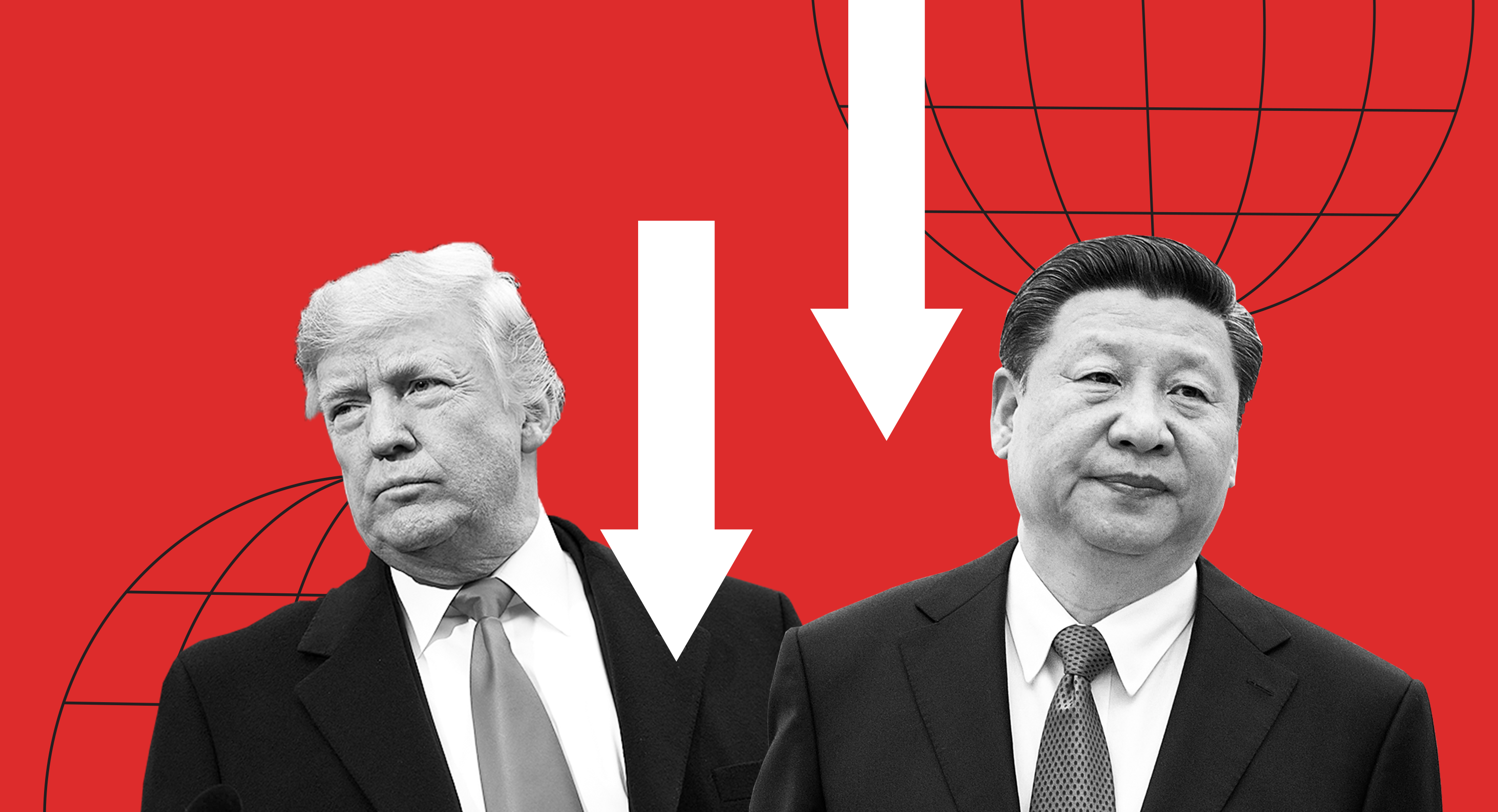
    China Is Determined to Hold Firm Against Trump’s Pressure

    Beijing believes that Washington is overestimating its own leverage and its ability to handle the trade war’s impacts. 

      • Sheena Chestnut Greitens

      Rick Waters, Sheena Chestnut Greitens

  • Commentary
    A Second Trump Term: Will Southeast Asia Tilt Toward China?

    Tapping our network of China experts in the region, Carnegie China offers this latest “China Through a Southeast Asian Lens” report to offer preliminary assessments of whether the U.S. effort to reshape the global trading order will lead countries in the region to tilt toward Beijing. 

      • +6

      Selina Ho, Khin Khin Kyaw Kyee, Joseph Ching Velasco, …

  • Commentary
    Is China Willing to Influence Russia on the Ukraine War?

    Beijing is trying to navigate the overall situation regarding Ukraine, especially the substance of interactions between Washington and Moscow.

      • Ellen Nakashima
      • Zhao Long
      • +1

      Ellen Nakashima, Zhao Long, Pavlo Klimkin, …

Get more news and analysis from
Carnegie China
Carnegie China logo, white
Keck Seng Tower133 Cecil Street #10-01ASingapore, 069535Phone: +65 9650 7648
  • Research
  • About
  • Experts
  • Events
  • Contact
  • Careers
  • Privacy
  • For Media
Get more news and analysis from
Carnegie China
© 2026 Carnegie Endowment for International Peace. All rights reserved.




