• Commentary
  • Research
  • Experts
  • Events
Carnegie China logoCarnegie lettermark logo
{
  "authors": [
    "Michele Dunne"
  ],
  "type": "legacyinthemedia",
  "centerAffiliationAll": "dc",
  "centers": [
    "Carnegie Endowment for International Peace",
    "Carnegie Europe",
    "Malcolm H. Kerr Carnegie Middle East Center"
  ],
  "collections": [],
  "englishNewsletterAll": "menaTransitions",
  "nonEnglishNewsletterAll": "",
  "primaryCenter": "Carnegie Endowment for International Peace",
  "programAffiliation": "MEP",
  "programs": [
    "Middle East"
  ],
  "projects": [],
  "regions": [
    "Middle East",
    "Israel",
    "Levant"
  ],
  "topics": [
    "Security"
  ]
}
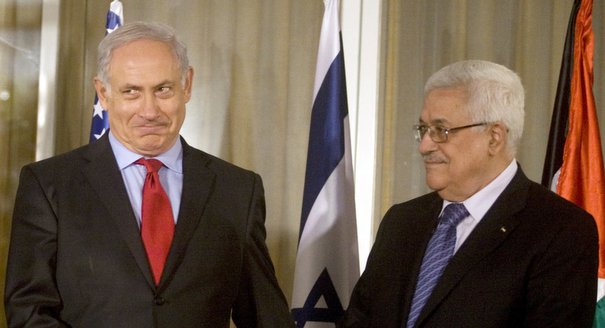
Source: Getty

In The Media

Distinguishing Between Settlers

Prime Minister Netanyahu must minimize the political and financial support for hard-core settlers, in order to mitigate the possibility that they negatively affect the peace talks.

Link Copied
By Michele Dunne
Published on Sep 1, 2010

Source: The New York Times

Distinguishing Between SettlersPrime Minister Netanyahu would not be able to bring the entire settler movement on board for any kind of territorial deal that would be acceptable to Palestinians. But by breaking down the issue, he may be able to address the various constituencies within the 300,000 settler population in the West Bank, now 50 percent bigger than it was in 2000.

The question is whether Netanyahu could minimize the amount of political and financial support that hard-core settlers can draw.

First, more than two-thirds of them live in large settlements that are relatively close to the 1967 Green Line and likely to be kept by Israel in a land swap deal with the Palestinians. Second, of the remainder who reside in settlements that would become part of the Palestinian state, some live there primarily for affordable housing and would be willing to relocate inside Israel in exchange for attractive compensation.
 
But there would definitely remain a hard core of thousands — probably tens of thousands — of religiously or politically motivated settlers who would not cooperate with evacuation and who would mobilize their many allies inside the Israeli parliament, government, and in the United States to try to derail a deal.
 
The question is whether Netanyahu could satisfy the concerns of most Israelis (including on religious issues such as access to Jewish holy sites in Jerusalem, Hebron, and elsewhere in the West Bank, as well as territorial and security issues) through a deal with the Palestinians and thereby minimize the amount of political and financial support on which recalcitrant settlers could draw. But at present the Israelis and Palestinians are still far from a point in the negotiations at which Netanyahu would face this problem.

About the Author

Michele Dunne

Former Nonresident Scholar, Middle East Program

Michele Dunne was a nonresident scholar in Carnegie’s Middle East Program, where her research focuses on political and economic change in Arab countries, particularly Egypt, as well as U.S. policy in the Middle East.

    Recent Work

  • Research
    Islamic Institutions in Arab States: Mapping the Dynamics of Control, Co-option, and Contention
      • +6

      Yasmine Farouk, Nathan J. Brown, Maysaa Shuja Al-Deen, …
  • Research
    From Hardware to Holism: Rebalancing America’s Security Engagement With Arab States
      • +8

      Robert Springborg, Emile Hokayem, Becca Wasser, …

Michele Dunne
Former Nonresident Scholar, Middle East Program
Michele Dunne
SecurityMiddle EastIsraelLevant

Carnegie does not take institutional positions on public policy issues; the views represented herein are those of the author(s) and do not necessarily reflect the views of Carnegie, its staff, or its trustees.

More Work from Carnegie China

  • Commentary
    China’s Mediation Offer in the Thailand-Cambodia Border Dispute Sheds Light on Beijing’s Security Role in Southeast Asia

    The Thai-Cambodian conflict highlights the limits to China's peacemaker ambition and the significance of this role on Southeast Asia’s balance of power.

      Pongphisoot (Paul) Busbarat

  • Trump and Xi on a red background
    Commentary
    Emissary
    China Is Determined to Hold Firm Against Trump’s Pressure

    Beijing believes that Washington is overestimating its own leverage and its ability to handle the trade war’s impacts. 

      • Sheena Chestnut Greitens

      Rick Waters, Sheena Chestnut Greitens
  • Commentary
    A Second Trump Term: Will Southeast Asia Tilt Toward China?

    Tapping our network of China experts in the region, Carnegie China offers this latest “China Through a Southeast Asian Lens” report to offer preliminary assessments of whether the U.S. effort to reshape the global trading order will lead countries in the region to tilt toward Beijing. 
      • +6

      Selina Ho, Khin Khin Kyaw Kyee, Joseph Ching Velasco, …
  • Research
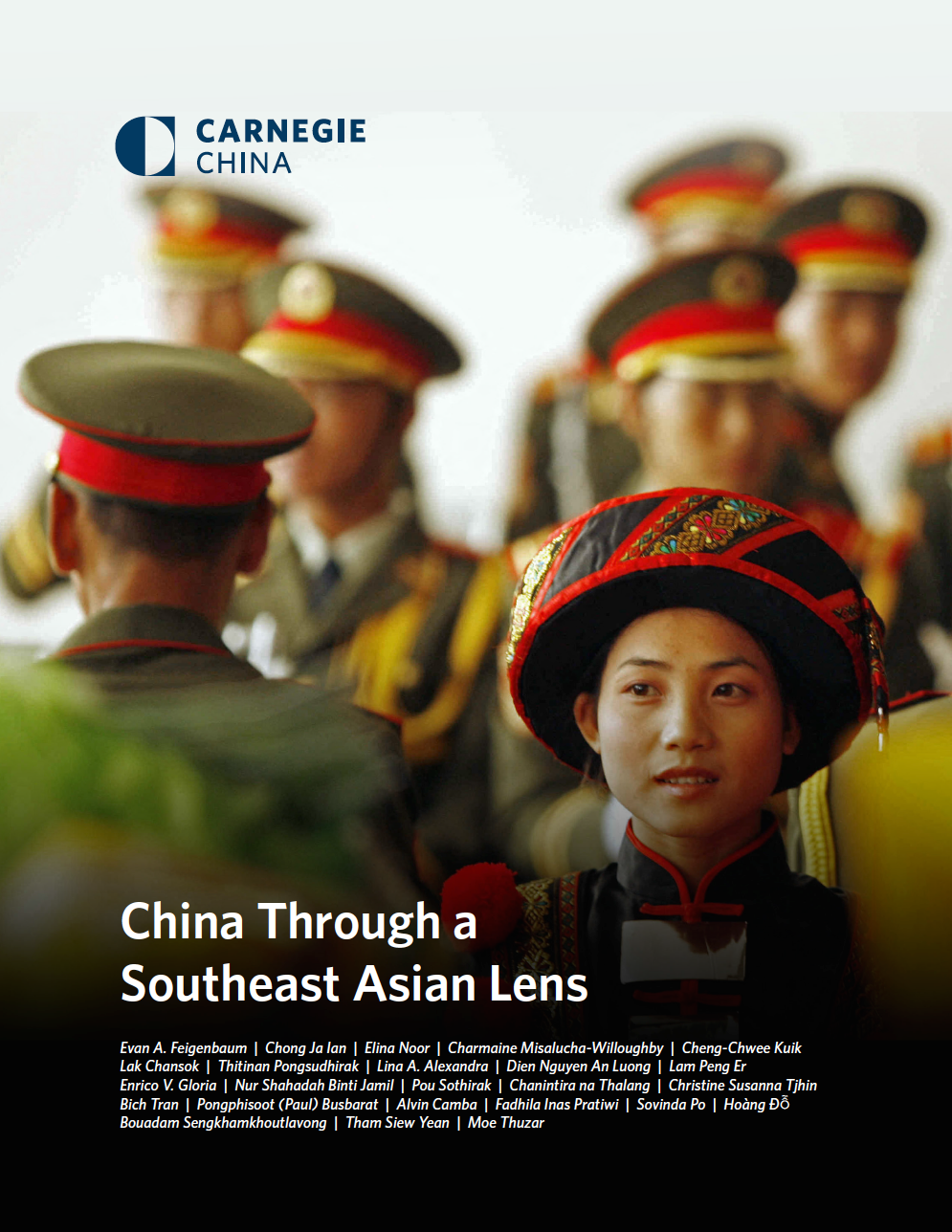
    China Through a Southeast Asian Lens

    Because strategic, economic, and ideological perceptions of China contain multiple, sometimes contradictory facets in Southeast Asia, receptions of and responses to Beijing diverge across and within state lines.


      Evan A. Feigenbaum, Chong Ja Ian, Elina Noor
  • Article
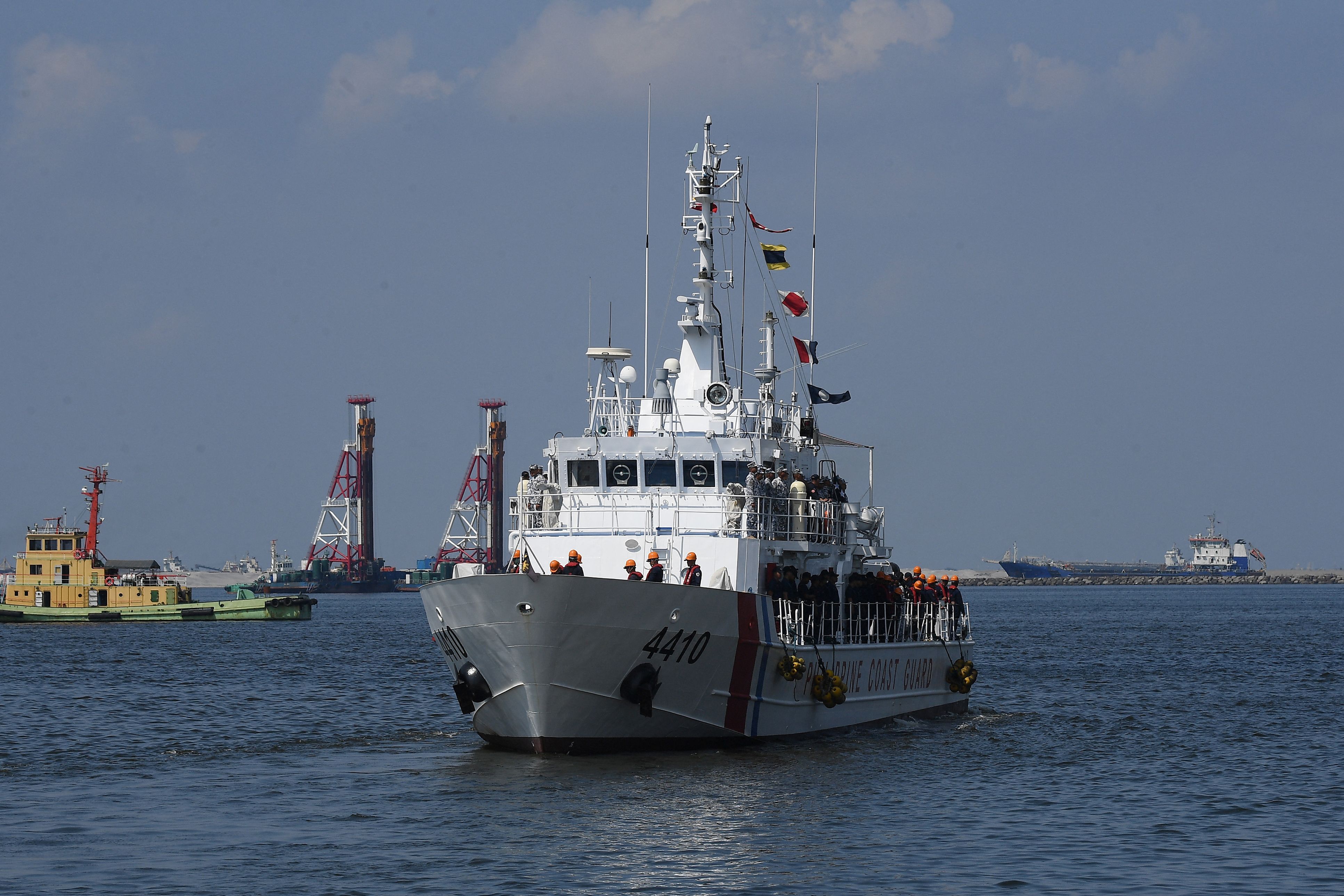
    Northeast Asia Is for Deterrence and Southeast Asia Is (Mostly) for Freeriding: Appreciating Divergent East Asian Approaches to Order, Uncertainty, and Contestation

    Most Southeast Asian states behave as if the actions of their Northeast Asian neighbors and the Philippines will be sufficient to maintain a regional status quo from which they can benefit.

      Chong Ja Ian

Get more news and analysis from
Carnegie China
Carnegie China logo, white
  • Research
  • About
  • Experts
  • Events
  • Contact
  • Careers
  • Privacy
  • For Media
Get more news and analysis from
Carnegie China
© 2026 Carnegie Endowment for International Peace. All rights reserved.