

Commentary
The advantage that China has over other global powers, especially America, is that its foreign policy is closely aligned with those of many of the Middle Eastern countries.
Jin Liangxiang, Maha Yahya, Hesham Alghannam
{
  "authors": [],
  "type": "pressRelease",
  "centerAffiliationAll": "dc",
  "centers": [
    "Carnegie Endowment for International Peace"
  ],
  "collections": [],
  "englishNewsletterAll": "menaTransitions",
  "nonEnglishNewsletterAll": "",
  "primaryCenter": "Carnegie Endowment for International Peace",
  "programAffiliation": "MEP",
  "programs": [
    "Middle East"
  ],
  "projects": [],
  "regions": [
    "Middle East"
  ],
  "topics": []
}
REQUIRED IMAGE
As Islamist movements in the Arab world become more politically active, they are struggling to pursue their moral and religious agenda while navigating daily political tussles.
WASHINGTON—As Islamist movements in the Arab world become more politically active, they are struggling to pursue their moral and religious agenda while navigating daily political tussles. In the face of repressive regimes, they have achieved some popular support, but enjoyed few—if any—concrete successes, write Nathan J. Brown and Amr Hamzawy in their new book Between Religion and Politics. As a result, Islamist movements in Egypt, Morocco, Yemen, Jordan, Palestine, and Kuwait have failed to satisfy their political and religious constituencies. In the coming years, Islamist movements are likely to scale back their political engagement.
Key Challenges for Islamists:
“We expect Islamists to compete in subsequent parliamentary elections,” the authors write. “But we also expect that they will place fewer of their hopes (and, in some countries, perhaps fewer of their energies) in a parliamentary strategy, instead contenting themselves for the foreseeable future to reap the limited gains that parliamentary activity offers without viewing it as the sole or even primary strategy for realizing their vision of Islamic reform.”
NOTES
Press Contact: Kendra Galante, 202-939-2289, pressoffice@ceip.org
Carnegie does not take institutional positions on public policy issues; the views represented herein are those of the author(s) and do not necessarily reflect the views of Carnegie, its staff, or its trustees.
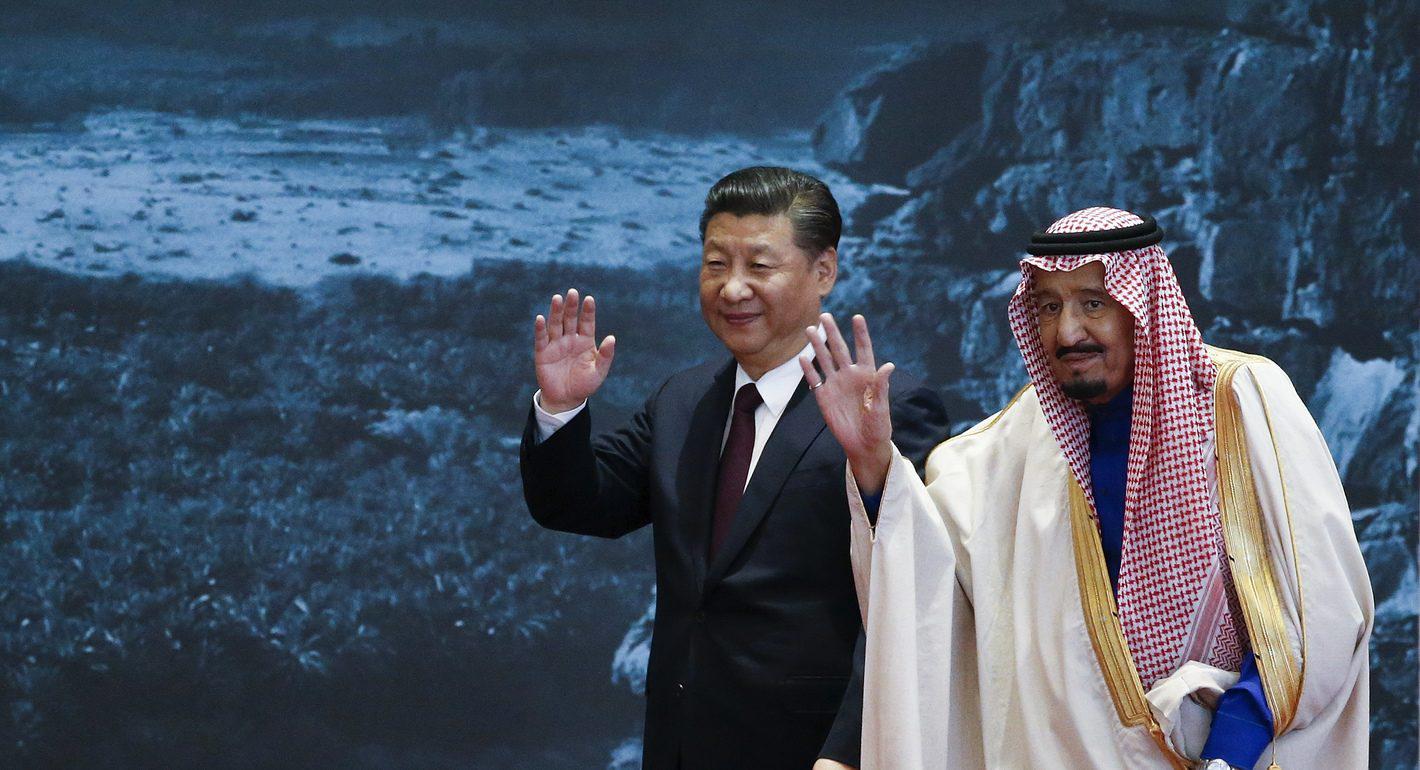
The advantage that China has over other global powers, especially America, is that its foreign policy is closely aligned with those of many of the Middle Eastern countries.
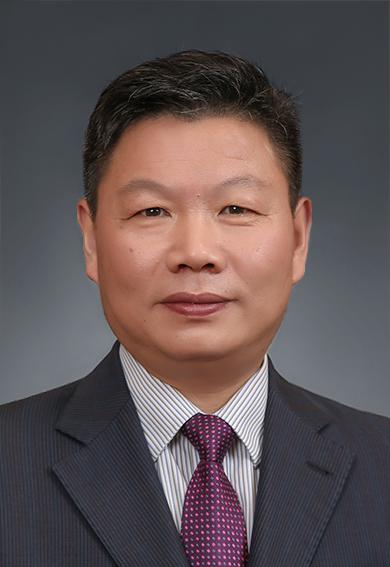

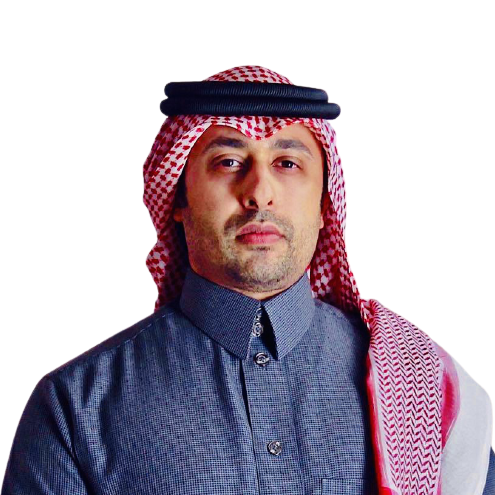
Jin Liangxiang, Maha Yahya, Hesham Alghannam
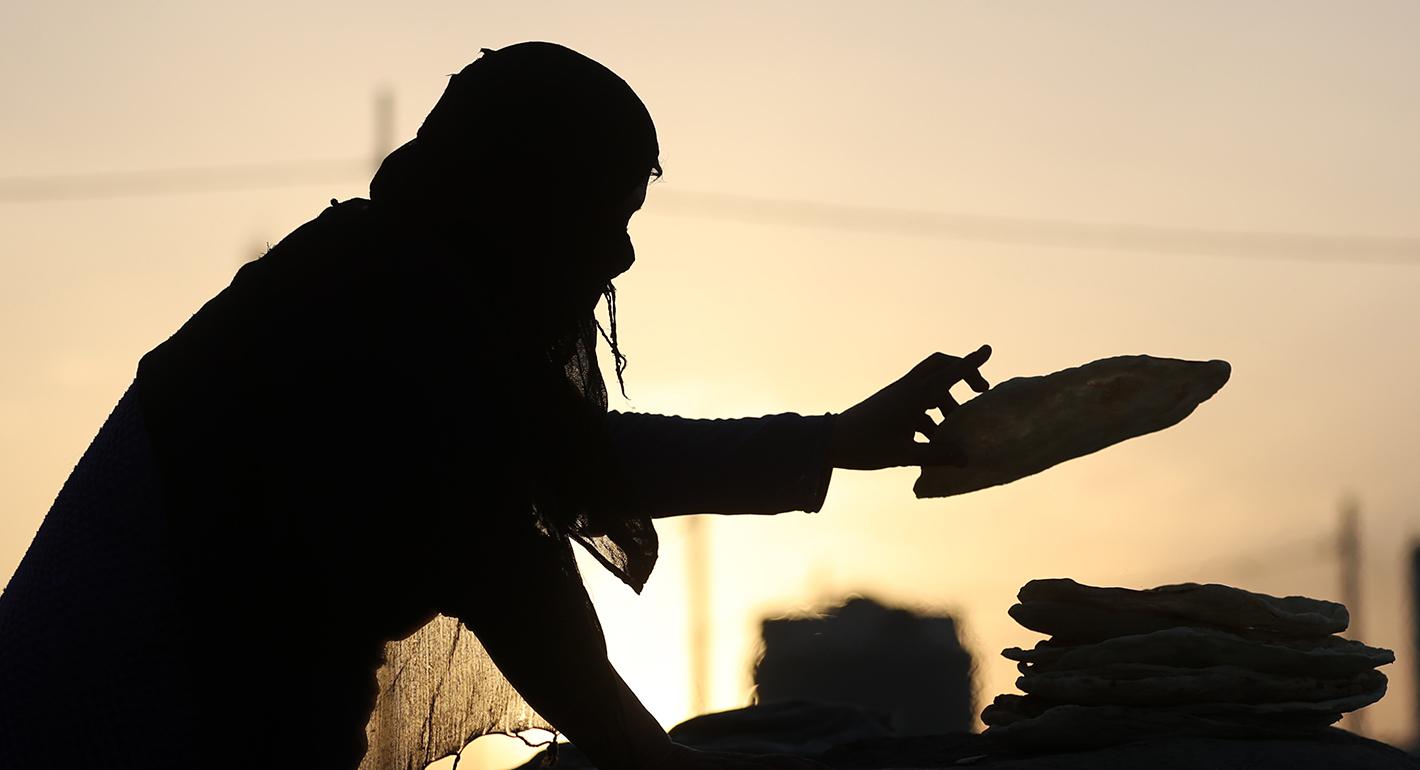
It’s about managing oil prices, bread prices, and strategic partnerships.



Amr Hamzawy, Karim Sadjadpour, Aaron David Miller, …
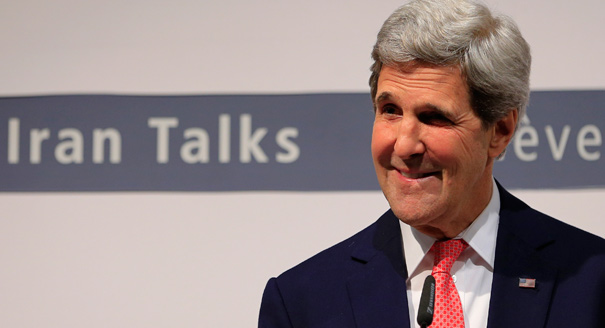
Fundamentally, it seems irrational to leave an agreement that’s working today out of a fixation on potential growth of Iran’s nuclear program more than a decade from now, when such growth could happen tomorrow if we unravel the agreement.
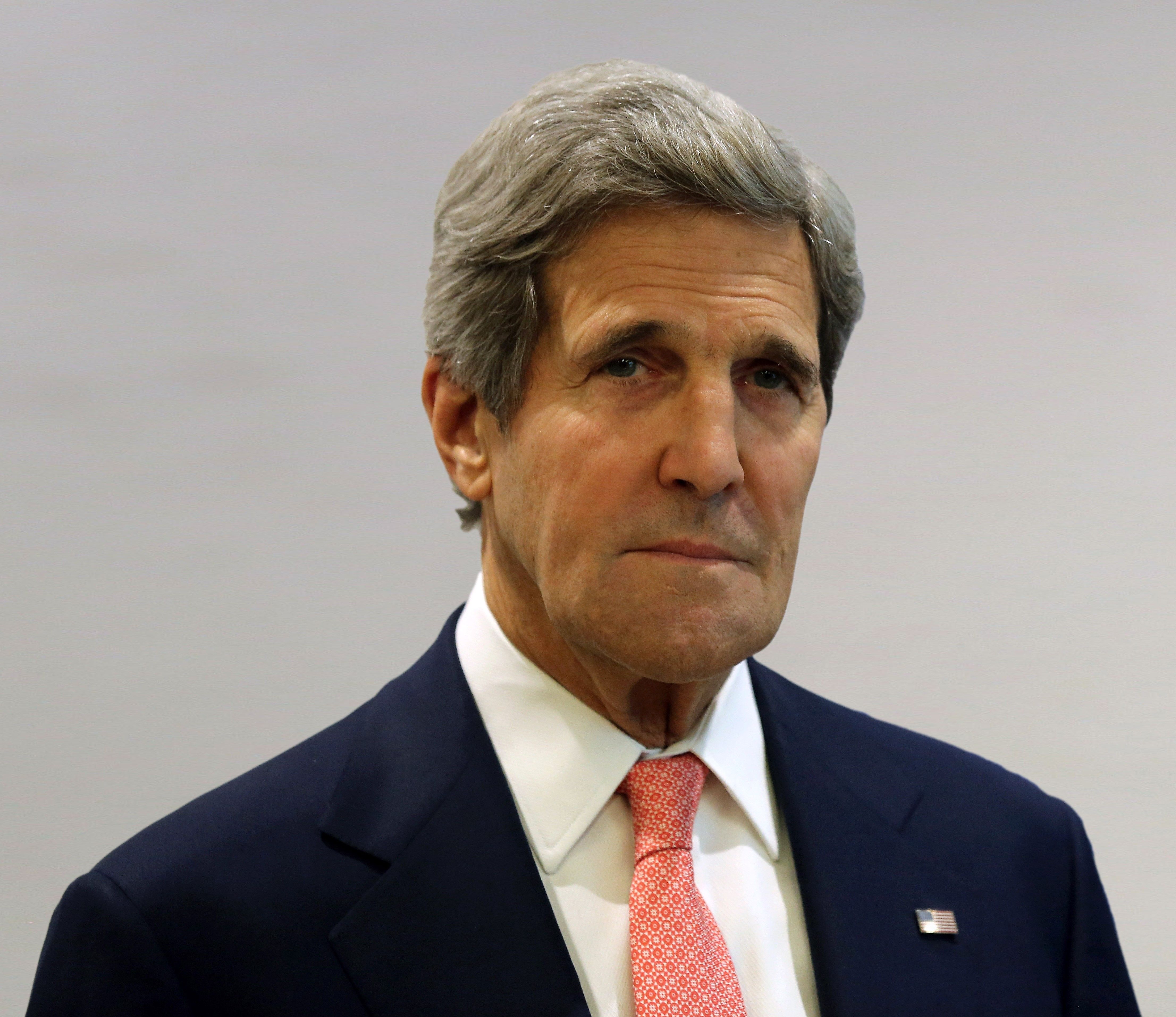
John Kerry
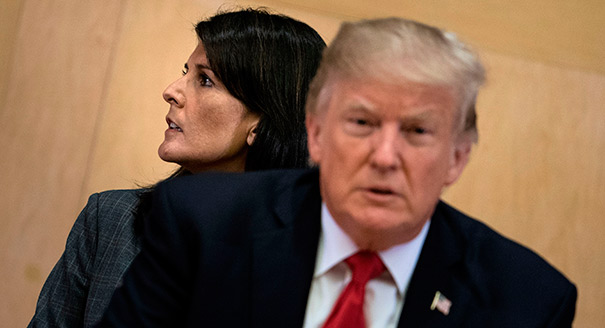
The smart way to get tough on Iran would be to commit to the nuclear deal, enforce it to the hilt, and work with global partners on a long-term strategy to deal with Iran’s challenge.


William J. Burns, Jake Sullivan

Increased tensions between the United States and Iran over the last couple days, along with U.S. President Donald Trump’s calls to end the Iran Nuclear Deal, could put Iran on the same path as North Korea as an imminent threat potentially needing military consideration.
Jake Sullivan