

Commentary
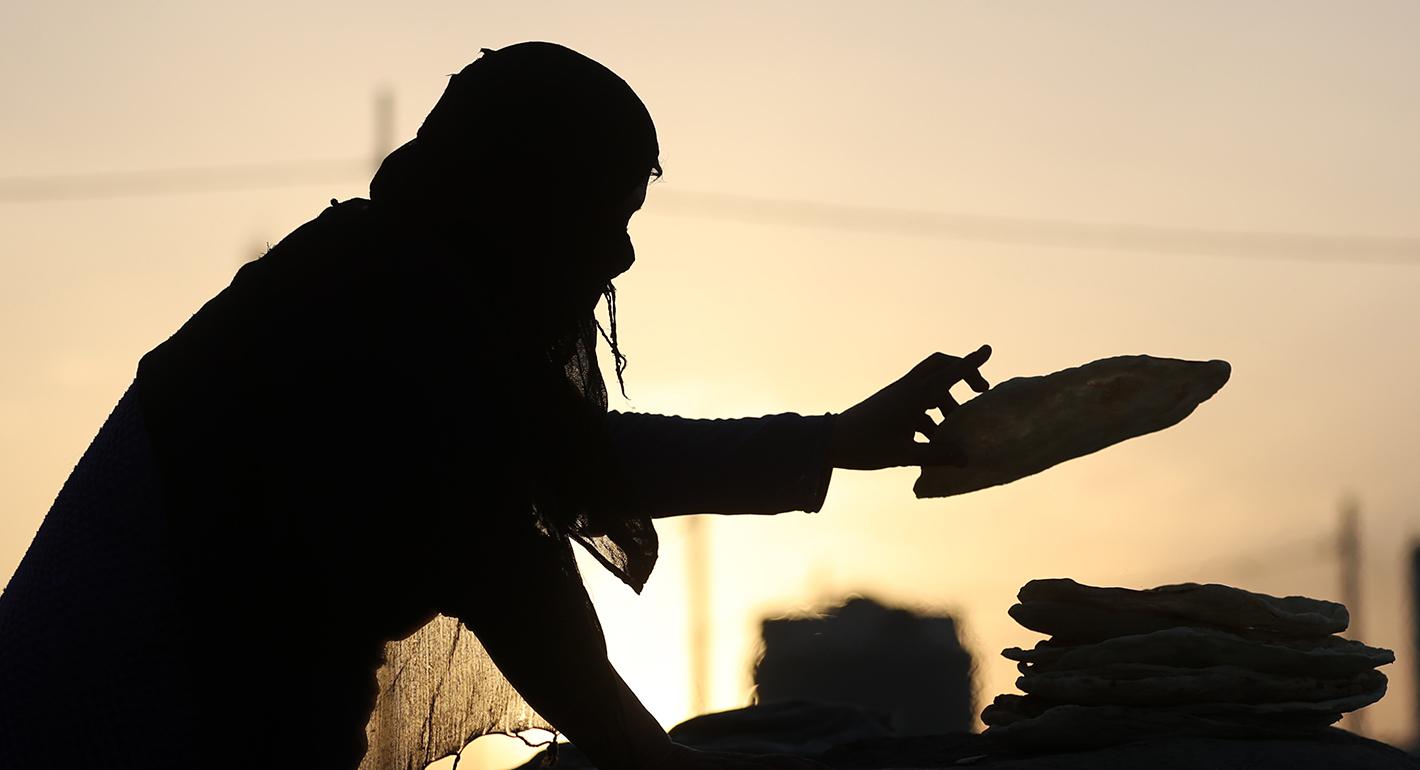
It’s about managing oil prices, bread prices, and strategic partnerships.
- +8
Amr Hamzawy, Karim Sadjadpour, Aaron David Miller, …
{
  "authors": [],
  "type": "other",
  "centerAffiliationAll": "",
  "centers": [
    "Carnegie Endowment for International Peace"
  ],
  "collections": [],
  "englishNewsletterAll": "",
  "nonEnglishNewsletterAll": "",
  "primaryCenter": "Carnegie Endowment for International Peace",
  "programAffiliation": "",
  "programs": [],
  "projects": [],
  "regions": [
    "North Africa",
    "Egypt"
  ],
  "topics": []
}
Source: Getty
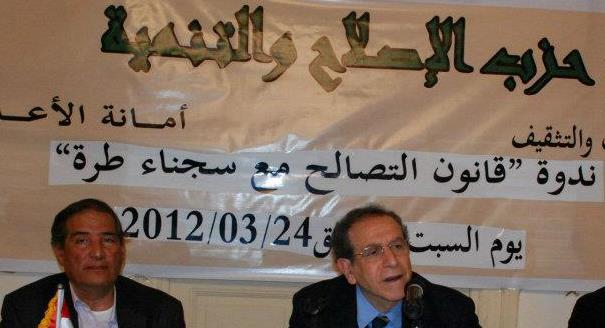
A backgrounder on the Reform and Development Party.
This resource was published on 09/16/2010 and is not updated to reflect changing circumstances.
The Reform and Development Party falls on the liberal side of the spectrum. Starting as a splinter from the Democratic Front in 2009, it was not allowed to register officially until May 2011, but remained active in the interim. The party remained aloof concerning alliances in the 2011 parliamentary elections, joining neither the Democratic Alliance nor the Egypt Bloc.
Ramy Lakkah: President
Anwar Tal’at Esma’t Sadat: Vice President
The Reform and Development Party, a relative newcomer to Egypt’s political scene, was launched in January 2009 by Anwar Tal’at Esma’t Sadat, a nephew of former President Anwar Sadat, after he defected from the Democratic Front Party. The Political Parties Committee rejected his application for legal status in July 2010. Rather than appealing the decision, Sadat started lobbying for a complete overhaul of the committee’s structure to prevent it from functioning as an instrument of the National Democratic Party (NDP) and custodian of the regime’s interests. The party was legalized on May 21, 2011 after the 2011 uprising. In June 2011, the Reform and Development Party merged with the Our Egypt party led by Ramy Lakkah, and Lakkah became the party’s new president.
Carnegie does not take institutional positions on public policy issues; the views represented herein are those of the author(s) and do not necessarily reflect the views of Carnegie, its staff, or its trustees.
It’s about managing oil prices, bread prices, and strategic partnerships.



Amr Hamzawy, Karim Sadjadpour, Aaron David Miller, …
It remains to be seen whether recent foreign policy pivots by the Trump administration amount to a departure from its earlier views about America’s role in the world.
William J. Burns
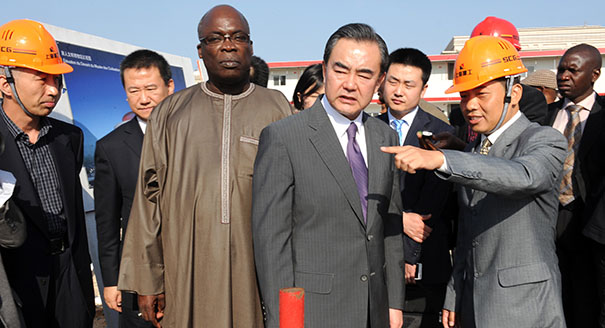
China’s relationship with Africa is becoming increasingly more complex as the country continues to invest and send workers across 54 countries on the continent.

Matt Ferchen
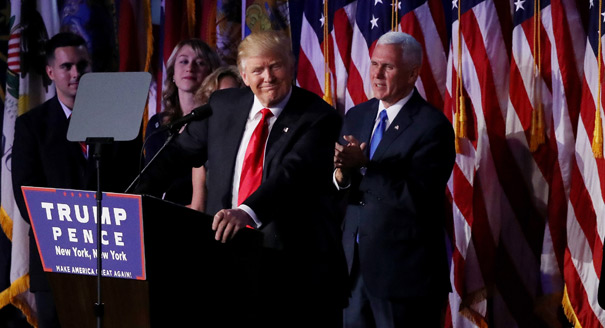
The world reacts to the election of Donald Trump and its potential implications.

Thomas Carothers, Lizza Bomassi, Amr Hamzawy, …
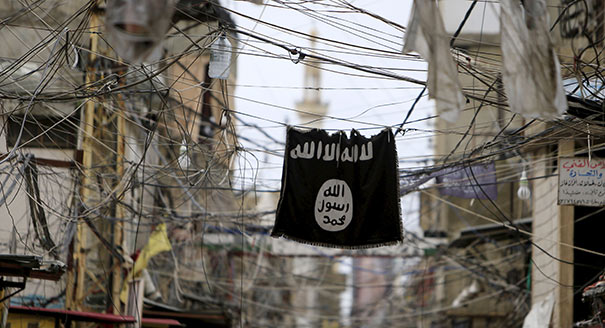
The Islamic State’s ideology is multifaceted and cannot be traced to one individual, movement, or period. Understanding it is crucial to defeating the group.
Hassan Hassan