

Commentary
Carnegie China scholars share their assessment of the Biden-Xi meeting and its implications for U.S.-China relations going forward.
- +1
Paul Haenle, Xue Gong, Ngeow Chow Bing, …
{
  "authors": [],
  "type": "pressRelease",
  "centerAffiliationAll": "dc",
  "centers": [
    "Carnegie Endowment for International Peace"
  ],
  "collections": [],
  "englishNewsletterAll": "ctw",
  "nonEnglishNewsletterAll": "",
  "primaryCenter": "Carnegie Endowment for International Peace",
  "programAffiliation": "SCP",
  "programs": [
    "Sustainability, Climate, and Geopolitics"
  ],
  "projects": [],
  "regions": [
    "North America"
  ],
  "topics": [
    "Climate Change"
  ]
}
REQUIRED IMAGE
Consumption of natural gas is growing rapidly and now accounts for nearly one-quarter of the world’s energy supply. While natural gas is relatively clean compared to crude oil and coal, its ability to assume a greater role in meeting the world’s growing energy demands will depend largely on price.
WASHINGTON, October 12—Consumption of natural gas is growing rapidly and now accounts for nearly one-quarter of the world’s energy supply. While natural gas is relatively clean compared to crude oil and coal, its ability to assume a greater role in meeting the world’s growing energy demands will depend largely on price. In a new report, Anthony J. Melling analyzes the two competing price mechanisms for natural gas: the dominant practice of linking gas prices to oil prices and a second model based on competitive market prices. Although Europe—which uses both mechanisms—is now the battleground in the natural gas pricing war, its effects will likely be felt worldwide.
Key Findings:
“The price of gas in Europe—and the mechanism used to determine it—will not only impact European companies and customers, but also have profound implications for energy markets around the world,” writes Carnegie’s Adnan Vatansever in the foreword. “Energy security, geopolitics, and the shift to greener forms of fuel that will be critical for combating climate change will also depend on how gas pricing evolves.”
NOTES
Click here to read the full report
Anthony J. Melling is an established authority on gas contracting issues. He has three decades of international gas contracting and market analysis experience, with particular emphasis on the United Kingdom and Continental Europe.
The Carnegie Energy & Climate Program engages global experts working in energy technology, environmental science, and political economy to develop practical solutions for policy makers around the world. The program aims to provide the leadership and the policy framework necessary for minimizing risks stemming from global climate change and reducing competition for scarce resources.
Press Contact: Kendra Galante, 202-939-2289, pressoffice@ceip.org
Carnegie does not take institutional positions on public policy issues; the views represented herein are those of the author(s) and do not necessarily reflect the views of Carnegie, its staff, or its trustees.
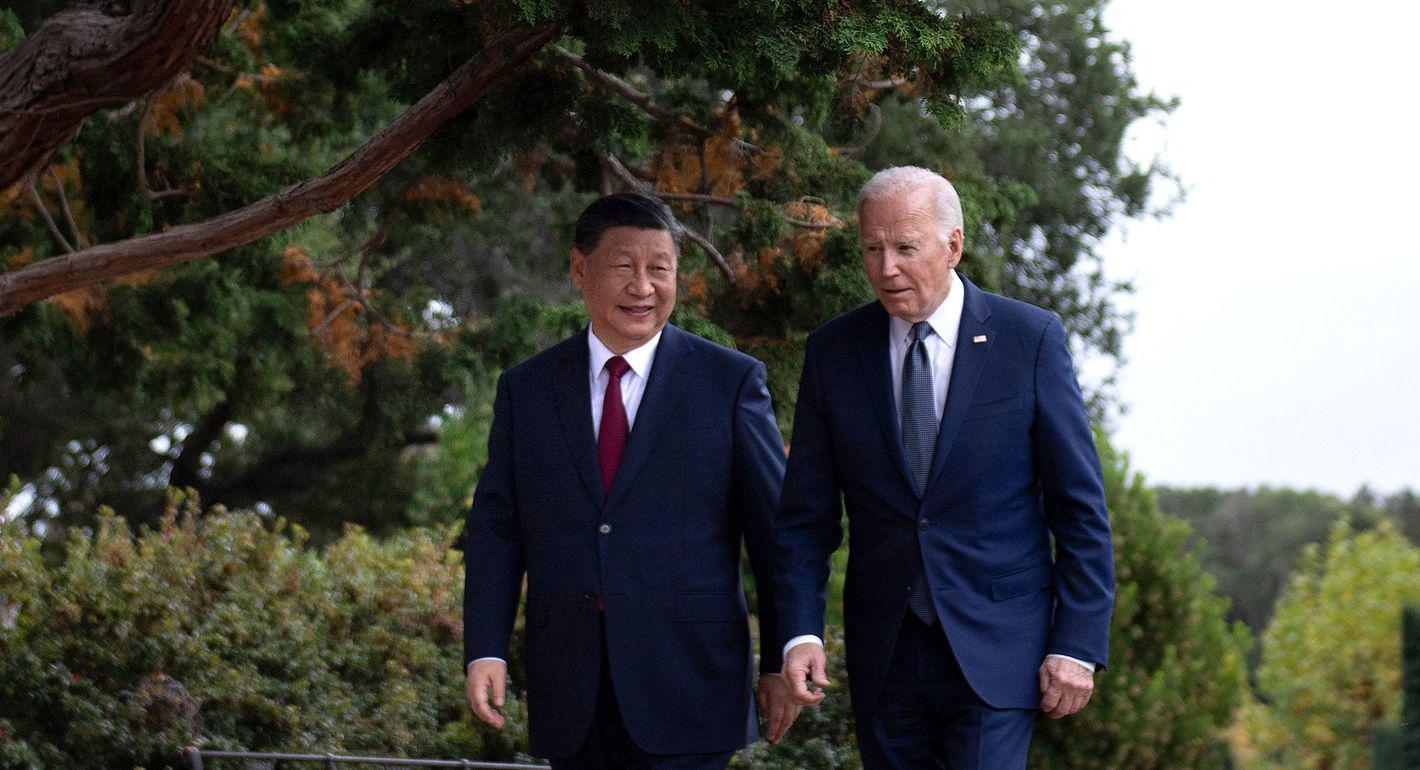
Carnegie China scholars share their assessment of the Biden-Xi meeting and its implications for U.S.-China relations going forward.



Paul Haenle, Xue Gong, Ngeow Chow Bing, …
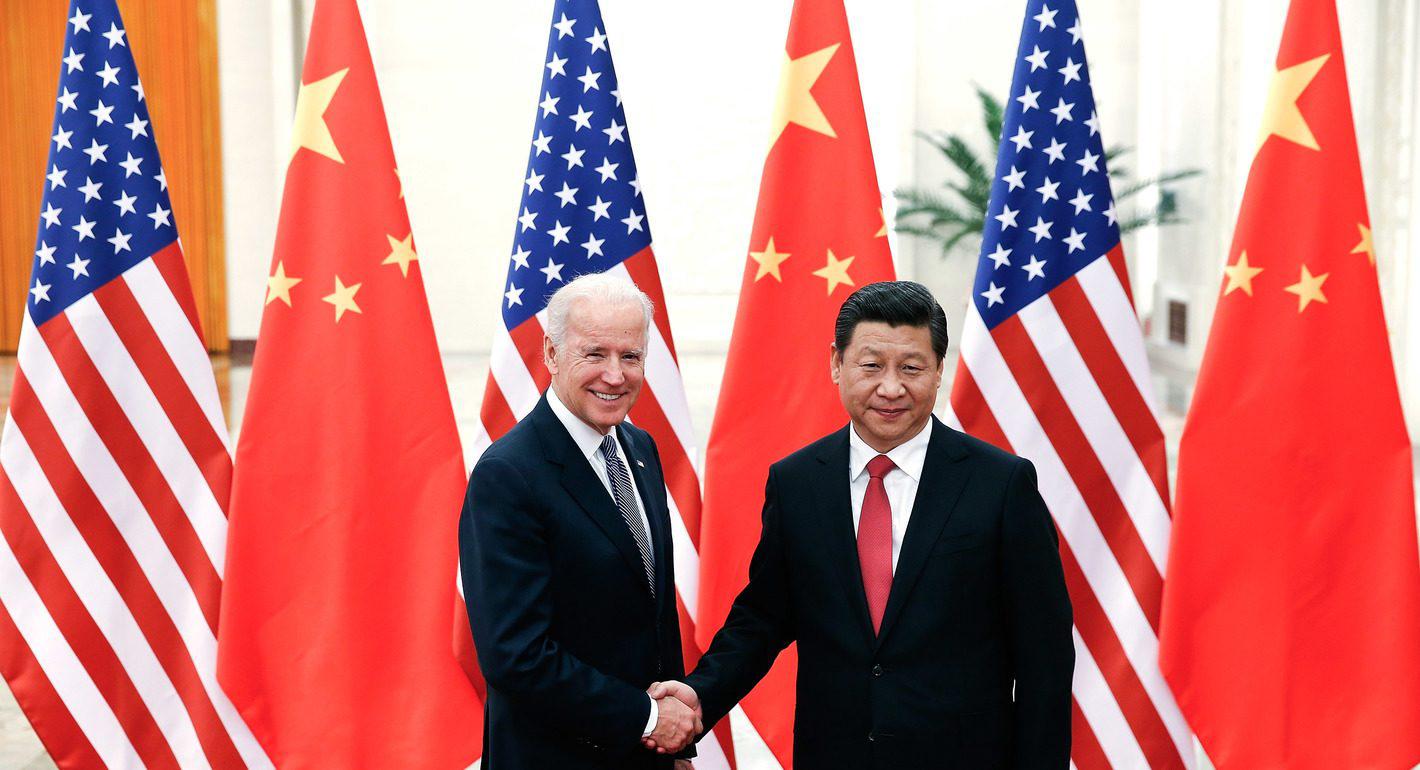
Southeast Asian capitals would prefer that the U.S. and PRC manage their relationship, if not get along.

Paul Haenle, Chong Ja Ian

As the world undergoes a new round of fragmentation and major power rivalry that includes the advancing of divergent visions of global order, Singapore is discovering that its interests are increasingly being pulled in different directions.
Chong Ja Ian
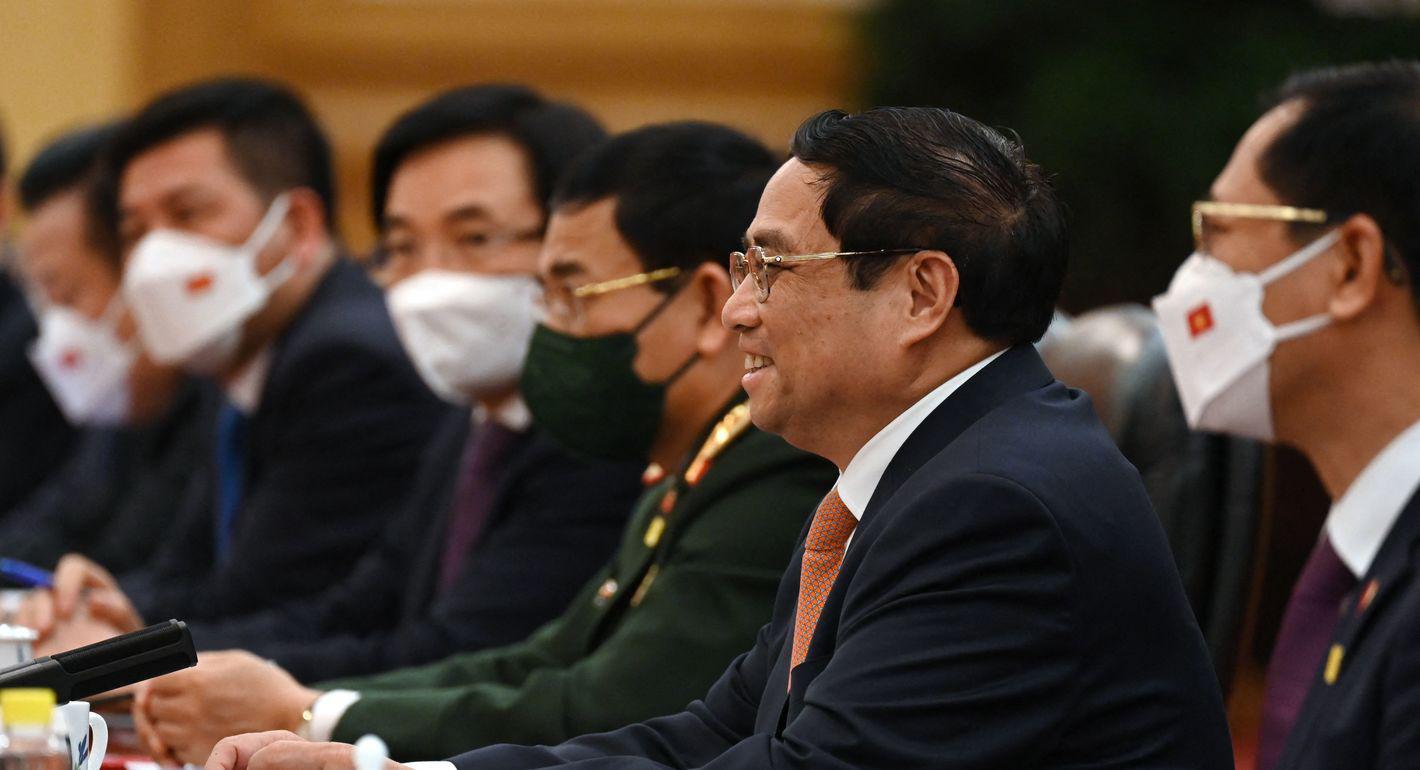
There is a certain level of restraint, but there is also a lingering distrust.

Paul Haenle, Huong Le Thu
China views U.S. missile defense as posing a greater potential threat to China’s nuclear deterrent than other U.S. military capabilities.

Tong Zhao, Dmitry Stefanovich