

Q&A
Suzanne Maloney, Aaron David Miller, Karim Sadjadpour
{
  "authors": [
    "Karim Sadjadpour"
  ],
  "type": "legacyinthemedia",
  "centerAffiliationAll": "dc",
  "centers": [
    "Carnegie Endowment for International Peace",
    "Malcolm H. Kerr Carnegie Middle East Center"
  ],
  "collections": [],
  "englishNewsletterAll": "menaTransitions",
  "nonEnglishNewsletterAll": "",
  "primaryCenter": "Carnegie Endowment for International Peace",
  "programAffiliation": "MEP",
  "programs": [
    "Middle East"
  ],
  "projects": [],
  "regions": [
    "Middle East",
    "Iran",
    "Gulf"
  ],
  "topics": [
    "Nuclear Policy"
  ]
}
Source: Getty
Although the Iranian president has claimed that leaked diplomatic messages detailing Arab calls for the destruction of Iran’s nuclear facilities are Western propaganda, the Gulf states have always been apprehensive of Tehran’s nuclear aspirations.
Source: PRI's The World

Sadjadpour said he was not surprised that major regional powers such as Saudi Arabia would go so far as to call for the bombing of Iranian nuclear facilities, although he admitted to being taken aback by official statements from smaller Gulf countries such as Qatar, the UAE, Bahrain, and Oman advocating a similarly militaristic response. According to Sadjadpour, the documents reveal that amidst the “fanning of the military flames toward Iran … the United States is a voice of reason and has exercised restraint over the Gulf states and Israel.” Although many of the Gulf states have aggressively criticized Iran’s nuclear policies through private diplomatic channels, they are more reluctant to state these positions publicly. As a result, Mullins observed, there is a mismatch between the “bellicose” tone expressed in many of the WikiLeaks documents and the comparatively restrained rhetoric that Gulf countries use in their public statements on Iran.
According to Sadjadpour, an analysis of the WikiLeaks documents reveals Iran’s profound diplomatic isolation. “Its only real friend, if you can call it that, is North Korea,” he said.

Senior Fellow, Middle East Program
Karim Sadjadpour is a senior fellow at the Carnegie Endowment for International Peace, where he focuses on Iran and U.S. foreign policy toward the Middle East.
Recent Work


Suzanne Maloney, Aaron David Miller, Karim Sadjadpour

Aaron David Miller, Karim Sadjadpour, Robin Wright
Carnegie does not take institutional positions on public policy issues; the views represented herein are those of the author(s) and do not necessarily reflect the views of Carnegie, its staff, or its trustees.
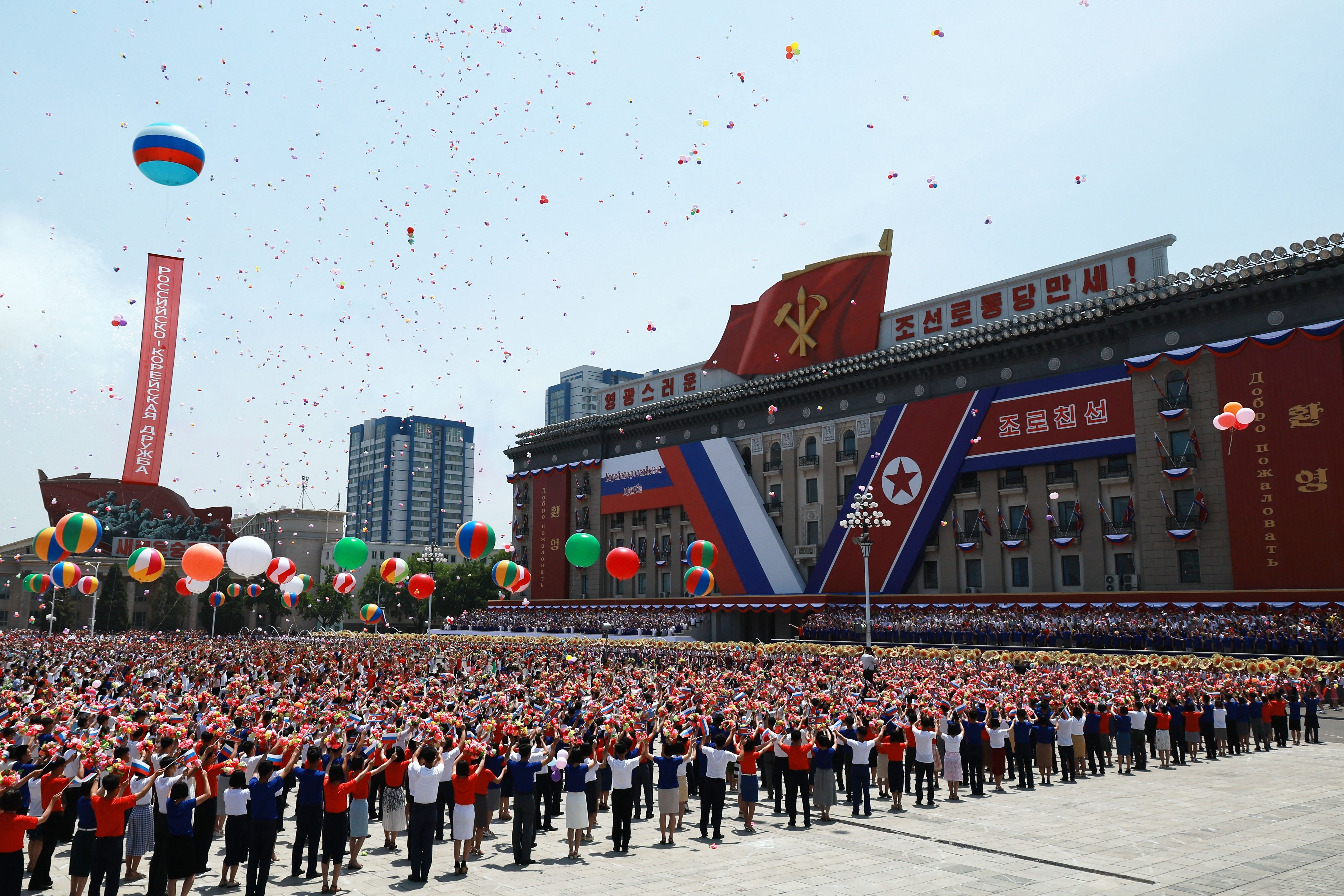
Faced with an increase in strategic maneuvering by Moscow and Pyongyang, Beijing will not sit idly by and allow Putin and Kim to shape the security environment on its behalf.

Tong Zhao
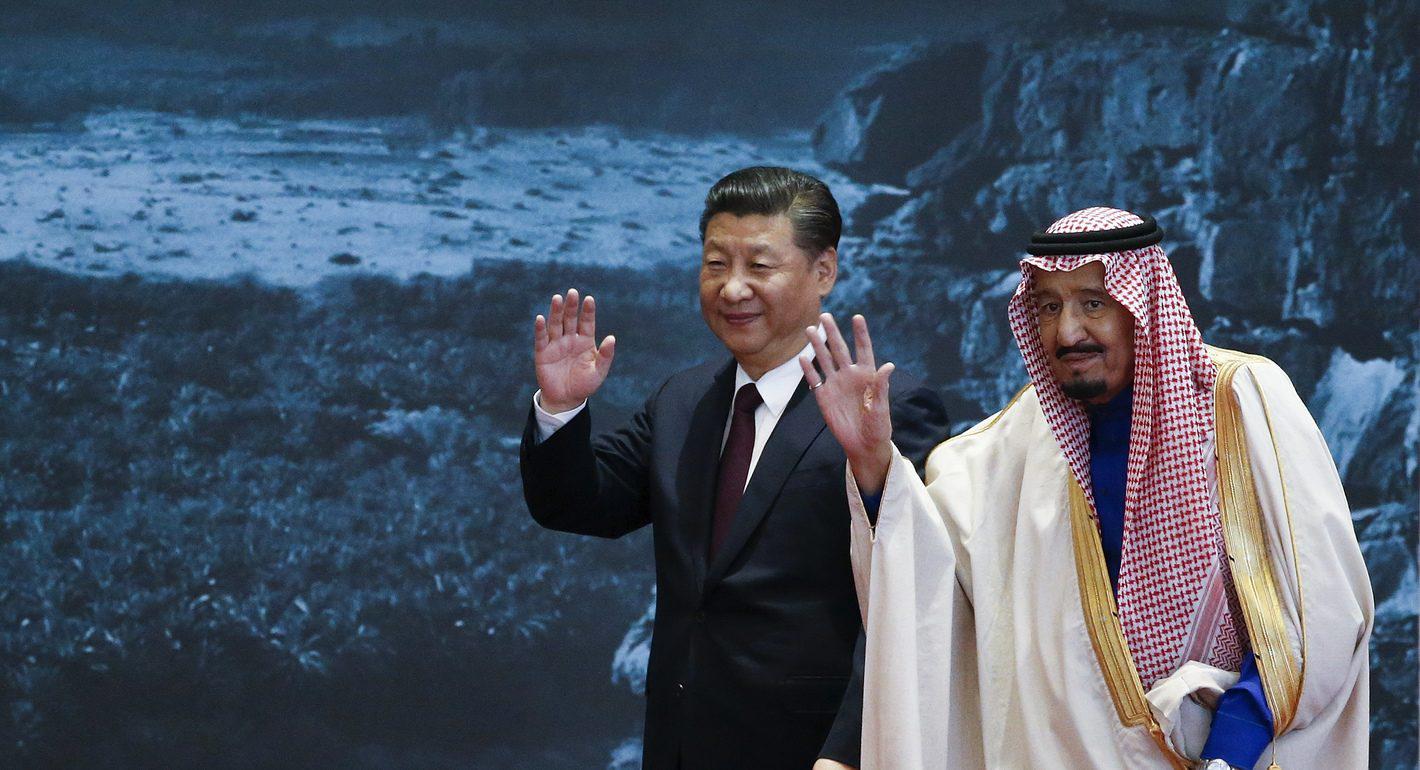
The advantage that China has over other global powers, especially America, is that its foreign policy is closely aligned with those of many of the Middle Eastern countries.


Jin Liangxiang, Maha Yahya, Hesham Alghannam
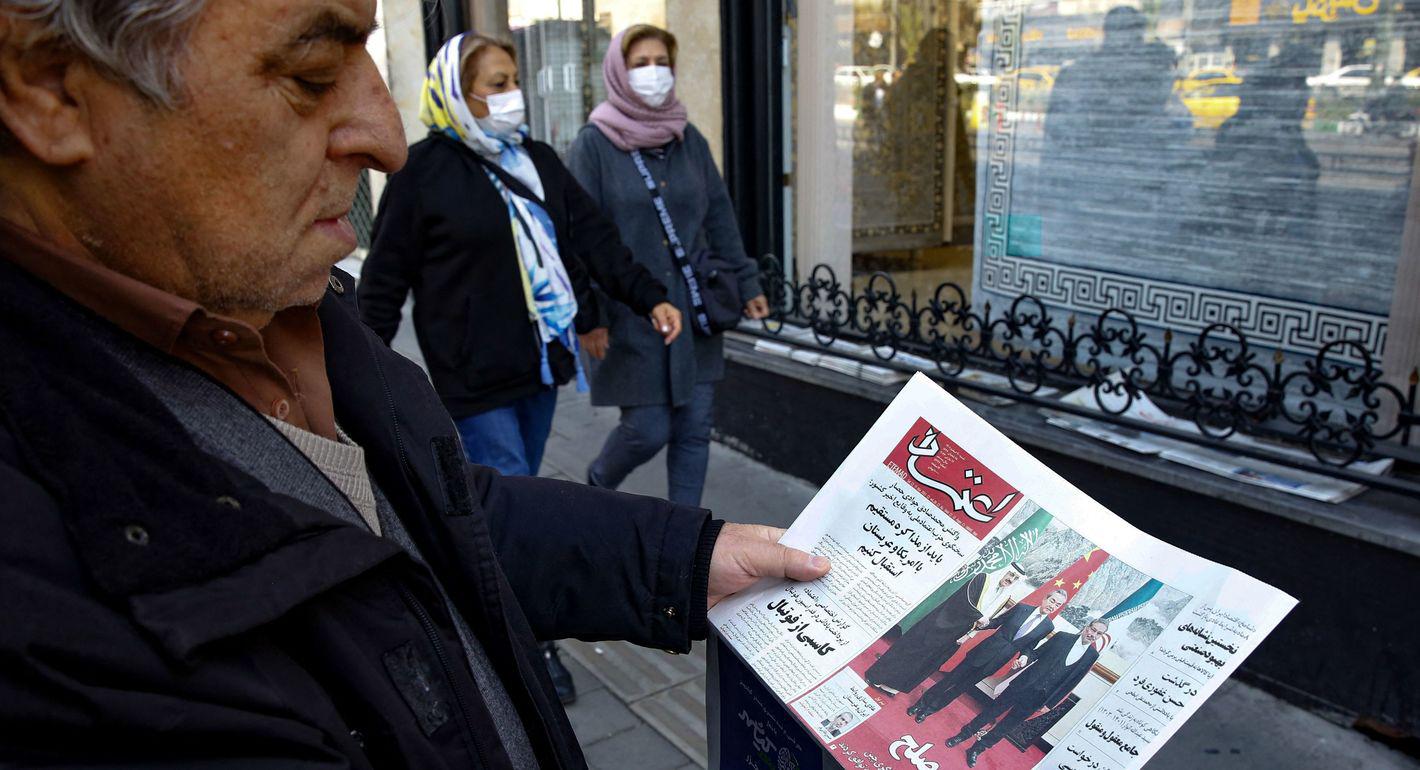
Transactional relationships are stable but can be shallow.

Paul Haenle, Maha Yahya, Benjamin Ho, …

China views U.S. missile defense as posing a greater potential threat to China’s nuclear deterrent than other U.S. military capabilities.
Tong Zhao, Dmitry Stefanovich
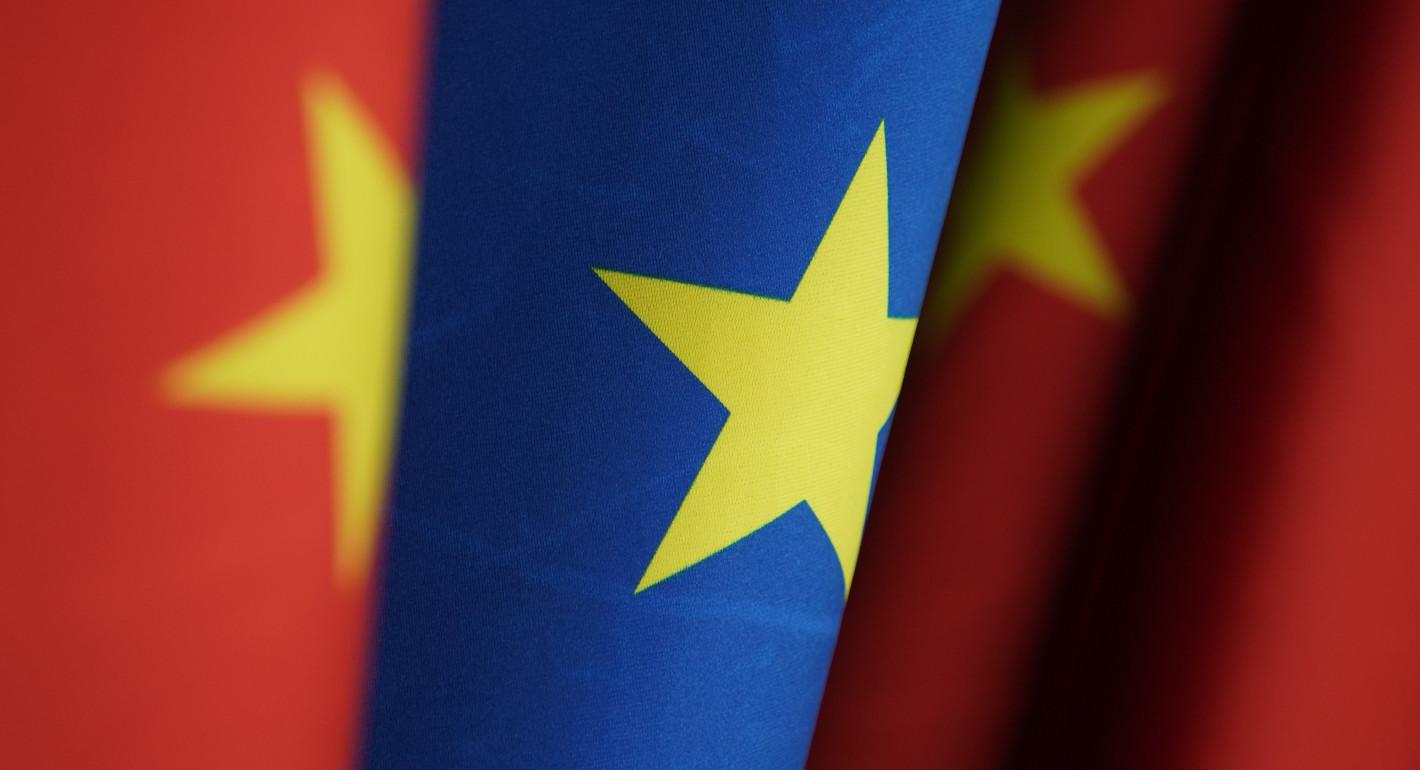
“It’s not so clear how we’re going to get out of this.”
Paul Haenle, Philippe Le Corre