

Commentary
Transactional relationships are stable but can be shallow.
- +1
Paul Haenle, Maha Yahya, Benjamin Ho, …
{
  "authors": [],
  "type": "pressRelease",
  "centerAffiliationAll": "dc",
  "centers": [
    "Carnegie Endowment for International Peace"
  ],
  "collections": [],
  "englishNewsletterAll": "menaTransitions",
  "nonEnglishNewsletterAll": "",
  "primaryCenter": "Carnegie Endowment for International Peace",
  "programAffiliation": "MEP",
  "programs": [
    "Middle East"
  ],
  "projects": [],
  "regions": [
    "North Africa",
    "Egypt"
  ],
  "topics": [
    "Political Reform"
  ]
}
REQUIRED IMAGE
Members of the Working Group on Egypt had a very productive meeting with members of the National Security Staff on November 2 to discuss Egypt’s upcoming elections, prospects for political reform, and the implications for U.S. policy.
WASHINGTON, November 2—Members of the Working Group on Egypt had a very productive meeting with members of the National Security Staff on November 2 to discuss Egypt’s upcoming elections, prospects for political reform, and the implications for U.S. policy. Participating members of the Working Group included Elliott Abrams (Council on Foreign Relations), Andrew Albertson (Project on Middle East Democracy), Daniel Calingaert (Freedom House), Scott Carpenter (Washington Institute for Near East Policy), Michele Dunne (Carnegie Endowment for International Peace), Robert Kagan (Brookings Institution), Brian Katulis (Center for American Progress), Tom Malinowski (Human Rights Watch), Maria McFarland (Human Rights Watch), and Robert Satloff (Washington Institute for Near East Policy).
The National Security Staff’s Senior Director for the Central Region Dennis Ross, Senior Director for Multilateral Affairs and Human Rights Samantha Power, Senior Director for Global Engagement Pradeep Ramamurthy, Senior Director for the Near East and North Africa Dan Shapiro, and Senior Director for Development and Democracy Gayle Smith participated in the discussion.
NOTES
Michele Dunne is a senior associate at the Carnegie Endowment for International Peace and editor of the online journal, the Arab Reform Bulletin. A former specialist on Middle East affairs at the U.S. Department of State and White House, she served in assignments including the National Security Council staff, the Secretary of State’s Policy Planning Staff, the U.S. Embassy in Cairo, the U.S. Consulate General in Jerusalem, and the Department of State’s Bureau of Intelligence and Research. Her research interests include Arab politics, political and economic reform, and U.S. policies in the Middle East.
The Carnegie Middle East Program combines in-depth local knowledge with incisive comparative analysis to examine economic, socio-political, and strategic interests in the Arab world to provide analysis and recommendations in both English and Arabic that are deeply informed by knowledge and views from the region.
The Carnegie Middle East Center based in Beirut, Lebanon, aims to better inform the process of political change in the Middle East.
Carnegie's Arab Reform Bulletin analyzes political reform in the Middle East.
Press Contact: Kendra Galante, 202-939-2233, pressoffice@ceip.org
Carnegie does not take institutional positions on public policy issues; the views represented herein are those of the author(s) and do not necessarily reflect the views of Carnegie, its staff, or its trustees.
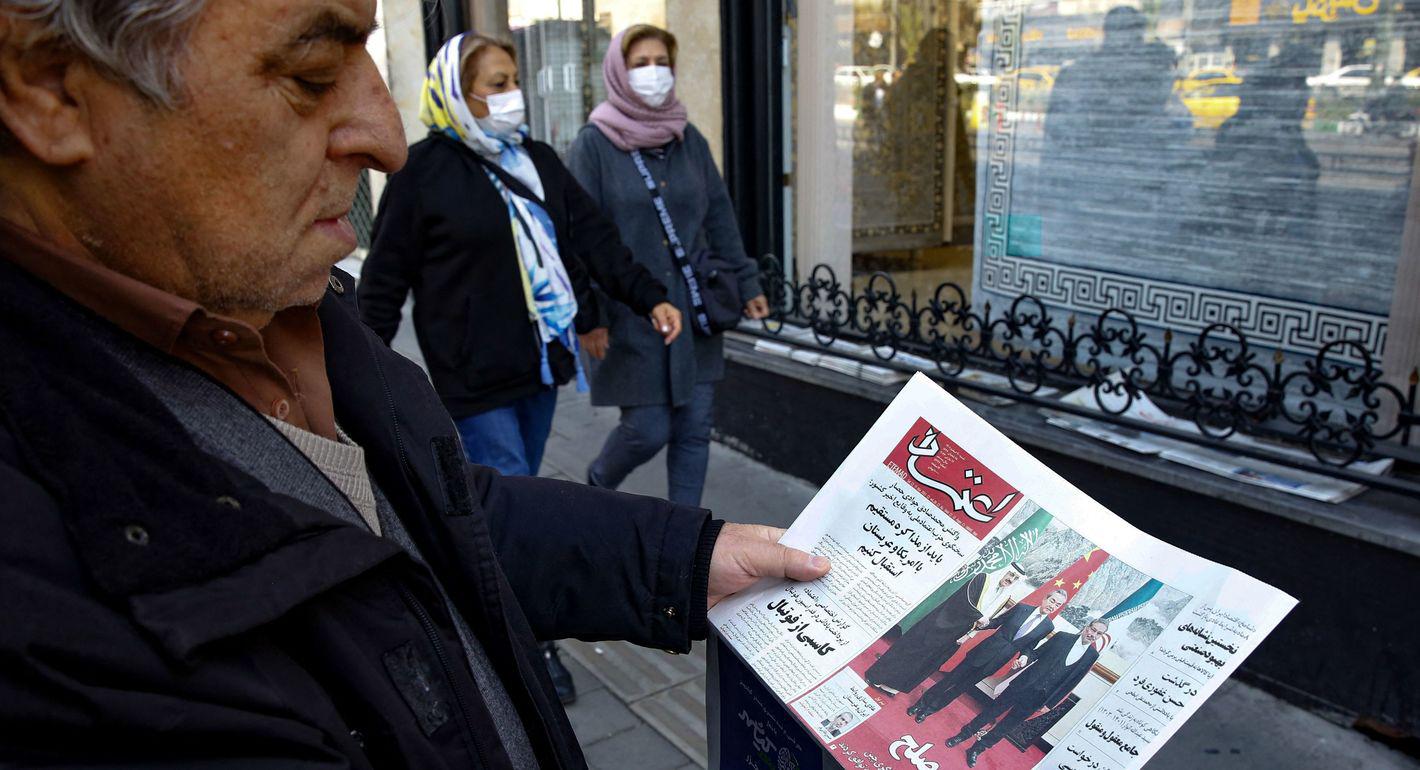
Transactional relationships are stable but can be shallow.



Paul Haenle, Maha Yahya, Benjamin Ho, …

It’s about managing oil prices, bread prices, and strategic partnerships.



Amr Hamzawy, Karim Sadjadpour, Aaron David Miller, …
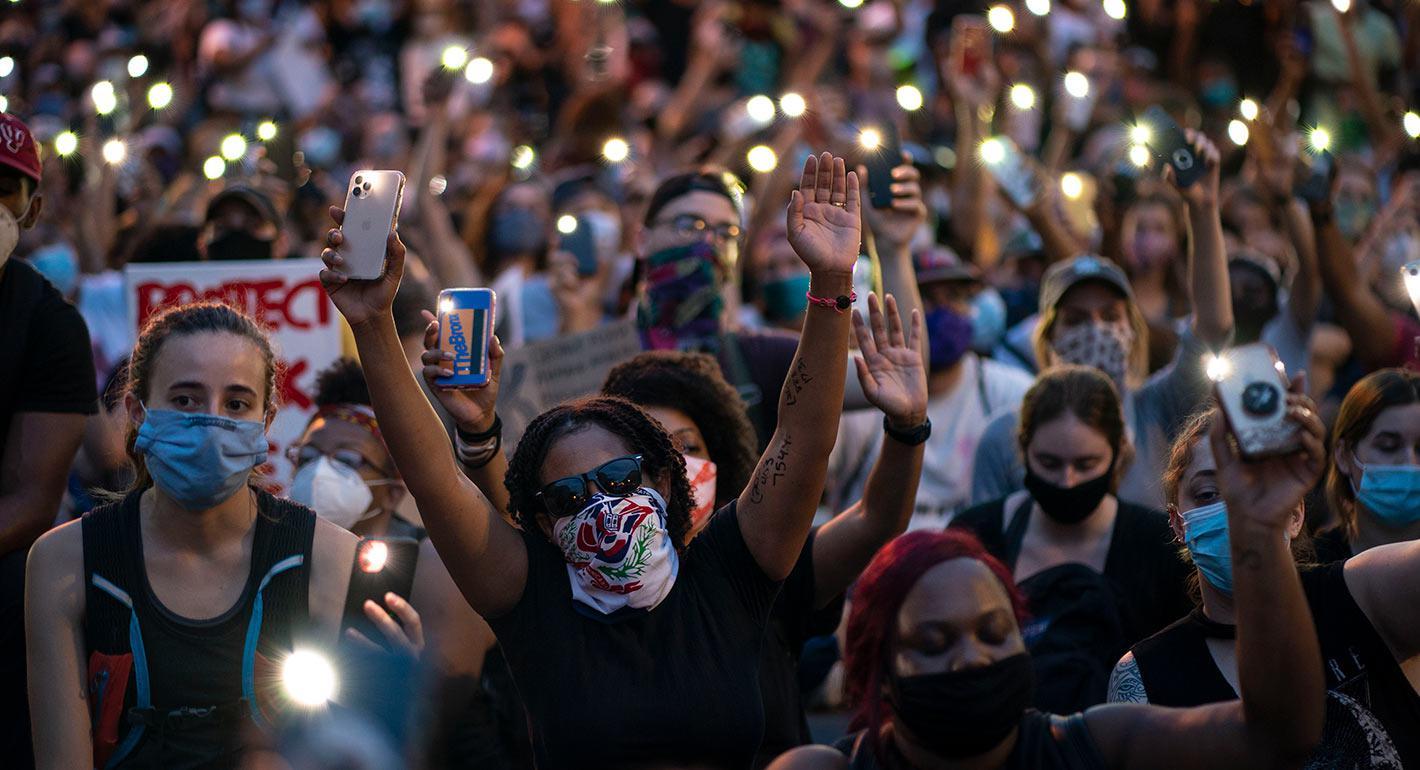
The murder of George Floyd has underscored the deep inequities that have long plagued American society. In a note to the Carnegie community, Bill Burns reflects on Carnegie’s commitment to build a more just future here at home and around the world, without which peace will remain beyond our grasp.
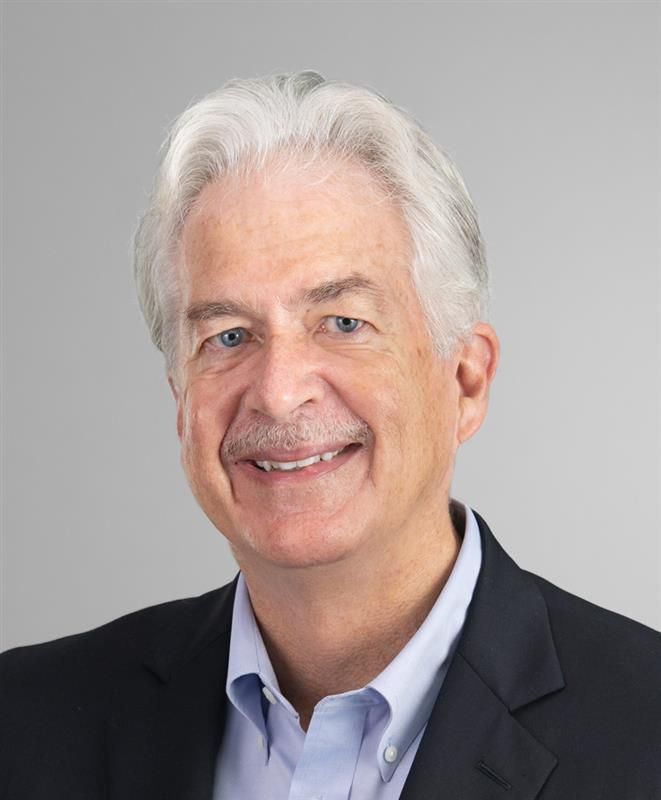
William J. Burns

While the world hoped this pandemic might lead to more cooperation between these two great powers, American and Chinese leaders instead fell into a blame game and allowed their increasing suspicions to guide their decision-making.
Lyu Jinghua

Biological viruses and computer malware differ in important respects. They have considerable potential to spread widely, invading, disrupting and destroying their targets.
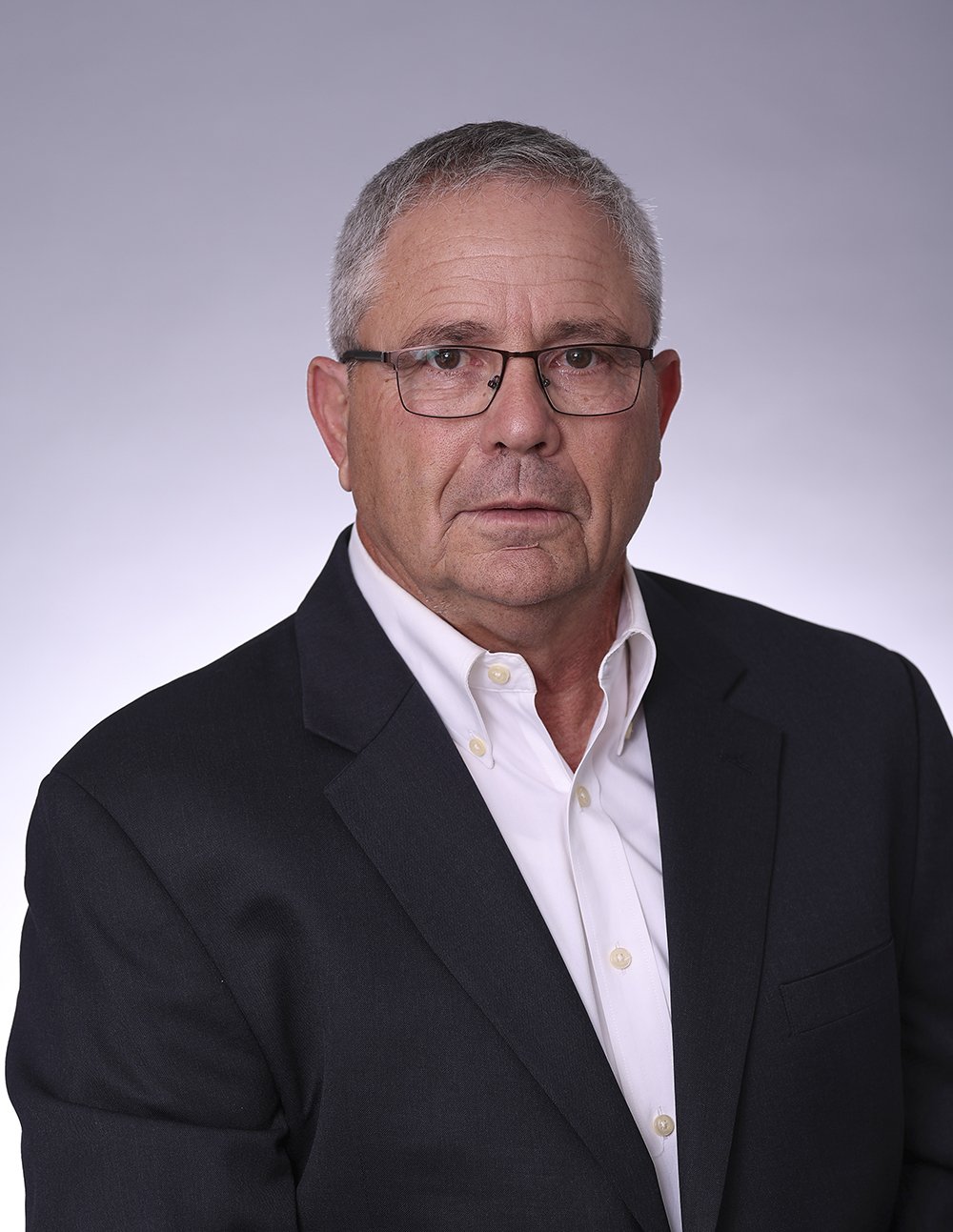
Ariel (Eli) Levite, Lyu Jinghua