

Paper
James M. Acton, Ankit Panda
{
  "authors": [
    "James M. Acton"
  ],
  "type": "other",
  "centerAffiliationAll": "dc",
  "centers": [
    "Carnegie Endowment for International Peace"
  ],
  "collections": [],
  "englishNewsletterAll": "ctw",
  "nonEnglishNewsletterAll": "",
  "primaryCenter": "Carnegie Endowment for International Peace",
  "programAffiliation": "NPP",
  "programs": [
    "Nuclear Policy"
  ],
  "projects": [],
  "regions": [
    "Middle East",
    "Türkiye",
    "Egypt",
    "Saudi Arabia"
  ],
  "topics": [
    "Nuclear Policy",
    "Nuclear Energy"
  ]
}
Source: Getty
As Turkey, Saudi Arabia, and Egypt embark on optimistic nuclear energy programs, these nations must also take into consideration the shortage of nuclear industry scientists and personnel as well as the necessity of solutions for the resulting waste.
Source: Strategic Studies Institute

Although all three states still have significant barriers to surmount, Egypt and Turkey are considerably further along in the process than Saudi Arabia. In particular, research reactors in Egypt and Turkey together with extensive efforts to overhaul legislation have left both states relatively well positioned to embark on a nuclear power program. Saudi Arabia, by contrast, has little relevant experience and lacks the necessary regulatory framework.

Jessica T. Mathews Chair, Co-director, Nuclear Policy Program
Acton holds the Jessica T. Mathews Chair and is co-director of the Nuclear Policy Program at the Carnegie Endowment for International Peace.
Recent Work

James M. Acton, Ankit Panda
James M. Acton
Carnegie does not take institutional positions on public policy issues; the views represented herein are those of the author(s) and do not necessarily reflect the views of Carnegie, its staff, or its trustees.

The nuclear relationship between China and the United States is increasingly shaped by widening perception gaps rather than deliberate strategic design.

Tong Zhao
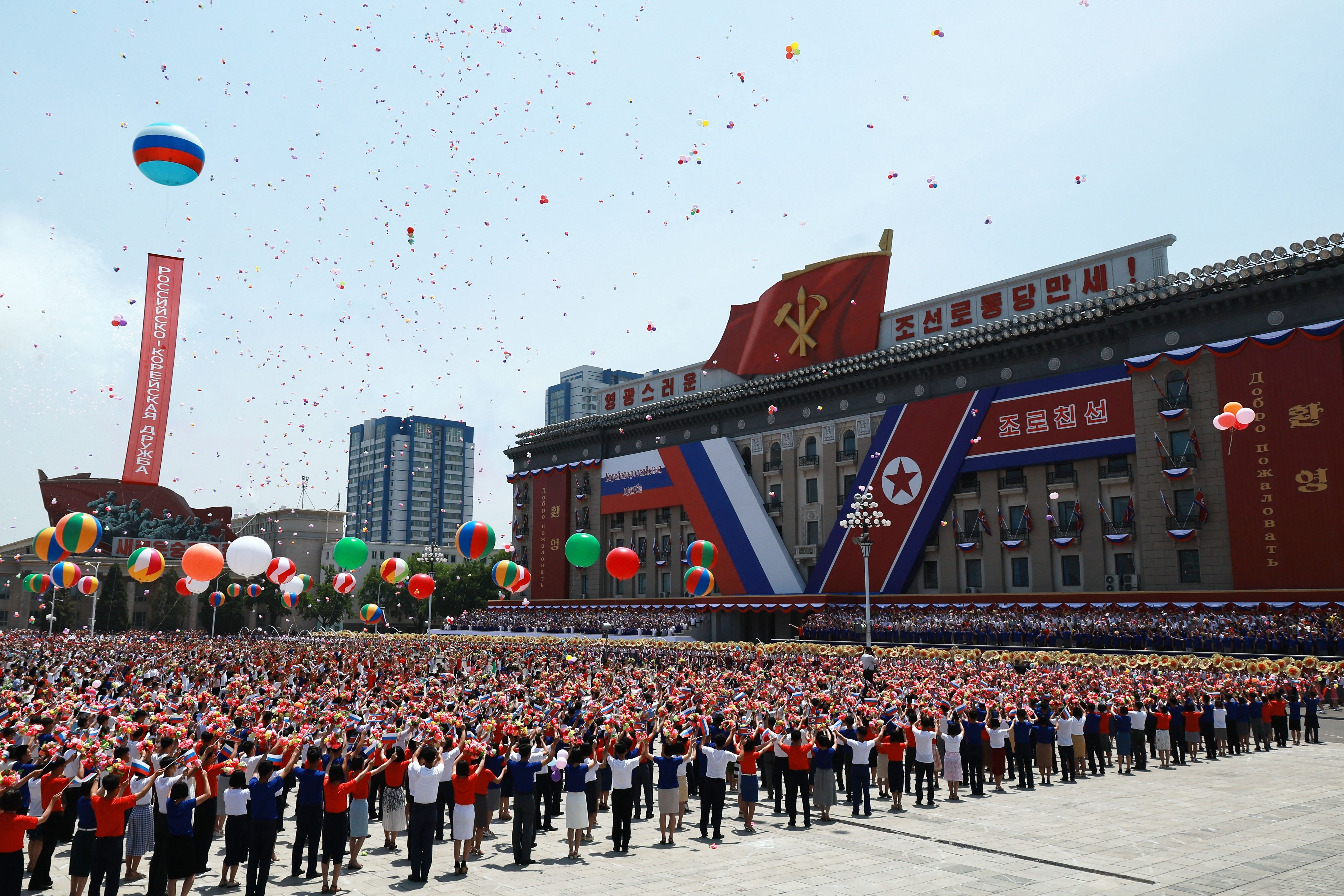
Faced with an increase in strategic maneuvering by Moscow and Pyongyang, Beijing will not sit idly by and allow Putin and Kim to shape the security environment on its behalf.
Tong Zhao
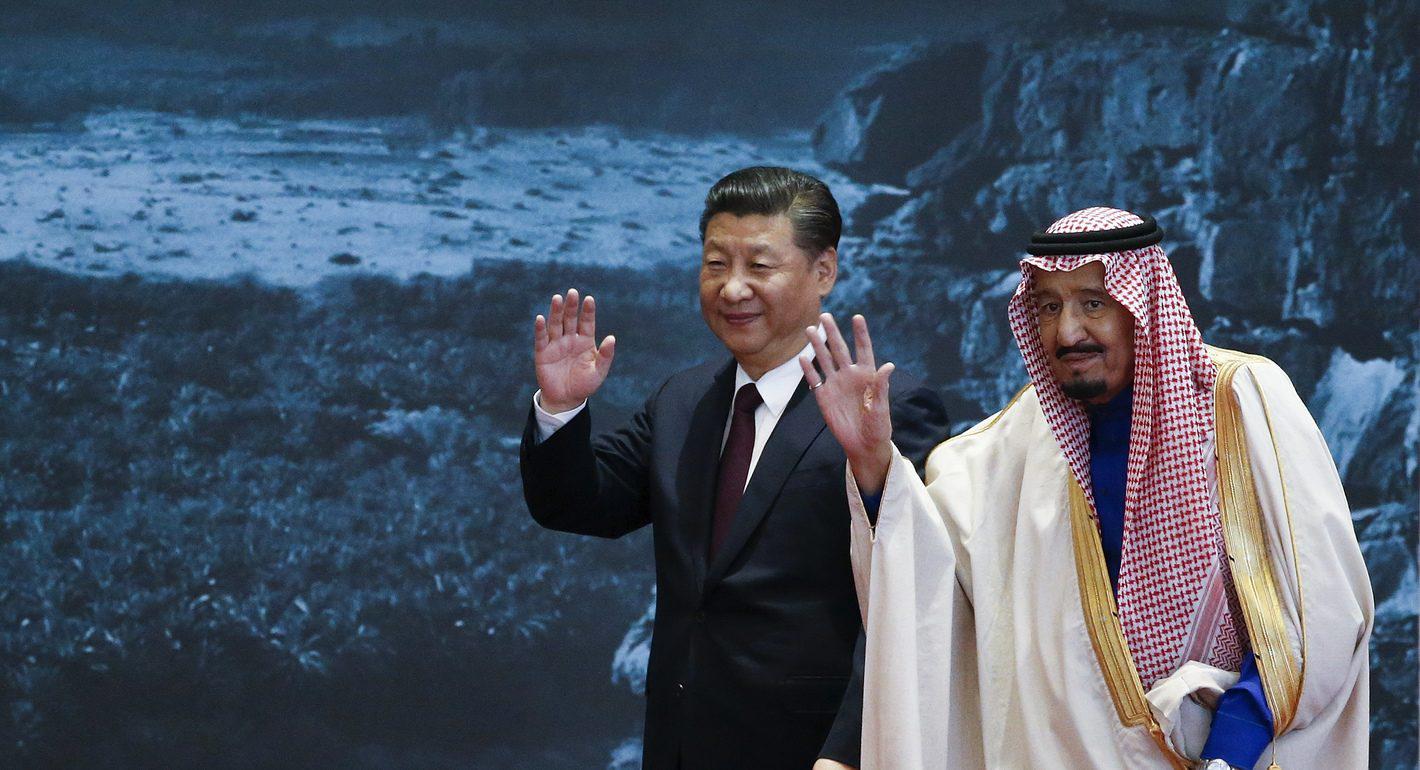
The advantage that China has over other global powers, especially America, is that its foreign policy is closely aligned with those of many of the Middle Eastern countries.


Jin Liangxiang, Maha Yahya, Hesham Alghannam

Transactional relationships are stable but can be shallow.


Paul Haenle, Maha Yahya, Benjamin Ho, …

China views U.S. missile defense as posing a greater potential threat to China’s nuclear deterrent than other U.S. military capabilities.
Tong Zhao, Dmitry Stefanovich