

Commentary
Thomas de Waal
{
  "authors": [
    "Thomas de Waal"
  ],
  "type": "legacyinthemedia",
  "centerAffiliationAll": "dc",
  "centers": [
    "Carnegie Endowment for International Peace",
    "Carnegie Europe",
    "Carnegie Russia Eurasia Center"
  ],
  "collections": [],
  "englishNewsletterAll": "ctw",
  "nonEnglishNewsletterAll": "",
  "primaryCenter": "Carnegie Europe",
  "programAffiliation": "russia",
  "programs": [
    "Russia and Eurasia"
  ],
  "projects": [],
  "regions": [
    "Caucasus"
  ],
  "topics": [
    "Political Reform",
    "Democracy"
  ]
}
Source: Getty
Unlike in Russia, where organized crime persists in part because the government lacks the political will to enforce the law consistently, organized crime in the Caucasus has its roots in a larger cultural problem.
Source: The National Interest

Cables about different parts of the region paint different parts of the picture. Begin with the entertaining. The tone of the celebrated cable on the lavish wedding in Dagestan, penned by the U.S. diplomatic corps’ finest expert on the Caucasus, is pure enjoyment, with the drunken jet-skiing on the Caspian, the marathon vodka drinking by devout Muslims and the guest appearance by Chechen leader Ramzan Kadyrov, “who danced clumsily with his gold-plated automatic stuck down in the back of his jeans.”
Move to the embarrassing. This is the category for the frank cables from Baku on the private wealth of the Azerbaijani ruling elite. That they live in conditions of extreme luxury and control vast sectors of the economy is hardly a surprise, but some of the details are. One source reports that President Ilham Aliev was not displeased by the description of him playing the impetuous Sonny Corleone to his father Heidar’s imperious Don. And he might enjoy the discomfort caused to one of his most powerful ministers, Kemaladin Heidarov, by the claims about his lifestyle. The president, however, will not have enjoyed the allegations about his first lady.
End with the disturbing. This is the category for the cable from Madrid citing the concerns of the Spanish prosecutor Jose “Pepe” Grinda Gonzalez about the penetration of Russian organized crime into Spain. According to the cable,
Grinda stated that he considers Belarus, Chechnya and Russia to be virtual ‘mafia states’ and said that Ukraine is going to be one. For each of those countries, he alleged, one cannot differentiate between the activities of the government and OC [organized crime] groups.
Grinda’s main gripe is that the Russian state appears to be protecting or using certain high-level criminals:
Grinda said what he has read from 10-12 years' worth of investigations on OC has led him to believe that whereas terrorists aim to substitute the essence of the state itself, OC seeks to be a complement to state structures. He summarized his views by asserting that the GOR's strategy is to use OC groups to do whatever the GOR cannot acceptably do as a government. As an example, he cited [Georgian-born Kurd Zahar] Kalashov, whom he said worked for Russian military intelligence to sell weapons to the Kurds to destabilize Turkey.
All the post-Soviet states are stronger than they were in the chaotic 1990s. Grinda’s phrase “state mafia” is a contradiction in terms, but we can see what he is getting at. It covers both some extremely scary individuals as well as some established businessmen—but all of them acting within rules now set by the state. When it is criminal it isn’t so much “organized crime” nowadays as “regulated crime.”
In Russia, some of the richest oligarchs got to where they are now after being part of Wild West (or East) activities in the 1990s that would be impossible now. Take for example Roman Abramovich and Oleg Deripaska, who made many of their billions in the desperate and often bloody carve-up of Russia’s aluminum business, but who are now paid-up members of Russia’s business elite.
Lower down in society, men like the “thief-in-law” Kalashov, mentioned in the Madrid cable, can only have survived by doing deals with the security establishment. Grinda mentions that another Caucasian crime lord, Tariel Oniani, wanted for prosecution in Spain, is being protected by the security services, while in jail. The phenomenon is not so much a mafia as (in the Turkish analogy) a “deep state” where the security services interact with present or former organized criminals.
Move south and you enter what used to be the heart of the Soviet Union’s black economy. Here, the word “mafia” harks back to its Sicilian roots. The family is more important than the state and lavish displays of wealth and the casting of hundred-dollar bills, as at the Dagestani wedding, generally elicit praise, not disapproval. Some members of minority groups, such as the Georgian Yezidi Kurds, win status by being principled outlaws living by their own code of honor. On YouTube I found an admiring film in honor of Kalashov (nicknamed Shakro the Younger) where one reader had left the comment, “EZDY MAFIA 4EVER.”
All this suggests to me that in Russia the problem is a political one: the government must develop an interest in the law as a system, not an instrument of power. In the Caucasus, it is a cultural one: ordinary people must start wanting to be citizens, not the clients of big families.

Senior Fellow, Carnegie Europe
Thomas de Waal is a senior fellow at Carnegie Europe, specializing in Eastern Europe and the Caucasus.
Recent Work
Thomas de Waal
Thomas de Waal
Carnegie does not take institutional positions on public policy issues; the views represented herein are those of the author(s) and do not necessarily reflect the views of Carnegie, its staff, or its trustees.
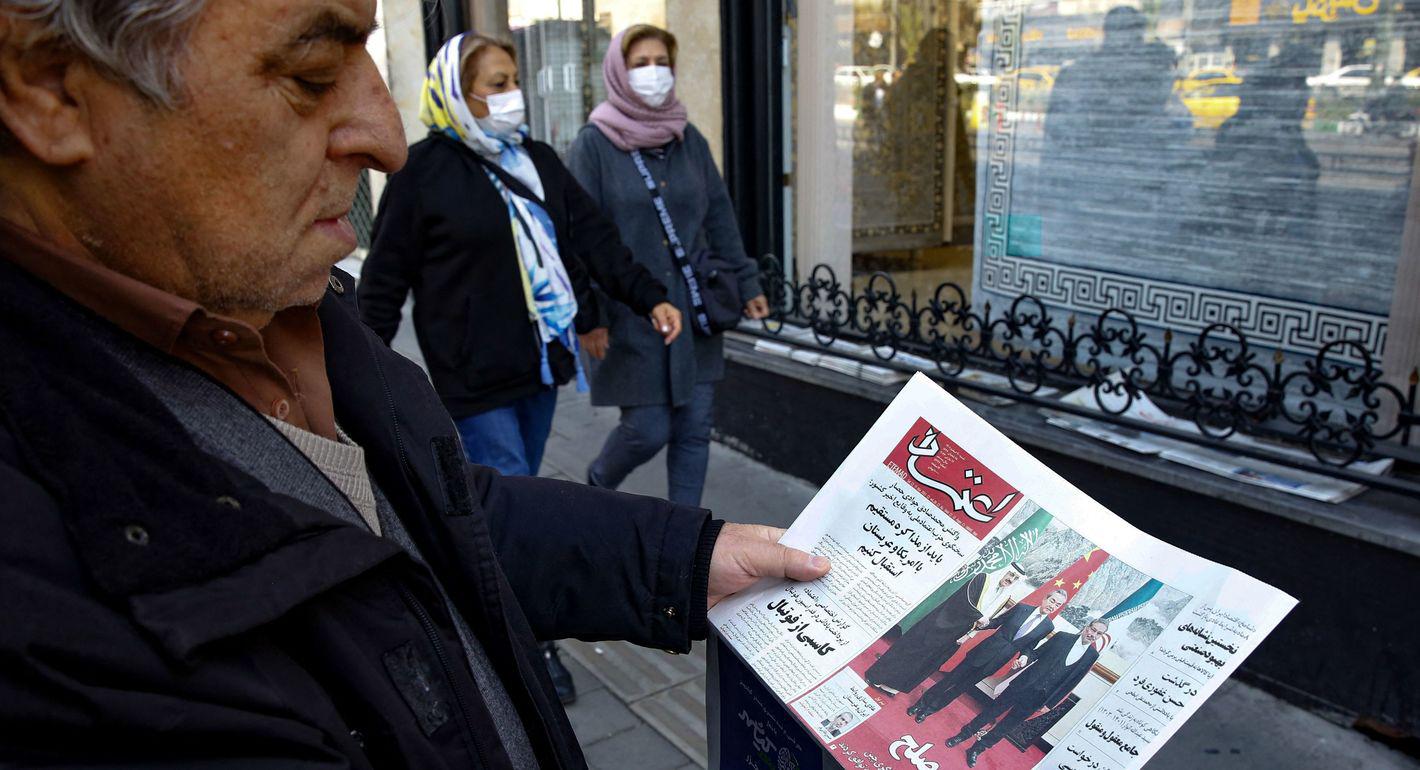
Transactional relationships are stable but can be shallow.


Paul Haenle, Maha Yahya, Benjamin Ho, …
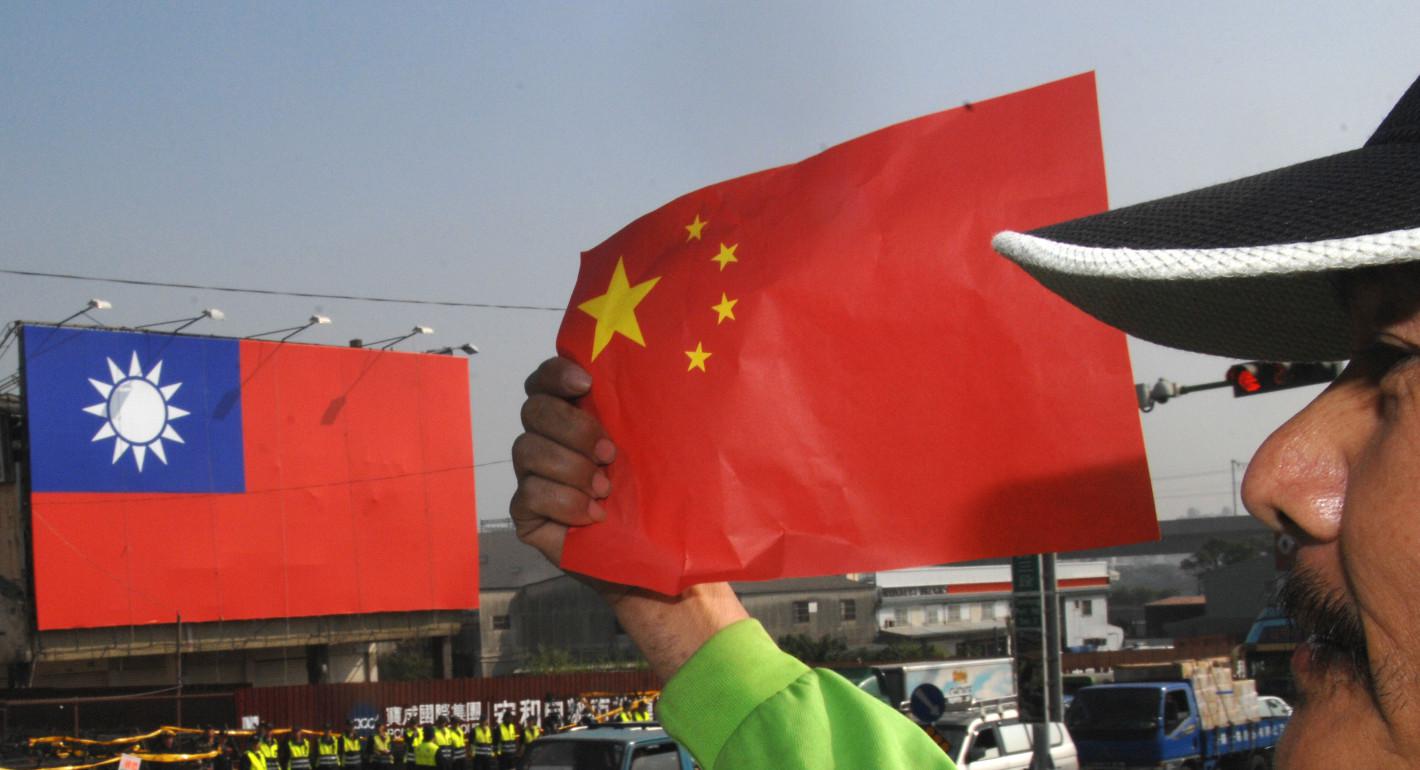
Beijing says that over 180 countries accept its “one China principle” regarding Taiwan, but the reality is more complicated.

Chong Ja Ian
Beijing must choose between preserving its pandemic narrative or facing more unrest.
Paul Haenle
It’s about managing oil prices, bread prices, and strategic partnerships.



Amr Hamzawy, Karim Sadjadpour, Aaron David Miller, …
Three months after the Biden-Xi summit, the two sides’ divergent framings of the bilateral relationship are hindering progress.
Paul Haenle, Sam Bresnick