• Commentary
  • Research
  • Experts
  • Events
Carnegie China logoCarnegie lettermark logo
{
  "authors": [
    "Marina Ottaway"
  ],
  "type": "legacyinthemedia",
  "centerAffiliationAll": "dc",
  "centers": [
    "Carnegie Endowment for International Peace",
    "Malcolm H. Kerr Carnegie Middle East Center"
  ],
  "collections": [],
  "englishNewsletterAll": "menaTransitions",
  "nonEnglishNewsletterAll": "",
  "primaryCenter": "Carnegie Endowment for International Peace",
  "programAffiliation": "MEP",
  "programs": [
    "Middle East"
  ],
  "projects": [],
  "regions": [
    "Middle East",
    "Egypt",
    "Gulf",
    "Levant",
    "Maghreb"
  ],
  "topics": [
    "Political Reform"
  ]
}
Source: Getty

In The Media

The Rise and Fall of Political Reform in the Arab World

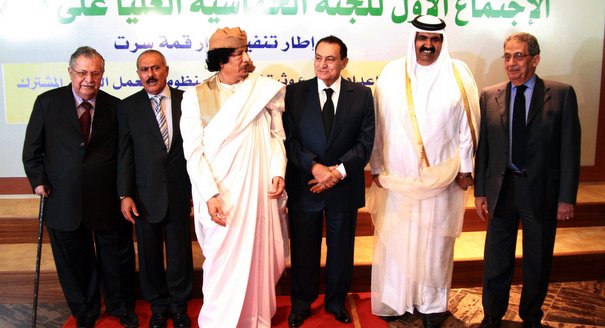
It is increasingly clear that reform in the Arab world depends less on the structure of formal political processes and institutions than on power relations among factions within Arab nations.

Link Copied
By Marina Ottaway
Published on Dec 14, 2010

Source: Current History

The Rise and Fall of Political Reform in the ArabFor a few years in the early 2000s the Arab world appeared to be entering a period of political reform without confrontation. In most countries, opposition groups were trying to use legal channels of political participation to increase their influence and force regimes to accept democracy.

In countries with elected parliaments, all parties, including Islamist ones, showed more interest in taking part in elections. Even in Gulf countries without formally democratic institutions, pressure was increasing on governments to make room for at least partially elected parliaments or for municipal councils, or to allow “political societies” to operate even though parties were banned. Reformers both inside regimes and in the opposition emphasized strengthening representative institutions and increasing political participation, while trying to avoid defiance and conflict.

Today, the hope for reform without confrontation has waned in most countries. Governments throughout the Arab world have abandoned the pretense of reform and are reconsolidating their grip on power. They are narrowing opportunities for political participation by manipulating laws and closing the space in which political parties can operate. Reform, it is increasingly clear, depends less on the design of formal processes and institutions than on power relations among factions within nations.

About the Author

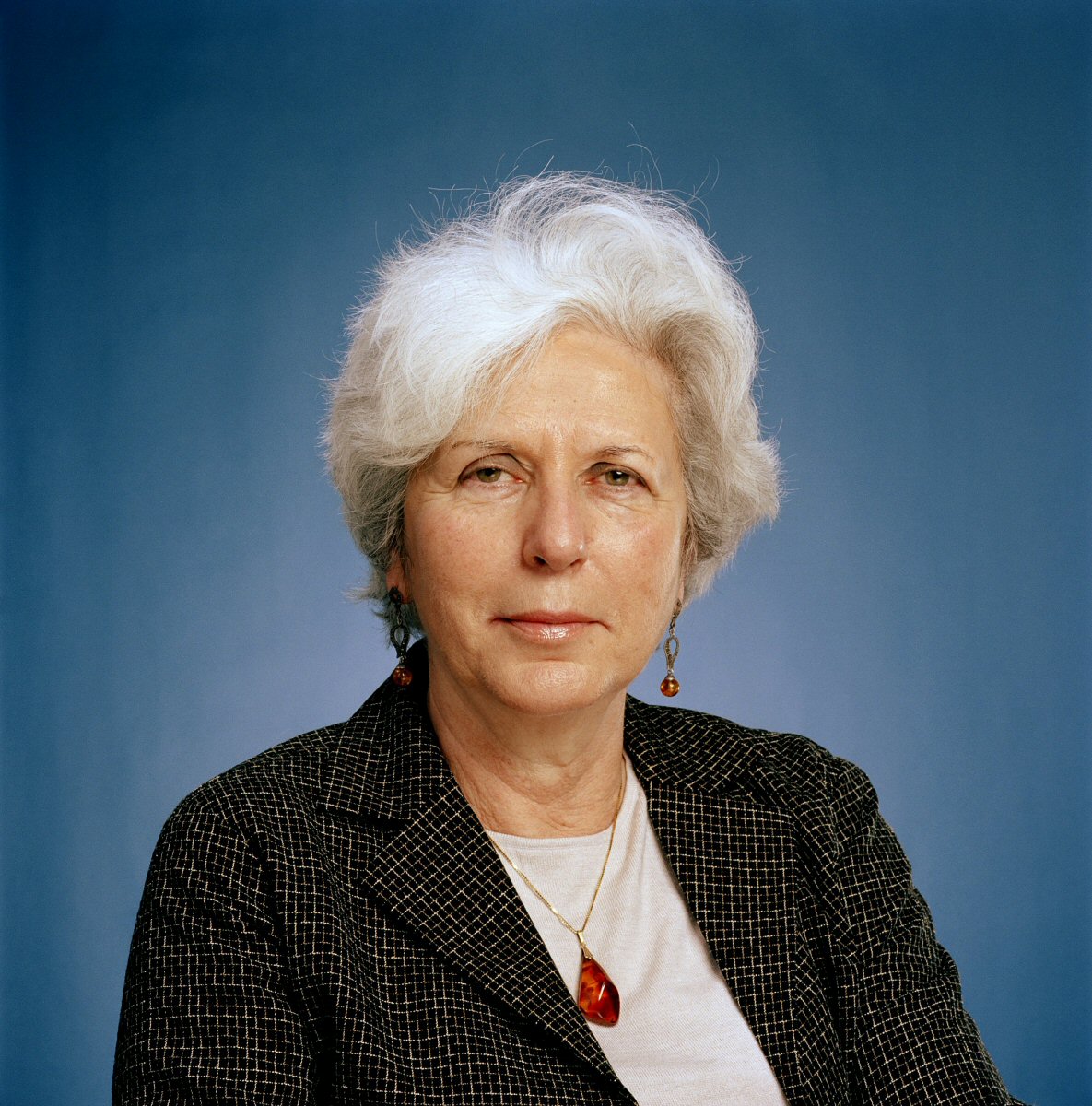
Marina Ottaway

Former Senior Associate, Middle East Program

Before joining the Endowment, Ottaway carried out research in Africa and in the Middle East for many years and taught at the University of Addis Ababa, the University of Zambia, the American University in Cairo, and the University of the Witwatersrand in South Africa.

    Recent Work

  • Article
    Reactions to the Syrian National Initiative

      Marina Ottaway, Omar Hossino

  • Article
    Slow Return to Normal Politics in Egypt

      Marina Ottaway

Marina Ottaway
Former Senior Associate, Middle East Program
Marina Ottaway
Political ReformMiddle EastEgyptGulfLevantMaghreb

Carnegie does not take institutional positions on public policy issues; the views represented herein are those of the author(s) and do not necessarily reflect the views of Carnegie, its staff, or its trustees.
More Work from Carnegie China

  • Commentary
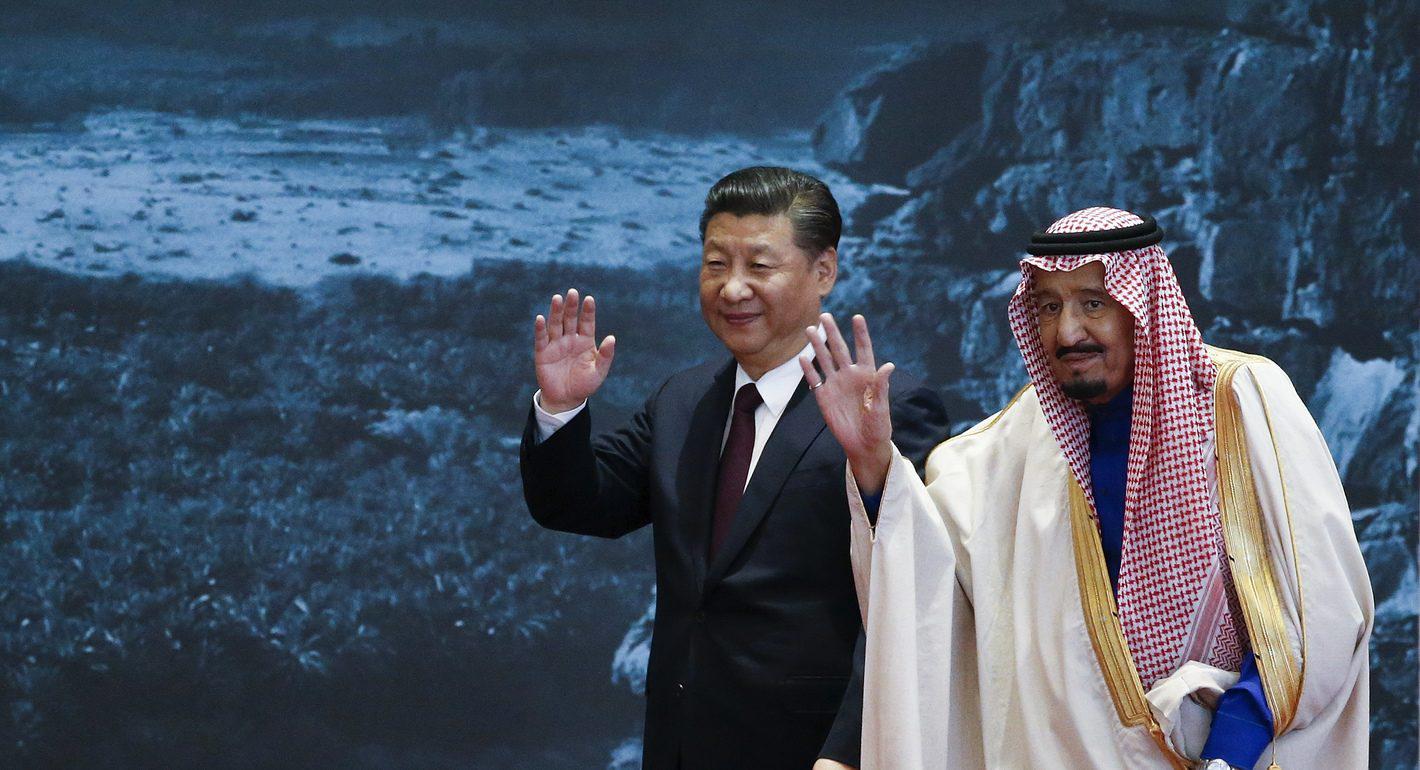
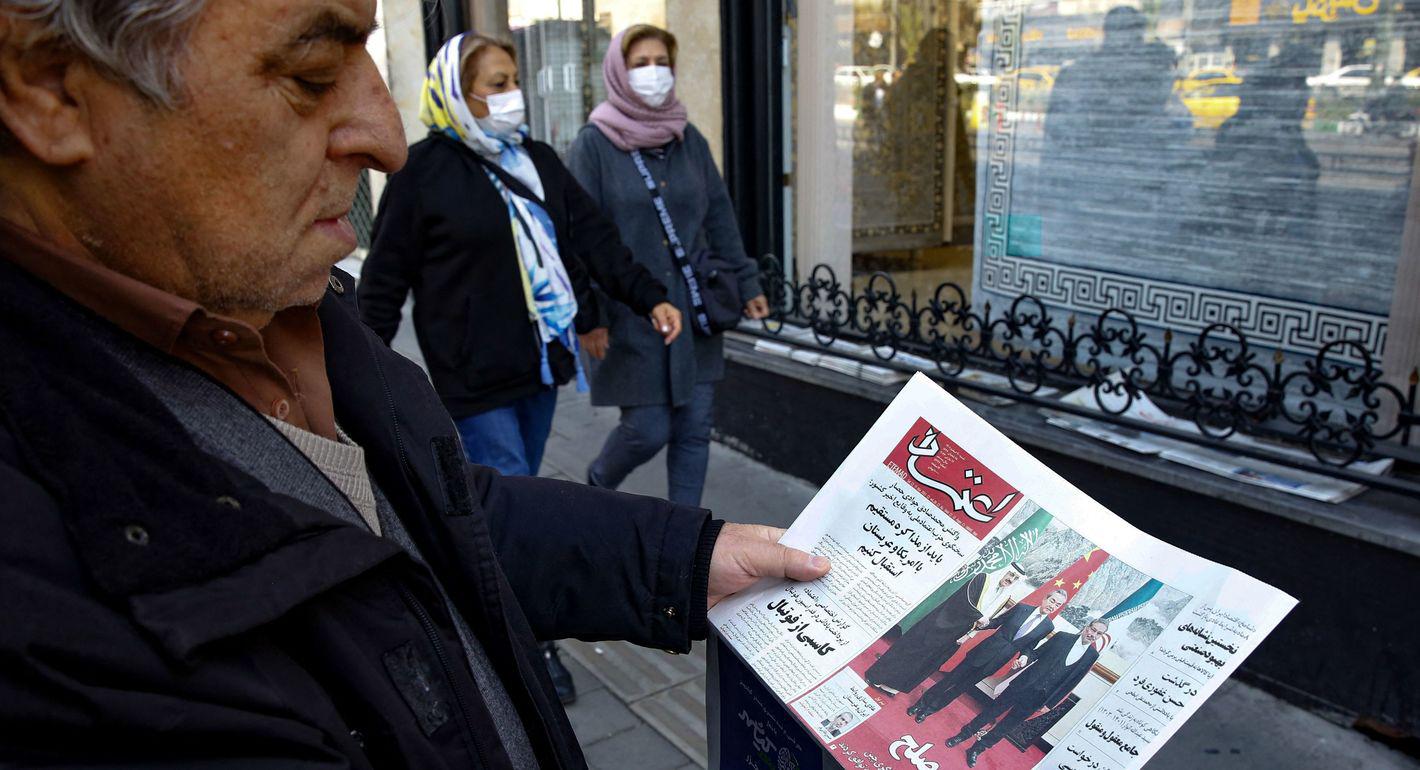
    China’s Evolving Economic and Security Role in the Middle East

    The advantage that China has over other global powers, especially America, is that its foreign policy is closely aligned with those of many of the Middle Eastern countries.

      Jin Liangxiang, Maha Yahya, Hesham Alghannam
  • Commentary
    China’s Rising Influence in the Middle East

    Transactional relationships are stable but can be shallow.

      • +1

      Paul Haenle, Maha Yahya, Benjamin Ho, …

  • Commentary
    What the Russian War in Ukraine Means for the Middle East

    It’s about managing oil prices, bread prices, and strategic partnerships.

      • +8

      Amr Hamzawy, Karim Sadjadpour, Aaron David Miller, …
  • Commentary
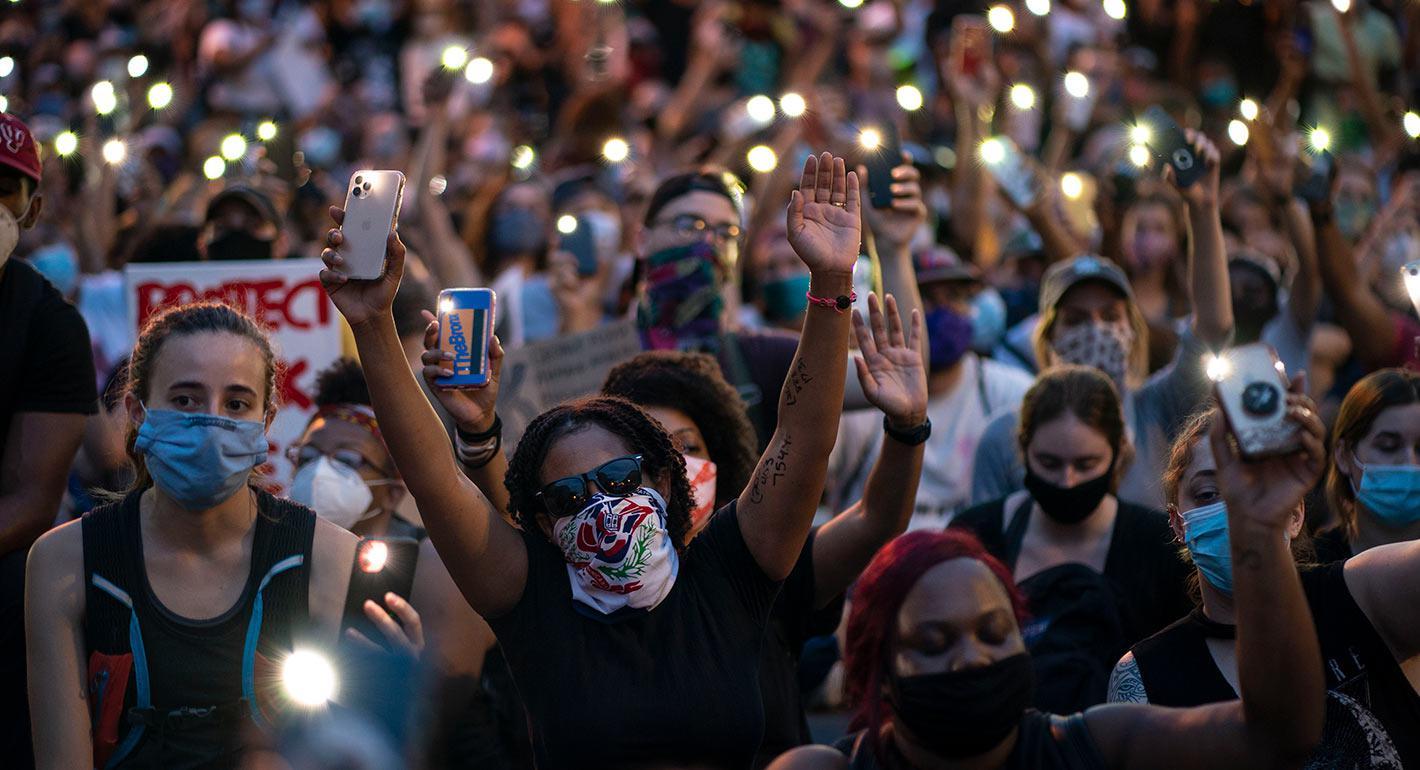
    A Message to the Carnegie Endowment Community

    The murder of George Floyd has underscored the deep inequities that have long plagued American society. In a note to the Carnegie community, Bill Burns reflects on Carnegie’s commitment to build a more just future here at home and around the world, without which peace will remain beyond our grasp.
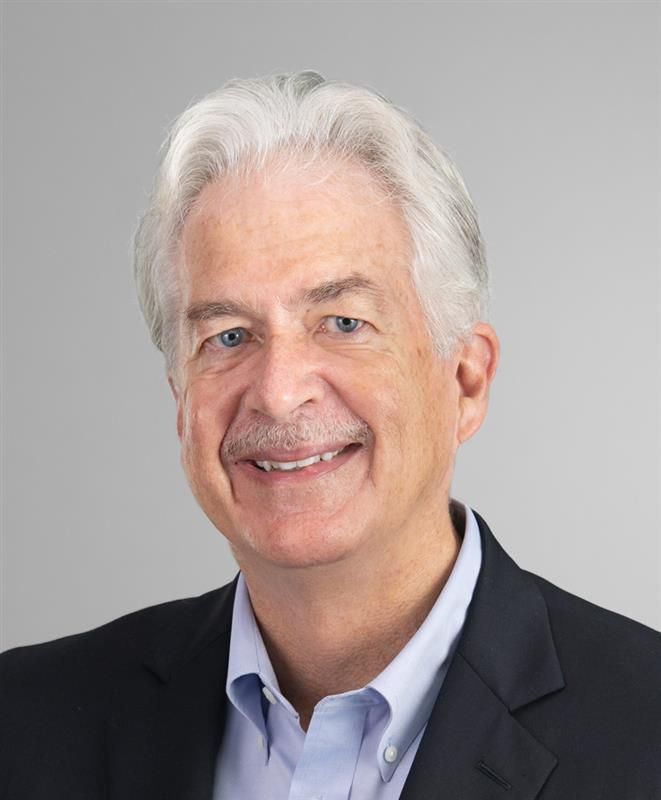
      William J. Burns
  • Commentary
    U.S., China Should Pursue Peace, Not Military Brinkmanship

    While the world hoped this pandemic might lead to more cooperation between these two great powers, American and Chinese leaders instead fell into a blame game and allowed their increasing suspicions to guide their decision-making.

      Lyu Jinghua

Get more news and analysis from
Carnegie China
Carnegie China logo, white
  • Research
  • About
  • Experts
  • Events
  • Contact
  • Careers
  • Privacy
  • For Media
Get more news and analysis from
Carnegie China
© 2026 Carnegie Endowment for International Peace. All rights reserved.