

Q&A
Suzanne Maloney, Aaron David Miller, Karim Sadjadpour
{
  "authors": [
    "Karim Sadjadpour"
  ],
  "type": "other",
  "centerAffiliationAll": "dc",
  "centers": [
    "Carnegie Endowment for International Peace",
    "Carnegie Europe"
  ],
  "collections": [],
  "englishNewsletterAll": "menaTransitions",
  "nonEnglishNewsletterAll": "",
  "primaryCenter": "Carnegie Endowment for International Peace",
  "programAffiliation": "MEP",
  "programs": [
    "Middle East"
  ],
  "projects": [],
  "regions": [
    "Middle East",
    "Iran"
  ],
  "topics": [
    "Political Reform",
    "Nuclear Policy"
  ]
}
Source: Getty
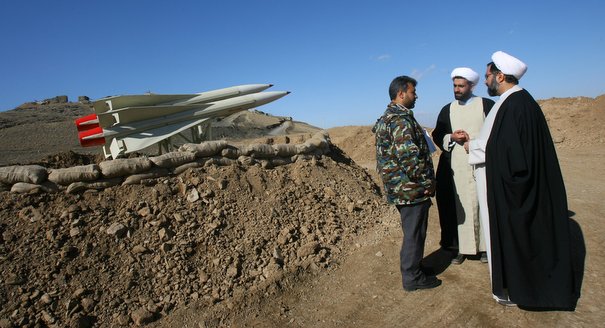
While the Iranian government—an increasingly militarized theocracy—is unique, George Kennan’s 1947 essay, “The Sources of Soviet Conduct,” reveals instructive behavioral parallels between the Iranian and Soviet regimes.
In an attempt to understand the Islamic Republic of Iran—a regime that has bedeviled the United States since the 1979 revolution—U.S. analysts often invoke three historical analogies, comparing Iran to Red China, Nazi Germany, and the Soviet Union. While the Iranian government—an increasingly militarized theocracy—is sui generis, former U.S. diplomat George Kennan’s 1947 essay, “The Sources of Soviet Conduct,” reveals instructive behavioral parallels between the Iranian and Soviet regimes. A close reading of Kennan’s analysis suggests some key lessons current U.S. policy makers should consider in dealing with Iran, including:
Kennan’s wisdom does not call on the United States to shun dialogue with Tehran, but merely to temper its expectations. Talking to Iran will not resolve the real, serious differences the United States has with the Islamic Republic, but given Iran’s influence on major U.S. foreign policy challenges—namely Iraq, Afghanistan, Arab-Israeli peace, terrorism, energy security, and nuclear proliferation—it can help mitigate the risk of escalation and misunderstanding.
In the process, Kennan would caution, the United States should remain “at all times cool and collected” until the Iranian regime is forced to change under the weight of its contradictions and economic malaise. “For no mystical, Messianic movement,” Kennan wrote in 1947, “can face frustration indefinitely without eventually adjusting itself one way or another to the logic of that state of affairs.”

Senior Fellow, Middle East Program
Karim Sadjadpour is a senior fellow at the Carnegie Endowment for International Peace, where he focuses on Iran and U.S. foreign policy toward the Middle East.
Recent Work


Suzanne Maloney, Aaron David Miller, Karim Sadjadpour

Aaron David Miller, Karim Sadjadpour, Robin Wright
Carnegie does not take institutional positions on public policy issues; the views represented herein are those of the author(s) and do not necessarily reflect the views of Carnegie, its staff, or its trustees.

The nuclear relationship between China and the United States is increasingly shaped by widening perception gaps rather than deliberate strategic design.

Tong Zhao
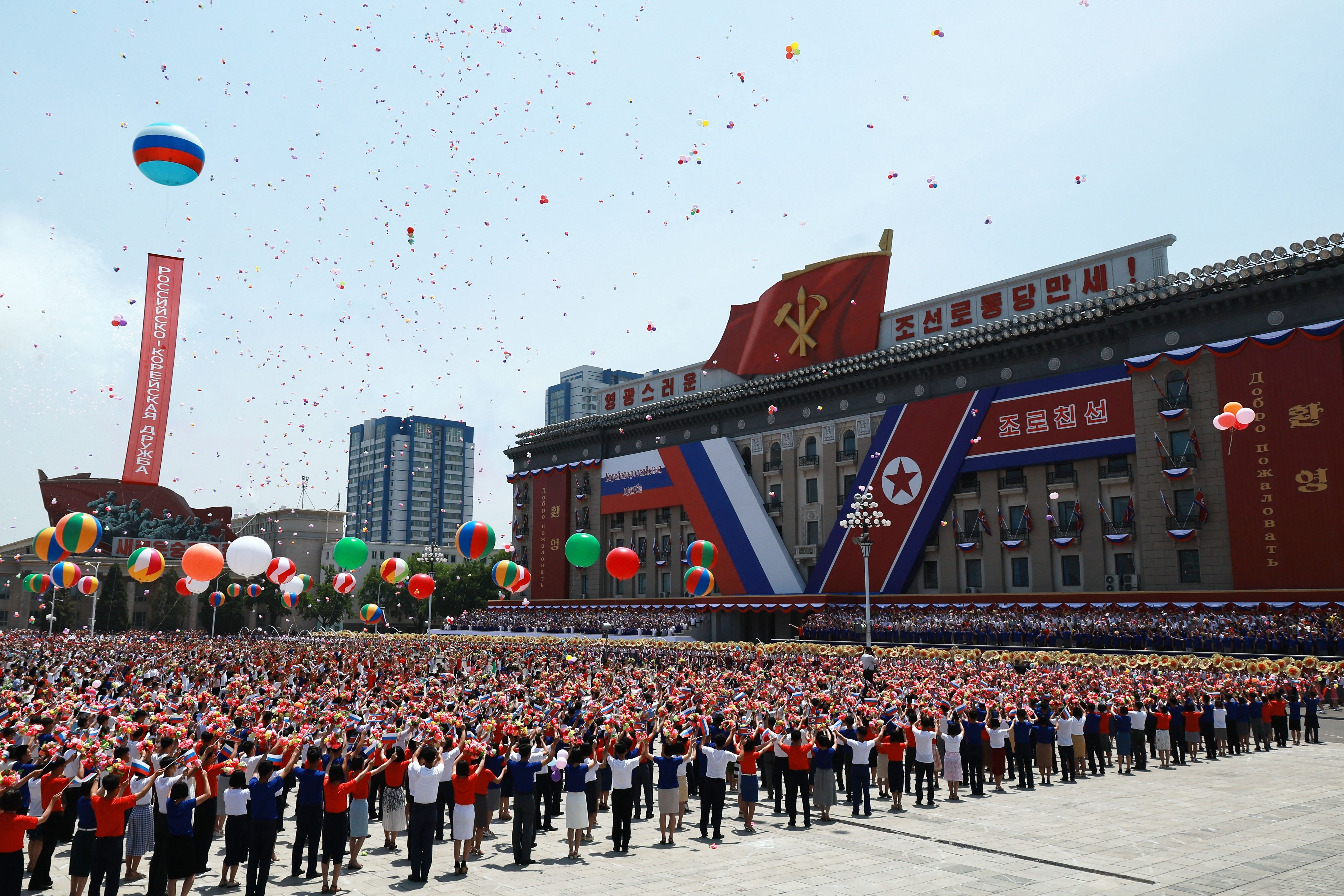
Faced with an increase in strategic maneuvering by Moscow and Pyongyang, Beijing will not sit idly by and allow Putin and Kim to shape the security environment on its behalf.
Tong Zhao
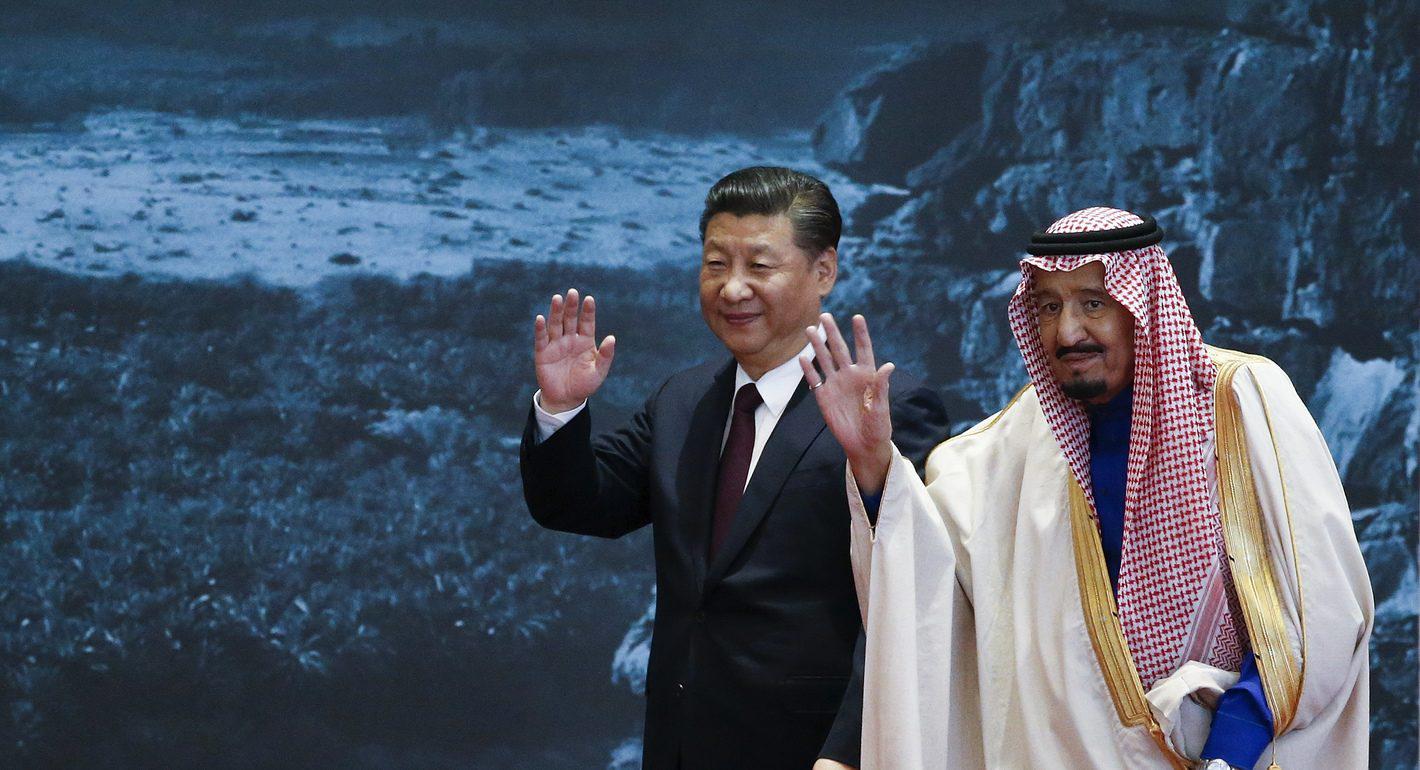
The advantage that China has over other global powers, especially America, is that its foreign policy is closely aligned with those of many of the Middle Eastern countries.



Jin Liangxiang, Maha Yahya, Hesham Alghannam
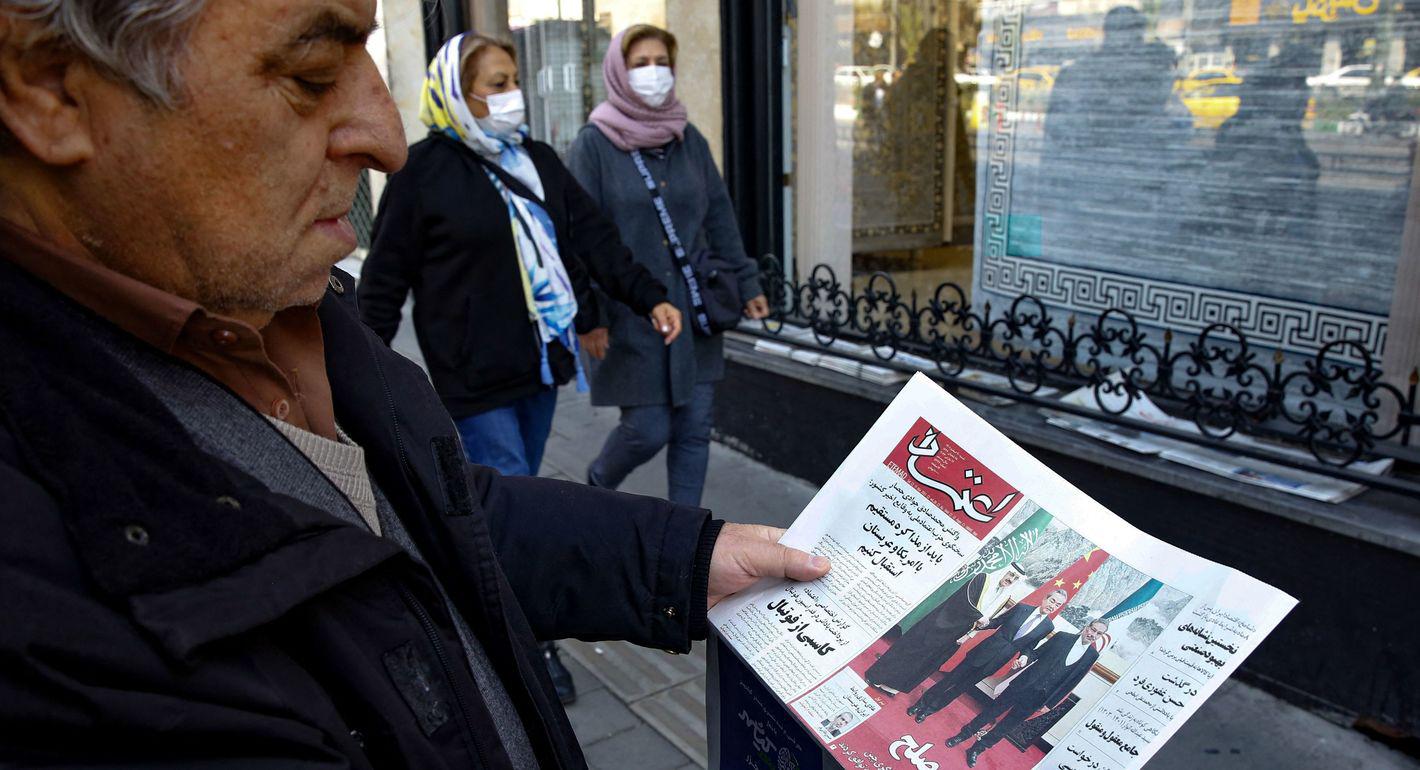
Transactional relationships are stable but can be shallow.


Paul Haenle, Maha Yahya, Benjamin Ho, …

China views U.S. missile defense as posing a greater potential threat to China’s nuclear deterrent than other U.S. military capabilities.
Tong Zhao, Dmitry Stefanovich