• Commentary
  • Research
  • Experts
  • Events
Carnegie China logoCarnegie lettermark logo
{
  "authors": [
    "Michele Dunne"
  ],
  "type": "legacyinthemedia",
  "centerAffiliationAll": "dc",
  "centers": [
    "Carnegie Endowment for International Peace",
    "Malcolm H. Kerr Carnegie Middle East Center"
  ],
  "collections": [
    "Arab Awakening"
  ],
  "englishNewsletterAll": "menaTransitions",
  "nonEnglishNewsletterAll": "",
  "primaryCenter": "Carnegie Endowment for International Peace",
  "programAffiliation": "MEP",
  "programs": [
    "Middle East"
  ],
  "projects": [],
  "regions": [
    "North Africa",
    "Egypt"
  ],
  "topics": [
    "Political Reform"
  ]
}
Source: Getty

In The Media

Unrest in Egypt: What’s Going On?

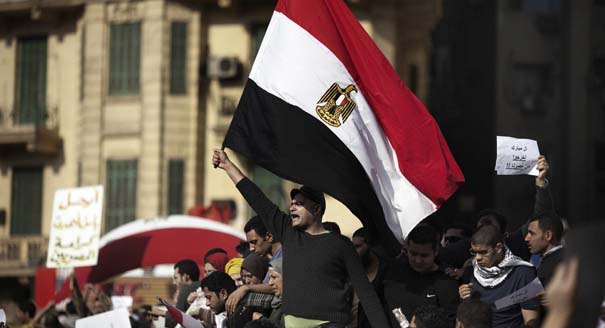
Egypt’s continuing unrest has furthered speculation about whether President Mubarak’s government will fall, who might act as a leader for the opposition, and what effect the upheaval will have on U.S.-Egyptian relations.

Link Copied
By Michele Dunne
Published on Jan 28, 2011

Source: Yahoo News

Unrest in Egypt: What’s Going On?Michele Dunne is a senior associate at the Carnegie Endowment for Peace. She has served as a specialist on Middle East affairs with the White House and the State Department, and has written widely on Arab politics, and political and economic reform. The Lookout asked her to explain what's going on in Egypt, and what it means for America.

LOOKOUT: What are the protesters angry about, and what do they want done?

M.D.: Protesters have a large number of economic, political, and human-rights grievances. Widespread youth unemployment, rigged parliamentary elections in November 2010, and the prospect of President Mubarak (in power since 1981) beginning another term--or being replaced by his son--are the sparks that set these demonstrations off. The demonstrators are asking for Mubarak to step down and make way for an interim government to prepare for free elections.

LOOKOUT: Is there a real chance that Mubarak's government might fall?

M.D.: Yes, there is a real possibility, but that does not seem to be imminent yet. As in Tunisia, the regime would begin to be uncertain if internal security services could not handle demonstrations and the army were called in. Armies generally don't like firing on their own civilians and sometimes will choose keeping the loyalty of the population over defending an unpopular ruler.
 
LOOKOUT: If so, what might replace Mubarak's regime? What role might ElBaradei play?
 
M.D.: There is a shadow government and parliament, formed in December, that has positioned itself as the opposition party with which the government can negotiate if things reach that point.  But things are very fluid right now. ElBaradei could possibly play a leadership role within the opposition, although up until now he has been more effective at articulating popular grievances than at organizing or leading opposition groups.
 
LOOKOUT: How might a shift in power affect U.S. interests?
 
M.D.: U.S. interests are being challenged here. The United States has been tepid in supporting human rights and democracy in Egypt for years and has to deal with the resentment among Egyptians because of that. Partly for that reason, and partly because of the close association of the United States with Israel, any alternate group that comes to power might distance itself from the United States to some extent.
 
LOOKOUT: What role, if any, is the Muslim Brotherhood or other Islamic groups playing?
 
M.D.: The Muslim Brotherhood, while still the single largest opposition group in Egypt, is not at the forefront of these protests. Rather, they are trying to get on the bandwagon at this point.
 
LOOKOUT: What are the similarities and differences between the situations in Egypt and Tunisia?
 
M.D.: Similarities include the fact that young people are leading the protests and that many of the grievances are common between the two countries: youth unemployment, corrupt government, human-rights abuses, and a leader in power for an entire generation who showed no sign of being ready to leave.
 
Differences include the fact that the Egyptian government has had far more experience with handling demonstrations; the Tunisian government seemed surprised and folded pretty quickly.

About the Author

Michele Dunne

Former Nonresident Scholar, Middle East Program

Michele Dunne was a nonresident scholar in Carnegie’s Middle East Program, where her research focuses on political and economic change in Arab countries, particularly Egypt, as well as U.S. policy in the Middle East.

    Recent Work

  • Research
    Islamic Institutions in Arab States: Mapping the Dynamics of Control, Co-option, and Contention
      • +6

      Yasmine Farouk, Nathan J. Brown, Maysaa Shuja Al-Deen, …
  • Research
    From Hardware to Holism: Rebalancing America’s Security Engagement With Arab States
      • +8

      Robert Springborg, Emile Hokayem, Becca Wasser, …

Michele Dunne
Former Nonresident Scholar, Middle East Program
Michele Dunne
Political ReformNorth AfricaEgypt

Carnegie does not take institutional positions on public policy issues; the views represented herein are those of the author(s) and do not necessarily reflect the views of Carnegie, its staff, or its trustees.
More Work from Carnegie China

  • Commentary
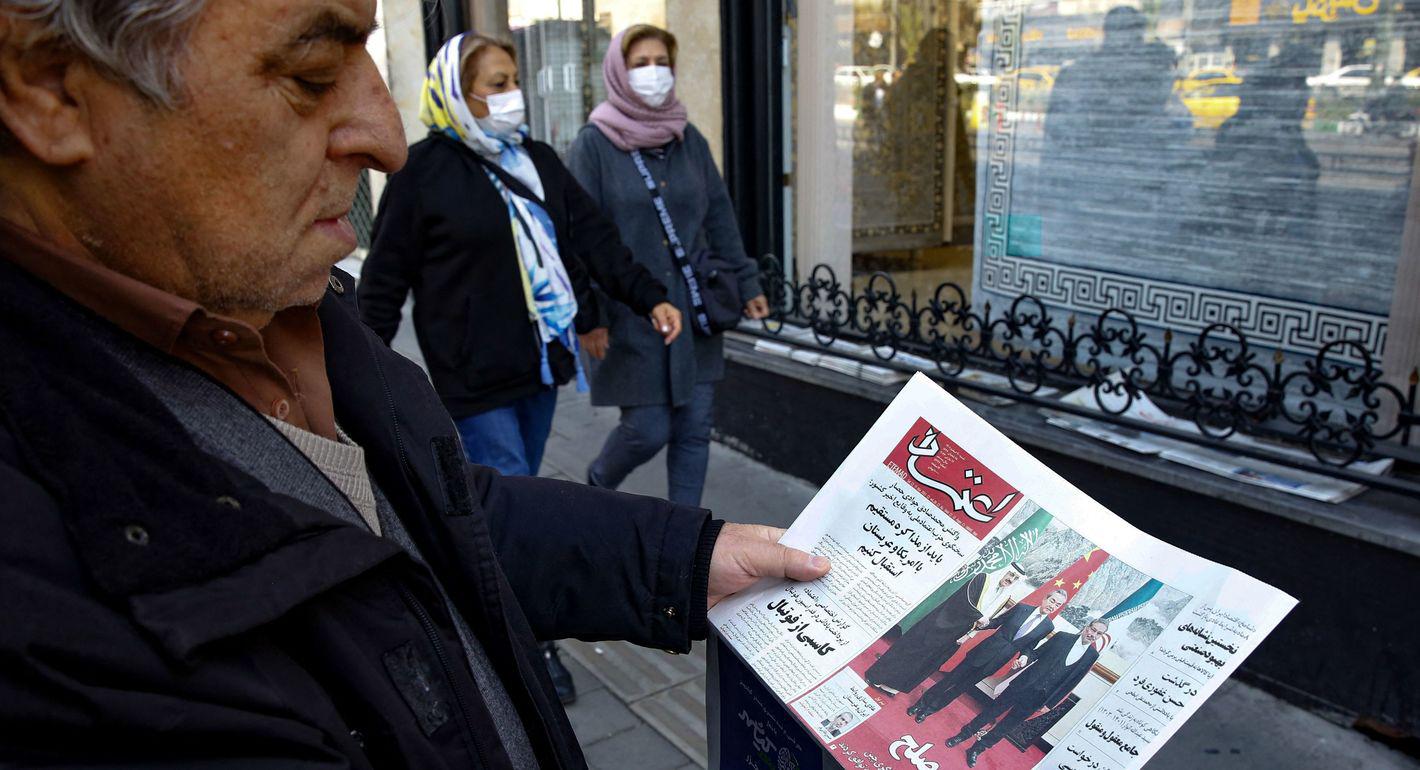
    China’s Rising Influence in the Middle East

    Transactional relationships are stable but can be shallow.

      • +1

      Paul Haenle, Maha Yahya, Benjamin Ho, …
  • Commentary
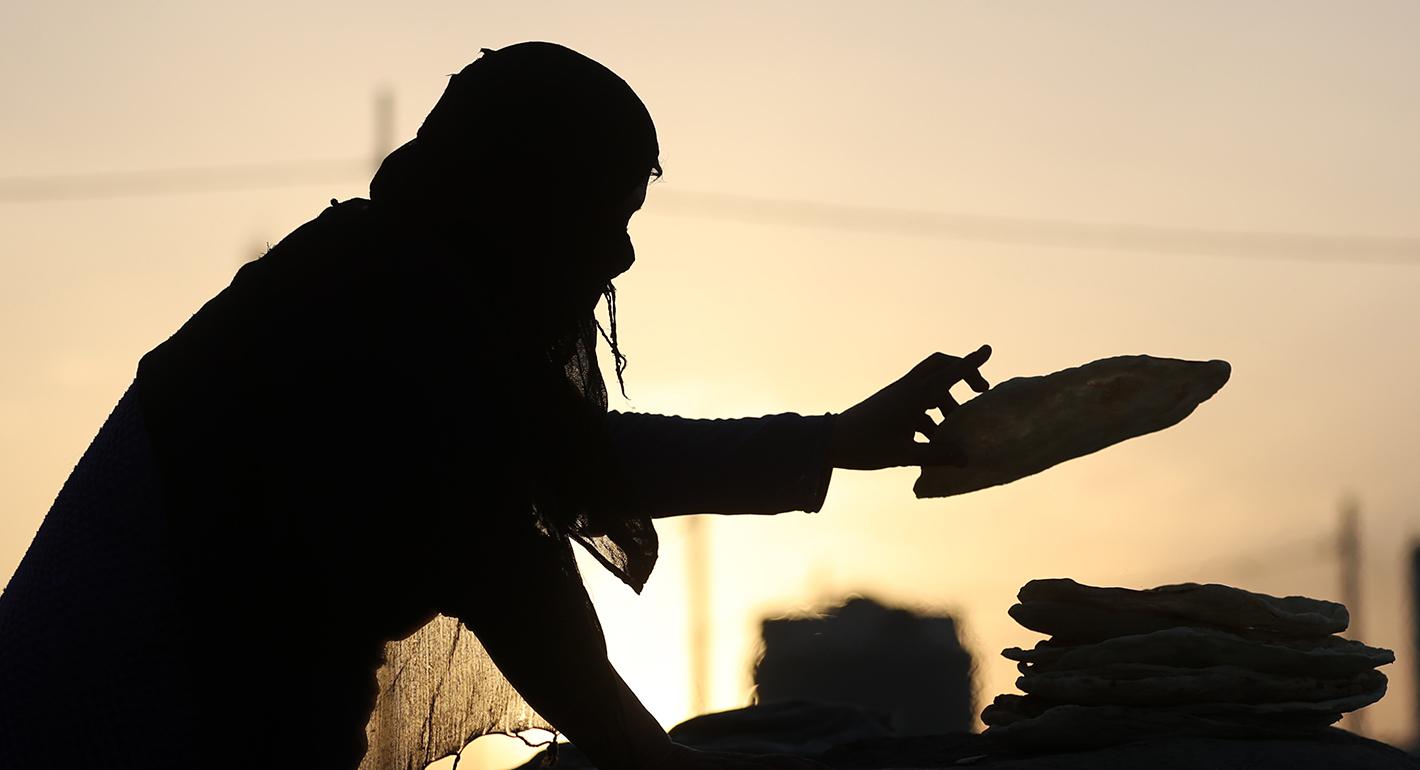
    What the Russian War in Ukraine Means for the Middle East

    It’s about managing oil prices, bread prices, and strategic partnerships.

      • +8

      Amr Hamzawy, Karim Sadjadpour, Aaron David Miller, …
  • Commentary
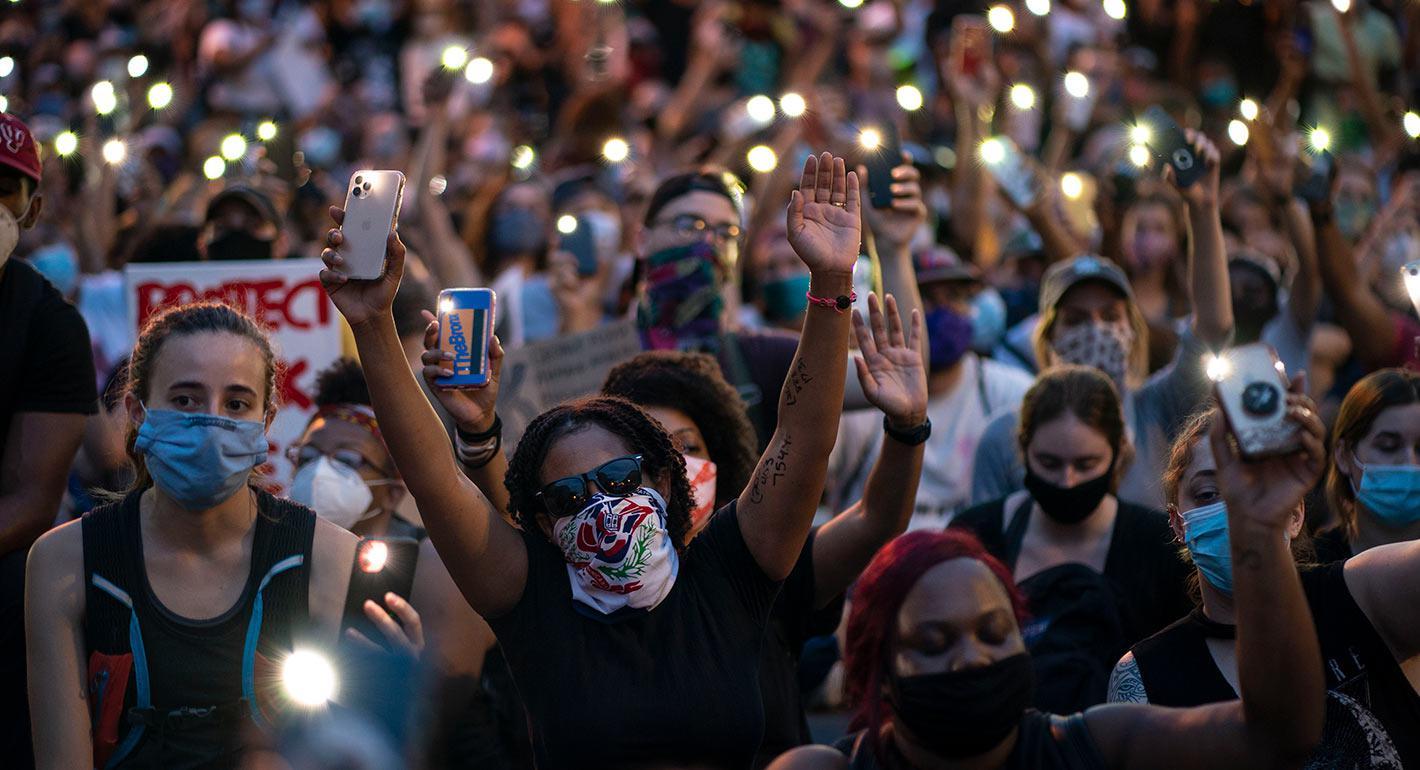
    A Message to the Carnegie Endowment Community

    The murder of George Floyd has underscored the deep inequities that have long plagued American society. In a note to the Carnegie community, Bill Burns reflects on Carnegie’s commitment to build a more just future here at home and around the world, without which peace will remain beyond our grasp.
      William J. Burns
  • Commentary
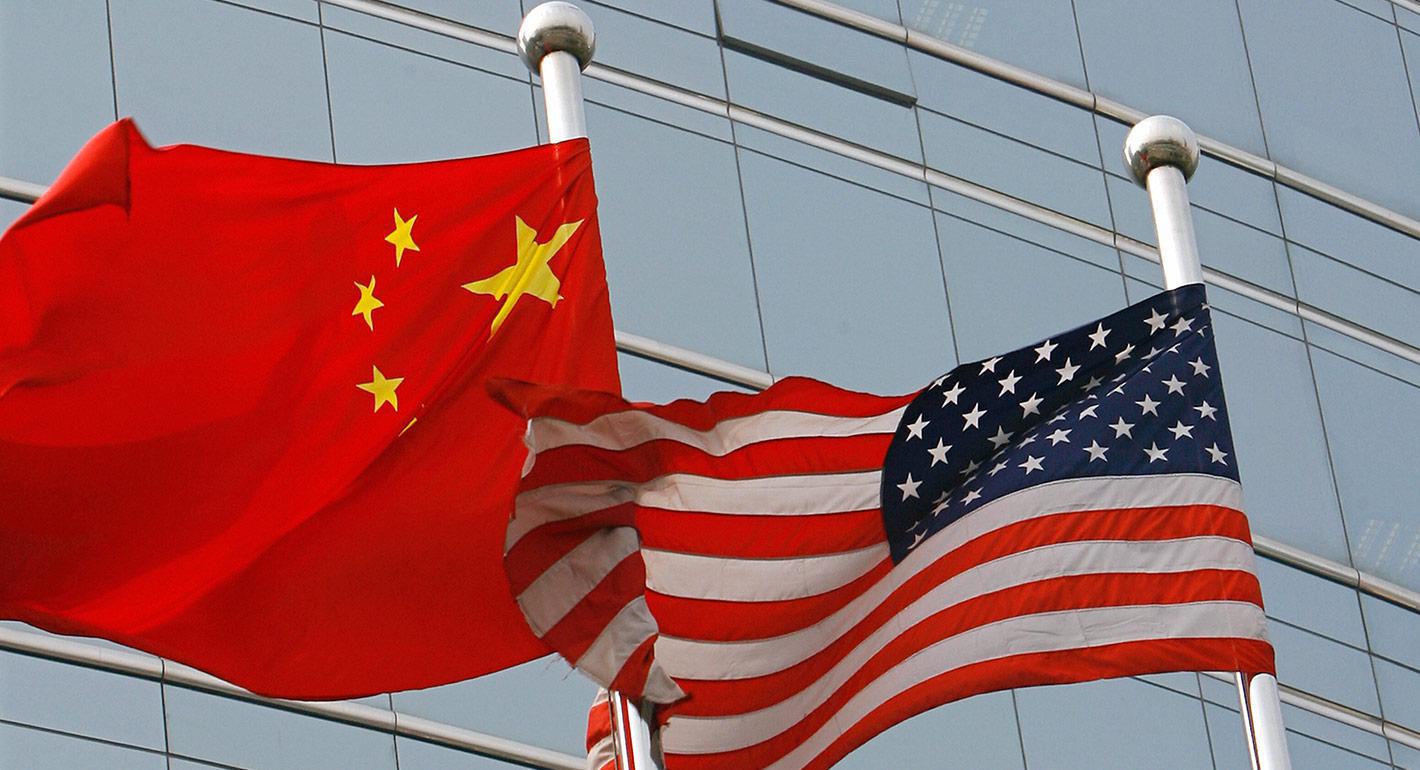
    U.S., China Should Pursue Peace, Not Military Brinkmanship

    While the world hoped this pandemic might lead to more cooperation between these two great powers, American and Chinese leaders instead fell into a blame game and allowed their increasing suspicions to guide their decision-making.

      Lyu Jinghua
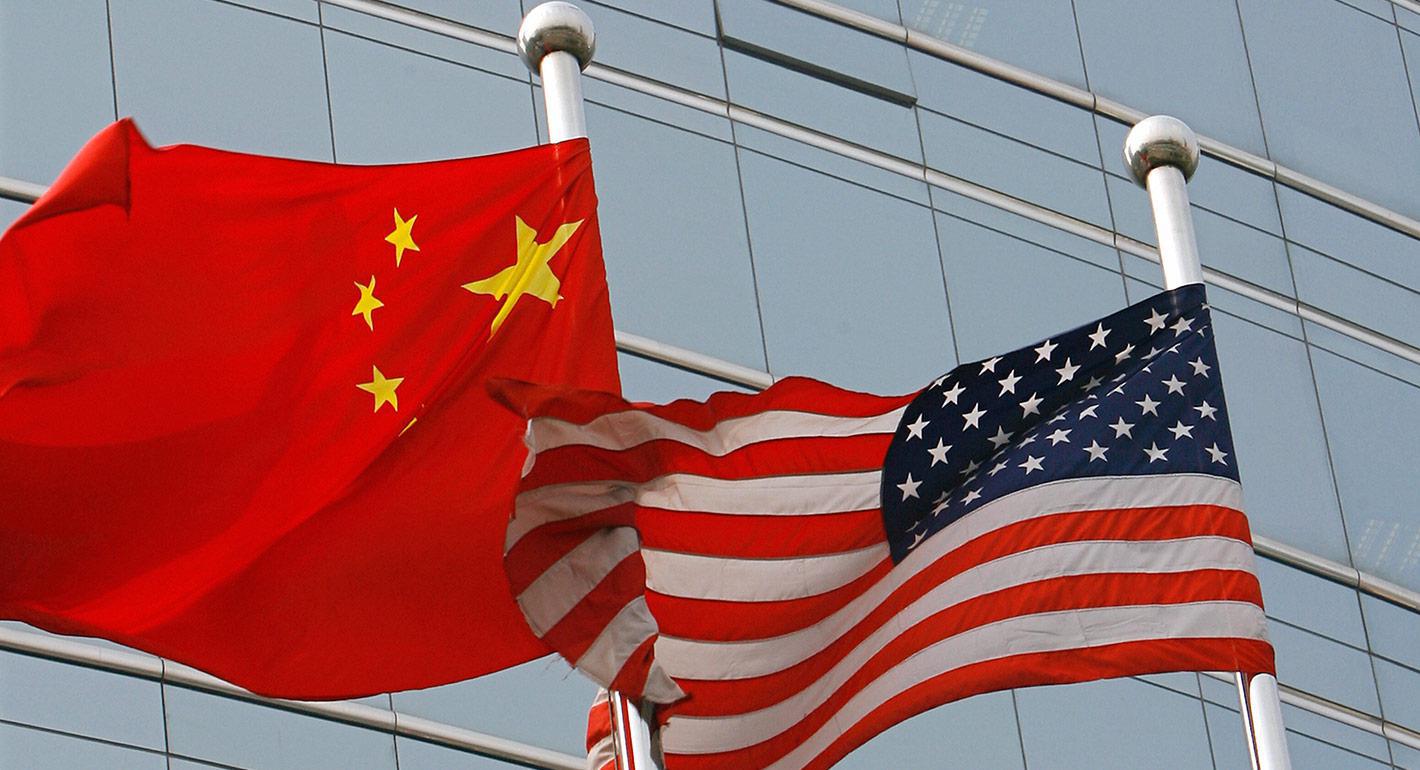
  • Commentary
    Travails of an Interconnected World: From Pandemics to the Digital Economy

    Biological viruses and computer malware differ in important respects. They have considerable potential to spread widely, invading, disrupting and destroying their targets.
      Ariel (Eli) Levite, Lyu Jinghua

Get more news and analysis from
Carnegie China
Carnegie China logo, white
Keck Seng Tower133 Cecil Street #10-01ASingapore, 069535
  • Research
  • About
  • Experts
  • Events
  • Contact
  • Careers
  • Privacy
  • For Media
Get more news and analysis from
Carnegie China
© 2026 Carnegie Endowment for International Peace. All rights reserved.