

Commentary
Amr Hamzawy
{
  "authors": [
    "Amr Hamzawy"
  ],
  "type": "legacyinthemedia",
  "centerAffiliationAll": "",
  "centers": [
    "Carnegie Endowment for International Peace",
    "Malcolm H. Kerr Carnegie Middle East Center"
  ],
  "collections": [
    "Arab Awakening"
  ],
  "englishNewsletterAll": "",
  "nonEnglishNewsletterAll": "",
  "primaryCenter": "Carnegie Endowment for International Peace",
  "programAffiliation": "",
  "programs": [],
  "projects": [],
  "regions": [
    "North Africa",
    "Egypt"
  ],
  "topics": [
    "Political Reform"
  ]
}
Source: Getty
The resignation of President Hosni Mubarak is only the first step in Egypt’s fight for meaningful democratic change. It remains to be seen whether structural change and real democracy will be implemented in the country.
Source: Al-Jazeera
Five days after President Hosni Mubarak’s resignation, the fight for meaningful change in Egypt is far from over. On Al-Jazeera’s Inside Story, Carnegie’s Amr Hamzawy examined the achievements of the Egyptian revolution and the many challenges that lie ahead.
Hamzawy stated that a “genuine revolution” has taken place in Egypt. However, Mubarak’s resignation is only the first step towards success and it remains to be seen whether structural change and real democracy will actually be implemented. The institutionalized national dialogue needed to promote real change is limited by deep-rooted authoritarianism and the strong power of the military establishment, Hamzawy said.
Transitional periods are always “messy and complicated”, Hamzawy added. As one example, he cited the contradiction between the popular desire to write a new Constitution and the ruling military council’s six months deadline to transfer power to a democratically elected civilian government. Hamzawy suggested that the transitional period should therefore be progressive: first, the 1971 Constitution should be amended and then, after real democratic elections, the legitimate Parliament could write a new Constitution.
There are several crucial questions that need to be raised and answered throughout the transitional period, Hamzawy said. For example, what will become of the Constitution and the current cabinet, composed of corrupted and unpopular figures? How will the military rulers ensure a genuine participatory transition, including civil society organizations and trade unions?
Considering all these challenges ahead, Hamzawy expressed concern over the absence of a clear trajectory to ensure that the military will leave power after establishing the foundations of a democratic system. Indeed, he warned that military rule is fundamentally anti-democratic; no country has ever succeeded in implementing democracy through military rule.

Director, Middle East Program
Amr Hamzawy is a senior fellow and the director of the Carnegie Middle East Program. His research and writings focus on Egypt’s and other middle powers’ involvement in regional security in the Middle East, particularly through collective diplomacy and multilateral conflict resolution
Recent Work
Amr Hamzawy
Amr Hamzawy
Carnegie does not take institutional positions on public policy issues; the views represented herein are those of the author(s) and do not necessarily reflect the views of Carnegie, its staff, or its trustees.
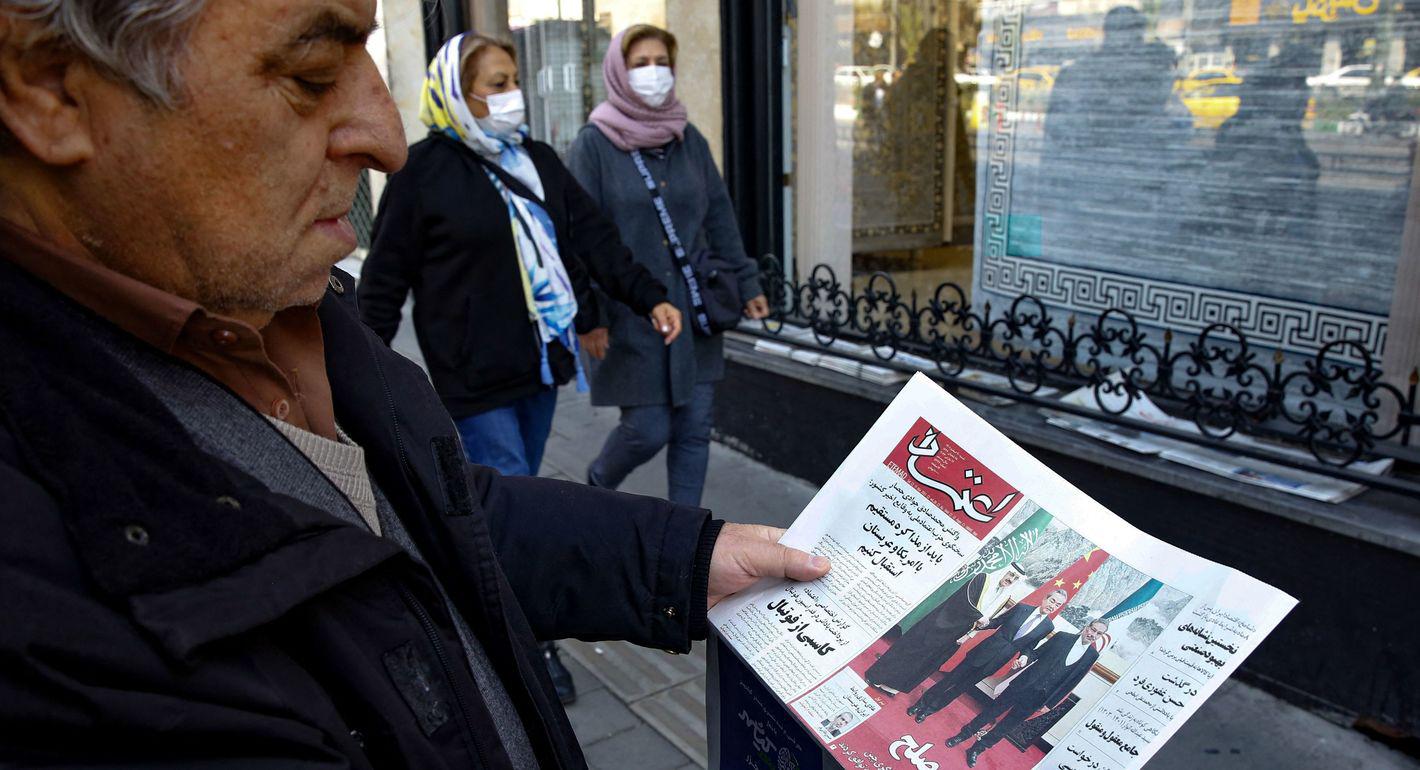
Transactional relationships are stable but can be shallow.



Paul Haenle, Maha Yahya, Benjamin Ho, …

It’s about managing oil prices, bread prices, and strategic partnerships.


Amr Hamzawy, Karim Sadjadpour, Aaron David Miller, …
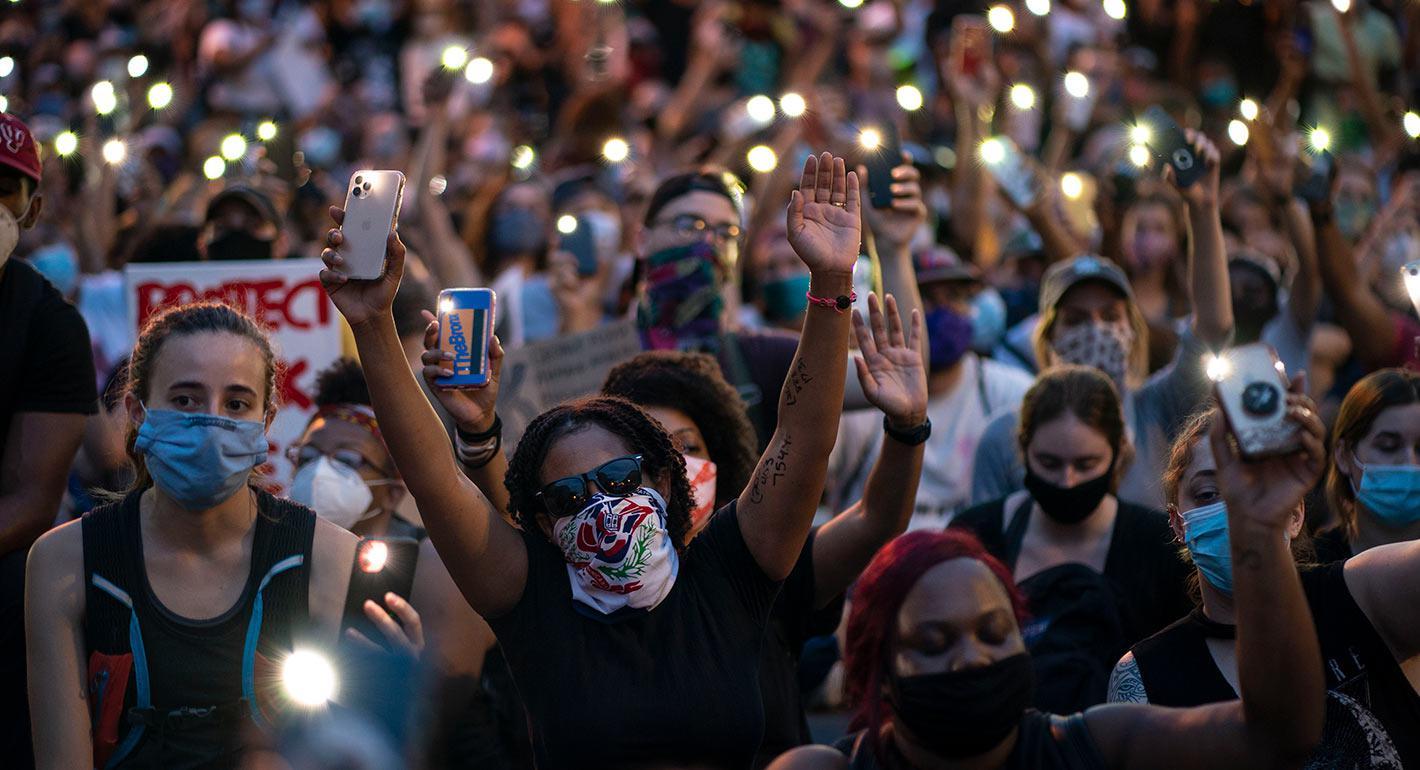
The murder of George Floyd has underscored the deep inequities that have long plagued American society. In a note to the Carnegie community, Bill Burns reflects on Carnegie’s commitment to build a more just future here at home and around the world, without which peace will remain beyond our grasp.

William J. Burns

While the world hoped this pandemic might lead to more cooperation between these two great powers, American and Chinese leaders instead fell into a blame game and allowed their increasing suspicions to guide their decision-making.
Lyu Jinghua

Biological viruses and computer malware differ in important respects. They have considerable potential to spread widely, invading, disrupting and destroying their targets.

Ariel (Eli) Levite, Lyu Jinghua