

Commentary
Transactional relationships are stable but can be shallow.
- +1
Paul Haenle, Maha Yahya, Benjamin Ho, …
{
  "authors": [],
  "type": "other",
  "centerAffiliationAll": "dc",
  "centers": [
    "Carnegie Endowment for International Peace"
  ],
  "collections": [
    "Arab Awakening"
  ],
  "englishNewsletterAll": "menaTransitions",
  "nonEnglishNewsletterAll": "",
  "primaryCenter": "Carnegie Endowment for International Peace",
  "programAffiliation": "MEP",
  "programs": [
    "Middle East"
  ],
  "projects": [],
  "regions": [
    "North Africa",
    "Egypt"
  ],
  "topics": [
    "Political Reform"
  ]
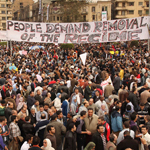
}
Source: Getty
The Obama administration should commit to a true transition to democracy in Egypt and the creation of an open political system that protects civil rights and liberties.
Source: February 8

We are concerned by reports suggesting that the U.S. administration may acquiesce to an inadequate and possibly fraudulent transition process in Egypt. The process that is unfolding now has many of the attributes of a smokescreen. Without significant changes, it will lead to preservation of the current regime in all but name and ensure radicalization and instability in the future. Throwing the weight of the United States behind the proposals of President Mubarak and Vice President Suleiman, rather than the legitimate demands of the opposition, would be a serious error. What we seek in Egypt is not the current regime without the Mubarak family, but a true transition to democracy and an open political system that protects civil rights and liberties. The transition cannot be run exclusively by members of the old regime. It must include leaders of the democratic opposition who are empowered to effect the crucial changes necessary for full democracy.
President Obama has indicated that the transition must begin “now” and that Egypt cannot “go back” to where it was before the demonstrations began. For those words to have meaning, the administration must commit itself to full democracy in Egypt that can only be brought about with the participation of all of the democratic opposition and the unmistakable departure of Hosni Mubarak from the scene.
The need for constitutional changes is not a justification for the continuation in power of Hosni Mubarak. It is ironic that after years of manipulating the constitution to remain in power, Mubarak now presents himself as essential to preserving constitutional legitimacy. Moreover, Vice President Suleiman’s effort to intimidate the international community by arguing that Mubarak’s departure would necessitate elections within 60 days is disingenuous. There are avenues within the current constitution to avoid holding elections that quickly. What is missing here is political will to bring about real change in the Egyptian system.
We urge you to press for an unmistakable and irreversible transition to democracy with the following elements:
Sincerely,
Michele Dunne (Carnegie Endowment)
Robert Kagan (Brookings Institution)
On behalf of the Working Group on Egypt
The Working Group on Egypt is a nonpartisan initiative bringing substantial expertise on Egyptian politics and political reform, and aimed at ensuring that Egypt’s elections are free and fair and open to opposition candidates.
Carnegie does not take institutional positions on public policy issues; the views represented herein are those of the author(s) and do not necessarily reflect the views of Carnegie, its staff, or its trustees.

Transactional relationships are stable but can be shallow.



Paul Haenle, Maha Yahya, Benjamin Ho, …

It’s about managing oil prices, bread prices, and strategic partnerships.



Amr Hamzawy, Karim Sadjadpour, Aaron David Miller, …
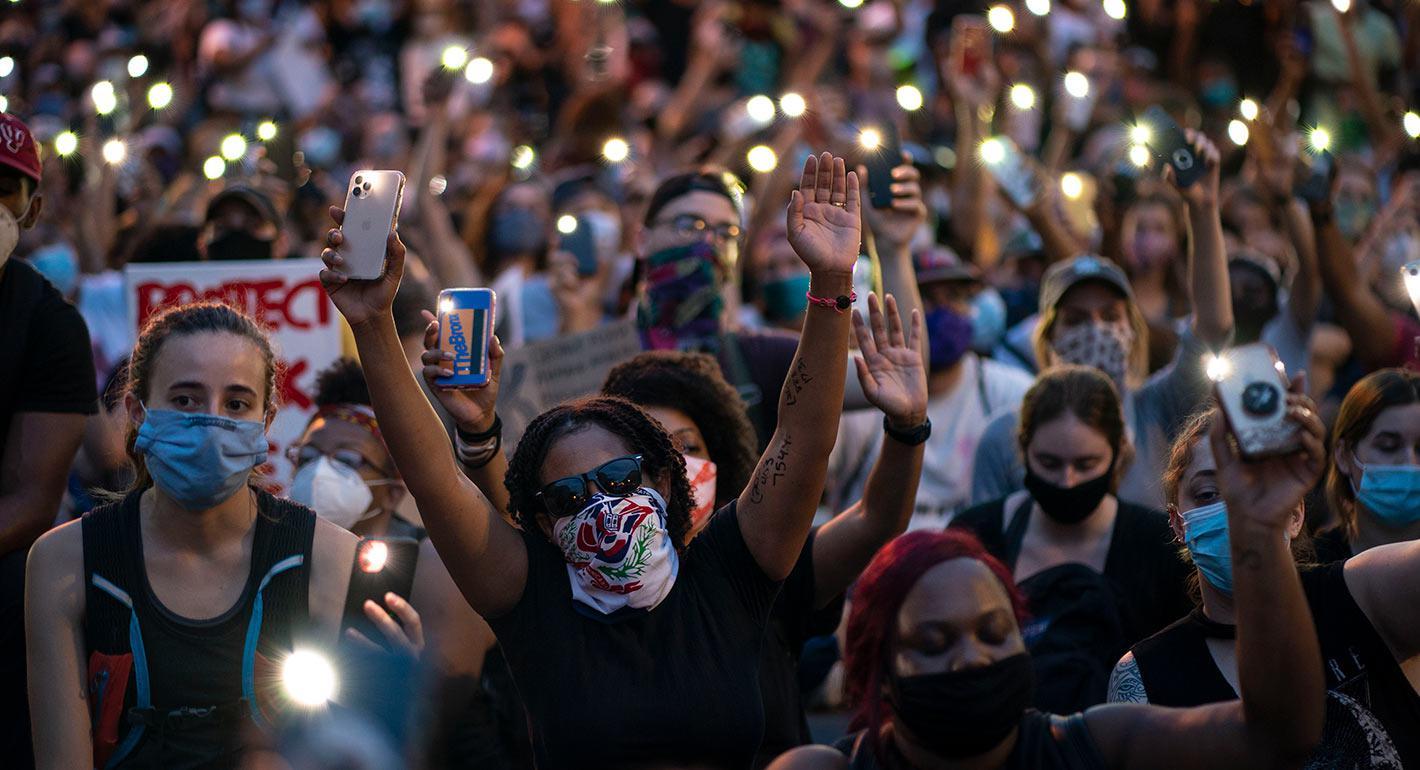
The murder of George Floyd has underscored the deep inequities that have long plagued American society. In a note to the Carnegie community, Bill Burns reflects on Carnegie’s commitment to build a more just future here at home and around the world, without which peace will remain beyond our grasp.

William J. Burns

While the world hoped this pandemic might lead to more cooperation between these two great powers, American and Chinese leaders instead fell into a blame game and allowed their increasing suspicions to guide their decision-making.
Lyu Jinghua

Biological viruses and computer malware differ in important respects. They have considerable potential to spread widely, invading, disrupting and destroying their targets.

Ariel (Eli) Levite, Lyu Jinghua