• Commentary
  • Research
  • Experts
  • Events
Carnegie China logoCarnegie lettermark logo
{
  "authors": [
    "Marina Ottaway"
  ],
  "type": "legacyinthemedia",
  "centerAffiliationAll": "dc",
  "centers": [
    "Carnegie Endowment for International Peace",
    "Malcolm H. Kerr Carnegie Middle East Center"
  ],
  "collections": [
    "Arab Awakening"
  ],
  "englishNewsletterAll": "menaTransitions",
  "nonEnglishNewsletterAll": "",
  "primaryCenter": "Carnegie Endowment for International Peace",
  "programAffiliation": "MEP",
  "programs": [
    "Middle East"
  ],
  "projects": [],
  "regions": [
    "North Africa",
    "Egypt"
  ],
  "topics": [
    "Political Reform"
  ]
}
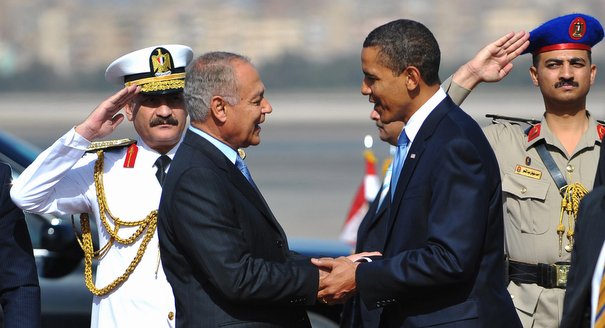
Source: Getty

In The Media

Hosni Mubarak Staying Put - What Now?

What happens next in Egypt depends on what steps the military and the protesters take, not on what Washington says.

Link Copied
By Marina Ottaway
Published on Feb 11, 2011

Source: Politico

Hosni Mubarak Staying Put - What Now?President Hosni Mubarak’s defiant announcement to crowds that he will stay in power until the end of his term in September has been met with anger by the growing ranks of protesters. As soon as the crowds understood they were not listening to the expected resignation speech, a chorus of “go, go, go” replaced the festive atmosphere and singing of the national anthem of the previous hours. Tomorrow’s demonstrations promise to be huge. 

The speech suggests that Mubarak is in denial about the seriousness of the situation Egypt is facing and the extent of popular anger. His defiance has decreased the possibility that Egypt will experience an orderly transition. Instead, it appears increasingly likely that the military will intervene, because the government is completely discredited at this point and there is no other entity in the country that can start a credible transition process. Unfortunately, military intervention is not a promising beginning for what Egyptians hope will be a democratic transition. 
 
The Obama administration cannot influence the course of events in Egypt. Future developments depend on what steps the military and the protesters take, not on what Washington says. But the Obama administration needs to salvage what little credibility it still has in the Arab world. Washington has no control over what Egypt’s government, its military, and its people will do, but it has control over its own decisions: the best it can do is to announce that it is suspending all aid to Egypt until the situation is clarified and that it stands ready to move back in quickly when Egyptians have found a way forward.

About the Author

Marina Ottaway

Former Senior Associate, Middle East Program

Before joining the Endowment, Ottaway carried out research in Africa and in the Middle East for many years and taught at the University of Addis Ababa, the University of Zambia, the American University in Cairo, and the University of the Witwatersrand in South Africa.

    Recent Work

  • Article
    Reactions to the Syrian National Initiative

      Marina Ottaway, Omar Hossino

  • Article
    Slow Return to Normal Politics in Egypt

      Marina Ottaway

Marina Ottaway
Former Senior Associate, Middle East Program
Marina Ottaway
Political ReformNorth AfricaEgypt

Carnegie does not take institutional positions on public policy issues; the views represented herein are those of the author(s) and do not necessarily reflect the views of Carnegie, its staff, or its trustees.
More Work from Carnegie China

  • Commentary
    China’s Rising Influence in the Middle East

    Transactional relationships are stable but can be shallow.

      • +1

      Paul Haenle, Maha Yahya, Benjamin Ho, …
  • Commentary
    What the Russian War in Ukraine Means for the Middle East

    It’s about managing oil prices, bread prices, and strategic partnerships.

      • +8

      Amr Hamzawy, Karim Sadjadpour, Aaron David Miller, …
  • Commentary
    A Message to the Carnegie Endowment Community

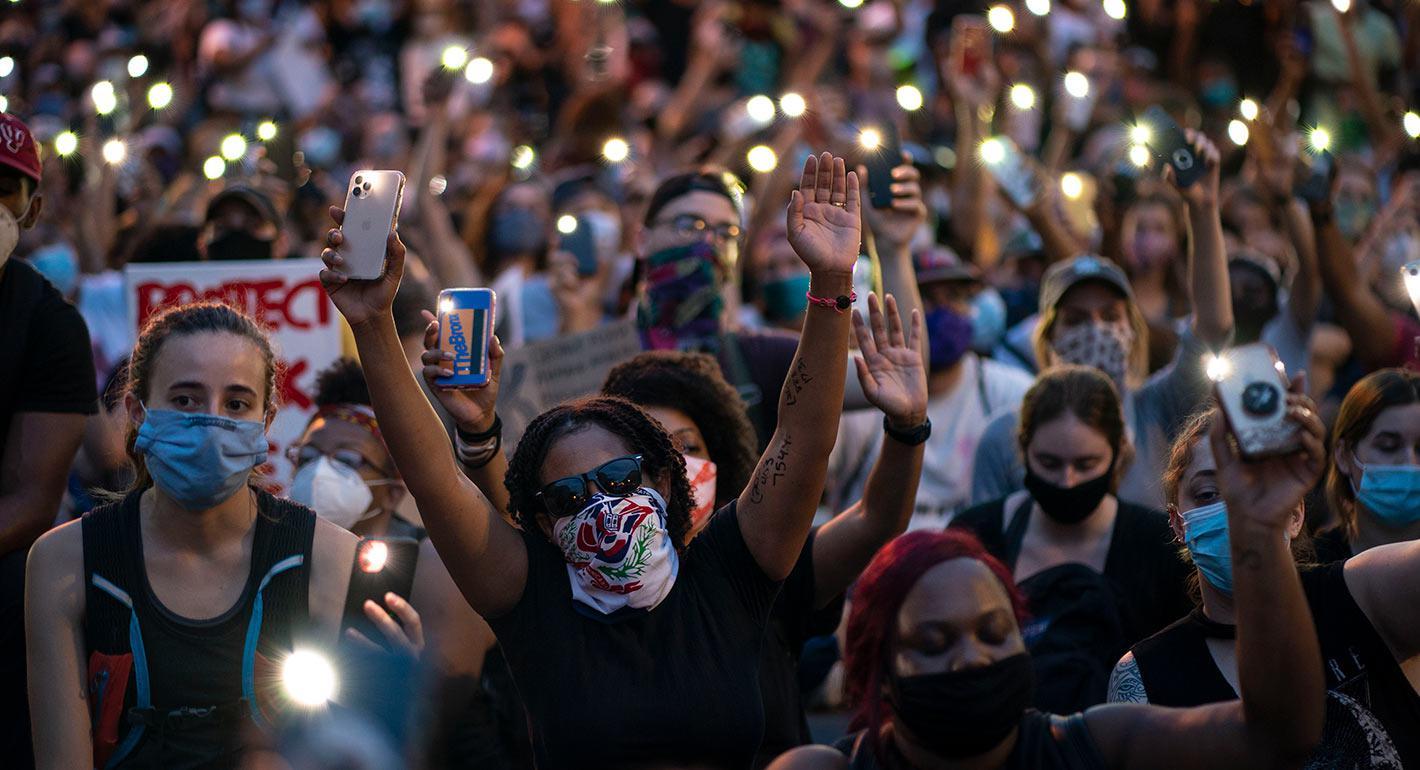
    The murder of George Floyd has underscored the deep inequities that have long plagued American society. In a note to the Carnegie community, Bill Burns reflects on Carnegie’s commitment to build a more just future here at home and around the world, without which peace will remain beyond our grasp.
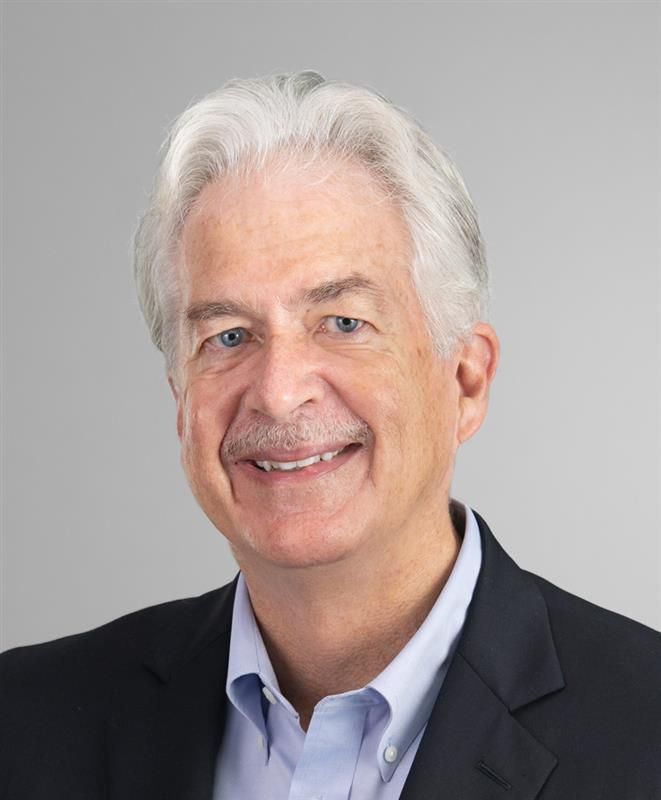
      William J. Burns
  • Commentary
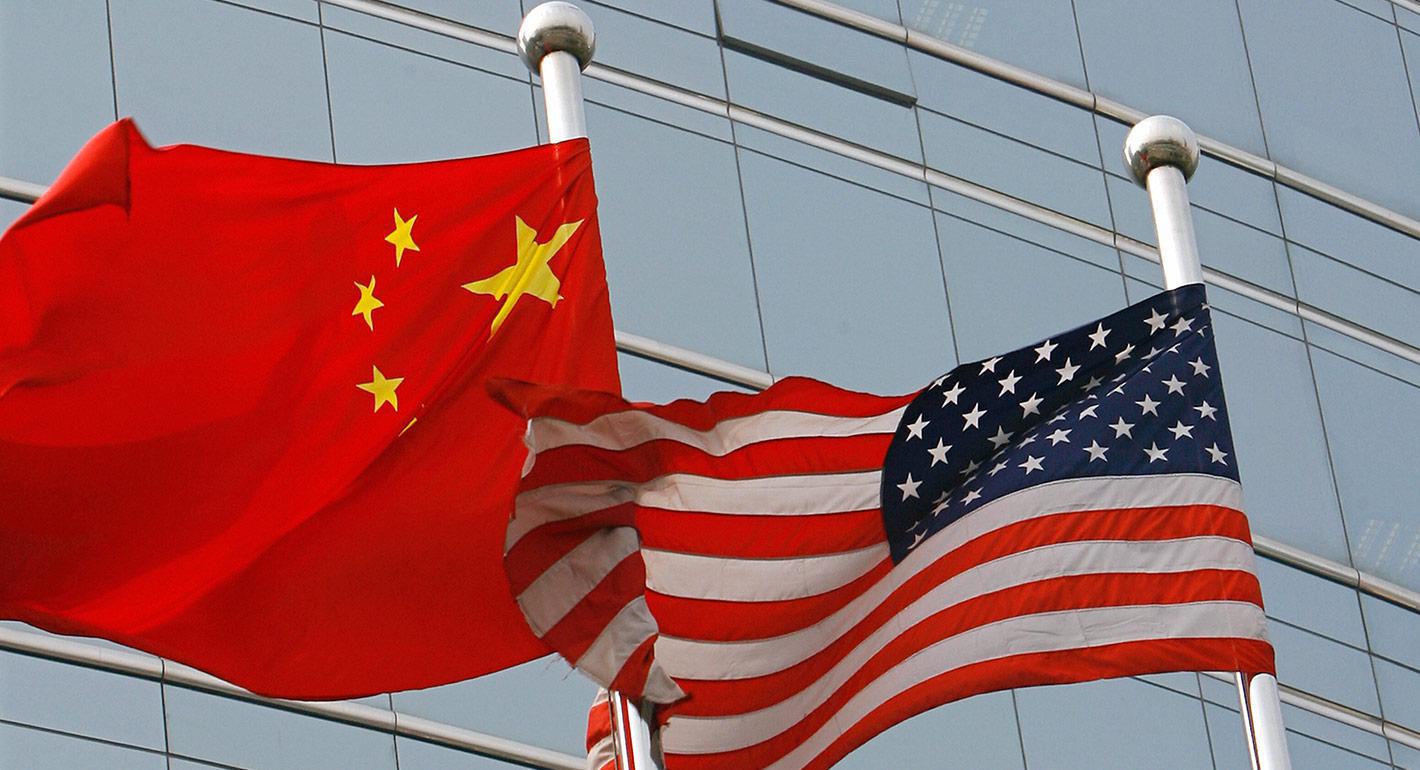
    U.S., China Should Pursue Peace, Not Military Brinkmanship

    While the world hoped this pandemic might lead to more cooperation between these two great powers, American and Chinese leaders instead fell into a blame game and allowed their increasing suspicions to guide their decision-making.

      Lyu Jinghua
  • Commentary
    Travails of an Interconnected World: From Pandemics to the Digital Economy

    Biological viruses and computer malware differ in important respects. They have considerable potential to spread widely, invading, disrupting and destroying their targets.
      Ariel (Eli) Levite, Lyu Jinghua

Get more news and analysis from
Carnegie China
Carnegie China logo, white
Keck Seng Tower133 Cecil Street #10-01ASingapore, 069535Phone: +65 9650 7648
  • Research
  • About
  • Experts
  • Events
  • Contact
  • Careers
  • Privacy
  • For Media
Get more news and analysis from
Carnegie China
© 2026 Carnegie Endowment for International Peace. All rights reserved.