• Commentary
  • Research
  • Experts
  • Events
Carnegie China logoCarnegie lettermark logo
{
  "authors": [
    "Marina Ottaway"
  ],
  "type": "legacyinthemedia",
  "centerAffiliationAll": "dc",
  "centers": [
    "Carnegie Endowment for International Peace",
    "Malcolm H. Kerr Carnegie Middle East Center"
  ],
  "collections": [
    "Arab Awakening"
  ],
  "englishNewsletterAll": "menaTransitions",
  "nonEnglishNewsletterAll": "",
  "primaryCenter": "Carnegie Endowment for International Peace",
  "programAffiliation": "MEP",
  "programs": [
    "Middle East"
  ],
  "projects": [],
  "regions": [
    "North Africa",
    "Egypt",
    "Gulf",
    "Levant",
    "Maghreb"
  ],
  "topics": [
    "Political Reform"
  ]
}
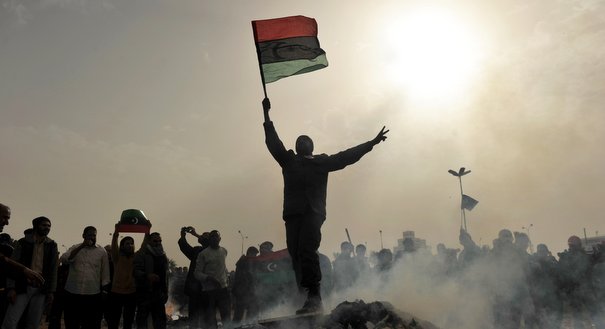
Source: Getty

In The Media

Mubarak Won't Run Again — What's the Effect?

Other Arab regimes are right to worry about the possibility of an uprising in their own nations; the same combination of economic hardship, political corruption, and repression that inspired protests in Tunisia and Egypt exist in all Arab countries outside the Gulf.

Link Copied
By Marina Ottaway
Published on Feb 1, 2011

Source: Politico

Mubarak Won't Run Again — What's the Effect?Protests in Egypt were sparked by a lethal combination of difficult economic and social conditions coupled with political repression, lack of political freedoms, and corruption. While Egyptians have long faced economic hardship, high unemployment rates, and a growing disparity between rich and poor, there is a strong sense now that Mubarak’s regime increased economic hardship through its corruption and economic reforms benefiting the business community but not ordinary Egyptians. 

During the last decade, protest against economic hardship and political repression increased steadily in Egypt, but it took the form of hundreds of small separate incidents--demonstrations, strikes not sanctioned by unions, labor sit-ins, and anti-government blogging.The upheaval in Tunisia helped bring protesters together by demonstrating that determined crowds can bring down a president. Ultimately, however, other unpredictable incidents could have served as catalysts. 
 
Other Arab regimes are right to worry about the possibility of an uprising in their own countries. The same combination of economic hardship and political corruption and repression exist in all Arab countries outside the Gulf, which have also seen an increase in incidents of protests over the past decade. As Tunisia and Egypt demonstrate, chronic dissatisfaction that led in the past to small separate outbursts can suddenly lead to the rise of massive, sustained protest. Even the Gulf monarchies, whose citizens are protected against extreme economic hardship by oil revenue, cannot be certain that they are immune from a sudden outburst of popular anger. 
 
Publics in many Arab countries will undoubtedly be inspired by events in Tunisia and Egypt and take to the streets to demand their rights and force change. Whether they will succeed, however, will depend not on Tunisia’s or Egypt’s example, but on the ability of protesters to coordinate their efforts and link socioeconomic with political demands, and on the governments’ response, plus the imponderable catalyst.

About the Author

Marina Ottaway

Former Senior Associate, Middle East Program

Before joining the Endowment, Ottaway carried out research in Africa and in the Middle East for many years and taught at the University of Addis Ababa, the University of Zambia, the American University in Cairo, and the University of the Witwatersrand in South Africa.

    Recent Work

  • Article
    Reactions to the Syrian National Initiative

      Marina Ottaway, Omar Hossino

  • Article
    Slow Return to Normal Politics in Egypt

      Marina Ottaway

Marina Ottaway
Former Senior Associate, Middle East Program
Marina Ottaway
Political ReformNorth AfricaEgyptGulfLevantMaghreb

Carnegie does not take institutional positions on public policy issues; the views represented herein are those of the author(s) and do not necessarily reflect the views of Carnegie, its staff, or its trustees.
More Work from Carnegie China

  • Commentary
    China’s Rising Influence in the Middle East

    Transactional relationships are stable but can be shallow.

      • +1

      Paul Haenle, Maha Yahya, Benjamin Ho, …
  • Commentary
    What the Russian War in Ukraine Means for the Middle East

    It’s about managing oil prices, bread prices, and strategic partnerships.

      • +8

      Amr Hamzawy, Karim Sadjadpour, Aaron David Miller, …
  • Commentary
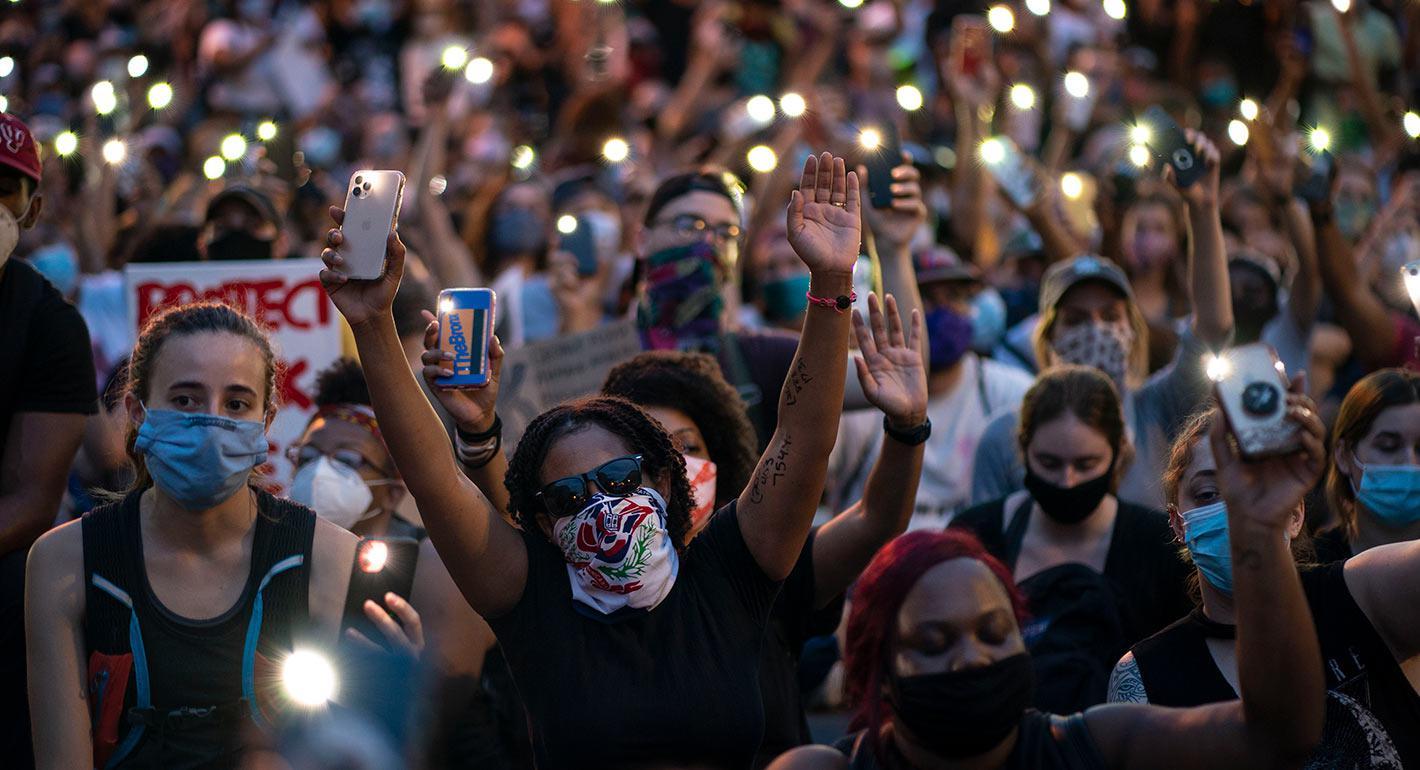
    A Message to the Carnegie Endowment Community

    The murder of George Floyd has underscored the deep inequities that have long plagued American society. In a note to the Carnegie community, Bill Burns reflects on Carnegie’s commitment to build a more just future here at home and around the world, without which peace will remain beyond our grasp.
      William J. Burns
  • Commentary
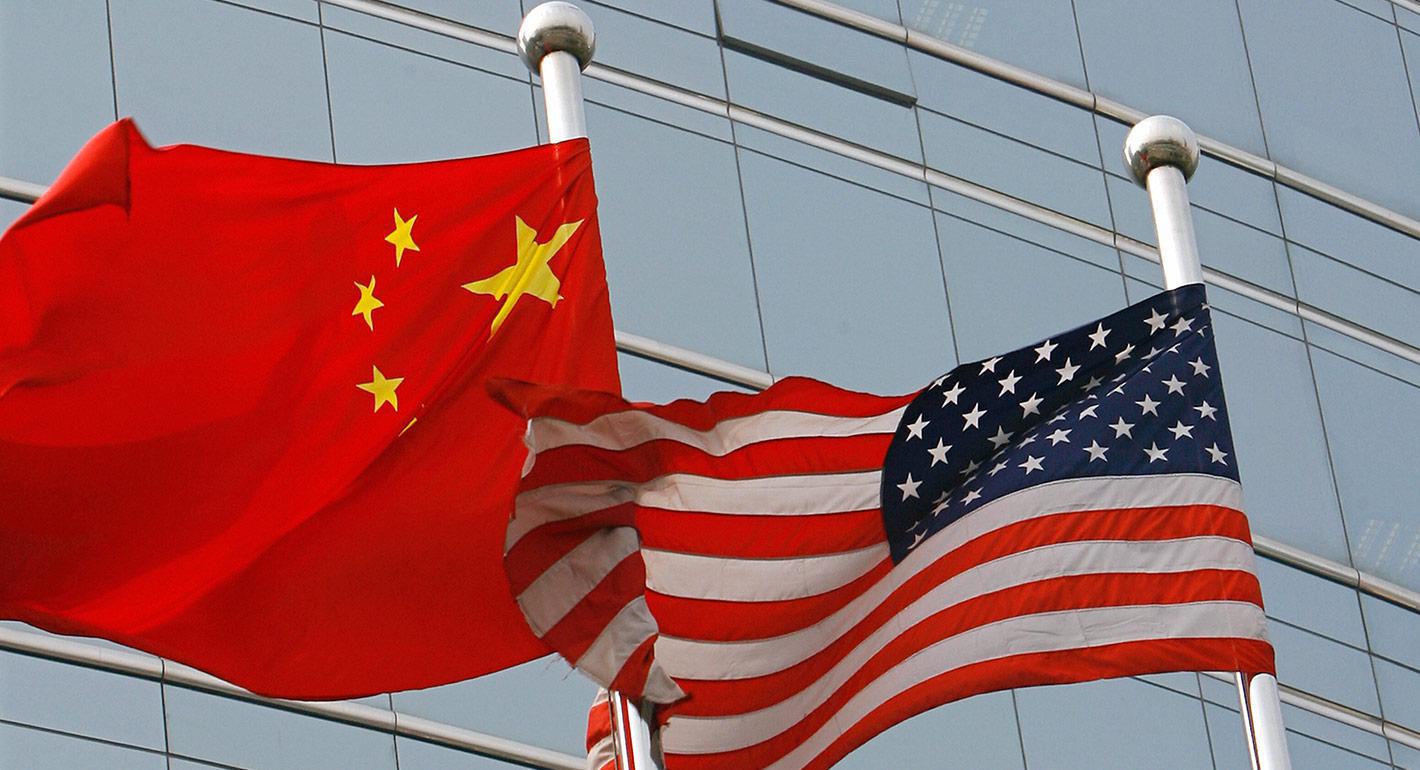
    U.S., China Should Pursue Peace, Not Military Brinkmanship

    While the world hoped this pandemic might lead to more cooperation between these two great powers, American and Chinese leaders instead fell into a blame game and allowed their increasing suspicions to guide their decision-making.

      Lyu Jinghua
  • Commentary
    Travails of an Interconnected World: From Pandemics to the Digital Economy

    Biological viruses and computer malware differ in important respects. They have considerable potential to spread widely, invading, disrupting and destroying their targets.

      Ariel (Eli) Levite, Lyu Jinghua

Get more news and analysis from
Carnegie China
Carnegie China logo, white
  • Research
  • About
  • Experts
  • Events
  • Contact
  • Careers
  • Privacy
  • For Media
Get more news and analysis from
Carnegie China
© 2026 Carnegie Endowment for International Peace. All rights reserved.